
Diasporic Discoveries: Women Scientists Who Migrated and Made Their Mark Abroad

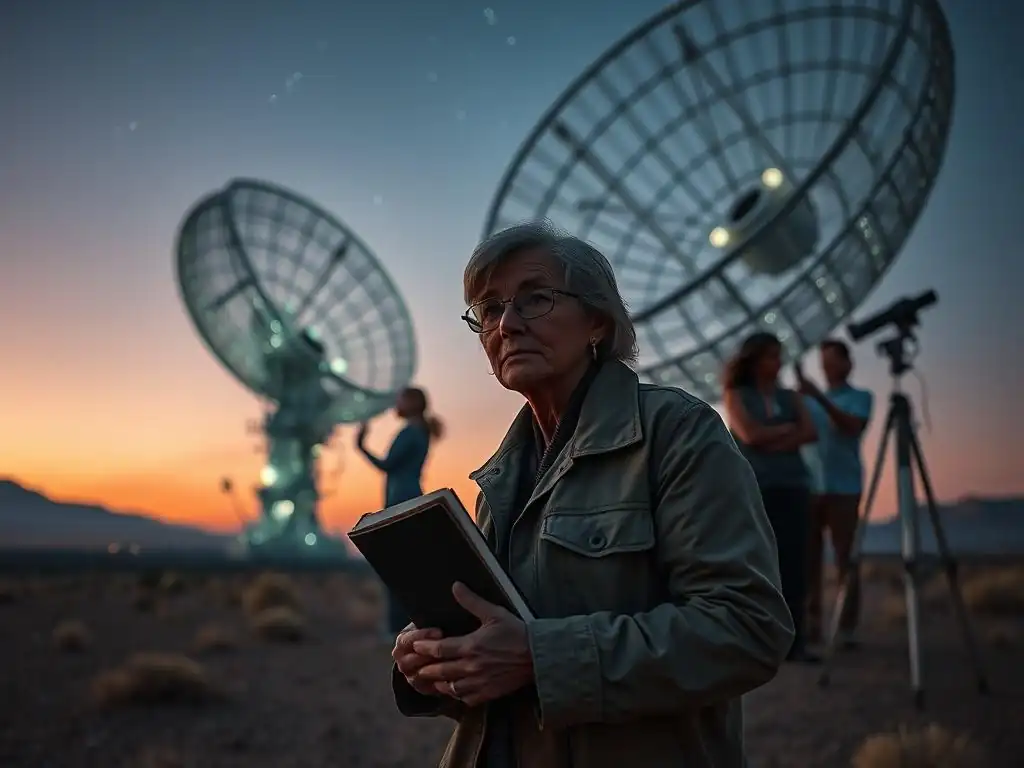
Welcome to WomenInScienceHistory.com!
Delve into the fascinating, often untold stories of women who defied expectations and revolutionized science. This week, we're exploring a crucial aspect of their journeys: Women scientists international migration research. Diasporic Discoveries: Women Scientists Who Migrated and Made Their Mark Abroad unveils the intriguing historical context behind these brave pioneers. What drove them to leave their homelands, and how did their experiences abroad shape their groundbreaking contributions? Prepare to be inspired by their resilience and ingenuity as we uncover the impact of their global journeys.
- Introduction: Unveiling the Stories of Migrant Women in Science
- Pioneering Migrant Women Scientists: Case Studies
- The Impact of Migration on Women Scientists' Careers
- Gender and Geography: Exploring the Intersectionality of Scientific Migration
-
Women Scientists International Migration Research: Trends and Patterns
- Analyzing the Factors Driving Female Scientists' Mobility: Career Advancement and Research Opportunities
- Identifying the Most Popular Destinations for Women Scientists: Hubs of Scientific Innovation
- Examining the Impact of Migration on Scientific Output and Innovation: Increased Collaboration and Diverse Perspectives
-
The Future of Women Scientists International Migration Research
- Promoting Inclusive and Equitable International Scientific Collaboration: Funding and Policies
- Supporting the Mobility of Women Scientists Through Policy and Funding: Visas and Research Grants
- Encouraging Future Research on the Experiences of Migrant Women in Science: Longitudinal Studies and Qualitative Analyses
- Conclusion: Celebrating the Global Contributions of Women in Science
-
Frequently Asked Questions
- How did international migration impact the careers of women scientists historically?
- What types of barriers did migrant women scientists face specifically?
- How does WomenInScienceHistory.com address the topic of women scientists' international migration research?
- Why is it important to study the history of women scientists and their migration patterns?
- What are some examples of "Diasporic Discoveries" made by women scientists who migrated?
- Final Reflection: Seeds of Science Across Borders
- Unveil Your Own Scientific Journey!
Introduction: Unveiling the Stories of Migrant Women in Science
The Overlooked Contributions of Women Scientists to International Scientific Advancement
The history of science is replete with stories of profound discoveries, yet the narratives of women scientists who migrated across borders to make these breakthroughs are often overlooked. These pioneering individuals, driven by intellectual curiosity and a quest for better research opportunities, navigated not only the complexities of their scientific fields but also the immense challenges of cultural assimilation and professional integration in new lands.
Their contributions have been instrumental in advancing global scientific understanding, shaping disciplines from physics to neuroscience, and enriching the intellectual landscape of their host nations, yet their journeys and impacts are rarely given the prominence they deserve in the broader discourse of women scientists international migration research.
Indeed, the impact of these migrant women scientists extends far beyond their individual discoveries. They often served as bridges between different scientific traditions, fostering international collaboration and diversifying research perspectives. Despite facing compounded challenges—gender bias, language barriers, and the inherent difficulties of relocation—their resilience allowed them to thrive and contribute groundbreaking work. Their stories highlight the crucial role of mobility in scientific progress and underscore the necessity of acknowledging the full spectrum of talent that drives innovation worldwide.
Setting the Stage: Historical Context of Women's Participation in STEM and Global Mobility
Historically, women's participation in STEM fields was severely restricted in many parts of the world, often limited by societal norms, lack of access to higher education, and discriminatory institutional practices. For many aspiring female scientists, opportunities for advanced study or meaningful research were scarce in their home countries. This often served as a significant impetus for international migration, as they sought environments where their intellectual potential could be more fully realized.
The broader historical context of scientific mobility, particularly during periods of political upheaval like the two World Wars or the Cold War, also played a significant role. Scientists, including women, were forced or chose to relocate due to persecution, economic hardship, or the pursuit of academic freedom. This global movement of talent, while often challenging, sometimes opened unexpected avenues for women to participate in cutting-edge research, contributing to a rich tapestry of women scientists international migration research that continues to evolve.
Pioneering Migrant Women Scientists: Case Studies
Case Study 1: Chien-Shiung Wu - Revolutionizing Physics in the United States
Early Life and Education: A Foundation in Physics in China
Chien-Shiung Wu was born in 1912 in Liuhe, a town in Taicang, Jiangsu province, China, into a family that highly valued education, particularly for girls. Her father, a progressive educator, founded the Mingde Women's Vocational Continuing School, where she received her early education. Wu excelled academically, demonstrating an early aptitude for science and mathematics. She later attended the National Central University in Nanjing, graduating in 1934 with a degree in physics. During her time there, she conducted research in X-ray crystallography, establishing a strong foundation in experimental physics.
Her early academic environment in China, though challenging for women, provided her with the rigorous training and intellectual curiosity that would define her career. She became an assistant at Zhejiang University and later a researcher at the Institute of Physics of the Academia Sinica in Shanghai, further solidifying her expertise. This foundational period in her homeland equipped her with the skills and determination necessary to pursue advanced studies and make significant contributions on the global stage, making her a compelling figure in women scientists international migration research.
Migration Journey: Seeking Opportunities and Facing Prejudice
In 1936, Chien-Shiung Wu embarked on her international migration journey to the United States, enrolling at the University of California, Berkeley. She pursued her doctoral studies under the guidance of Ernest O. Lawrence, a Nobel laureate, and quickly distinguished herself with her experimental prowess. Despite her brilliance, Wu faced significant challenges, including cultural adjustments and pervasive prejudice as a female Asian scientist in a predominantly white, male-dominated academic world.
Even after earning her Ph.D. in 1940 and demonstrating exceptional research capabilities, securing a stable academic position proved difficult. She held temporary teaching and research roles at prestigious institutions like Smith College and Princeton University, often without the full faculty status commensurate with her qualifications. Her eventual move to Columbia University in 1944, where she joined the Manhattan Project, marked a turning point, but the struggle for full recognition and equity as a woman scientist navigating international migration persisted throughout her career.
Scientific Contributions: Challenging Physics Laws and Breaking Barriers
Chien-Shiung Wu's most celebrated contribution is the "Wu experiment" conducted in 1956-1957. This groundbreaking experiment experimentally confirmed the theory of parity non-conservation in weak interactions, proposed by theoretical physicists Tsung-Dao Lee and Chen-Ning Yang. Her meticulous and precise work demonstrated that identical processes in the universe do not always behave symmetrically, overturning a long-held fundamental law of physics. This discovery revolutionized the understanding of subatomic particles and earned Lee and Yang the Nobel Prize in Physics in 1957, tragically overlooking Wu's pivotal experimental verification.
Beyond the parity experiment, Wu made significant contributions to the Manhattan Project, where her expertise in radiation detection helped in the development of the atomic bomb, particularly concerning the enrichment of uranium. She also conducted extensive research on beta decay, a type of radioactive decay, and advanced techniques for detecting and measuring nuclear radiation. Her unwavering dedication to experimental physics, combined with her courage to challenge established scientific principles, solidified her legacy as one of the most influential women scientists in the history of international migration research.
Case Study 2: Rita Levi-Montalcini - From Italy to the World: A Nobel Laureate's Journey
Background and Initial Research in Italy: Overcoming Fascist Restrictions
Rita Levi-Montalcini was born in Turin, Italy, in 1909. She pursued a medical degree at the University of Turin, graduating in 1936, and began her research career under the mentorship of anatomist Giuseppe Levi. Her early work focused on the developing nervous system. However, her promising career in Italy was abruptly halted in 1938 when Benito Mussolini's Fascist regime enacted anti-Semitic racial laws, which prohibited Jewish citizens from engaging in academic and professional careers. As a Jewish woman, Levi-Montalcini was forced to abandon her university position.
Undeterred, she set up a clandestine laboratory in her bedroom, first in Turin and later in Florence, where she continued her research on the growth of nerve fibers in chick embryos. This period of forced isolation and ingenuity proved foundational, allowing her to make critical observations about the mechanisms of neural development, despite the profound personal and political adversity she faced. Her resilience during this time underscores the extraordinary determination often found in women scientists navigating challenging circumstances, including those considering international migration.
Expanding Horizons: Finding Refuge and Advancing Neuroscience in the US
Following the end of World War II, Rita Levi-Montalcini received an invitation from Viktor Hamburger, a prominent neuroembryologist at Washington University in St. Louis, Missouri, in 1947. Initially planned as a six-month visit, this opportunity extended into a 30-year tenure, fundamentally altering the trajectory of her career. The United States offered a stark contrast to war-torn Italy, providing unparalleled resources, state-of-the-art facilities, and a supportive scientific community that allowed her research to flourish without the political and economic constraints she had faced.
Her move to the US was a pivotal moment, showcasing how international migration can provide crucial refuge and opportunities for scientific advancement. It was in St. Louis that she collaborated with Hamburger and later with biochemist Stanley Cohen, forming a highly productive research team. This period marked a significant expansion of her intellectual horizons and access to a global network of neuroscientists, profoundly influencing her groundbreaking discoveries and establishing her as a leading figure in women scientists international migration research.
Key Achievements: Discovering Nerve Growth Factor and Inspiring Scientific Excellence
Rita Levi-Montalcini's most significant scientific achievement was the discovery of Nerve Growth Factor (NGF) in the early 1950s. Working with Stanley Cohen, she identified a protein that promotes the growth and survival of nerve cells, a breakthrough that revolutionized the field of neurobiology. Her meticulous experiments, primarily using embryonic tissues, demonstrated how certain substances could guide nerve cell development, providing fundamental insights into the intricate processes of the nervous system.
For her discovery of NGF, she was awarded the Nobel Prize in Physiology or Medicine in 1986, shared with Stanley Cohen. Beyond her research, Levi-Montalcini remained a fervent advocate for science, education, and women's rights throughout her long life. She was appointed a Senator for life in the Italian Senate in 2001, continuing to influence public policy and champion scientific progress. Her journey exemplifies how a woman scientist can transcend geographical and political barriers through international migration to achieve monumental scientific excellence and inspire generations.
Case Study 3: Christiane Nusslein-Volhard - Shaping Developmental Biology Across Continents
Academic Journey and Initial Discoveries in Germany
Christiane Nüsslein-Volhard, born in 1942 in Germany, embarked on her academic journey at the University of Tübingen, where she initially studied biology. She later pursued her doctoral degree at the Max Planck Institute for Biophysical Chemistry in Göttingen, focusing on the fascinating field of developmental biology. Her early research was characterized by a deep curiosity about how a single fertilized egg develops into a complex organism, specifically using the fruit fly, Drosophila melanogaster, as a model organism.
In the late 1970s and early 1980s, alongside her colleague Eric Wieschaus, Nüsslein-Volhard conducted groundbreaking genetic screens. They meticulously identified and characterized genes crucial for early embryonic development in Drosophila, systematically uncovering the genetic mechanisms that control the formation of the body plan. This foundational work, primarily conducted in Germany, laid the blueprint for understanding how genes orchestrate complex developmental processes, setting the stage for her global recognition and influence in women scientists international migration research.
Embracing International Collaboration: Research and Mentorship Globally
While Christiane Nüsslein-Volhard’s primary research base remained in Germany, her work profoundly impacted and was influenced by extensive international collaboration. Her seminal discoveries attracted global attention, leading to a vast network of scientific exchanges and partnerships with researchers worldwide. She served as a director at the Max Planck Institute for Developmental Biology in Tübingen, an institution that, like many leading research centers, actively fosters an international environment, attracting talented scientists from diverse backgrounds.
Furthermore, Nüsslein-Volhard played a significant role as a mentor to numerous international students and postdocs who traveled to her laboratory from various countries to learn from her pioneering techniques and insights. This reciprocal flow of talent highlights how prominent scientists, even those primarily based in one country, contribute to and benefit from the global nature of scientific inquiry. Her lab became a crucible for international scientific training, further solidifying her influence on developmental biology and demonstrating the interconnectedness crucial for women scientists international migration research.
Legacy: Advancing Our Understanding of Embryonic Development and Promoting Science Education
In 1995, Christiane Nüsslein-Volhard was awarded the Nobel Prize in Physiology or Medicine, jointly with Eric Wieschaus and Edward B. Lewis, for their discoveries concerning the genetic control of early embryonic development. Their work fundamentally transformed the understanding of how genes specify the formation of organs and tissues, providing crucial insights into birth defects, cancer, and evolutionary biology. Her contributions have had a lasting impact on numerous biological and medical fields globally.
Beyond her scientific achievements, Nüsslein-Volhard has been a vocal advocate for science education and for supporting women in scientific careers. She established the Christiane Nüsslein-Volhard Foundation in 2004, which provides financial and logistical support to talented young female scientists with children in Germany, helping them balance their demanding research careers with family responsibilities. Her dedication to fostering the next generation of women scientists, regardless of their migration status, underscores her enduring legacy and commitment to a more inclusive scientific future.
The Impact of Migration on Women Scientists' Careers
Opportunities for Growth and Innovation in New Environments: Access to Resources and Expertise
For many women scientists, international migration opens doors to unparalleled opportunities for professional growth and scientific innovation. New environments often provide access to state-of-the-art research facilities, cutting-edge technologies, and significantly larger funding streams that may be unavailable in their home countries. For instance, a 2011 study by the Royal Society in the UK indicated that access to better equipment and more substantial financial support was a primary driver for scientists, including women, seeking opportunities abroad. These resources enable them to pursue ambitious research projects that might otherwise be impossible.
Moreover, relocating to a new country exposes scientists to diverse intellectual communities, fostering interdisciplinary thinking and novel approaches to research. Collaborating with colleagues from varied academic backgrounds and cultural perspectives can spark new ideas, accelerate discovery, and lead to more comprehensive and globally relevant scientific outcomes. This exposure to different scientific cultures and methodologies not only broadens their expertise but also enhances their problem-solving skills, contributing significantly to the landscape of women scientists international migration research.
Despite the opportunities, international migration presents significant challenges for women scientists. Adapting to a new language, especially in highly specialized scientific discourse, can be a formidable barrier, hindering effective communication and professional integration. Beyond language, navigating different academic systems, bureaucratic hurdles, and subtle cultural norms can lead to feelings of isolation and impede career progression. For example, understanding nuanced grant application processes or professional networking etiquette in a new country can be daunting.
Furthermore, migrant women scientists often face compounded challenges due to existing gender bias within international scientific communities, exacerbated by xenophobia or cultural differences. They may encounter discrimination not only because of their gender but also their ethnicity or nationality, impacting their recognition, promotion prospects, and overall well-being. This dual burden can manifest in subtle microaggressions, difficulties in securing leadership roles, or even a devaluation of their prior academic achievements, highlighting critical areas for women scientists international migration research.
The Role of International Networks: Collaborations and Mentorship Opportunities
Building robust international networks is paramount for the success and well-being of women scientists undergoing international migration. These networks provide crucial professional and personal support, offering avenues for collaboration, resource sharing, and mentorship in a new country. Establishing connections with peers and senior scientists can help overcome feelings of isolation, facilitate access to unspoken academic norms, and open doors to new research partnerships or career opportunities.
These international collaborations are not only beneficial for individual careers but also contribute significantly to the advancement of specific scientific fields globally. By fostering cross-cultural knowledge exchange, scientists can tackle complex global challenges from diverse perspectives, leading to more innovative and impactful solutions. A 2019 report by UNESCO, for instance, emphasized the critical role of scientific diasporas in facilitating knowledge transfer and fostering global innovation, underscoring the enduring importance of such networks in women scientists international migration research.
Gender and Geography: Exploring the Intersectionality of Scientific Migration

Gender Bias in International Scientific Communities: Underrepresentation and Recognition
Despite increasing awareness, gender bias remains a persistent issue across international scientific communities, disproportionately affecting women scientists, particularly those who have undergone international migration. This bias manifests in various forms, including underrepresentation in senior leadership positions, lower salaries compared to male counterparts, and less recognition for their contributions. A 2020 report by Elsevier, for example, highlighted that women globally hold only approximately 28% of senior research positions, indicating a significant disparity.
For migrant women scientists, these biases can be amplified. They may face additional challenges rooted in cultural differences concerning gender roles or expectations, which can hinder their ability to gain respect, secure promotions, or even be taken seriously in their new academic environments. This intersection of gender and geographical origin often results in a double disadvantage, making it harder for these women to fully integrate and achieve their potential within the global scientific landscape.
The Impact of Family and Personal Life on Migration Decisions: Balancing Career and Caregiving
The decision to pursue international migration for a scientific career is often profoundly impacted by family and personal life, with a disproportionate effect on women scientists. Responsibilities such as childcare, elder care, and managing household logistics typically fall more heavily on women, making the prospect of relocating and restarting life in a new country significantly more complex. Many women may decline promising opportunities abroad if it means disrupting their family's stability or if their partners cannot find suitable employment in the new location.
The "trailing spouse" phenomenon is particularly prevalent, where the male partner's career often takes precedence, limiting the female scientist's options for international mobility. This can lead to difficult compromises, with some women having to choose between career advancement and their family's well-being. Understanding these intricate dynamics is crucial for comprehensive women scientists international migration research, as they shed light on the often-invisible barriers that impede female scientific mobility.
Overcoming gender-related obstacles for women scientists in international migration requires multifaceted strategies encompassing both individual advocacy and systemic institutional change. Professional organizations and advocacy groups dedicated to supporting women in STEM, such as the Organization for Women in Science for the Developing World (OWSD), play a vital role in providing networks, mentorship, and resources tailored to the unique challenges faced by migrant women. These organizations can amplify their voices and push for greater equity.
Crucially, academic institutions and funding bodies must implement and enforce policies that promote gender equity and support the mobility of women scientists. This includes offering flexible work arrangements, providing accessible childcare support, establishing transparent promotion criteria, and actively addressing unconscious biases in hiring and evaluation processes. Such institutional transformations are essential not only for attracting and retaining diverse talent, including migrant women scientists, but also for fostering truly inclusive and equitable global scientific communities.
Women Scientists International Migration Research: Trends and Patterns
Analyzing the Factors Driving Female Scientists' Mobility: Career Advancement and Research Opportunities
Women scientists international migration research consistently identifies several key factors driving female scientists' mobility. A primary motivator is the pursuit of career advancement, often linked to access to superior research facilities, more substantial funding opportunities, and specialized expertise not readily available in their home countries. For example, a 2017 study by the European Commission on researchers' mobility highlighted that access to cutting-edge infrastructure and collaborative environments were top motivators for international moves. Migrating can provide a pathway to higher academic ranks, larger research teams, and more impactful projects.
Beyond these career-centric motivations, other push factors include political instability, restrictive academic environments, or limited career progression opportunities within their native countries. In some cases, the decision to migrate is influenced by a desire for greater academic freedom or a more inclusive scientific culture. These complex interplays of professional aspiration and external circumstances underscore the multifaceted nature of women scientists international migration research.
Identifying the Most Popular Destinations for Women Scientists: Hubs of Scientific Innovation
Analysis of women scientists international migration research reveals consistent patterns in their destination choices. Countries renowned for their robust scientific infrastructure, significant research funding, and leading academic institutions, such as the United States, Germany, the United Kingdom, Canada, and Australia, frequently emerge as popular destinations. Data from the US National Science Foundation, for instance, indicates a consistent influx of foreign-born scientists, including a growing proportion of women, into American universities and research institutions.
These hubs of scientific innovation often offer a combination of factors that attract international talent, including vibrant research ecosystems, opportunities for interdisciplinary collaboration, and, increasingly, specific funding programs aimed at attracting and retaining diverse international researchers. While challenges persist, these destinations are often perceived as offering more promising career trajectories and a greater potential for scientific impact for women scientists considering international migration.
Examining the Impact of Migration on Scientific Output and Innovation: Increased Collaboration and Diverse Perspectives
The international migration of women scientists demonstrably enriches host countries by introducing diverse perspectives, novel methodologies, and innovative ideas, which often lead to increased scientific output and enhanced innovation. Research published in Nature in 2020, for example, noted that internationally mobile researchers tend to produce higher-impact publications and engage in more extensive collaborations compared to their non-mobile counterparts. This suggests that the cross-pollination of ideas facilitated by migration contributes to more impactful research.
Furthermore, the presence of scientists from varied cultural and educational backgrounds can spark new research questions, challenge existing paradigms, and foster more comprehensive approaches to complex problems. This diversity in thought and experience often leads to more creative solutions and robust scientific outcomes, benefiting not only the host institutions but the global scientific community as a whole. This positive feedback loop underscores the critical importance of fostering environments conducive to women scientists international migration research.
The Future of Women Scientists International Migration Research
Promoting Inclusive and Equitable International Scientific Collaboration: Funding and Policies
The future of women scientists international migration research must prioritize the promotion of inclusive and equitable international scientific collaboration. This necessitates a concerted effort from international funding bodies, scientific organizations, and national governments to develop and implement policies that actively encourage the participation of women scientists in international collaboration and mobility programs. This includes dedicated grants, fellowships, and exchange initiatives specifically designed to support female researchers from diverse backgrounds.
Beyond targeted funding, there is a pressing need to address systemic biases within grant review processes, hiring practices, and promotion criteria across international scientific communities. Fostering environments where all scientists, regardless of their origin or gender, can thrive and contribute equally is paramount. This commitment to equity will not only enhance the careers of individual women scientists but also significantly enrich the global scientific enterprise by harnessing a wider pool of talent and perspectives.
Supporting the Mobility of Women Scientists Through Policy and Funding: Visas and Research Grants
To truly support the mobility of women scientists, policy and funding mechanisms must evolve to be more accommodating and flexible. Governments and academic institutions should advocate for streamlined visa processes and adaptable immigration policies that acknowledge the unique needs of female scientists and their families. Reducing bureaucratic hurdles and providing clearer pathways for accompanying family members can significantly mitigate the personal and professional risks associated with international migration.
Furthermore, increasing targeted research grants and fellowships specifically designed to support women's international mobility is crucial. Programs like the Marie Skłodowska-Curie Actions in Europe, which promote researcher mobility, or various philanthropic foundations globally, play a vital role in providing the financial and logistical support necessary for women scientists to pursue international opportunities. Expanding and promoting these initiatives will be key to fostering a more mobile and diverse scientific workforce.
Encouraging Future Research on the Experiences of Migrant Women in Science: Longitudinal Studies and Qualitative Analyses
To gain a deeper understanding of the complex experiences of migrant women in science, future women scientists international migration research must move beyond simple quantitative analyses. There is a strong need for more dedicated academic inquiry, including longitudinal studies that track the career trajectories of these women over extended periods, providing insights into the long-term impacts of migration on their professional development, work-life balance, and overall well-being.
Complementing quantitative data, qualitative analyses—such as in-depth interviews, ethnographic studies, and oral histories—are essential. These methods can capture the nuanced personal stories, the specific challenges encountered, and the triumphs achieved by women scientists who have navigated international migration. Such rich, narrative-driven research can provide invaluable insights into their resilience, adaptability, and the strategies they employ to overcome adversity, offering a more holistic and human-centered perspective on their global contributions.
Conclusion: Celebrating the Global Contributions of Women in Science
Acknowledging the Resilience and Achievements of Migrant Women Scientists: Recognition and Awards
The stories of women scientists who have embarked on international migration journeys are profound testaments to human resilience, intellectual curiosity, and unwavering dedication. These individuals, often navigating significant personal and professional obstacles, have made indelible marks on various scientific fields, from the fundamental laws of physics to the intricate mechanisms of human development. It is imperative that their achievements are not only recognized but also celebrated more prominently through academic awards, fellowships, and inclusion in historical narratives that often overlook their vital contributions.
Acknowledging their resilience and impact means actively seeking out and highlighting their biographies, ensuring that their groundbreaking work receives the recognition it deserves alongside their male counterparts. Their journeys exemplify the global nature of scientific progress and the immense value that diverse perspectives bring to research. By celebrating these women scientists, we enrich the history of science and inspire a more inclusive future for global scientific collaboration.
Inspiring Future Generations to Pursue Global Scientific Careers: Mentorship and Role Models
Highlighting the compelling stories of women scientists who thrived through international migration serves as a powerful source of inspiration for aspiring young scientists, particularly girls and women considering careers in STEM. These narratives demonstrate that geographical barriers and societal challenges can be overcome through perseverance, talent, and a commitment to scientific discovery. By showcasing these role models, we can encourage future generations to embrace global career paths and contribute to the advancement of knowledge across borders.
To further foster this inspiration, robust mentorship programs and international exchange initiatives are crucial. Connecting emerging female talent with established migrant women scientists can provide invaluable guidance, support, and practical advice, creating a supportive global community for women in science. Investing in such programs and continuing international migration research will ensure that the global scientific landscape remains vibrant, diverse, and capable of attracting the brightest minds, regardless of their origin or gender.
Frequently Asked Questions
How did international migration impact the careers of women scientists historically?
International migration often presented both opportunities for advancement and significant challenges. It could provide access to better resources and collaborations, but also lead to isolation and difficulty navigating new academic cultures.
What types of barriers did migrant women scientists face specifically?
Beyond the general challenges faced by women in science, migrant women often encountered language barriers, cultural differences, and discrimination based on their nationality and gender. Visa issues and recognition of qualifications were also common obstacles.
How does WomenInScienceHistory.com address the topic of women scientists' international migration research?
The website highlights the stories of pioneering female scientists who migrated, showcasing their groundbreaking work despite facing adversity. We aim to shed light on the unique experiences and contributions of these often overlooked figures.
Why is it important to study the history of women scientists and their migration patterns?
Understanding this history helps us acknowledge the contributions of women scientists who have been historically marginalized. It also informs current efforts to promote diversity and inclusion in STEM fields globally.
What are some examples of "Diasporic Discoveries" made by women scientists who migrated?
Many women scientists made significant contributions after migrating, such as developing new medical treatments, advancing our understanding of the universe, and pioneering research in environmental science in their adopted countries.
Final Reflection: Seeds of Science Across Borders
The stories of these remarkable women scientists, detailed throughout this article, are not just historical accounts; they are living testaments to the power of resilience and the transformative potential of international collaboration in science. Their journeys, fraught with challenges and brimming with triumphs, resonate profoundly in a world increasingly reliant on global scientific solutions.
The impact of these diasporic scientists extends far beyond their individual achievements. Their experiences highlight the critical need for inclusive and supportive environments that empower women in STEM, regardless of their origin. Their legacies serve as beacons, illuminating the path for future generations of researchers who dare to cross borders in pursuit of knowledge. Science knows no country, because knowledge belongs to humanity, and is the torch which illuminates the world.
- Louis Pasteur. This quote encapsulates the spirit of these women, who embodied the universality of science while enriching their adopted nations with their unique perspectives and expertise.
As you reflect on the journeys of these pioneering women, consider the barriers they overcame and the contributions they made. Let their stories inspire you to champion diversity and inclusion in your own spheres of influence. Embrace the opportunity to foster a more equitable and collaborative scientific community, where talent knows no boundaries and the seeds of innovation can flourish across borders.
Unveil Your Own Scientific Journey!
Thank you for delving into the inspiring stories of these remarkable women! We hope their resilience and ingenuity have sparked your own passion for discovery. Now, let's turn inspiration into action.
- Embark on your own research adventure: Identify a scientific challenge that resonates with you and dedicate one hour this week to exploring potential solutions.
- Share these stories! Help amplify the voices of these pioneering women by posting about your favorite scientist on social media using #WomenInScienceHistory.
- Discover hidden gems: Research the scientific contributions of a lesser-known scientist from your own country or cultural background.
What unexpected obstacles do you anticipate encountering as you pursue your scientific curiosity, and how will you leverage the examples of these women to overcome them?