
[Name]: Her Intrepid Journeys into Uncharted Botanical Territories for Science

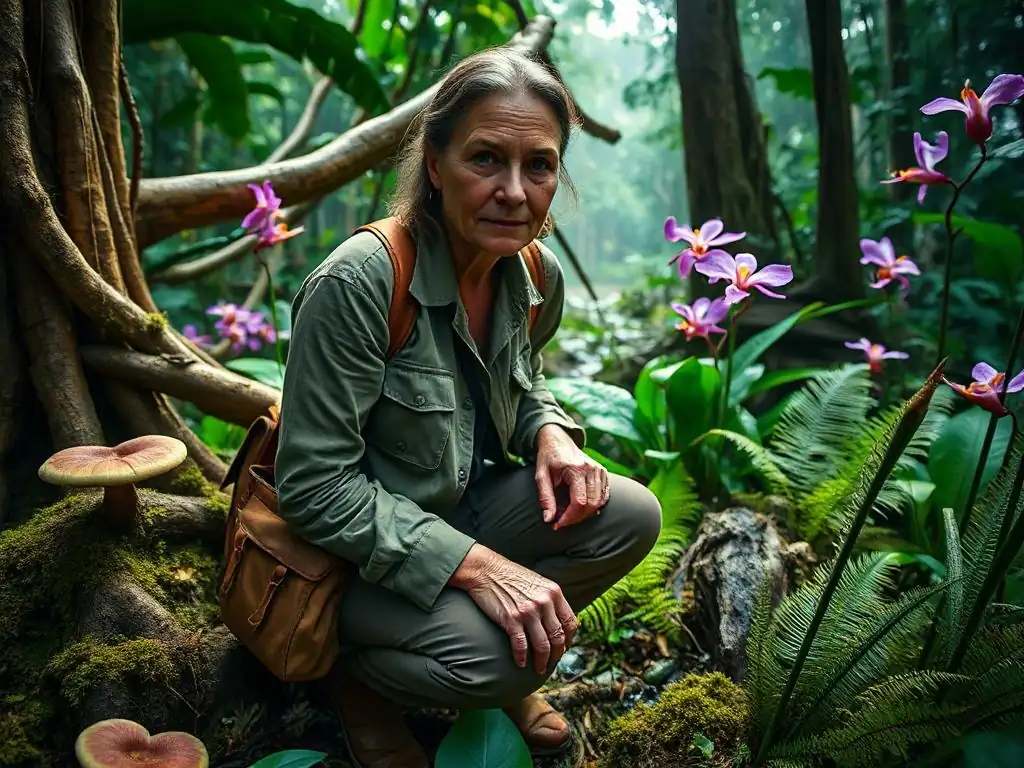
Welcome to WomenInScienceHistory.com!
Prepare to be captivated by the untold stories of women who defied expectations and revolutionized the scientific landscape. In this biography, we delve into the extraordinary life of a pioneering figure in botanical science women history. Uncover the challenges she faced, the groundbreaking discoveries she made, and the enduring legacy she left behind, inspiring a new generation to explore the hidden wonders of the plant kingdom. Intrigued? Read on to discover the incredible journey of [Name]!
- Maria Merian: Her Intrepid Journeys into Uncharted Botanical Territories for Science
- Introduction: Celebrating Maria Merian's Legacy in Botanical Science History
- Early Life and Education: Foundations of a Botanical Career
- Expeditions and Discoveries: Charting Uncharted Botanical Territories
- Contributions to Botanical Science: Beyond Exploration
- Facing Obstacles and Breaking Barriers: A Woman in a Male-Dominated Field
- Legacy and Inspiration: Maria Merian's Enduring Impact on Botanical Science
- Conclusion: Honoring a Botanical Science Pioneer
-
Frequently Asked Questions
- How does WomenInScienceHistory.com contribute to understanding "Botanical science women history"?
- What types of challenges did women in botanical science historically face?
- Why is it important to study "Botanical science women history"?
- What kind of information can I find on WomenInScienceHistory.com regarding a specific female botanist?
- How does WomenInScienceHistory.com aim to inspire future generations of women in science?
- Final Reflection: Seeds of Inspiration, Blossoms of Progress
- Ignite Your Inner Explorer: Chart Your Own Scientific Course!
Maria Merian: Her Intrepid Journeys into Uncharted Botanical Territories for Science
Introduction: Celebrating Maria Merian's Legacy in Botanical Science History
Highlighting a Pioneer in Women's Botanical Exploration
Maria Merian stands as an extraordinary figure in the annals of science, a true pioneer whose work transcended the artistic and scientific disciplines of her era. Born in 1647, her intrepid spirit led her to embark on a self-funded expedition to the Dutch colony of Suriname in 1699, a remarkable feat for any individual, let alone a woman of 52 in the late 17th century.
Her unique approach combined the meticulous observation of a naturalist with the exquisite detail of an artist, resulting in groundbreaking documentation of insect metamorphosis and their symbiotic relationships with plants, making her a pivotal figure in botanical science history.
Her revolutionary studies challenged prevailing scientific beliefs, particularly the notion of spontaneous generation for insects. Merian’s dedication to direct observation and her ability to capture the intricate life cycles of insects in their natural botanical habitats set a new standard for natural history illustration and scientific inquiry. She ventured far beyond the traditional confines of European studies, bringing to light the astonishing biodiversity of the tropics and firmly establishing her place among the most significant botanical science women of all time.
The Importance of Recognizing Women in Science History
Recognizing the contributions of women like Maria Merian is not merely an act of historical correction; it is essential for a comprehensive understanding of scientific progress and for inspiring future generations. For centuries, the narratives of scientific discovery have often overlooked or marginalized the roles played by women, creating an incomplete picture of innovation and perseverance. Highlighting Merian's story helps to rectify this imbalance, demonstrating that significant scientific advancements were made by individuals who often operated outside conventional academic or institutional structures.
Furthermore, Merian's journey serves as a powerful testament to the resilience and intellectual curiosity of women in science, particularly within the field of botanical science. Her ability to pursue her passions, overcome societal limitations, and produce work of enduring scientific value provides a compelling role model. By celebrating her achievements, we not only honor her legacy but also encourage young women today to pursue careers in science, showing them that the path has been paved by remarkable botanical science women from history.
Early Life and Education: Foundations of a Botanical Career
Maria Merian's Early Interest in Natural History and Botany
Maria Sibylla Merian was born into an environment that fostered her intellectual and artistic development in Frankfurt, Germany, in 1647. Her father, Matthäus Merian the Elder, was a renowned publisher and engraver, and after his death, her mother remarried Jacob Marrel, a prominent flower painter. This upbringing immersed young Maria in the worlds of art, printing, and natural illustration from a very early age. Her fascination with the natural world began in childhood, where she spent countless hours observing insects, particularly silkworms, and the plants they fed on.
At just 13 years old, Merian began collecting insects and studying their metamorphoses, a passion she pursued with unwavering dedication. She meticulously documented her observations through drawing and painting, laying the groundwork for her future scientific endeavors. This early, self-directed engagement with living organisms and their botanical environments provided her with an unparalleled foundation in observational natural history, distinguishing her from many of her contemporaries who relied more heavily on preserved specimens.
Overcoming Challenges to Pursue Scientific Education: Societal Expectations and Limited Access
In 17th-century Europe, formal scientific education was almost exclusively reserved for men, and women faced significant societal barriers to pursuing intellectual and professional careers. Universities and scientific academies were closed to them, and the idea of a woman engaging in rigorous scientific research, especially fieldwork, was virtually unheard of. Merian, therefore, had to forge her own path to scientific knowledge, operating entirely outside the traditional academic establishment.
Her "education" was largely self-directed and experiential, rooted in direct observation and artistic practice. While she did not attend a university, her artistic training, particularly under her stepfather, provided her with the essential skills of meticulous drawing and painting, which became her primary tools for scientific documentation. This unconventional route highlights the remarkable determination required for a woman to contribute meaningfully to botanical science during an era when formal access was denied.
Key Mentors and Influences Shaping Maria Merian's Botanical Path: Family and Early Artistic Training
Maria Merian's artistic training was paramount to her scientific development. Her stepfather, Jacob Marrel, a skilled flower painter, taught her the techniques of still-life painting, composition, and color mixing. This rigorous artistic discipline honed her observational skills and her ability to render natural forms with exquisite precision. It was this unique combination of artistic talent and scientific curiosity that allowed her to create illustrations that were both aesthetically beautiful and scientifically accurate.
Beyond formal instruction, Merian's independent spirit and her innate curiosity were her most significant drivers. She learned engraving and printing techniques, which were crucial for her later ability to publish her own works, giving her unprecedented control over the dissemination of her scientific findings. While she had no traditional scientific mentors, her family's artistic and publishing background provided her with the practical skills and encouragement to transform her passion for natural history into a groundbreaking career, ultimately shaping her into a leading figure among botanical science women.
Expeditions and Discoveries: Charting Uncharted Botanical Territories
Maria Merian's Major Botanical Expedition: Suriname, 1699
At the age of 52, a time when most people would seek comfort, Maria Merian embarked on her most ambitious undertaking: a self-funded scientific expedition to Suriname, a Dutch colony in South America. Accompanied by her younger daughter, Dorothea Maria, Merian sailed from Amsterdam in June 1699, arriving in September after a perilous journey across the Atlantic. This was an unprecedented venture for a woman of her time, driven solely by her insatiable desire to study tropical insects and plants in their natural habitats.
She spent nearly two years immersed in the lush, biodiverse rainforests of Suriname, a stark contrast to the European environments she knew. Her goal was to document the life cycles of insects that were unknown in Europe, focusing on their intricate relationships with the specific plants they inhabited. This bold expedition solidified her reputation as an intrepid explorer and a groundbreaking botanical science woman, providing her with the unique opportunity to observe and illustrate species never before seen by European naturalists.
Documenting and Classifying New Plant Species: A Contribution to Botanical Knowledge
During her time in Suriname, Merian meticulously observed and illustrated hundreds of species of insects, plants, reptiles, and amphibians. Her most significant contribution to botanical knowledge lay in her revolutionary approach to documenting insect metamorphosis. Instead of merely illustrating individual specimens, she depicted the entire life cycle of insects—egg, larva (caterpillar), pupa, and adult—alongside the specific host plants on which they fed and lived. This holistic perspective was a radical departure from the prevailing practices of the time.
Her detailed illustrations brought to life tropical plants like the vibrant Pineapple ( Ananas comosus) and various species of Passion Flowers ( Passiflora), showing how specific insects interacted with them. She documented the feeding habits of caterpillars, the emergence of butterflies, and the intricate details of cocoons, all within their botanical context. This meticulous work provided invaluable data for future botanical and entomological classification, firmly establishing her as a pivotal figure in the history of botanical science women.
Challenges and Triumphs of Fieldwork in Remote Regions: Tropical Diseases, Logistical Difficulties, and Cultural Differences
Merian's expedition to Suriname was fraught with immense challenges. The tropical climate presented formidable obstacles, including intense heat, oppressive humidity, and dangerous wildlife. More significantly, she contracted a severe tropical illness, likely malaria, which ultimately forced her premature return to Amsterdam in 1701, cutting her planned five-year stay short. The logistical difficulties of conducting fieldwork in a remote, undeveloped region were immense, involving the transportation of artistic materials, the preservation of delicate specimens, and the navigation of dense, unexplored jungle.
Despite these hardships, Merian's resilience and determination triumphed. She relied on the assistance and knowledge of enslaved Africans and indigenous peoples, who guided her through the terrain and shared their understanding of local flora and fauna, though their contributions were often uncredited in her subsequent publications, a common practice of the era. The extraordinary body of work she produced under such arduous conditions stands as a testament to her unwavering commitment to scientific discovery and her unparalleled resolve as a botanical science woman.
Contributions to Botanical Science: Beyond Exploration
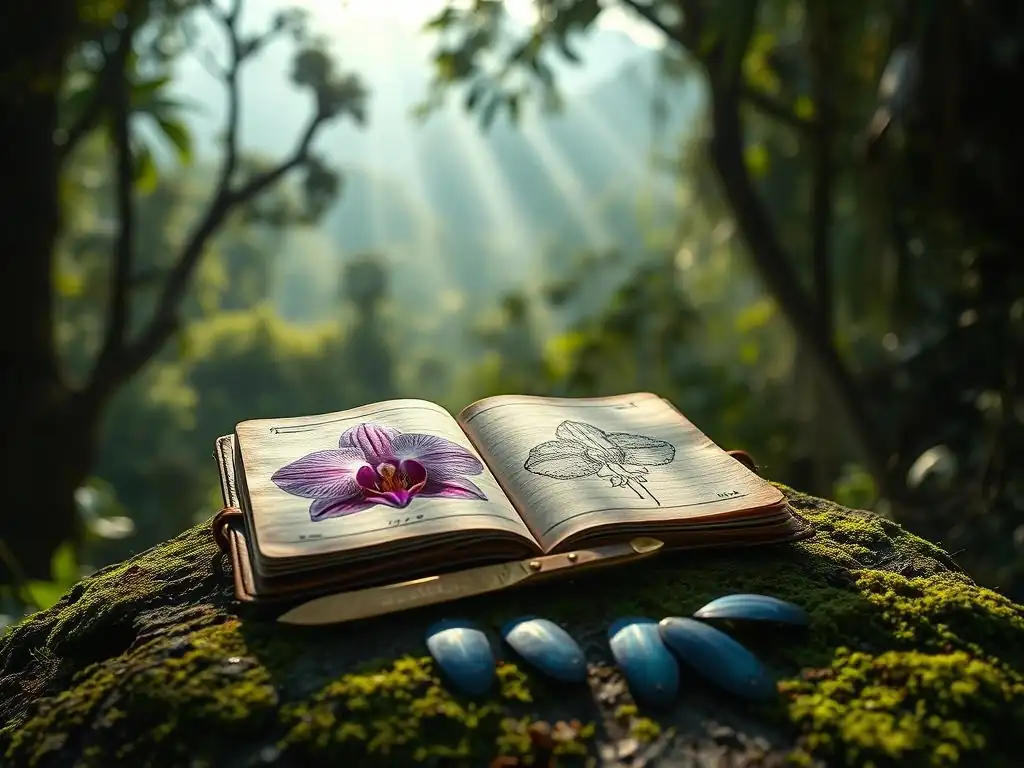
Maria Merian's Research on Insect Metamorphosis and Host Plant Relationships
Maria Merian's most enduring and significant scientific contribution was her pioneering research into insect metamorphosis and the intricate relationships between insects and their host plants. Before her work, a common belief among naturalists was that insects spontaneously generated from mud, dew, or decaying matter. Merian's meticulous, long-term observations conclusively demonstrated that insects undergo complex, multi-stage life cycles, directly refuting this long-held misconception.
Her magnum opus, "Metamorphosis Insectorum Surinamensium" (The Metamorphosis of the Insects of Suriname), published in 1705, showcased these findings through stunning, hand-colored engravings. Each plate depicted an insect's complete life cycle—from egg to adult—alongside the specific plant on which it fed and developed. This revolutionary approach not only advanced entomology but also fundamentally shifted botanical understanding by highlighting the ecological interdependence between flora and fauna, a concept far ahead of its time for a botanical science woman.
Publications and Recognition: Sharing Botanical Discoveries with the Scientific Community
Merian's primary means of sharing her botanical discoveries with the scientific community and the wider public were her beautifully illustrated publications. Her earlier work, the three-volume "Raupenbuch" (Book of Caterpillars), published between 1679 and 1701, detailed the metamorphosis of European insects. However, it was her "Metamorphosis Insectorum Surinamensium" that brought her international acclaim. This lavish folio, printed in both Latin and Dutch, was highly sought after by collectors, naturalists, and royalty across Europe.
While formal scientific institutions of her time, largely male-dominated, might not have immediately embraced her as a peer, the scientific accuracy and visual splendor of her work earned her widespread respect. Carl Linnaeus, the father of modern taxonomy, frequently cited Merian's illustrations in his own classifications, acknowledging the precision of her botanical and entomological observations. Her publications cemented her reputation as a vital contributor to natural history and a formidable botanical science woman.
The Impact of Maria Merian's Work on Modern Botanical Understanding
Maria Merian's work had a profound and lasting impact on modern botanical understanding, extending far beyond mere classification. Her insistence on depicting insects within their specific botanical environments laid the groundwork for the field of ecology by emphasizing the interconnectedness of species. This holistic approach helped naturalists move away from studying isolated specimens towards understanding living organisms as parts of complex ecosystems.
Furthermore, her unparalleled accuracy in illustration set a new standard for scientific documentation. Her detailed portrayals of plant morphology and insect behavior provided invaluable visual data that contributed significantly to the growing body of botanical knowledge. Merian’s innovative methodology and her commitment to direct observation continue to influence scientific illustration and field biology today, solidifying her legacy as a foundational figure among botanical science women who shaped our perception of the natural world.
Facing Obstacles and Breaking Barriers: A Woman in a Male-Dominated Field
Gender Bias in Scientific Institutions During Maria Merian's Time
During Maria Merian's lifetime (1647-1717), the scientific world was overwhelmingly dominated by men. Formal scientific institutions, such as the newly established Royal Society in London (founded 1660) and various academies across Europe, were exclusively male and offered no membership or recognition to women. Women were largely excluded from university education, scientific discourse, and professional scientific roles. This pervasive gender bias meant that Merian had to operate outside the established academic and scientific structures, which limited her formal recognition and opportunities for collaboration with her male peers.
Her work was often appreciated more in artistic and collecting circles than in the nascent scientific academies. The prevailing societal norms dictated that women's roles were primarily domestic, making a career in rigorous scientific exploration, especially one involving dangerous overseas travel, an almost unimaginable pursuit. Merian's journey underscores the immense personal courage and intellectual fortitude required for a woman to make significant scientific contributions in such a restrictive environment.
To circumvent the barriers imposed by a male-dominated scientific landscape, Maria Merian adopted several key strategies. Crucially, she maintained financial independence through her successful art sales and, for a period, her husband's income. This financial autonomy allowed her to pursue her research interests without needing patronage from institutions that would likely have dismissed her due to her gender. Her self-funded expedition to Suriname is a prime example of this independence, demonstrating her unwavering commitment to her scientific goals.
Furthermore, Merian effectively ran her own publishing house, which gave her complete control over the production and dissemination of her scientific illustrations and observations. This entrepreneurial spirit was vital; it meant she did not need to rely on male publishers or academic gatekeepers to present her work. By operating as an independent researcher and publisher, Merian effectively bypassed the institutional gender bias, enabling her to share her groundbreaking botanical science discoveries directly with the world.
Maria Merian's Advocacy for Women in Science: Leading by Example and Inspiring Other Women
While Maria Merian did not engage in overt activism or formal advocacy for women's rights in science, her entire life and career served as a powerful, living example of what women could achieve. By demonstrating that a woman could conduct rigorous scientific fieldwork, make original discoveries, and publish highly respected scholarly works, she implicitly challenged the prevailing notions about women's intellectual capabilities. Her dedication and success spoke volumes louder than any direct protest could have in her era.
Moreover, Merian directly inspired her own daughters, Johanna Helena Herolt and Dorothea Maria Gsell, who both became accomplished artists and natural history illustrators, often assisting their mother in her work. Dorothea Maria even accompanied Merian to Suriname and continued her scientific work after her mother's death. This direct lineage of female scientific endeavor is a testament to Merian's inspirational power. Her story continues to be a beacon for aspiring botanical science women, proving that passion and perseverance can overcome formidable societal barriers.
Legacy and Inspiration: Maria Merian's Enduring Impact on Botanical Science
Maria Merian's Influence on Future Generations of Botanists, Especially Women
Maria Merian's pioneering work laid crucial groundwork for future generations of naturalists and botanists, profoundly influencing the way scientific observation and illustration were conducted. Her meticulous approach to documenting insect life cycles within their specific botanical contexts became a model for later entomologists and ecologists, including figures like Carl Linnaeus who referenced her work extensively. She demonstrated the importance of direct observation and the study of living organisms in their natural habitats, a methodology that remains central to botanical science today.
For women in particular, Merian’s life stands as a powerful testament to the possibility of pursuing scientific careers despite immense societal obstacles. Her self-funded expeditions, independent research, and successful publications served as a powerful example of a woman excelling in a field traditionally closed off to her gender. Her story continues to inspire countless botanical science women, showing that an intrepid spirit and intellectual curiosity can lead to groundbreaking discoveries and lasting scientific legacies.
Preserving Maria Merian's Botanical Collections and Records: Various Museums and Libraries Worldwide
The enduring value of Maria Merian's work is reflected in the careful preservation of her original botanical collections, drawings, and published works in prestigious institutions around the globe. Major collections of her exquisite original drawings and prints are held by the British Museum and the Royal Collection at Windsor Castle in the United Kingdom, as well as the Russian Academy of Sciences in St. Petersburg, Russia, where many of her Suriname specimens and sketches were acquired by Peter the Great.
Her published volumes, particularly "Metamorphosis Insectorum Surinamensium," are treasured in rare book collections of major libraries worldwide, including the Rijksmuseum in Amsterdam and the New York Public Library. These preserved records are not merely artistic masterpieces; they are invaluable scientific documents that provide a detailed snapshot of 17th and 18th-century botanical and entomological knowledge, serving as a critical resource for studying the history of botanical science and the pioneering efforts of women in the field.
Remembering Maria Merian: A Botanical Science Woman of History
Maria Merian's contributions to science and art have been increasingly recognized and celebrated in modern times. Her image has appeared on German banknotes (the 500 Deutsche Mark note until the adoption of the Euro) and postage stamps, signifying her national importance. Numerous species of plants and insects have been named in her honor, such as the Merian's Fritillary butterfly ( Boloria selene meriana) and the genus Meriania of flowering plants, a lasting tribute to her taxonomic contributions.
Her life and work are now widely studied in academic circles and featured in popular science narratives, solidifying her status as one of the most significant botanical science women in history. Merian's name is synonymous with intrepid exploration, meticulous observation, and the groundbreaking integration of art and science. She is remembered not just for her beautiful illustrations, but for her profound impact on our understanding of the natural world and her courageous journey into uncharted botanical territories.
Conclusion: Honoring a Botanical Science Pioneer
The Enduring Relevance of Maria Merian's Contributions to Environmental Science
Maria Merian's groundbreaking work, particularly her detailed studies of insect metamorphosis and their interactions with host plants, holds enduring relevance for contemporary environmental science. Her emphasis on the interconnectedness of species within their specific botanical environments was a nascent form of ecological thinking, foreshadowing modern concepts of biodiversity and ecosystem dynamics. Long before the term "ecology" existed, Merian was illustrating the intricate web of life that sustains natural systems.
Her meticulous documentation of species provided invaluable baseline data on biodiversity, which is crucial for understanding environmental change and conservation efforts today. By capturing the precise relationships between insects and plants in Suriname, she offered a historical record of ecosystems that continue to be studied. Merian’s legacy underscores the critical importance of field observation and detailed illustration in understanding the natural world, solidifying her as a foundational figure among botanical science women whose insights continue to resonate.
Inspiring Future Generations of Women in Science Through Maria Merian's Story
Maria Merian's extraordinary life serves as a powerful source of inspiration for future generations of women in science. Her unwavering courage to embark on a perilous, self-funded expedition to a remote continent, coupled with her intellectual rigor in a male-dominated field, exemplifies the potential for women to transcend societal limitations. She demonstrates that passion, perseverance, and an independent spirit can lead to groundbreaking scientific discoveries, even when formal pathways are closed.
Her narrative encourages young women to embrace curiosity, cultivate observational skills, and pursue their scientific passions, whether in botany, entomology, or broader environmental studies. By highlighting Maria Merian's story, we not only honor a botanical science pioneer but also provide a tangible role model for aspiring female scientists, proving that the pursuit of knowledge knows no gender boundaries. Her legacy continues to illuminate the path for women to make indelible marks on the scientific landscape.
Frequently Asked Questions
How does WomenInScienceHistory.com contribute to understanding "Botanical science women history"?
The website highlights biographies and groundbreaking work of female botanists throughout history, providing a platform to learn about their contributions and challenges in the field. It aims to shed light on overlooked narratives.
What types of challenges did women in botanical science historically face?
Women often faced exclusion from formal education, limited access to research opportunities, and gender bias in male-dominated scientific communities, hindering their progress and recognition.
Why is it important to study "Botanical science women history"?
Studying their history inspires future generations, provides role models, and demonstrates the diverse perspectives that women bring to the field of botanical science.
What kind of information can I find on WomenInScienceHistory.com regarding a specific female botanist?
You can find biographical information, details about their specific research and discoveries, and discussions about the historical context in which they worked, often including challenges they overcame.
How does WomenInScienceHistory.com aim to inspire future generations of women in science?
By showcasing the achievements and perseverance of historical female botanists, the website encourages young women to pursue their own scientific passions and break down existing barriers.
Okay, here's a final reflection designed for your article, aiming to resonate with readers and reinforce the themes while optimizing for your target keyword "Botanical science women history":
Final Reflection: Seeds of Inspiration, Blossoms of Progress
The stories of pioneering women in botanical science, like the one we've explored, are not relics of a bygone era, but rather living testaments to the enduring power of curiosity and resilience. Their contributions, often overlooked in traditional historical narratives, continue to shape our understanding of the natural world and inspire future generations to break barriers and explore uncharted territories.
The impact of these intrepid botanists extends far beyond the scientific realm. Their journeys serve as a powerful reminder that progress is often forged through perseverance and a willingness to challenge the status quo. Their dedication to botanical science, despite societal limitations, has enriched our understanding of the plant kingdom and paved the way for countless other women to pursue their passions in STEM fields. The best and most beautiful things in the world cannot be seen or even touched - they must be felt with the heart.
- Helen Keller, a sentiment that perfectly encapsulates the passion driving these women in botanical science.
As we reflect on the legacies of these botanical science women in history, let us be inspired to cultivate our own seeds of curiosity and courage. Consider how you can contribute to a more inclusive and equitable future, where every voice is heard and every individual has the opportunity to blossom and reach their full potential. Let their stories remind us that the pursuit of knowledge, like the growth of a plant, requires nurturing, dedication, and an unwavering belief in the power of potential.
Ignite Your Inner Explorer: Chart Your Own Scientific Course!
Thank you for joining us on this inspiring journey through a pioneering botanical exploration. We hope you've gained a newfound appreciation for the dedication and courage required to push the boundaries of scientific knowledge. Now, it's your turn to contribute!
Here are a few ways you can continue exploring and celebrating women in science:
- Embrace the spirit of discovery by delving into a scientific field you've always been curious about. Dedicate just 30 minutes a week to learning something new.
- Share this article with your friends and family to inspire the next generation of female scientists.
- Visit your local library or botanical garden and seek out information about often-overlooked female scientists and their contributions, then share your findings on social media using #WomenInScienceHistory.
What small step will you take today to honor the legacy of women in science and blaze your own trail of discovery?