
Your Global Itinerary: MustVisit Museums Celebrating Women in Science

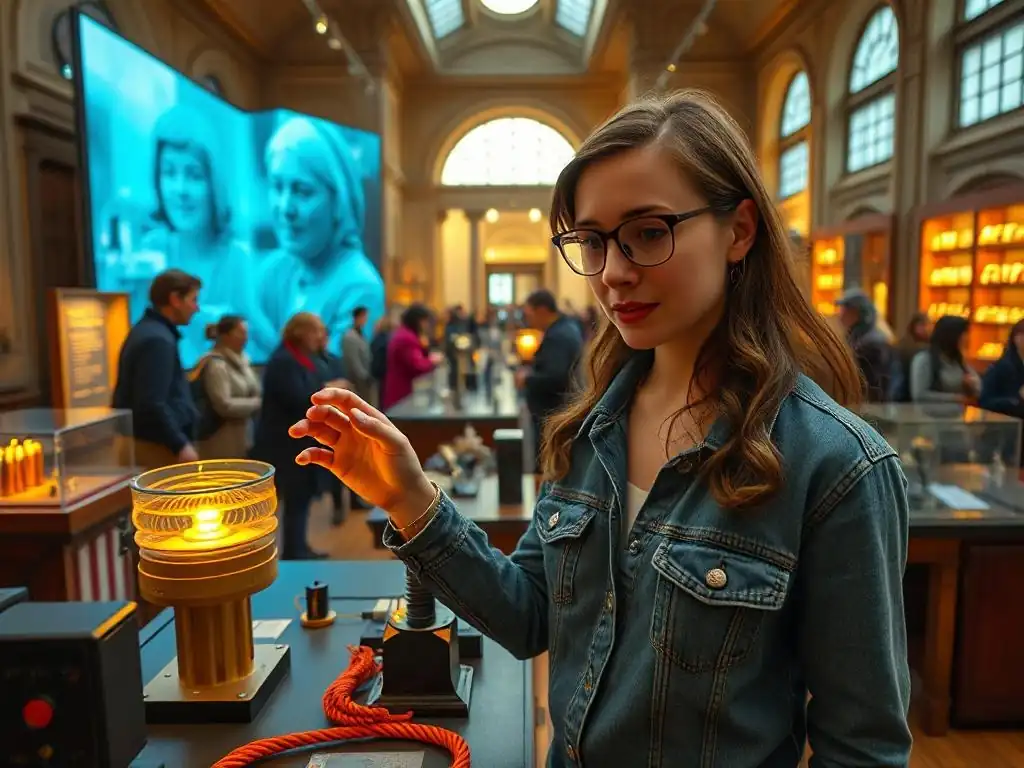
Welcome to WomenInScienceHistory.com, where we unearth the captivating stories of women who shaped the scientific landscape. Did you know that museums around the world are now dedicated to celebrating these remarkable figures? This week, we're embarking on a virtual tour with " Your Global Itinerary: Must-Visit Museums Celebrating Women in Science." Prepare to be inspired as we explore institutions showcasing their groundbreaking achievements and the hurdles they overcame. Discover hidden gems and plan your next visit – the journey begins now!
- Discovering Museums Dedicated to Women in Science: A Global Guide
- Top Women in Science Museums Around the World: A Curated Itinerary
- Planning Your Visit: Tips for Exploring Women in Science Museums
-
Frequently Asked Questions
- What is the main focus of WomenInScienceHistory.com?
- Why is it important to visit museums dedicated to women in science?
- What kinds of exhibits might I find in a "Women in Science" museum?
- What challenges did women in science historically face?
- How can visiting these museums inspire future generations?
- Final Reflection: Honoring Her Legacy Through Museums
- Unveil the Untold Stories: Embark on Your Journey Now!
Discovering Museums Dedicated to Women in Science: A Global Guide
Exploring the Legacy: Why Visit Museums Highlighting Women in Science?
Visiting museums highlighting women in science offers an unparalleled opportunity to delve into the often-overlooked contributions of female pioneers who shaped our world. These institutions serve as vital repositories of history, preserving the narratives of brilliant minds who, despite societal barriers and systemic biases, pushed the boundaries of knowledge in fields ranging from physics to biology, engineering to medicine.
By exploring these dedicated spaces, visitors gain a deeper appreciation for the intellectual prowess and unwavering determination of women who often worked in the shadows, their achievements sometimes attributed to male colleagues or simply forgotten. These women in science museums are crucial for correcting historical oversights and providing a more complete and accurate picture of scientific progress.
Furthermore, these museums are powerful educational platforms, inspiring current and future generations, particularly young girls, to pursue careers in STEM (Science, Technology, Engineering, and Mathematics). They provide tangible examples of what is possible, showcasing role models who broke barriers and achieved extraordinary feats.
For instance, seeing the actual laboratory equipment used by a Nobel laureate or reading the personal notes of a groundbreaking mathematician can ignite a spark of curiosity and ambition. The immersive experience offered by these women in science museums not only educates about past achievements but also fosters an environment where innovation and inclusivity are celebrated, encouraging a diverse new wave of scientists to emerge.
Top Women in Science Museums Around the World: A Curated Itinerary
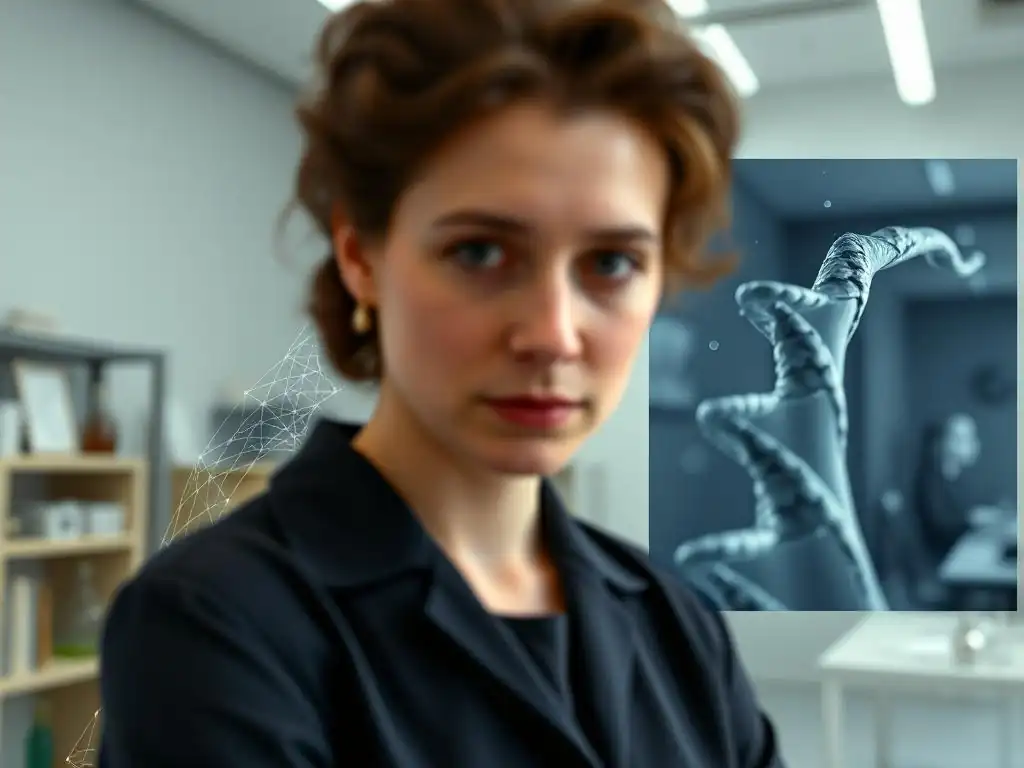
The Marie Curie Museum, Paris, France: A Pioneer's Home and Laboratory
Nestled in the heart of Paris, the Marie Curie Museum offers an intimate glimpse into the life and groundbreaking work of one of history's most celebrated scientists, Marie Skłodowska Curie. Located in the former laboratory she shared with her husband Pierre Curie, and later where she conducted her research after his death, this museum is a testament to her enduring legacy.
Visitors can explore her office, the chemistry laboratory where she isolated radium and polonium, and learn about her two Nobel Prizes – the 1903 Nobel Prize in Physics (shared with Pierre Curie and Henri Becquerel) and the 1911 Nobel Prize in Chemistry, making her the only person to win Nobel Prizes in two different scientific fields. The museum meticulously preserves her scientific instruments and personal effects, providing a tangible connection to her revolutionary discoveries in radioactivity.
The museum’s exhibits detail not only Marie Curie's scientific achievements but also the significant challenges she faced as a woman in a male-dominated scientific community at the turn of the 20th century. It highlights her perseverance, her dedication to science, and her profound impact on modern physics and chemistry.
The collection includes her personal library, scientific notebooks (some still radioactive and stored behind lead glass), and documents illustrating her commitment to applying her discoveries for medical purposes, particularly during World War I with her "petites Curies" mobile X-ray units. This historical site stands as a profound women in science museum, offering a unique window into the life of a true scientific pioneer.
The Science Museum, London, UK: Celebrating British Women in STEM
While not exclusively a women in science museum, the Science Museum in London dedicates significant sections and ongoing initiatives to celebrating the contributions of British women in STEM fields. Its vast collections span centuries of scientific and technological innovation, and within these, the stories of pioneering women are increasingly brought to the forefront.
For example, visitors can explore the legacy of Ada Lovelace, often credited as the world's first computer programmer, through exhibits on Babbage's Analytical Engine. The museum also highlights the crucial work of Rosalind Franklin in deciphering the structure of DNA, showcasing her contributions to molecular biology alongside the famous double helix model.
The museum regularly features special exhibitions and permanent displays that honor female scientists, engineers, and innovators, ensuring their narratives are integrated into the broader history of scientific advancement. Through interactive exhibits, historical artifacts, and detailed biographical information, the Science Museum educates visitors about the vital roles women played in everything from wartime code-breaking to space exploration. It serves as an important institution for recognizing the often-unsung heroes of British science and technology, making it a key destination for those interested in the broader impact of women in science.
Deutsches Museum, Munich, Germany: Tracing the Footsteps of Pioneering German Women Scientists
The Deutsches Museum in Munich, one of the world's oldest and largest science and technology museums, has a vast array of exhibits that implicitly and explicitly showcase the contributions of German women scientists. While it does not have a dedicated "women in science" wing, the museum's comprehensive displays across various disciplines—from chemistry and physics to aerospace and engineering—often feature the scientific advancements made possible by pioneering women.
For instance, the story of Lise Meitner, a physicist who played a pivotal role in the discovery of nuclear fission, is often woven into the exhibits on atomic energy and quantum mechanics, highlighting her groundbreaking theoretical work that explained the process.
Beyond individual figures, the museum's extensive archives and thematic displays can illuminate the environments and challenges faced by women pursuing scientific careers in Germany throughout history. It provides context for understanding how figures like Emmy Noether, a brilliant mathematician whose work revolutionized abstract algebra, navigated academic institutions. The museum's commitment to historical accuracy and comprehensive scientific representation means that the achievements of these influential women in science are presented within the broader narrative of scientific discovery, offering visitors a deeper understanding of their critical impact on various fields.
North America's Tribute: Museums Honoring Women's Scientific Achievements
The Smithsonian National Air and Space Museum, Washington D.C., USA: Recognizing Women in Aerospace
The Smithsonian National Air and Space Museum in Washington D.C. stands as a powerful tribute to human ingenuity in flight and space exploration, prominently featuring the contributions of women who broke barriers in these fields. Visitors can explore exhibits that celebrate the achievements of trailblazers like Sally Ride, the first American woman in space, whose personal effects and mission artifacts are often on display.
The museum also highlights the indispensable work of the "human computers" at NASA, such as Katherine Johnson, Dorothy Vaughan, and Mary Jackson, whose complex calculations were vital to the success of early space missions, including Project Mercury and the Apollo program.
Through interactive displays, iconic aircraft, and space capsules, the museum vividly narrates the stories of these pioneering women. From early aviators like Amelia Earhart to contemporary astronauts and engineers, the museum underscores their critical roles in advancing aerospace technology and exploration. It serves as an inspiring women in science museum within a larger context, demonstrating how female scientists and engineers have been integral to some of humanity's most ambitious endeavors, changing the face of aerospace and inspiring countless individuals to look to the stars.
The Museum of Science and Industry, Chicago, USA: Celebrating Women Innovators
The Museum of Science and Industry (MSI) in Chicago, renowned for its extensive and interactive exhibits on technological innovation and scientific principles, consistently highlights the inventive spirit of women. While not exclusively a women in science museum, MSI frequently features the contributions of female innovators and engineers across its diverse collections. For example, exhibits related to computer science often acknowledge the foundational work of figures like Grace Hopper, a pioneering computer scientist and U.S. Navy rear admiral who developed the first compiler for a computer programming language and coined the term "debugging."
The museum's focus on showcasing the processes of discovery and invention naturally incorporates the impact of women in various industries, from agriculture to communication. Through hands-on experiences and detailed historical accounts, MSI ensures that the stories of women who contributed significantly to scientific and industrial progress are accessible and engaging. It serves as a vital educational institution, demonstrating how diverse perspectives, including those of countless women in science, have driven innovation and shaped the technological landscape we experience today.
Beyond the West: Exploring Women in Science Museums in Asia and Africa
National Museum of Nature and Science, Tokyo, Japan: Showcasing Japanese Women Scientists
The National Museum of Nature and Science in Tokyo, a leading institution for natural history and scientific research in Japan, showcases the advancements made by Japanese scientists, including significant contributions from women. While not solely a women in science museum, its comprehensive exhibits across various scientific disciplines often integrate the work of pioneering Japanese female researchers.
For instance, visitors exploring exhibits on chemistry might learn about Chika Kuroda, a groundbreaking organic chemist from the early 20th century who was the first Japanese woman to receive a Bachelor of Science degree and made significant contributions to the study of natural dyes.
Similarly, the museum's sections on physics or nuclear research can provide context for the work of Toshiko Yuasa, a nuclear physicist who conducted crucial research in France during and after World War II, playing a key role in the development of beta-ray spectroscopy. By presenting the broader scientific context in which these women operated, the museum implicitly and explicitly highlights their impact on Japanese and global scientific progress. It stands as an important venue for recognizing the often-overlooked achievements of women in science in Asia, inspiring new generations through their example.
Sci-Bono Discovery Centre, Johannesburg, South Africa: Inspiring Future Generations of African Women in STEM
The Sci-Bono Discovery Centre in Johannesburg, South Africa, is a vibrant and interactive science center focused on inspiring a love for science, technology, engineering, and mathematics, particularly among young people. While it is not a traditional historical museum dedicated to women scientists, Sci-Bono plays a crucial role in promoting STEM education for girls and often features contemporary African women scientists as role models through its programs and exhibits. It actively works to bridge the gender gap in STEM fields by showcasing the relevance and excitement of scientific careers.
The center's dynamic exhibitions and hands-on workshops are designed to encourage critical thinking and problem-solving, often incorporating examples of real-world scientific applications where women have excelled. Sci-Bono frequently hosts events that highlight successful African women in science, inviting them to share their experiences and achievements with students. This forward-looking approach positions Sci-Bono as a vital institution for fostering the next generation of female scientists on the African continent, making it an essential stop for understanding the future of women in science.
Planning Your Visit: Tips for Exploring Women in Science Museums
Maximizing Your Experience: Preparation and Resources
To truly maximize your experience when visiting women in science museums, thorough preparation is key. Before your trip, it is highly recommended to check the museum's official website for current opening hours, admission fees, and any special exhibitions that might be running. Many museums offer online ticketing, which can save time and ensure entry, especially during peak seasons.
Additionally, look for information on guided tours or audio guides that specifically highlight the contributions of women scientists, as these can provide deeper insights and context that might otherwise be missed. Accessibility information, such as wheelchair access or facilities for visitors with disabilities, should also be reviewed in advance to ensure a comfortable visit.
Furthermore, consider conducting some pre-visit research on the specific women scientists featured at the museum you plan to visit. Learning about their lives, their groundbreaking discoveries, and the challenges they overcame can significantly enrich your understanding and appreciation of the exhibits. Many women in science museums provide educational resources on their websites, including downloadable guides or background information on key figures. Planning your visit during off-peak hours, if possible, can also enhance your experience by allowing for more unhurried exploration and interaction with the exhibits, making your journey through the history of women in science more impactful.
Supporting the Cause: How to Contribute to Women in Science Museums
Supporting women in science museums extends beyond just purchasing an admission ticket; there are numerous ways to contribute to their vital mission of celebrating and preserving the legacy of female scientists. One of the most direct methods is through financial contributions, such as becoming a museum member or making a donation. These funds are crucial for maintaining exhibits, funding educational programs, conducting research, and acquiring new artifacts that further illuminate the stories of women in STEM. Purchasing items from the museum's gift shop also directly supports their operations, as proceeds often go towards their core activities.
Beyond financial support, advocating for these institutions is equally important. Share your positive experiences on social media, write reviews, and encourage friends and family to visit these invaluable women in science museums. Spreading awareness helps increase their visibility and ensures that more people learn about the incredible achievements of female scientists throughout history. For those with more time, volunteering can offer a hands-on way to contribute, assisting with educational programs, archival work, or visitor services, directly helping these museums continue their essential work of inspiring future generations.
Frequently Asked Questions
What is the main focus of WomenInScienceHistory.com?
The website primarily focuses on celebrating the contributions of women to various scientific fields throughout history and highlighting the challenges they faced due to gender bias. It aims to inspire future generations by showcasing their stories.
Why is it important to visit museums dedicated to women in science?
Visiting these museums helps to recognize and appreciate the often-overlooked accomplishments of women in science. They offer educational experiences and inspire future generations to pursue STEM fields.
What kinds of exhibits might I find in a "Women in Science" museum?
You can expect to see exhibits featuring biographies of pioneering female scientists, displays of their groundbreaking work, and information about the historical context in which they operated.
What challenges did women in science historically face?
Historically, women in science faced significant barriers including gender bias, lack of opportunities, and limited access to education and resources within male-dominated institutions.
How can visiting these museums inspire future generations?
By showcasing the achievements and resilience of female scientists, these museums provide powerful role models and demonstrate that women can excel and make significant contributions in STEM fields.
Final Reflection: Honoring Her Legacy Through Museums
The journey through these museums celebrating women in science reveals more than just historical facts; it underscores the enduring power of recognition and representation in shaping future generations. These institutions are not merely repositories of artifacts; they are vibrant spaces that actively challenge historical narratives and inspire a more inclusive understanding of scientific progress.
The impact of these museums extends far beyond their walls. They serve as crucial reminders of the often-overlooked contributions of women, fostering a sense of belonging and possibility for young girls and women considering STEM fields. Seeing oneself reflected in the achievements of others is a powerful catalyst for ambition and perseverance. You can't be what you can't see.
This quote, often attributed to Marian Wright Edelman, perfectly encapsulates the importance of these museums in providing visible role models and dismantling the myth of science as a male-dominated domain.
As we conclude this global itinerary, let us carry forward the spirit of these museums. Let us actively seek out and celebrate the contributions of women in science, both past and present. Consider how you can support these institutions, share their stories, and, most importantly, inspire the next generation of female scientists to break barriers and shape a brighter future for us all.
Unveil the Untold Stories: Embark on Your Journey Now!
Thank you for delving into the remarkable contributions of women in science! You've just uncovered a world of inspiration and discovery. Now, it's time to take that inspiration further.
- Plan your visit to one of the museums featured in this article. Immerse yourself in the physical exhibits and connect with these incredible stories firsthand.
- Share this article with friends, family, and educators to help amplify the voices of these pioneering women.
- Research local science museums or institutions in your area; you might find even more unsung heroes to celebrate!
Which woman in science's story resonated most with you, and how will you share her legacy?