
The Credibility Gap: How Gender Bias Questions Female Expertise in Science

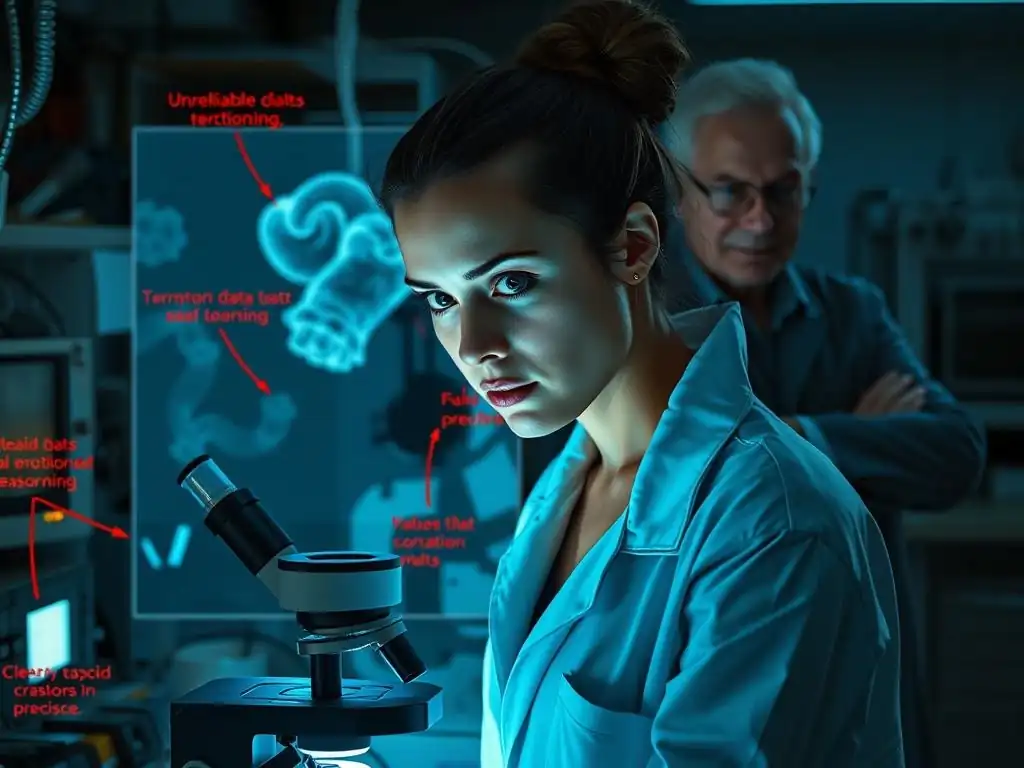
Welcome to WomenInScienceHistory.com, where we unearth the remarkable stories of women who shaped the scientific landscape. Today, we delve into a pressing issue: Why is female expertise in science still met with skepticism? Prepare to explore the subtle and not-so-subtle ways gender bias casts a shadow on the credibility of women in STEM, and discover what can be done to bridge this persistent gap. Intrigued? Read on to uncover the complex dynamics at play and the urgent need for change.
- Introduction: Unveiling Gender Bias in Science and Expertise
- The Roots of the Credibility Gap: Societal and Historical Context
- Manifestations of Gender Bias in Scientific Expertise
- Psychological Mechanisms Behind the Credibility Gap
- The Consequences of Undermining Female Expertise in Science
-
Counteracting Gender Bias: Strategies for Change
- Promoting Awareness of Implicit Bias in Scientific Communities
- Implementing Blind Review Processes in Grant Applications and Publications
- Supporting and Mentoring Female Scientists Throughout Their Careers
- Challenging Gender Stereotypes in Science Education
- Advocacy for Equal Representation of Women in Scientific Leadership Roles
- Case Studies: Examples of Gender Bias Affecting Female Scientists' Credibility
- The Future of Women in Science: Bridging the Credibility Gap
- Conclusion: Recognizing and Addressing Gender Bias is Crucial for Scientific Progress
-
Frequently Asked Questions
- How does Gender Bias affect perceptions of women's scientific expertise?
- What are some specific examples of Gender Bias hindering women's progress in science?
- Why is it important to address Gender Bias in science?
- How can we challenge and overcome Gender Bias to improve Gender bias science expertise?
- What role does WomenInScienceHistory.com play in combating Gender Bias in science?
- Final Reflection: Bridging the Expertise Divide
- Empower Women in Science: Amplify Their Voices!
Introduction: Unveiling Gender Bias in Science and Expertise
The Persistent Problem of Gender Bias in Scientific Fields
Gender bias in scientific fields remains a pervasive and insidious challenge, affecting women's careers from education to leadership. Despite significant strides in increasing the number of women entering STEM disciplines, systemic biases often impede their advancement, recognition, and overall impact. This persistent problem manifests in various forms, including unequal opportunities, microaggressions, and a fundamental questioning of their capabilities.
This deeply ingrained bias leads to a "credibility gap," where the scientific contributions and overall gender bias science expertise of women are scrutinized more harshly or are simply less valued than those of their male counterparts. This phenomenon not only undermines individual careers but also deprives the scientific community of diverse perspectives and potential breakthroughs, ultimately hindering progress.
Why Female Expertise in Science is Often Undervalued
The undervaluing of female expertise in science stems from a complex interplay of historical marginalization, societal stereotypes, and unconscious biases. Even when women achieve significant breakthroughs or demonstrate exceptional skill, their work may be subjected to greater skepticism, less recognition, or even misattribution. This subtle but powerful dismissal can erode confidence and limit opportunities.
This undervaluing often manifests in tangible ways, such as fewer citations for papers authored by women, lower success rates in grant applications, or a general tendency for their ideas to be attributed to male colleagues. The cumulative effect is that, despite their demonstrable scientific expertise, women frequently face an uphill battle to establish and maintain their credibility within the scientific community.
The Roots of the Credibility Gap: Societal and Historical Context
Historical Marginalization of Women Scientists
Historically, women were largely excluded from formal scientific institutions and education, relegated to roles that supported male scientists or pursuing their research in isolation. For centuries, prestigious academies and universities barred women from admission, effectively denying them access to critical resources, networks, and official recognition. This systemic exclusion meant that even groundbreaking work by women was often overlooked, uncredited, or attributed to male collaborators.
A poignant example of this historical marginalization is the "Matilda effect," where the achievements of women scientists are consistently overlooked or downplayed in favor of their male colleagues. Figures like Rosalind Franklin, whose critical X-ray diffraction image was instrumental in the discovery of DNA's structure but who was not awarded the Nobel Prize alongside Watson, Crick, and Wilkins, illustrate how deeply ingrained this pattern of overlooking female expertise in science has been throughout history.
Societal Stereotypes and Their Impact on Perceptions of Female Competence
Societal stereotypes about gender roles deeply influence perceptions of competence in scientific fields. Traditional views often associate "masculine" traits like rationality, assertiveness, and analytical thinking with scientific prowess, while "feminine" traits are linked to nurturing or emotional roles. This binary thinking creates a cognitive dissonance when women occupy positions of scientific expertise.
These stereotypes can lead to unconscious biases where women are perceived as less competent or less committed to their careers than men, regardless of their actual qualifications. For instance, in hiring or promotion decisions, a woman might be evaluated more on her perceived "fit" or "likability" than on her demonstrable gender bias science expertise, leading to fewer opportunities for advancement.
The "Think-Scientist-Think-Male" Bias: A Deeply Ingrained Association
The "think-scientist-think-male" bias is a deeply ingrained societal association where the archetypal image of a scientist is predominantly male. Studies, such as the "Draw-A-Scientist Test" conducted over decades, consistently show that children, and even adults, overwhelmingly depict scientists as men, often with specific stereotypical features like lab coats and glasses. This pervasive mental image begins early in life and is reinforced by media portrayals and historical narratives.
This unconscious association significantly contributes to the credibility gap for women in science. When the default image of an expert is male, it becomes harder for women to be seen as legitimate authorities in scientific fields. This bias can lead to women's ideas being dismissed, their contributions being less valued, and their gender bias science expertise being questioned simply because they do not fit the preconceived male archetype of a scientist.
Manifestations of Gender Bias in Scientific Expertise
Unequal Recognition and Awards for Women in Science
One of the most visible manifestations of gender bias is the stark disparity in prestigious scientific awards and recognition. Historically, women have been significantly underrepresented among recipients of major accolades, including the Nobel Prize in scientific categories, where less than 6% of laureates have been women since its inception. This profound imbalance suggests that groundbreaking female expertise in science is often overlooked or inadequately acknowledged.
This unequal recognition extends beyond the Nobel Prize to other national and international awards, prestigious fellowships, and invitations to keynote at major conferences. When women's contributions are consistently undervalued in this public and symbolic manner, it not only impacts their careers but also perpetuates the perception that gender bias science expertise is somehow less significant or less worthy of celebration.
The Underrepresentation of Women as Scientific Experts in Media
The media plays a crucial role in shaping public perception, and the underrepresentation of women as scientific experts in news, documentaries, and public discourse further exacerbates the credibility gap. Studies have consistently shown that women are quoted or featured as experts in science news articles and television segments far less frequently than men, often comprising only 20-30% of quoted sources.
This limited visibility means that the public is less exposed to female expertise in science, reinforcing the "think-scientist-think-male" stereotype and diminishing trust in women as authoritative voices. When women are rarely seen or heard as experts, it becomes harder for their gender bias science expertise to be recognized and accepted as legitimate and valuable by a broader audience.
The "mansplaining" phenomenon is a common experience for women in scientific discussions, where men explain a concept to a woman in a condescending or oversimplified way, often regarding a subject she is already an expert in. This behavior, whether intentional or unconscious, serves to diminish a woman's authority and scientific expertise in public or professional settings.
In scientific meetings, conferences, or even casual discussions, women frequently report being interrupted more often than men, having their ideas rephrased and credited to male colleagues, or being lectured on topics they have dedicated their careers to researching. These microaggressions erode a woman's standing and make it more challenging for her gender bias science expertise to be fully acknowledged and respected by her peers.
Difficulty Securing Funding and Research Opportunities: A Barrier to Demonstrating Expertise
A significant barrier for women demonstrating their scientific expertise is the documented difficulty in securing adequate funding and research opportunities. Research indicates that grant applications submitted by female principal investigators may receive lower scores or less funding compared to those submitted by men, even when controlling for factors like scientific merit, publication record, and institutional prestige. Some studies suggest women receive 10-15% less funding than men for similar proposals.
This disparity in funding directly impedes women's ability to conduct cutting-edge research, hire staff, access necessary equipment, and publish their findings, all of which are crucial for building a robust track record of gender bias science expertise. Without sufficient resources, even the most brilliant female scientists struggle to realize their full potential and gain the recognition they deserve, creating a systemic disadvantage in their career progression.
Psychological Mechanisms Behind the Credibility Gap

Implicit Bias and its Influence on Evaluating Scientific Work
Implicit bias refers to the unconscious attitudes or stereotypes that affect our understanding, actions, and decisions without our conscious awareness. In scientific contexts, these biases significantly influence how research proposals are reviewed, papers are peer-reviewed, and candidates are evaluated for hiring or promotion. For instance, studies have shown that identical CVs or research papers are rated lower when reviewers believe the candidate or author is female.
This unconscious inclination to undervalue female expertise in science means that even well-meaning individuals can unknowingly perpetuate the credibility gap. These biases lead to subtle but consistent disadvantages for women, as their gender bias science expertise is inadvertently subjected to a higher bar or more stringent evaluation than that of their male counterparts, simply due to ingrained stereotypes.
The "Competence vs. Likability" Trade-Off for Women
Women in science often face a challenging "competence vs. likability" trade-off, a double bind that significantly impacts how their scientific expertise is perceived. If a woman asserts her competence and leadership qualities, she may be perceived as less likable, "aggressive," or "abrasive." Conversely, if she emphasizes likability and collaboration, she might be seen as less competent or authoritative.
This trade-off creates a difficult navigation for women, as they are often judged by different standards than men. While men are typically rewarded for assertive behavior, women may be penalized, making it harder for them to gain influence and respect for their gender bias science expertise. This dynamic can limit their opportunities for leadership roles and professional advancement, as perceived likability can unconsciously outweigh demonstrated capability.
The Impact of Stereotype Threat on Female Performance in STEM
Stereotype threat is the psychological phenomenon where individuals feel at risk of conforming to negative stereotypes about their social group, leading to anxiety and impaired performance. For women in STEM, the pervasive stereotype that women are less capable in math and science can create significant pressure, particularly in high-stakes situations like exams, presentations, or job interviews.
This anxiety can lead to a measurable drop in performance, even among highly competent individuals, thereby inadvertently reinforcing the very stereotypes that caused the threat. The constant pressure to disprove negative stereotypes can divert cognitive resources, making it harder for women to fully demonstrate their gender bias science expertise and contribute effectively, perpetuating a cycle of underrepresentation and perceived lower ability.
The Consequences of Undermining Female Expertise in Science
Loss of Talent and Innovation in Scientific Fields
The persistent questioning and undervaluing of female expertise in science lead to a significant loss of talent and innovation across various scientific fields. When women face systemic barriers, lack of recognition, and a constant need to prove their credibility, many become discouraged and leave STEM careers prematurely, or choose not to enter them at all. This "leaky pipeline" results in a substantial drain on the pool of potential scientific leaders and innovators.
Moreover, a lack of diverse perspectives hinders the very process of scientific discovery. Different life experiences, problem-solving approaches, and research questions arise from diverse backgrounds. When female expertise in science is sidelined, society misses out on unique insights and creative solutions that are crucial for addressing complex global challenges, ultimately slowing down the pace of innovation and progress.
Reinforcing Gender Inequality in STEM Careers
The credibility gap directly reinforces gender inequality throughout STEM careers. When women's contributions are consistently undervalued, it becomes harder for them to secure promotions, achieve leadership positions, or receive equitable compensation. This disparity creates a self-perpetuating cycle where the lack of visible female expertise in science at higher echelons discourages younger women from pursuing ambitious career paths.
This systemic reinforcement of inequality impacts not only individual women but also the organizational culture of scientific institutions. It signals that certain biases are tolerated, making it more challenging to foster an inclusive environment where all talent is recognized and nurtured. The enduring presence of gender bias science expertise undermines efforts to create a truly meritocratic system in STEM.
Perpetuating the Cycle of Underrepresentation
The undervaluing of female expertise in science plays a critical role in perpetuating the cycle of underrepresentation across all levels of STEM. When there are fewer women in prominent roles, speaking engagements, or leadership positions, it limits the number of visible role models for aspiring female scientists. This lack of representation can lead to a sense of isolation and a feeling that science is not a welcoming environment for women.
Furthermore, underrepresentation in leadership means fewer advocates for gender equity in decision-making processes, from hiring to grant allocation. This cycle makes it harder to implement systemic changes that would address the root causes of the credibility gap, thus continuing to disadvantage female expertise in science and limiting the diversity of thought essential for scientific advancement.
Counteracting Gender Bias: Strategies for Change
Promoting Awareness of Implicit Bias in Scientific Communities
A crucial first step in counteracting gender bias science expertise is to promote widespread awareness of implicit bias within scientific communities. This involves implementing mandatory and recurring training programs for faculty, peer reviewers, hiring committees, and grant panelists. These sessions should educate participants on what implicit bias is, how it manifests in professional settings, and its detrimental impact on fair evaluation.
By making individuals conscious of their unconscious biases, institutions can empower them to actively recognize and mitigate these tendencies when evaluating candidates, proposals, or publications. This proactive approach helps to ensure that female expertise in science is judged on its merit, rather than being inadvertently undervalued due to ingrained stereotypes.
Implementing Blind Review Processes in Grant Applications and Publications
To mitigate gender bias science expertise in evaluation, implementing blind review processes for grant applications and scientific publications is highly effective. In a double-blind review, neither the reviewers nor the authors know each other's identities, which can significantly reduce the influence of unconscious biases related to gender, affiliation, or reputation. Some studies have shown that adopting such processes can lead to an increase in success rates for women.
By focusing solely on the quality and originality of the scientific work itself, blind review mechanisms directly address the questioning of female expertise in science. This method ensures that decisions are based purely on merit, fostering a more equitable playing field and providing a clearer path for innovative research to be recognized, regardless of the gender of the applicant or author.
Supporting and Mentoring Female Scientists Throughout Their Careers
Robust support and mentorship programs are vital for counteracting the credibility gap and fostering the growth of female expertise in science. These initiatives should provide women with experienced mentors who can offer guidance on navigating career challenges, building professional networks, and developing leadership skills. Sponsorship, where senior colleagues actively advocate for and promote junior female scientists, is equally crucial.
Such support systems help combat the isolation and skepticism often faced by women in male-dominated fields. By providing a strong network of allies and champions, these programs empower female scientists to overcome systemic barriers, build confidence, and ensure their gender bias science expertise is recognized and valued, ultimately improving retention and advancement rates.
Challenging Gender Stereotypes in Science Education
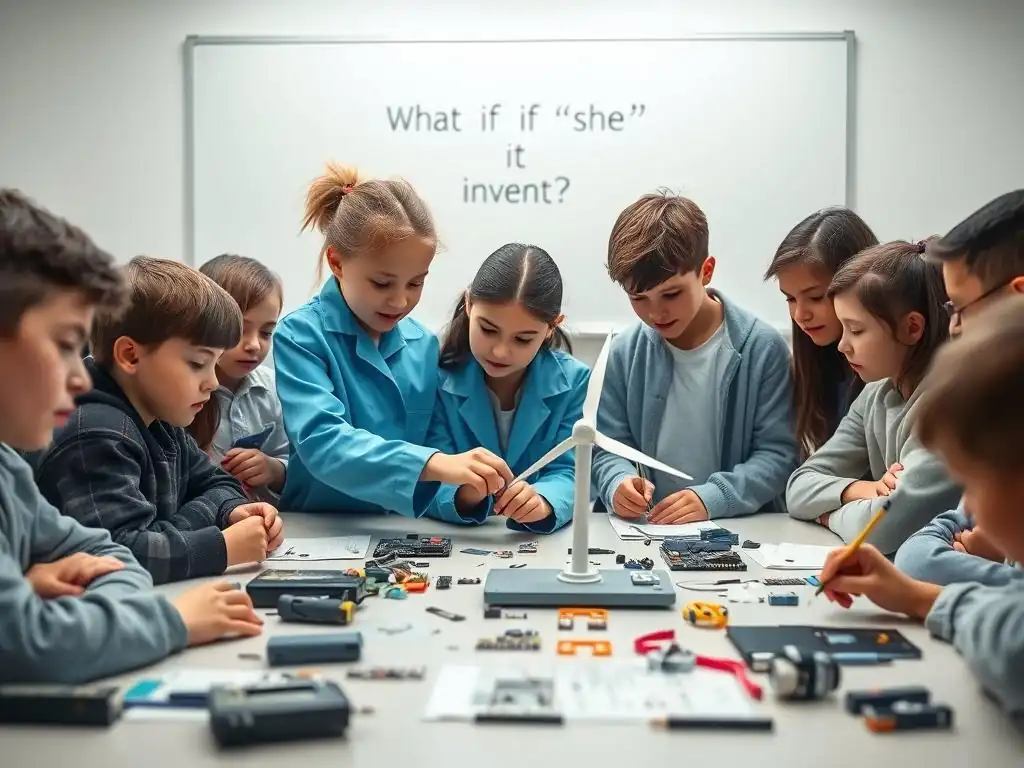
Challenging gender stereotypes from early science education is fundamental to fostering an environment where female expertise in science is naturally accepted. This involves revising curricula to include diverse role models, showcasing the contributions of women scientists throughout history, and ensuring that teaching materials and classroom interactions are free from gender biases. Educators should actively promote an inclusive image of who can be a scientist.
By presenting science as a field open to everyone, regardless of gender, and by highlighting the myriad ways women have contributed to scientific progress, we can reshape perceptions and inspire younger generations. This proactive approach helps dismantle the "think-scientist-think-male" bias, creating a foundation where female expertise in science is celebrated and seen as a natural part of the scientific landscape.
Advocacy for Equal Representation of Women in Scientific Leadership Roles
Active advocacy for equal representation of women in scientific leadership roles is essential to bridge the credibility gap. This means pushing for increased numbers of women on university boards, departmental chairs, editorial boards of prestigious journals, and national scientific committees. Quotas, targets, and transparent recruitment processes can help accelerate this change.
Having more women in leadership positions not only provides crucial role models but also ensures that diverse perspectives are integrated into decision-making processes, from resource allocation to strategic planning. Visible female expertise in science at the highest levels challenges ingrained biases and drives institutional change, creating a more equitable and inclusive environment for all scientists.
Case Studies: Examples of Gender Bias Affecting Female Scientists' Credibility
Rosalind Franklin's critical contribution to understanding the structure of DNA stands as a stark example of gender bias science expertise being overlooked. Her X-ray diffraction image, Photo 51, provided the crucial data that led James Watson and Francis Crick to deduce the double helix structure.
However, her data was shared with Watson and Crick without her explicit knowledge or permission, and her profound contribution was initially downplayed or omitted in their seminal paper. She was not awarded the Nobel Prize in Physiology or Medicine in 1962 alongside Watson, Crick, and Maurice Wilkins, despite her indispensable work, illustrating how a woman's scientific expertise can be marginalized.
Lise Meitner, an Austrian-Swedish physicist, was a pivotal figure in the discovery of nuclear fission. Collaborating with Otto Hahn for decades, she provided the theoretical explanation for the process, yet Hahn alone received the Nobel Prize in Chemistry in 1944 for the discovery. Meitner's exclusion from the award, despite her instrumental role and profound female expertise in science, remains one of the most controversial omissions in Nobel history, highlighting a clear instance of her credibility being undermined.
Jocelyn Bell Burnell, as a graduate student, discovered the first radio pulsars in 1967. Her groundbreaking observation was initially met with skepticism, and while her supervisor, Antony Hewish, shared the Nobel Prize in Physics in 1974 for the discovery of pulsars, she was famously excluded. This decision sparked widespread debate and criticism within the scientific community, serving as another prominent example where a woman's foundational gender bias science expertise was not adequately recognized at the highest level of scientific accolade.
Alice Augusta Ball, an African American chemist, developed the most effective injectable treatment for leprosy in the early 20th century, known as the "Ball Method." Tragically, she died at 24, and after her death, the president of the college where she worked, Dr. Arthur Dean, continued her research, publishing her findings under his own name without giving her credit. Her female expertise in science was nearly erased from history, only to be recognized decades later through the efforts of others.
The Future of Women in Science: Bridging the Credibility Gap
Creating a More Inclusive and Equitable Scientific Environment
The future of women in science hinges on creating a truly inclusive and equitable scientific environment, moving beyond mere numerical diversity to foster a culture of belonging. This involves actively dismantling systemic biases, promoting psychological safety, and ensuring that all voices are heard and valued. Institutions must implement policies that support work-life balance, provide clear pathways for promotion, and address instances of discrimination swiftly and transparently.
An inclusive environment is one where female expertise in science is not just tolerated but actively sought out, celebrated, and integrated into every aspect of scientific endeavor. By cultivating a culture that prioritizes fairness, respect, and mutual support, the scientific community can harness the full potential of all researchers, ensuring that contributions are recognized solely on their merit, irrespective of gender.
Recognizing and Valuing the Contributions of All Scientists, Regardless of Gender
Bridging the credibility gap requires a fundamental shift towards consistently recognizing and valuing the contributions of all scientists, regardless of gender. This means moving past historical biases and actively seeking out and celebrating the accomplishments of women in science, ensuring they receive equitable awards, citations, and opportunities for public recognition. It involves a conscious effort to challenge the "think-scientist-think-male" paradigm.
True scientific progress depends on harnessing the full spectrum of human talent and creativity. When the quality of ideas and the rigor of research are the sole determinants of perceived scientific expertise, rather than the gender of the individual, the entire scientific enterprise benefits. This commitment to meritocracy is essential for fostering an environment where female expertise in science can flourish unhindered.
Empowering the Next Generation of Female Scientific Leaders
Empowering the next generation of female scientific leaders is crucial for sustaining long-term change and permanently bridging the credibility gap. This involves investing in robust mentorship and sponsorship programs that connect aspiring female scientists with established leaders who can guide and champion their careers. It also means providing leadership development training, networking opportunities, and platforms for women to showcase their gender bias science expertise.
By cultivating a strong pipeline of female leaders, we ensure that women are not only present in scientific fields but also occupy positions of influence where they can drive institutional change, advocate for equity, and inspire future generations. Empowering these leaders will solidify a future where female expertise in science is the norm, not the exception, leading to a more innovative and equitable scientific landscape for all.
Conclusion: Recognizing and Addressing Gender Bias is Crucial for Scientific Progress
The Importance of Dismantling Barriers to Female Expertise in Science
The pervasive credibility gap, fueled by gender bias science expertise, represents a significant impediment to both individual careers and collective scientific advancement. The systemic undervaluing, overlooking, and questioning of female expertise in science not only causes personal frustration and career stagnation for countless talented women but also deprives the world of diverse perspectives and potentially transformative discoveries. Dismantling these deeply ingrained barriers is not merely an act of fairness; it is an imperative for maximizing human potential and accelerating the pace of scientific innovation.
By actively addressing implicit biases, reforming evaluation processes, and challenging societal stereotypes, we can create an environment where merit is the sole determinant of recognition. This ensures that every brilliant mind, regardless of gender, has the opportunity to contribute fully and receive the credit due for their scientific expertise.
A Call to Action for a More Equitable and Inclusive Scientific Future
The journey towards a truly equitable and inclusive scientific future requires concerted action from individuals, institutions, and policymakers alike. It is a call to actively promote awareness of gender bias science expertise, implement transparent and fair evaluation mechanisms, and foster supportive environments where women can thrive without constantly battling skepticism. We must champion the visibility of female expertise in science in all public and professional spheres.
By committing to these changes, the scientific community can transcend historical limitations and unlock the full potential of all its members. The future of scientific progress depends on embracing a culture where the contributions of women are unequivocally acknowledged, celebrated, and integrated, paving the way for a more dynamic, innovative, and just scientific world.
Frequently Asked Questions
How does Gender Bias affect perceptions of women's scientific expertise?
Gender bias leads to systematic undervaluing of women's contributions and accomplishments in science. This bias manifests as lower credibility attributed to women compared to men with equivalent qualifications. It creates a credibility gap where women must constantly prove their competence.
What are some specific examples of Gender Bias hindering women's progress in science?
Examples include women being overlooked for promotions, receiving less credit for their research, and facing hostile work environments. They may also be excluded from informal networks crucial for career advancement in science.
Why is it important to address Gender Bias in science?
Addressing Gender Bias is crucial for creating a more equitable and inclusive scientific community. It allows for the full utilization of talent, leading to more innovative and impactful research. Ignoring it perpetuates inequality and hinders scientific progress.
How can we challenge and overcome Gender Bias to improve Gender bias science expertise?
We can challenge bias through awareness training, promoting inclusive hiring practices, and actively amplifying the voices of women in science. Encouraging mentorship and sponsorship programs can also help.
What role does WomenInScienceHistory.com play in combating Gender Bias in science?
WomenInScienceHistory.com highlights the achievements of female scientists throughout history, challenging the narrative that science is a male-dominated field. By showcasing their contributions, it inspires future generations and promotes Gender bias science expertise.
Final Reflection: Bridging the Expertise Divide
The evidence presented throughout this article underscores a persistent and deeply troubling reality: gender bias continues to undermine the perceived credibility of female scientists. This isn't merely an academic debate; it's a societal impediment that stifles innovation, limits diverse perspectives, and ultimately hinders scientific progress. The consequences of this credibility gap resonate far beyond the laboratory, impacting policy decisions, public understanding of science, and the aspirations of future generations of female scientists.
This ingrained bias has not only shaped the historical narrative of scientific discovery but also continues to influence the opportunities and recognition afforded to women in science today. It's a personal affront to witness brilliant minds discounted simply because of their gender, and it underscores the urgent need for systemic change. Science knows no country, because knowledge belongs to humanity, and is the torch which illuminates the world.
- Louis Pasteur. This quote reminds us that true scientific advancement demands the inclusion and validation of all voices, regardless of gender.
As you reflect on the information presented here, consider the subtle ways in which gender bias might be influencing your own perceptions and actions. Are you actively seeking out and amplifying the voices of female scientists? Are you challenging stereotypes and advocating for equitable opportunities in your own sphere of influence? The future of science depends on our collective commitment to dismantling these biases and creating a truly inclusive and equitable environment where expertise is valued above all else.
Empower Women in Science: Amplify Their Voices!
Thank you for diving into the crucial issue of gender bias in science. We hope this article has shed light on the challenges faced by female experts and sparked a deeper understanding of the systemic barriers they encounter. Now, let's turn awareness into action.
Here's how you can contribute to a more equitable scientific community:
- Actively seek out and promote the work of female scientists – Share their research, cite their papers, and amplify their voices in your own network.
- Challenge gender stereotypes in science. When you encounter biased language or assumptions, speak up and advocate for inclusive representation.
- Encourage young girls to pursue their passions in STEM. Support educational programs and mentorship opportunities that empower the next generation of female scientists.
What concrete step will you take today to help bridge the credibility gap for women in science?