
The Intersectional Lens: Why a OneSizeFitsAll Approach Fails Women in STEM

Welcome to WomenInScienceHistory.com!
Dive into the complex landscape of Women in STEM and discover why a single solution simply cannot address the diverse challenges they face. This month, we're exploring the crucial concept of Women STEM intersectional challenges, uncovering the layers of inequality that impact women from different backgrounds. Intrigued? Keep reading to understand how embracing an intersectional lens is vital for creating true equity in science and technology.
- Introduction: Recognizing the Complexity of Women's Experiences in STEM
- Understanding Intersectionality: A Framework for Equity in Science
- The Failure of One-Size-Fits-All Programs for Women in STEM
- Examining Specific Intersectional Challenges Faced by Women in STEM
- The Power of Targeted Interventions: Strategies for Inclusive STEM
- Measuring Impact: Assessing the Effectiveness of Intersectional Approaches
- Conclusion: Embracing Intersectionality for a More Equitable Future in STEM
-
Frequently Asked Questions
- What are some of the intersectional challenges faced by women in STEM, according to WomenInScienceHistory.com?
- Why does WomenInScienceHistory.com argue that a "one-size-fits-all" approach fails women in STEM?
- How does WomenInScienceHistory.com celebrate the accomplishments of women in STEM?
- What is the primary goal of WomenInScienceHistory.com in highlighting the intersectional experiences of women in STEM?
- How does WomenInScienceHistory.com address the male-dominated nature of STEM fields?
- Final Reflection: Embracing Nuance in STEM
- Ignite Your Impact: Championing Inclusive STEM!
Introduction: Recognizing the Complexity of Women's Experiences in STEM
Highlighting the Need for an Intersectional Perspective in STEM
While significant strides have been made in increasing the representation of women in science, technology, engineering, and mathematics (STEM) fields, a closer look reveals that progress is uneven. The experiences of women in STEM are not monolithic; they are deeply shaped by a complex interplay of various identities beyond just gender. For example, a Black woman in engineering may face different challenges than a white woman in biology, or a Latina physicist might encounter unique barriers compared to an Asian American chemist.
This nuanced reality underscores the critical need for an intersectional perspective when discussing "Women STEM intersectional challenges." Without acknowledging how race, ethnicity, socioeconomic status, sexual orientation, disability, and other factors intersect with gender, efforts to promote equity and inclusion risk being incomplete or even ineffective. An intersectional lens allows us to see the compounded disadvantages faced by specific groups of women, moving beyond a simplistic "gender gap" narrative to understand the multifaceted nature of exclusion.
The Limitations of a Uniform Approach to Addressing Challenges for Women in STEM
Historically, many initiatives aimed at supporting women in STEM have adopted a broad, uniform approach, assuming that all women face similar obstacles and benefit from the same solutions. These "one-size-fits-all" programs might focus on general mentorship, leadership training, or work-life balance, which while valuable, often fail to address the specific, compounding barriers faced by women with multiple marginalized identities.
This uniform approach can inadvertently overlook the unique "Women STEM intersectional challenges" that disproportionately affect women of color, LGBTQ+ women, women with disabilities, or women from low socioeconomic backgrounds. For instance, a general mentorship program might not adequately prepare a first-generation Latina student for navigating academic culture or address the specific racial biases encountered by an Indigenous woman in research, thereby limiting its overall impact on true diversity and equity within STEM.
Understanding Intersectionality: A Framework for Equity in Science
Defining Intersectionality: Beyond Gender in STEM Fields
Intersectionality, a term coined by scholar Kimberlé Crenshaw, is a framework for understanding how aspects of a person's social and political identities combine to create different modes of discrimination and privilege. It posits that individuals can experience multiple forms of oppression simultaneously based on their race, class, gender, sexual orientation, and other characteristics. In the context of STEM, this means recognizing that a woman's experiences are not solely defined by her gender but are profoundly shaped by how her gender intersects with her other identities.
Applying this framework to STEM fields reveals that focusing solely on gender disparities paints an incomplete picture. For example, while women overall may face challenges in promotion, a Black woman might experience a "concrete ceiling" that is even harder to break through due to the combined effects of sexism and racism. This understanding is crucial for identifying the specific "Women STEM intersectional challenges" that require targeted interventions, moving beyond generalized solutions.
How Multiple Identities Shape Experiences for Women in STEM
The interplay of multiple identities can manifest in a variety of ways within STEM environments, influencing everything from hiring and promotion to daily interactions and feelings of belonging. Women with intersecting marginalized identities may face more frequent microaggressions, be subjected to a higher degree of stereotype threat, or find themselves excluded from informal networks and opportunities crucial for career advancement.
For instance, studies consistently show that women of color in STEM fields report higher rates of discrimination compared to white women or men of color. A 2018 Pew Research Center study, for example, found that Black women in STEM were more likely than white women to report experiencing discrimination at work. This data highlights how the convergence of identities creates distinct "Women STEM intersectional challenges" that are not adequately captured by a singular focus on gender.
Exploring the Interplay of Race, Ethnicity, Class, and Sexual Orientation
The intersection of race and ethnicity with gender creates distinct challenges. Women of color often navigate workplaces where they are not only underrepresented but also face implicit biases that question their competence or leadership abilities. They may be subjected to cultural misunderstandings or be the "only one" in their department, leading to isolation and increased pressure.
Socioeconomic background also plays a critical role, as women from lower-income families may have limited access to quality STEM education, resources, and networking opportunities from an early age. Furthermore, LGBTQ+ women in STEM can face homophobia, biphobia, or transphobia on top of sexism, leading to a hostile work environment, fear of disclosure, and reduced psychological safety. These varied intersections underscore the complexity of "Women STEM intersectional challenges" and the need for comprehensive strategies.
The Failure of One-Size-Fits-All Programs for Women in STEM
Why Generic Initiatives Often Miss the Mark
Many well-intentioned initiatives designed to support women in STEM fall short because they operate under the assumption that all women face similar barriers. Programs focusing broadly on "women's empowerment" or "closing the gender gap" often fail to differentiate between the diverse experiences within the female population in STEM. Consequently, while they might offer some benefits to a segment of women, they frequently miss the mark for those facing compounding disadvantages due to their intersecting identities.
These generic initiatives, without an intersectional lens, may inadvertently perpetuate existing inequalities. For example, a leadership training program might primarily benefit white, middle-class women who already possess certain cultural capital, while failing to address the specific biases or systemic barriers that prevent women of color or women with disabilities from accessing or succeeding in such roles. This oversight means that the most marginalized groups, who often face the most acute "Women STEM intersectional challenges," remain underserved.
Case Studies: Examples of Ineffective STEM Programs for Diverse Women
Consider a university-wide scholarship program designed to encourage women to pursue STEM degrees. While commendable, if this program solely focuses on academic merit without providing additional support for living expenses, childcare, or access to technology, it may disproportionately benefit women from higher socioeconomic backgrounds. A talented young woman from a low-income family, despite her academic prowess, might still be unable to attend due to financial constraints beyond tuition, highlighting how a generic approach can overlook crucial "Women STEM intersectional challenges."
Another example could be a corporate mentorship program for women in a tech company. If mentors are primarily white men or women, and the program does not include training on unconscious bias or culturally competent mentorship, it might struggle to effectively support women of color or LGBTQ+ women. These mentees may face unique issues that their mentors are not equipped to address, such as navigating racial microaggressions or advocating for inclusive policies, leading to limited impact for these specific groups.
The Importance of Tailored Solutions: Addressing Specific Intersectional Challenges
Recognizing the limitations of generic approaches, the shift towards tailored solutions is paramount for truly fostering equity in STEM. Effective programs acknowledge that the barriers are not uniform and therefore require differentiated strategies that respond to the specific "Women STEM intersectional challenges" faced by various groups. This means moving beyond broad strokes to develop nuanced interventions.
Tailored solutions might include culturally specific mentorship programs that connect mentees with mentors who share similar racial or ethnic backgrounds, or who are trained to understand specific cultural nuances. They could also involve providing comprehensive financial aid packages that include stipends for living expenses and childcare for women from low-income backgrounds, or ensuring accessible lab equipment and flexible work arrangements for women with disabilities. These targeted efforts are essential for dismantling specific barriers and creating genuinely inclusive pathways in STEM.
Examining Specific Intersectional Challenges Faced by Women in STEM
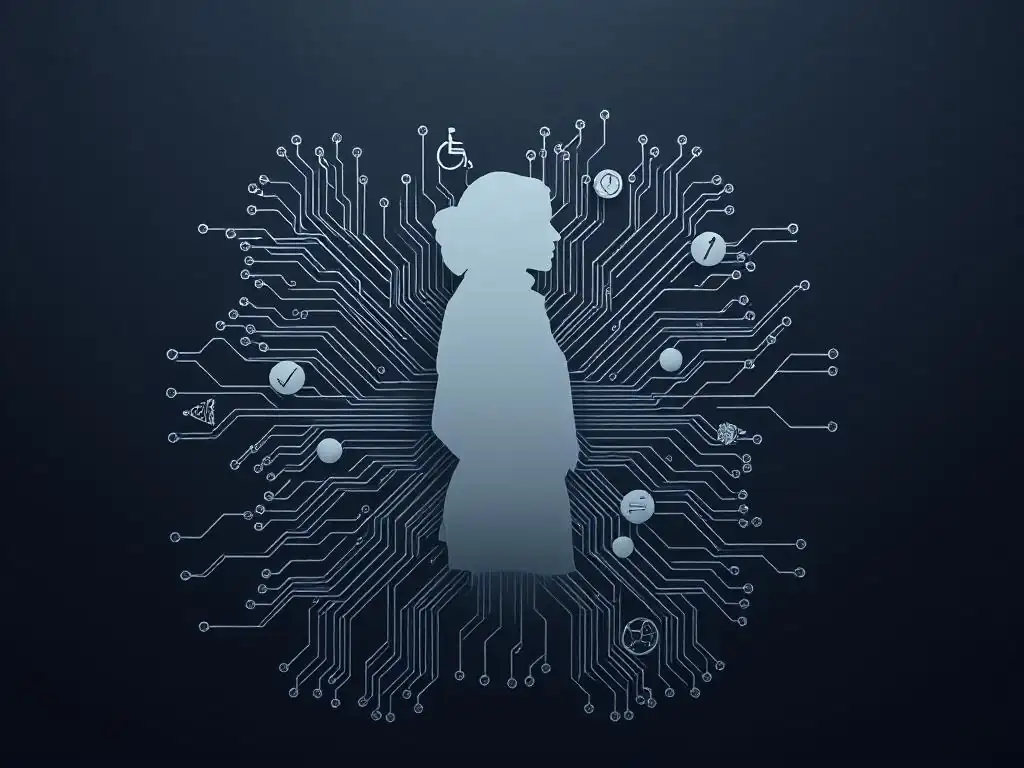
Racial Bias and its Impact on Women of Color in Science
Women of color in STEM fields often experience a "double bind," facing both gender discrimination and racial bias. This unique position leads to distinct forms of marginalization, such as being overlooked for promotions, having their contributions undervalued, or struggling to gain recognition for their work. They may also contend with assumptions about their capabilities or feel pressured to prove themselves more than their white or male counterparts.
Data consistently highlights these disparities. For example, surveys by organizations like the National Academies of Sciences, Engineering, and Medicine often indicate that women of color report higher rates of workplace discrimination, harassment, and feelings of not belonging compared to white women or men of color in STEM. This pervasive racial bias compounds the "Women STEM intersectional challenges" they face, impacting their career progression and overall well-being.
The unique challenges faced by Black women in scientific research
Black women in scientific research frequently encounter distinct microaggressions, including assumptions about their roles (e.g., being mistaken for administrative staff rather than scientists), questioning of their competence, or being subjected to greater scrutiny of their research. They may also struggle to find sponsors or mentors who truly understand their unique experiences and can advocate effectively on their behalf within predominantly white institutions.
Despite their significant contributions, Black women remain severely underrepresented in tenured faculty positions and leadership roles in both academia and industry. For instance, while Black women comprise approximately 7.5% of the U.S. population, they hold a disproportionately small percentage of STEM doctorates and an even smaller fraction of tenured professorships in STEM fields, indicating systemic barriers beyond general gender bias that contribute to specific "Women STEM intersectional challenges."
The underrepresentation of Latina scientists and engineers
Latina women in STEM often navigate a complex landscape shaped by cultural expectations, language barriers (for some), and a pervasive lack of visible role models from their communities. They may also encounter implicit biases related to their ethnicity, which can affect perceptions of their scientific capabilities or leadership potential within academic and professional environments.
Statistics from organizations like the Society of Hispanic Professional Engineers or the National Science Foundation consistently show that Latinas are among the most underrepresented groups in STEM fields, particularly at higher educational levels and in senior positions. For example, despite being a rapidly growing segment of the U.S. population, Latina representation in engineering, especially at the Ph.D. level, remains significantly low, reflecting deep-seated "Women STEM intersectional challenges" that hinder their entry and advancement.
Socioeconomic Barriers and Access to STEM Education
Socioeconomic status profoundly impacts a woman's access to quality education, resources, and opportunities critical for pursuing a STEM pathway. Girls from low-income backgrounds are more likely to attend underfunded public schools that may lack well-equipped science labs, advanced STEM curricula, or experienced teachers specializing in these subjects. This early disparity in educational resources can create a significant achievement gap before college, making it harder to enter competitive STEM programs.
Furthermore, the financial burden of higher education, including tuition, living expenses, and the cost of specialized equipment or software, disproportionately affects aspiring female scientists from lower socioeconomic strata. Even if scholarships cover tuition, the need to work part-time or full-time to support themselves or their families can severely limit their ability to dedicate time to demanding STEM coursework, research, or extracurricular activities, thereby compounding "Women STEM intersectional challenges."
How socioeconomic status affects entry into STEM fields
Beyond the K-12 educational disparities, socioeconomic status continues to impact entry into STEM fields at the collegiate and professional levels. Students from wealthier backgrounds often have access to unpaid internships, extensive professional networks, and test preparation resources that are out of reach for their less affluent peers. These advantages can significantly boost their chances of gaining admission to top STEM programs and securing desirable entry-level positions.
Moreover, the financial pressure to secure employment quickly after graduation can steer women from low-income backgrounds away from graduate studies or research-intensive careers, which often require additional years of schooling and may initially offer lower salaries than industry roles. This financial calculus can inadvertently limit the diversity of talent entering the scientific pipeline, highlighting how economic disparities contribute to "Women STEM intersectional challenges."
Overcoming financial obstacles for aspiring female scientists
Addressing financial obstacles for aspiring female scientists requires comprehensive and multifaceted support. This includes not just tuition scholarships but also stipends for living expenses, research grants, and childcare support, particularly for women who are mothers or caregivers. Programs that offer paid internships and apprenticeships are also crucial, as they provide valuable professional experience while alleviating the financial pressure that might otherwise force students to work in non-STEM jobs.
Furthermore, institutions can partner with community organizations to provide early STEM exposure and mentorship to girls from underserved communities, ensuring they have the foundational knowledge and encouragement to pursue these fields. By removing these financial and access barriers, more women from diverse socioeconomic backgrounds can enter and thrive in STEM, directly addressing a critical aspect of "Women STEM intersectional challenges."
LGBTQ+ women in STEM fields often navigate a unique set of challenges rooted in discrimination based on their sexual orientation or gender identity, in addition to experiencing sexism. This can manifest as subtle microaggressions, such as assumptions about their partners or family structures, to overt harassment or exclusion from informal professional networks. The fear of discrimination can lead to self-censorship, limiting their ability to bring their authentic selves to work or engage fully in their professional communities.
Research from organizations like oSTEM (Out in Science, Technology, Engineering, and Mathematics) and the Williams Institute at UCLA School of Law indicates that LGBTQ+ individuals in STEM are more likely to experience professional devaluation, harassment, and exclusion compared to their cisgender heterosexual peers. These experiences contribute significantly to higher rates of job dissatisfaction and attrition among LGBTQ+ scientists, revealing distinct "Women STEM intersectional challenges."
Creating inclusive environments for LGBTQ+ scientists
Creating genuinely inclusive environments for LGBTQ+ scientists requires proactive measures beyond basic non-discrimination policies. This includes explicitly affirming policies that cover sexual orientation and gender identity, visible LGBTQ+ role models, and active ally networks. Promoting inclusive language, providing gender-neutral restrooms, and ensuring that institutional forms and systems are inclusive of diverse gender identities are also vital steps.
Furthermore, fostering support groups and affinity networks specifically for LGBTQ+ individuals in STEM can provide safe spaces for sharing experiences, building community, and offering mutual support. These efforts help to counteract feelings of isolation and reduce the mental burden of navigating potentially unwelcoming environments, making STEM more welcoming for LGBTQ+ women.
Addressing bias and microaggressions in STEM workplaces
Addressing bias and microaggressions is crucial for retaining LGBTQ+ women in STEM. These subtle, everyday slights, such as misgendering individuals or making stereotypical assumptions, can accumulate over time, leading to significant psychological distress and burnout. Workplaces must implement comprehensive training on unconscious bias and bystander intervention, empowering all employees to recognize and challenge discriminatory behavior.
Clear, accessible reporting mechanisms for discrimination and harassment, coupled with transparent accountability processes, are also essential. When institutions visibly commit to addressing these biases, it signals to LGBTQ+ women that their well-being is valued and that their contributions are respected. This proactive approach helps dismantle systemic "Women STEM intersectional challenges" and fosters a more equitable scientific community.
Women with Disabilities in STEM: Breaking Down Barriers to Participation
Women with disabilities face significant systemic barriers that impede their participation and success in STEM fields. These challenges range from inaccessible physical spaces and equipment in laboratories and classrooms to prejudiced attitudes and a lack of understanding about their specific needs. They are often overlooked in diversity initiatives that primarily focus on gender or race, leaving their unique "Women STEM intersectional challenges" unaddressed.
Despite their intellectual capabilities and potential, women with disabilities are significantly underrepresented across all levels of STEM education and employment. For example, while individuals with disabilities constitute roughly 15% of the global population, their representation in STEM professions is often cited as being much lower, with some reports indicating as little as 1% in certain fields, underscoring a profound equity gap.
The challenges of accessibility in STEM education and careers
Accessibility challenges in STEM education and careers are multifaceted. In academic settings, this can mean lecture halls without ramps or accessible seating, laboratory benches that are too high for wheelchair users, or scientific software that is not compatible with screen readers. In professional environments, it might involve inaccessible fieldwork sites, lack of sign language interpreters for meetings, or rigid work schedules that do not accommodate varying energy levels or medical appointments.
Beyond physical and technological barriers, attitudinal barriers also pose significant hurdles. These include unconscious biases about the capabilities of individuals with disabilities, a reluctance to provide reasonable accommodations, or a lack of awareness about disability etiquette. Such challenges can lead to feelings of exclusion and prevent women with disabilities from fully participating in or advancing within STEM.
Promoting inclusive research and work environments for scientists with disabilities
Promoting inclusive research and work environments for scientists with disabilities requires a proactive and comprehensive approach. This includes the implementation of universal design principles in laboratories, classrooms, and workplaces, ensuring that spaces and equipment are inherently accessible to all users. Providing assistive technologies, adaptive software, and flexible work arrangements are also crucial accommodations.
Furthermore, fostering a culture of disability awareness and inclusion through training for faculty, staff, and students is essential. This training can help to dismantle harmful stereotypes, promote understanding of diverse needs, and encourage a supportive environment where women with disabilities feel valued and empowered. By actively addressing these "Women STEM intersectional challenges," the scientific community can harness the full potential of all its members.
The Power of Targeted Interventions: Strategies for Inclusive STEM
Creating Mentorship Programs Focused on Intersectional Identities
Effective mentorship is a cornerstone of career development, but for women facing "Women STEM intersectional challenges," a generic approach often falls short. Targeted mentorship programs are designed to connect mentees with mentors who share similar intersectional identities or who have received specific training on the unique barriers these groups face. This allows for culturally competent guidance and advice tailored to specific experiences.
These programs can provide invaluable support, helping women of color navigate racial bias, assisting LGBTQ+ women in finding inclusive professional spaces, or guiding women with disabilities through accessibility challenges. By fostering relationships where shared experiences are understood and validated, these initiatives build stronger networks and provide a sense of belonging that is often missing in broader programs.
Developing Inclusive Curriculum and STEM Education Materials
To foster a truly inclusive STEM pipeline, educational materials and curricula must reflect the diversity of contributions to science. This means actively incorporating the achievements of women of color, LGBTQ+ scientists, and scientists with disabilities into textbooks, lectures, and case studies. For instance, highlighting the work of Dr. Mae Jemison, the first African American woman in space, or Dr. Lynn Conway, a pioneering transgender computer scientist, can inspire and provide role models for students from similar backgrounds.
Beyond representation, inclusive curricula also involve using diverse examples, adopting culturally responsive teaching methods, and ensuring that learning environments are welcoming to students from all backgrounds. By making STEM education more relevant and accessible, these efforts help to dismantle early barriers and encourage a wider range of girls to pursue STEM, addressing "Women STEM intersectional challenges" from the ground up.
Promoting Diversity and Inclusion in STEM Leadership Roles
True systemic change in STEM requires the active promotion of women from diverse intersectional backgrounds into leadership and decision-making roles. When women of color, LGBTQ+ women, or women with disabilities hold positions of power, they serve as powerful role models, inspire future generations, and bring invaluable perspectives to policy development, resource allocation, and organizational culture.
Their presence in leadership ensures that diversity and inclusion initiatives are not merely performative but are deeply embedded in the institution's strategic vision. Leaders with lived experience of "Women STEM intersectional challenges" are better equipped to identify systemic barriers, advocate for targeted interventions, and champion cultural shifts that benefit all members of the scientific community, leading to more equitable outcomes.
Fostering Supportive Communities for Underrepresented Women in STEM
Creating and supporting communities specifically for underrepresented women in STEM is crucial for combating isolation and fostering a sense of belonging. Affinity groups, professional organizations (e.g., National Society of Black Engineers, Society of Women Engineers, SACNAS), and informal networks tailored to specific intersectional identities provide safe spaces for sharing experiences, offering mutual support, and facilitating professional development.
These communities allow women to connect with peers who understand their unique "Women STEM intersectional challenges," celebrate their successes, and collectively advocate for change. They offer a vital source of emotional support, career advice, and networking opportunities that might otherwise be inaccessible, helping to improve retention and foster a more inclusive and resilient scientific workforce.
Measuring Impact: Assessing the Effectiveness of Intersectional Approaches
Data-Driven Strategies for Evaluating STEM Diversity Initiatives
To truly understand the effectiveness of diversity initiatives in STEM, it is imperative to move beyond simple headcounts of "women" and adopt data-driven strategies that disaggregate demographic information. This means tracking progress by race, ethnicity, socioeconomic background, disability status, sexual orientation, and other intersecting identities. Such granular data allows institutions to identify precisely which groups are benefiting from interventions and where persistent "Women STEM intersectional challenges" remain.
Quantitative metrics, such as retention rates, promotion rates, salary equity, and representation in leadership across different intersectional groups, provide concrete evidence of impact. Supplementing this with qualitative data from surveys on workplace climate, focus groups, and exit interviews can offer deeper insights into lived experiences and perceptions, painting a comprehensive picture of program effectiveness.
Tracking Progress and Identifying Areas for Improvement
Regular and transparent reporting of diversity metrics, broken down by intersectional identities, is crucial for accountability and continuous improvement. By consistently tracking progress over time, institutions can identify trends, pinpoint specific areas where certain intersectional groups are still facing disproportionate barriers, and assess whether targeted interventions are yielding desired results.
For example, if data shows an increase in the number of women entering STEM but a persistent stagnation in the representation of Black women in senior research roles, it signals a need for more focused strategies to address those particular "Women STEM intersectional challenges." This ongoing monitoring allows for a dynamic and responsive approach to diversity and inclusion efforts, ensuring they remain relevant and impactful.
The Importance of Ongoing Evaluation and Adaptation
Diversity and inclusion work in STEM is not a static endeavor but an iterative process that requires continuous evaluation and adaptation. The landscape of "Women STEM intersectional challenges" is dynamic, with new issues emerging and existing ones evolving. Therefore, programs and policies must be regularly assessed for their efficacy, taking into account feedback from the diverse communities they aim to serve.
This iterative approach ensures that initiatives remain responsive to the needs of specific intersectional groups and can be refined to maximize their impact. By embracing a culture of learning and flexibility, institutions can build more resilient and effective strategies for fostering true equity, leading to sustainable change within the scientific community.
Conclusion: Embracing Intersectionality for a More Equitable Future in STEM
Reinforcing the Importance of Understanding Women STEM Intersectional Challenges
Achieving genuine equity and inclusion in STEM demands a profound shift from a superficial understanding of gender disparities to a deep appreciation of how multiple identities intersect and compound challenges for women. Acknowledging "Women STEM intersectional challenges" means recognizing that a one-size-fits-all approach is inherently flawed and often reinforces, rather than dismantles, existing systemic inequalities. The experiences of women in STEM are as diverse as the women themselves, and effective solutions must reflect this complexity.
Ignoring these nuances not only perpetuates disadvantage for specific groups of women but also limits the overall potential of the scientific workforce. By understanding the unique barriers faced by women of color, LGBTQ+ women, women with disabilities, and those from diverse socioeconomic backgrounds, we can develop more precise and impactful interventions that address the root causes of exclusion.
Call to Action: Promoting Systemic Change in STEM Culture
The journey towards a truly equitable STEM culture requires a collective and sustained call to action from institutions, policymakers, educators, and individuals. This involves actively adopting an intersectional lens in all diversity and inclusion efforts, from recruitment and hiring practices to mentorship programs and leadership development. It means auditing existing policies for implicit biases, developing new targeted programs that address specific "Women STEM intersectional challenges," and fostering a workplace culture that celebrates and supports all identities.
Systemic change necessitates a commitment of resources, a willingness to confront uncomfortable truths about bias and privilege, and the courage to dismantle long-standing structures of inequality. Only through intentional and sustained effort can STEM environments become truly welcoming and equitable for all women.
The Promise of a More Inclusive and Diverse Scientific Community for All
Embracing intersectionality holds the promise of a more vibrant, innovative, and robust scientific community. When all women, regardless of their intersecting identities, feel empowered to contribute their full talents and perspectives, the quality and breadth of scientific inquiry are significantly enhanced. A diverse scientific community brings a wider range of experiences, questions, and approaches to problem-solving, leading to more creative solutions and groundbreaking discoveries.
Ultimately, a future where "Women STEM intersectional challenges" are systematically addressed is not just about fairness; it is about scientific excellence and societal progress. By creating a truly inclusive and equitable environment, STEM can better serve all of humanity, benefiting from the full spectrum of talent and ingenuity that diverse women bring to the table.
Frequently Asked Questions
What are some of the intersectional challenges faced by women in STEM, according to WomenInScienceHistory.com?
The website highlights that women in STEM face challenges that are compounded by their race, ethnicity, sexual orientation, disability, or socioeconomic status. These factors can lead to unique barriers and discrimination.
Why does WomenInScienceHistory.com argue that a "one-size-fits-all" approach fails women in STEM?
A "one-size-fits-all" approach ignores the diverse experiences of women. By acknowledging different backgrounds, it can better address the specific obstacles faced by women of color, LGBTQ+ women, and women with disabilities.
How does WomenInScienceHistory.com celebrate the accomplishments of women in STEM?
The website features biographies of pioneering female scientists, detailing their groundbreaking work and the adversity they overcame. It aims to bring these often-overlooked narratives to light.
What is the primary goal of WomenInScienceHistory.com in highlighting the intersectional experiences of women in STEM?
The primary goal is to inspire future generations by showcasing the diverse pathways and achievements of women in science. It also seeks to raise awareness about the systemic barriers they face.
How does WomenInScienceHistory.com address the male-dominated nature of STEM fields?
The platform discusses the challenges women have historically faced and continue to face in STEM. It sheds light on the gender biases and discrimination that have hindered their progress.
Final Reflection: Embracing Nuance in STEM
The journey through understanding the multifaceted challenges faced by women in STEM underscores a crucial truth: equity demands intersectionality. The simplistic, one-size-fits-all solutions of the past have proven inadequate, failing to address the unique barriers encountered by women whose identities intersect with race, ethnicity, socioeconomic status, sexual orientation, and disability. Recognizing and dismantling these intersecting oppressions is not just a matter of fairness, but a prerequisite for fostering genuine innovation and progress within STEM fields.
The impact of ignoring intersectionality is profound and far-reaching, shaping not only individual careers but also the very fabric of scientific inquiry. My own understanding of this issue has deepened through researching and writing this article, revealing the urgent need for systemic change. We cannot solve problems by using the same kind of thinking we used when we created them.
- Albert Einstein. This quote resonates deeply, urging us to move beyond outdated paradigms and embrace a more nuanced and inclusive approach to supporting women in STEM.
As we conclude this exploration, I invite you to reflect on your own role in shaping a more equitable future. Consider how you can actively challenge biases, amplify marginalized voices, and advocate for policies that address the Women STEM intersectional challenges discussed. The future of STEM depends on our collective commitment to creating a space where all women can thrive, contribute their unique talents, and reach their full potential. Let us strive to build a truly inclusive scientific community, one where diversity is not just tolerated, but celebrated as a source of strength and innovation.
Ignite Your Impact: Championing Inclusive STEM!
Thank you for exploring the vital need for intersectionality in supporting women in STEM. You've gained valuable insights into how diverse experiences shape individual journeys and the limitations of a one-size-fits-all approach. Now, let's translate this understanding into action.
Here's how you can contribute to a more inclusive STEM community:
- Become a champion: Actively seek out and amplify the voices of underrepresented women in STEM by sharing their stories and achievements on social media or within your network.
- Deepen your understanding: Explore resources on intersectionality and unconscious bias. Consider attending workshops or webinars to further develop your awareness.
- Initiate a mentorship program at your workplace or university, pairing women from marginalized backgrounds with established STEM professionals.
What specific step will you take this week to advocate for intersectionality and create a more equitable STEM field for all?