
The Global Lens: Diversity and Inclusion Challenges in International Scientific Collaboration

Welcome to WomenInScienceHistory.com!
Dive into the captivating, and often untold, stories of women who shaped the world of science. In this article, we turn our attention to Contemporary Issues and explore Women’s challenges in international scientific collaboration, revealing the subtle – and sometimes not-so-subtle – barriers that persist even today. What hurdles do female scientists face when crossing borders and cultures to advance knowledge? Read on to uncover the complexities and discover how we can foster a more inclusive global scientific community.
- Introduction: Addressing Equity Gaps in International Science Teams
- Historical Context: Gender Imbalance in International Science
- Current Landscape: Analyzing Diversity and Inclusion in Global Research Projects
-
Specific Challenges Faced by Women in International Scientific Collaboration
- Gender Bias in Research Funding and Resource Allocation: A Global Perspective
- Navigating Cultural and Linguistic Barriers in International Research Teams
- The "Double Burden": Balancing Career and Family Responsibilities in a Global Context
- Addressing Harassment and Discrimination in International Scientific Settings
-
Strategies for Promoting Diversity and Inclusion in Global Science
- Implementing Inclusive Leadership Practices in International Research Teams
- Fostering Mentorship and Sponsorship Programs for Women in Science Globally
- Creating Inclusive Research Environments: Policies and Best Practices
- Promoting Cross-Cultural Understanding and Sensitivity in International Collaboration
- Case Studies: Successful Initiatives Promoting Women in International Science
- The Future of Women in International Scientific Collaboration
- Conclusion: Empowering Women in Global Science for a Brighter Future
-
Frequently Asked Questions
- What are some of the primary challenges women face in international scientific collaborations?
- How does the historical underrepresentation of women in science impact their participation in international collaborations today?
- In what ways can cultural differences exacerbate the challenges women face in international scientific collaborations?
- What strategies can be implemented to promote greater diversity and inclusion in international scientific collaborations?
- How can international organizations contribute to addressing the challenges women face in scientific collaborations?
- Final Reflection: Bridging the Gaps in Global Science
- Champion Inclusive Science: Your Next Steps!
Introduction: Addressing Equity Gaps in International Science Teams
Why Diversity and Inclusion Matter in Global Scientific Research
Diversity and inclusion are not merely ethical imperatives but crucial drivers of innovation and effectiveness in global scientific research. When scientific teams are composed of individuals from varied backgrounds, cultures, genders, and perspectives, they bring a richer array of ideas, problem-solving approaches, and insights to complex challenges.
Research consistently shows that diverse teams outperform homogenous ones, leading to more robust findings, novel discoveries, and a broader understanding of scientific phenomena. This is particularly true in international collaborations where diverse viewpoints can help circumvent cultural biases inherent in problem formulation or data interpretation, ultimately enhancing the quality and applicability of research outcomes.
Furthermore, the absence of diversity, particularly the underrepresentation of women, in international scientific collaboration can lead to significant blind spots in research. For example, medical research historically overlooked sex-specific differences in disease presentation and drug efficacy, leading to less effective treatments for women. Similarly, in fields like artificial intelligence, a lack of diverse perspectives in development teams has led to algorithms exhibiting gender or racial biases.
Addressing these equity gaps ensures that research agendas are comprehensive, relevant to a wider global population, and contribute to more equitable societal advancements. The challenges faced by women in international scientific collaboration directly impede this potential for universal benefit.
Historical Context: Gender Imbalance in International Science
The Underrepresentation of Women in Global Scientific Leadership
Historically, the landscape of global scientific leadership has been overwhelmingly male-dominated, a reflection of broader societal inequalities and institutional biases that marginalized women in academia and research. Even when women managed to enter scientific fields, their pathways to leadership roles, especially those involving international representation or large-scale collaborative projects, were severely obstructed. This underrepresentation meant that the perspectives and priorities of women scientists were largely absent from the strategic direction of global science, influencing everything from funding allocations to research priorities and the very definition of scientific excellence.
For instance, during the early 20th century, despite significant individual contributions by women like Marie Curie or Lise Meitner, their influence in setting the agenda for international scientific bodies or leading multinational research initiatives was minimal compared to their male counterparts. This was not due to a lack of capability but rather systemic barriers, including exclusion from informal networks, limited access to resources, and pervasive stereotypes about women's intellectual capacities. Such historical patterns have cast a long shadow, contributing to the persistent challenges women face in international scientific collaboration today.
Barriers Faced by Early Women Scientists in International Collaboration
Early women scientists encountered formidable barriers when attempting to engage in what would now be termed international scientific collaboration. Travel restrictions, societal expectations, and a pervasive lack of institutional support made participation in global conferences, fieldwork, or cross-border research projects incredibly difficult, if not impossible. For many women, even gaining access to higher education or a laboratory position was a battle, let alone securing the financial means or societal permission to travel abroad for scientific endeavors.
Consider the experiences of astronomers like Cecilia Payne-Gaposchkin, who, despite her groundbreaking work on stellar composition, faced initial skepticism and limited recognition in the male-dominated scientific community, hindering her opportunities for international discourse and collaboration. Similarly, women ethnographers or botanists who undertook international fieldwork often did so under extreme personal sacrifice, facing dangers and social disapproval that male colleagues rarely encountered. These historical obstacles laid the groundwork for many of the enduring women’s challenges in international scientific collaboration, shaping the environment in which global science operates even now.
Current Landscape: Analyzing Diversity and Inclusion in Global Research Projects
Women's Participation Rates in International Scientific Projects: A Statistical Overview
Despite advancements in gender equality, women's participation rates in international scientific projects continue to show significant disparities, particularly at senior leadership levels. While women constitute a growing percentage of researchers globally—estimates suggest they represent around 33% of researchers worldwide—their representation in high-profile, large-scale international collaborations often lags. For instance, analyses of authorship on highly cited international research papers reveal that women are less frequently lead authors or principal investigators, suggesting that while they contribute, they are less likely to steer the direction of these global endeavors.
Specific data from organizations like the European Commission indicate that women are still underrepresented in top positions within EU-funded research and innovation projects, especially in fields like engineering and information technology. Although some fields like health and social sciences show higher female participation, the overall picture in major international research initiatives, such as those in particle physics or climate modeling, demonstrates a persistent gender gap. This disparity highlights one of the key women’s challenges in international scientific collaboration, where opportunities for influence and recognition are not equally distributed.
The Impact of Cultural Differences on Women’s Scientific Careers Internationally
Cultural differences play a profound role in shaping the experiences and career trajectories of women in international scientific collaboration. Diverse cultural norms regarding gender roles, communication styles, and workplace hierarchies can create subtle yet significant barriers. For instance, in some cultures, women may face expectations that prioritize family responsibilities over demanding international careers, making it difficult to commit to long-term collaborative projects requiring extensive travel or relocation. This can lead to a self-selection out of international opportunities or a perception by colleagues that women are less available for such commitments.
Moreover, communication styles can vary widely, with some cultures valuing directness while others prefer indirect communication. Women from cultures that emphasize modesty or deference may find it challenging to assert their ideas or leadership in highly competitive international scientific settings, especially when interacting with colleagues from more assertive cultural backgrounds. This can lead to their contributions being overlooked or undervalued, hindering their advancement and impact within global research teams. Navigating these nuanced cultural landscapes is a significant part of the women’s challenges in international scientific collaboration.
Specific Challenges Faced by Women in International Scientific Collaboration
Gender Bias in Research Funding and Resource Allocation: A Global Perspective
One of the most critical women’s challenges in international scientific collaboration is the pervasive gender bias in research funding and resource allocation. Studies across various countries and funding bodies have consistently shown that grant applications led by women, even those with similar scientific merit, are often evaluated less favorably than those led by men.
For example, a 2019 study published in Nature Human Behaviour found that female applicants to a major Canadian funding agency received lower scores on average than male applicants, particularly in the "investigator" component of the review, which assesses the applicant's expertise and leadership potential. This suggests an unconscious bias against women's perceived competence.
This bias is compounded in international contexts, where funding decisions might involve multiple national agencies or complex consortium agreements. Women scientists may find it harder to secure the necessary resources for international fieldwork, specialized equipment, or travel to collaborative meetings, effectively limiting their ability to lead or significantly contribute to global projects. Such funding disparities not only impede individual careers but also restrict the scope and ambition of research led by women, perpetuating a cycle of underrepresentation in high-impact international scientific endeavors.
Women in international scientific collaboration frequently encounter unique difficulties in navigating diverse cultural and linguistic landscapes within global research teams. Beyond language proficiency, cultural norms dictate communication styles, decision-making processes, and professional interactions. For example, in some cultures, challenging a senior colleague's idea might be seen as disrespectful, which can disproportionately affect women who are already striving to establish authority in male-dominated fields. This can lead to women's voices being unheard or their contributions being less recognized in group discussions.
Linguistic barriers also present a significant hurdle. While English is often the lingua franca of international science, non-native speakers, particularly women, may face additional pressure to articulate complex scientific ideas in a second language while simultaneously contending with implicit biases about their intellectual capabilities. This can lead to a lack of confidence in speaking up, or their ideas being misunderstood, ultimately hindering their ability to fully participate and lead within international scientific projects. These layers of cultural and linguistic complexity add to the substantial women’s challenges in international scientific collaboration.
The "Double Burden": Balancing Career and Family Responsibilities in a Global Context
The "double burden" of balancing demanding scientific careers with disproportionate family and caregiving responsibilities is a pervasive challenge for women, exacerbated significantly in the context of international scientific collaboration. Global research often requires extensive travel, long working hours across different time zones, and periods away from home, which can be particularly difficult for women who typically bear the primary responsibility for childcare and elder care. This can lead to career breaks, reduced publication output, or a reluctance to pursue international opportunities that might otherwise advance their careers.
For instance, a female scientist might decline a prestigious international fellowship or a leadership role in a multi-year global project if it means extended periods away from her family or if childcare infrastructure is inadequate or unaffordable in the host country. This often results in women opting for less demanding roles or being perceived as less committed to international endeavors, regardless of their actual dedication.
Addressing this systemic challenge requires flexible work arrangements, robust childcare support, and a cultural shift within scientific institutions to recognize and accommodate these realities, alleviating a major component of women’s challenges in international scientific collaboration.
Addressing Harassment and Discrimination in International Scientific Settings
Harassment and discrimination remain significant, often unspoken, women’s challenges in international scientific collaboration, affecting their safety, well-being, and career progression. Women scientists, particularly those working in diverse international teams or in fieldwork settings, are vulnerable to various forms of harassment, including sexual harassment, bullying, and microaggressions. These incidents can range from subtle exclusionary behaviors to overt acts of discrimination, creating hostile work environments that hinder productivity and psychological safety.
Reports from organizations like the National Academies of Sciences, Engineering, and Medicine have highlighted the pervasive nature of sexual harassment in academic science, extending to international conferences and field sites. The lack of clear reporting mechanisms, fear of retaliation, and jurisdictional complexities in international collaborations can make it particularly difficult for victims to seek redress. Addressing these issues requires clear codes of conduct, accessible and confidential reporting channels, and a commitment from all participating institutions to enforce zero-tolerance policies, ensuring that international scientific settings are safe and equitable for all.
Strategies for Promoting Diversity and Inclusion in Global Science
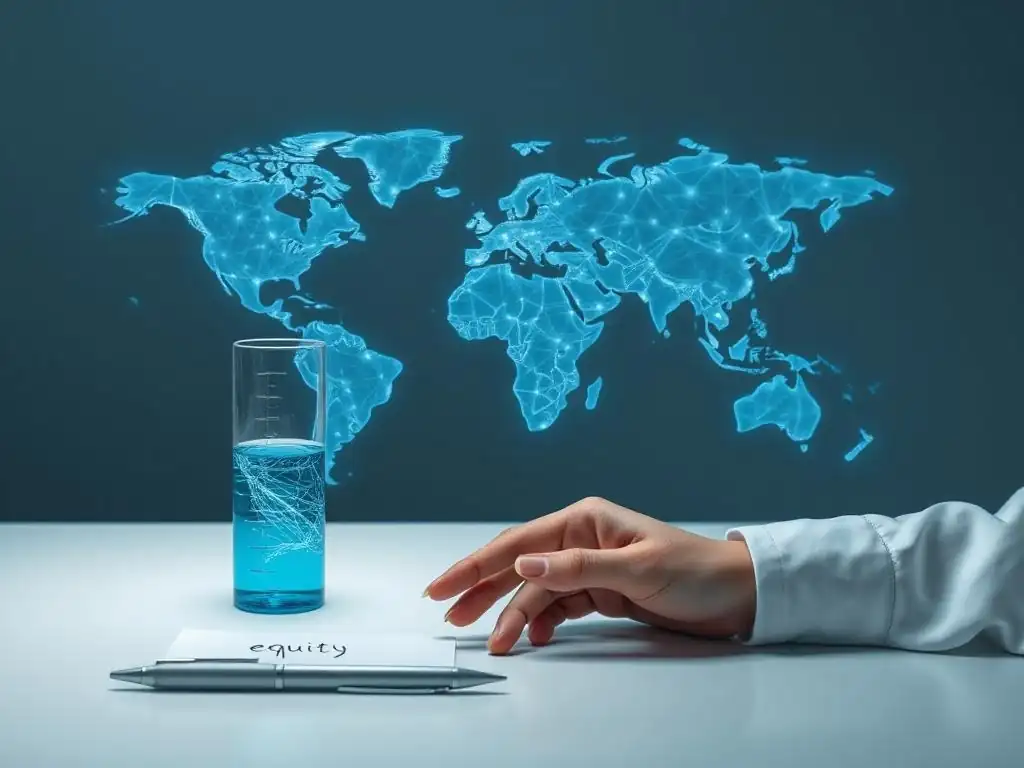
Implementing Inclusive Leadership Practices in International Research Teams
Implementing inclusive leadership practices is paramount to fostering diversity and inclusion in international research teams. Inclusive leaders actively seek out diverse perspectives, ensure equitable participation in discussions, and challenge unconscious biases within their teams. This involves consciously rotating leadership roles, providing equal opportunities for speaking and contributing, and recognizing the value of different cultural approaches to problem-solving. For example, a team leader might ensure that meetings are held at times convenient for members across different time zones, or that communication is adapted to accommodate non-native English speakers.
Furthermore, inclusive leaders are proactive in mentoring and sponsoring women and underrepresented groups, helping them navigate career pathways and access opportunities within international networks. They also establish clear expectations for respectful conduct and promptly address any instances of discrimination or harassment. By modeling inclusive behavior and creating a psychologically safe environment, these leaders can significantly mitigate the women’s challenges in international scientific collaboration and unlock the full potential of diverse global talent.
Fostering Mentorship and Sponsorship Programs for Women in Science Globally
Fostering robust mentorship and sponsorship programs is a critical strategy for advancing women in international science. Mentorship provides women with guidance, advice, and emotional support from experienced scientists who can help them navigate complex career decisions, develop key skills, and overcome specific challenges. Sponsorship, on the other hand, involves senior leaders actively advocating for women, promoting their visibility, and opening doors to opportunities such as leadership roles in international projects, funding applications, or speaking engagements at global conferences.
Effective programs often involve cross-border mentorship, connecting women scientists in developing countries with mentors in more established scientific hubs, or facilitating peer-to-peer mentorship among women working on similar international initiatives. For instance, the Organization for Women in Science for the Developing World (OWSD) offers a PhD fellowship program that pairs women scientists from developing countries with host institutions abroad, providing not only scientific training but also invaluable mentorship networks. Such initiatives directly address many of the women’s challenges in international scientific collaboration by building supportive communities and pathways to leadership.
Creating Inclusive Research Environments: Policies and Best Practices
Creating truly inclusive research environments requires the implementation of explicit policies and best practices that address systemic barriers and promote equity for women in international scientific collaboration. This includes developing clear gender equality plans, establishing anti-harassment policies with robust reporting mechanisms, and ensuring transparent and unbiased recruitment and promotion processes. For instance, many international consortia are now adopting "blind" review processes for certain stages of grant applications or talent recruitment to minimize unconscious bias.
Best practices also involve offering flexible work arrangements, such as remote work options or part-time schedules, to better accommodate caregiving responsibilities, which disproportionately affect women. Providing access to affordable childcare at international conference venues or during fieldwork can also significantly enhance women's participation. Furthermore, institutions should invest in unconscious bias training for all staff, particularly those involved in hiring, funding, and leadership roles, to create a culture where diversity is not just acknowledged but actively celebrated and leveraged.
Promoting Cross-Cultural Understanding and Sensitivity in International Collaboration
Promoting cross-cultural understanding and sensitivity is essential for mitigating the unique women’s challenges in international scientific collaboration. This involves training all team members, especially leaders, in cultural competence to better understand and appreciate diverse communication styles, professional norms, and gender roles across different societies. Workshops on intercultural communication can help prevent misunderstandings and foster more effective collaboration, ensuring that all voices are heard and valued.
For example, acknowledging and respecting different approaches to hierarchy, decision-making, and conflict resolution can prevent scenarios where women from certain cultural backgrounds might be inadvertently marginalized. Encouraging open dialogue about cultural differences and providing resources for linguistic support can also create a more welcoming and productive environment. By actively fostering a culture of empathy and mutual respect, international scientific teams can overcome cultural barriers and build stronger, more equitable partnerships.
Case Studies: Successful Initiatives Promoting Women in International Science
The CERN Example: Promoting Gender Equity in High-Energy Physics
CERN, the European Organization for Nuclear Research, stands as a notable example of an international scientific collaboration that has actively implemented initiatives to promote gender equity in a field historically dominated by men: high-energy physics. Recognizing the persistent underrepresentation of women, particularly in leadership and technical roles, CERN has launched various programs aimed at increasing female participation and fostering an inclusive environment. These include dedicated mentorship programs for early-career women scientists and engineers, unconscious bias training for hiring managers, and active participation in global initiatives like the International Day of Women and Girls in Science.
Furthermore, CERN has established a Diversity Office and a Gender Equality Plan, setting concrete targets for increasing female representation in different staff categories and leadership positions. While challenges persist, these concerted efforts have led to a gradual increase in the proportion of women researchers and engineers. For instance, the percentage of women in scientific staff at CERN has been steadily rising, contributing to a more balanced and diverse workforce in one of the world's largest and most complex international scientific collaborations, directly addressing many of the women’s challenges in international scientific collaboration within its unique context.
The OWSD Fellowship Program: Supporting Women Scientists in Developing Countries
The Organization for Women in Science for the Developing World (OWSD) Fellowship Program is a powerful initiative directly addressing the women’s challenges in international scientific collaboration by supporting women scientists from developing countries. This program provides PhD and Early Career fellowships to women who have completed their master's degrees in scientific fields and wish to pursue doctoral studies in a different developing country. The fellowships cover tuition fees, research costs, travel, and living expenses, removing significant financial barriers that often prevent women from pursuing advanced international scientific training.
Since its inception, the OWSD PhD Fellowship Program has supported hundreds of women scientists, enabling them to gain cutting-edge knowledge, develop international research networks, and return to their home countries to contribute to national development. For example, by 2022, over 800 women from more than 80 developing countries had benefited from OWSD fellowships. This initiative not only enhances individual careers but also strengthens scientific capacity in regions where women scientists are particularly underrepresented, demonstrating a tangible strategy for overcoming the unique obstacles faced by women in international scientific collaboration from marginalized communities.
The Future of Women in International Scientific Collaboration
Addressing Systemic Barriers to Women's Advancement in Global Science
Addressing systemic barriers is crucial for the future advancement of women in international scientific collaboration. This requires a fundamental shift in institutional cultures, policies, and practices that have historically disadvantaged women. It means moving beyond individual interventions to tackle the root causes of inequality, such as implicit bias in evaluation processes, inflexible career structures, and the disproportionate burden of family responsibilities. For instance, funding agencies and research institutions must implement robust accountability mechanisms to ensure that diversity and inclusion targets are met in international grant awards and project leadership.
Furthermore, there is a growing recognition of the need for intersectional approaches, acknowledging that women from different racial, ethnic, socio-economic, and geographical backgrounds face unique and compounding barriers. Future efforts must explicitly address these varied experiences, ensuring that initiatives are tailored to support all women in science. By dismantling these systemic obstacles, the global scientific community can foster an environment where women’s challenges in international scientific collaboration are minimized, allowing talent to flourish irrespective of gender.
The Role of International Organizations in Promoting Gender Equity
International organizations play a pivotal role in promoting gender equity and addressing the women’s challenges in international scientific collaboration. Bodies such as UNESCO, the United Nations, and the European Union have the capacity to influence global policies, advocate for change, and fund initiatives that support women in science. For example, UNESCO's "S.T.E.A.M.ing Ahead with Women" initiative aims to encourage girls and women to pursue careers in science, technology, engineering, arts, and mathematics, including through international partnerships and exchanges.
These organizations can set global standards for gender equality in research, encourage data collection on women's participation, and provide platforms for sharing best practices across countries and scientific disciplines. They can also facilitate networking and mentorship opportunities, particularly for women from underrepresented regions. By leveraging their global reach and influence, international organizations are instrumental in driving the necessary systemic changes and fostering a more equitable and inclusive landscape for women in science worldwide.
Building a More Inclusive and Equitable Future for Women in Science Globally
Building a more inclusive and equitable future for women in science globally necessitates a multi-faceted approach that spans policy, cultural shifts, and individual actions. It involves not only increasing the representation of women but also ensuring their full and equitable participation, leadership, and recognition in all aspects of international scientific collaboration. This means actively challenging gender stereotypes, dismantling discriminatory practices, and creating supportive ecosystems where women can thrive without facing the unique burdens that have historically constrained their careers.
The future must see a greater emphasis on gender-sensitive research, where women's health, experiences, and perspectives are integrated into scientific inquiry. It also requires a commitment to flexible and family-friendly policies that allow scientists, regardless of gender, to balance their professional and personal lives. By fostering an environment where every woman scientist feels valued, respected, and empowered to contribute her full potential, we can overcome the pervasive women’s challenges in international scientific collaboration and unlock unprecedented advancements for the benefit of all humanity.
Conclusion: Empowering Women in Global Science for a Brighter Future
Overcoming Challenges in International Scientific Collaboration: A Call to Action
Overcoming the multifaceted challenges in international scientific collaboration, particularly those faced by women, requires a concerted and sustained call to action from all stakeholders: governments, funding bodies, research institutions, scientific leaders, and individual scientists. It necessitates a commitment to dismantling systemic barriers, fostering inclusive environments, and actively promoting the equitable participation and leadership of women in global research endeavors. This means investing in targeted programs, implementing robust policies against bias and harassment, and cultivating a culture that values diversity as a cornerstone of scientific excellence.
By empowering women in global science, we not only ensure fairness and equity but also unlock a vast reservoir of untapped potential and diverse perspectives that are crucial for addressing the world's most pressing scientific and societal challenges. A future where women are fully integrated and celebrated in international scientific collaboration is a future of enhanced innovation, more comprehensive research, and ultimately, a brighter and more equitable world for everyone.
Frequently Asked Questions
What are some of the primary challenges women face in international scientific collaborations?
Women often encounter gender bias and lack of representation in leadership roles, which can hinder their access to resources and opportunities. They may also face challenges related to work-life balance and cultural expectations.
How does the historical underrepresentation of women in science impact their participation in international collaborations today?
The historical exclusion of women has led to a lack of established networks and mentorship opportunities. This can make it difficult for women to navigate the complex landscape of international scientific collaboration.
In what ways can cultural differences exacerbate the challenges women face in international scientific collaborations?
Varying cultural norms regarding gender roles can lead to unequal treatment and limited opportunities for women to contribute fully. This can create barriers to effective communication and collaboration.
What strategies can be implemented to promote greater diversity and inclusion in international scientific collaborations?
Implementing inclusive leadership training, establishing mentorship programs, and ensuring equitable representation on research teams can foster a more supportive environment. Promoting transparency and accountability is also crucial.
How can international organizations contribute to addressing the challenges women face in scientific collaborations?
Organizations can establish funding initiatives specifically targeting women-led projects, develop policies that promote gender equality, and raise awareness about the importance of diversity and inclusion.
Okay, here's a final reflection designed to close your article "The Global Lens: Diversity and Inclusion Challenges in International Scientific Collaboration," optimized for the keyword "Women's challenges international scientific collaboration," and following the structure you provided:
Final Reflection: Bridging the Gaps in Global Science
The insights shared throughout this article highlight a critical truth: while international scientific collaboration holds immense potential for progress, its benefits are not equally distributed. The persistent challenges faced by women in these collaborations, particularly those from underrepresented regions, demand immediate and sustained attention. Ignoring these disparities not only hinders individual careers but also limits the collective potential of the global scientific community.
This issue extends far beyond individual experiences; it reflects systemic biases that permeate the scientific landscape. Recognizing and addressing these biases is not just a matter of fairness; it's essential for fostering innovation and ensuring that scientific advancements truly serve humanity. As Marie Curie so eloquently stated, We must believe that we are gifted for something, and that this thing, at whatever cost, must be attained.
This belief, however, is often undermined by the very structures meant to support it, particularly for women navigating the complexities of international collaboration.
Let us all commit to fostering a more inclusive and equitable scientific environment. Consider how you can actively support women in international scientific collaborations, whether through mentorship, advocacy, or simply by challenging unconscious biases in your own interactions. By working together, we can dismantle the barriers that prevent talented individuals from reaching their full potential and unlock the transformative power of truly global science.
Champion Inclusive Science: Your Next Steps!
Thank you for exploring the vital role of diversity and inclusion in global scientific collaborations! Now that you're equipped with insights, it's time to translate knowledge into action. Let's work together to build a more equitable and vibrant scientific community.
Here's how you can contribute:
- Become a Diversity Advocate: Actively promote and support diversity and inclusion initiatives within your scientific networks and institutions. This is the most impactful step towards creating lasting change.
- Share your learnings: Spread the word by sharing this article with your colleagues and friends on social media. Let's amplify the conversation around inclusive science!
- Start a Local Dialogue: Organize a discussion within your workplace or academic institution to explore the specific diversity and inclusion challenges in your field.
What's one concrete step you can take this week to foster a more inclusive environment in your scientific community?