
Across Continents and Cradles: Global Views on Women Scientists and Family Life

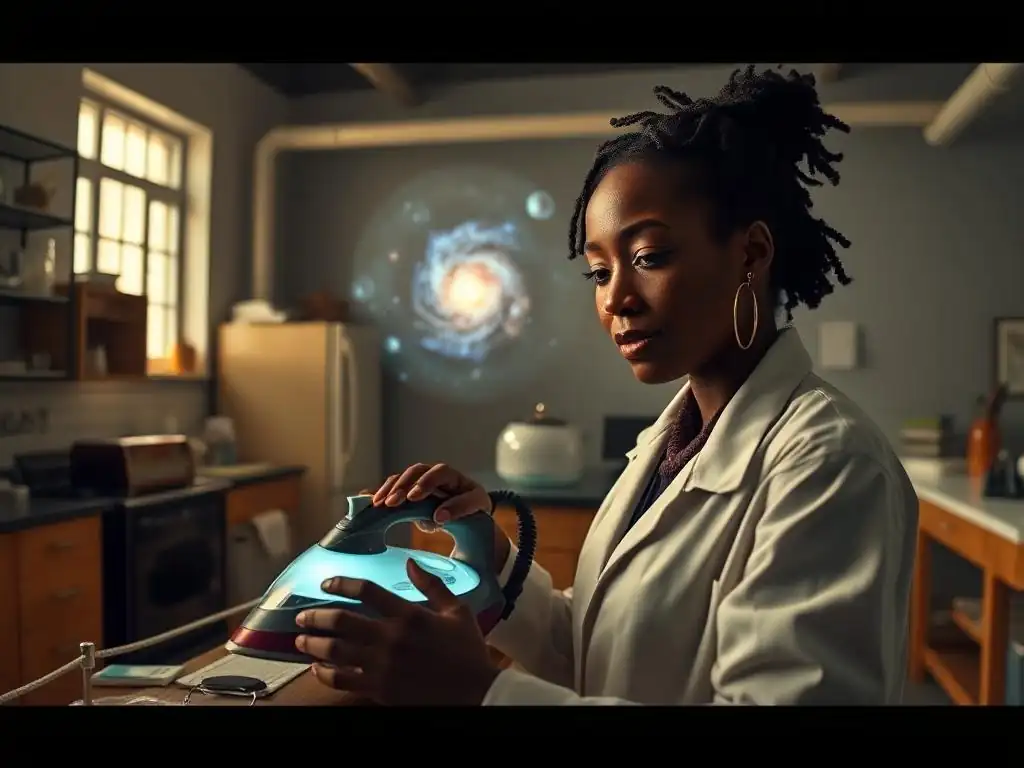
Welcome to WomenInScienceHistory.com, where we unearth the remarkable stories of women who shaped the scientific landscape. In a world that often sidelined their contributions, these pioneers persevered. Delve into our latest exploration of Women Scientists Family Challenges History, and discover how societal expectations and personal lives intertwined with their groundbreaking work. What sacrifices did they make, and what support did they receive? Prepare to be inspired by the resilience and dedication of these incredible women, and uncover the nuanced realities of balancing family and scientific ambition.
- Introduction: Intersecting Science, Culture, and Family Life
- Historical Context: Women in Science
-
Frequently Asked Questions
- What were some common challenges faced by women scientists throughout history?
- How did family life impact the careers of women scientists?
- Did cultural differences influence the experiences of women scientists across different continents?
- How does WomenInScienceHistory.com contribute to understanding the history of women scientists?
- What kind of recognition did women scientists receive for their work, considering the challenges they faced?
- Final Reflection: Embracing the Future of Women in Science
- Ignite Your Own Scientific Journey: Embrace the Balance!
Introduction: Intersecting Science, Culture, and Family Life
The journey of women in science is a compelling narrative, often marked by profound intellectual contributions intertwined with significant personal and societal challenges. For centuries, the pursuit of scientific knowledge by women has been shaped not only by their individual brilliance but also by the prevailing cultural norms, institutional barriers, and the complex demands of family life.
This article delves into the intricate relationship between scientific careers and family responsibilities, exploring how this dynamic has evolved across different historical periods and geographical regions. Understanding the experiences of women scientists regarding family challenges throughout history provides crucial insights into the systemic issues that have historically hindered, and continue to impact, their full participation and recognition in STEM fields.
This exploration aims to illuminate the unique pressures faced by women who sought to balance their passion for discovery with the societal expectations of domesticity and motherhood. From the pioneering figures who defied conventions to contemporary researchers navigating modern work-life integration, the narrative reveals a persistent struggle to reconcile ambitious professional goals with personal aspirations. By examining these intersections, we gain a deeper appreciation for the resilience and ingenuity of women scientists, while also identifying ongoing disparities and advocating for more inclusive and equitable scientific ecosystems.
Historical Context: Women in Science
Early Barriers: Access and Societal Expectations
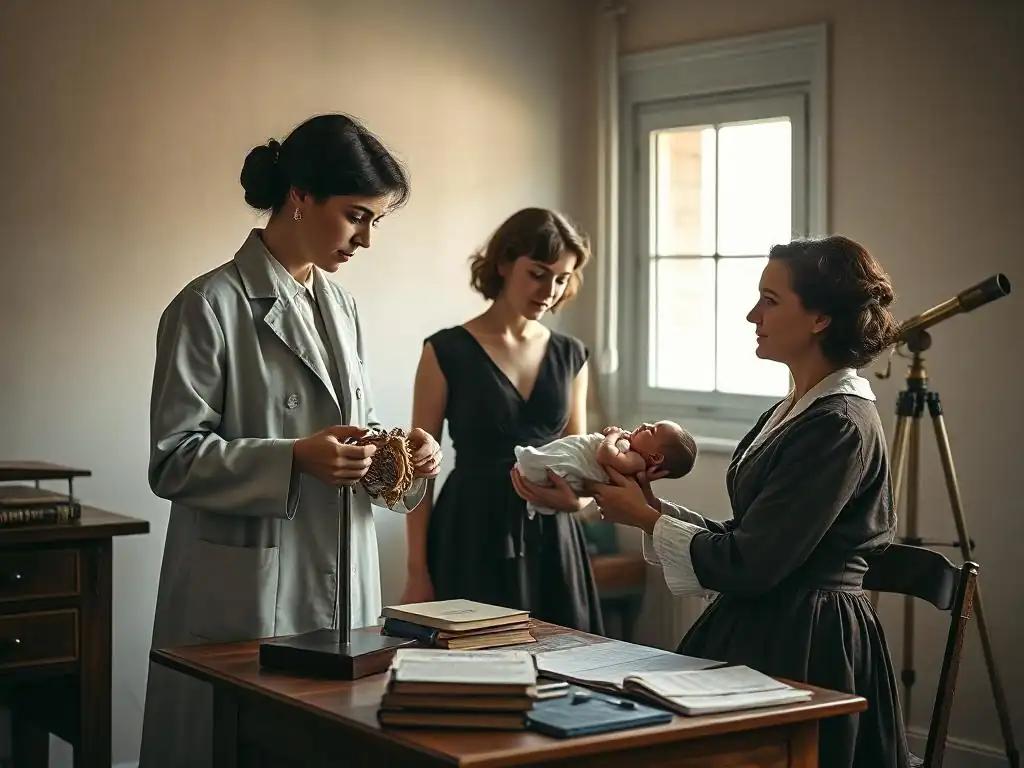
Historically, the path for women in science was fraught with formidable barriers, primarily rooted in limited access to education and pervasive societal expectations. Prior to the late 19th century, formal scientific training was largely inaccessible to women, with universities and scientific academies often excluding them outright. For instance, it wasn't until 1878 that the University of London began granting degrees to women, and even then, full integration into academic and research institutions was a gradual process.
This exclusion meant that many early women scientists were either self-taught, educated by family members, or relied on informal networks, severely limiting their opportunities for collaborative research and recognition. The prevailing social paradigm dictated that a woman's primary role was within the domestic sphere, making a career in science seem not only unconventional but often socially unacceptable.
These deeply ingrained societal expectations directly contributed to the significant family challenges faced by women scientists throughout history. Marriage and motherhood were often seen as antithetical to a rigorous scientific career, forcing many women to choose between personal fulfillment and professional ambition.
For those who did marry and have children, the burden of domestic responsibilities typically fell squarely on their shoulders, with little spousal support or institutional childcare. This dual burden frequently led to career interruptions, slower advancement, or even abandonment of scientific pursuits, highlighting a systemic issue where familial obligations were seen as private concerns rather than societal challenges requiring collective support.
Evolving Roles: Progress and Persistent Challenges
As the 20th century progressed, the roles of women in science began to evolve, marked by incremental but significant progress in educational access and professional opportunities. The early to mid-1900s saw more women enrolling in universities and entering scientific professions, particularly during wartime when male scientists were engaged in military efforts, creating temporary vacancies.
Post-World War II, the expansion of research institutions and funding further opened doors, leading to a noticeable increase in the number of women earning PhDs and securing research positions. However, this progress was often accompanied by persistent, albeit subtler, challenges, particularly concerning their integration into the upper echelons of scientific leadership and their ability to balance career and family.
Despite increased participation, women scientists continued to encounter significant hurdles, including the "glass ceiling" in promotions, lower pay scales compared to their male counterparts, and a pervasive lack of recognition for their contributions. The family challenges faced by women scientists remained a critical issue; while societal norms slowly shifted, the expectation for women to be primary caregivers persisted.
Many found themselves navigating demanding research schedules alongside childcare and household management, often without adequate institutional support. This period, therefore, represents a complex phase in the history of women in science, where visible advancements in access coexisted with enduring systemic biases and personal struggles to integrate ambitious careers with fulfilling family lives.
Frequently Asked Questions
What were some common challenges faced by women scientists throughout history?
Women scientists often faced societal biases and limited access to resources compared to their male counterparts. They were also frequently burdened with domestic responsibilities that hindered their career advancement.
How did family life impact the careers of women scientists?
Balancing family obligations with demanding scientific careers presented significant hurdles. Many women had to choose between career advancement and raising a family, or face immense pressure to manage both.
Did cultural differences influence the experiences of women scientists across different continents?
Yes, cultural norms and expectations varied greatly, impacting women's access to education and professional opportunities. Social acceptance of women in scientific roles differed significantly across regions and historical periods.
How does WomenInScienceHistory.com contribute to understanding the history of women scientists?
The website provides a platform to highlight the achievements and challenges faced by women in science. It aims to inspire future generations by sharing their often overlooked stories and contributions.
What kind of recognition did women scientists receive for their work, considering the challenges they faced?
Recognition was often delayed or diminished due to gender bias and lack of institutional support. Many women scientists' contributions were attributed to male colleagues or remained largely unacknowledged during their lifetimes.
Final Reflection: Embracing the Future of Women in Science
The journey through the history and present-day challenges faced by women scientists balancing family life reveals a powerful truth: the pursuit of scientific excellence and the nurturing of family are not mutually exclusive endeavors. Understanding the historical context and global perspectives underscores the urgent need for systemic change to support women in STEM.
This exploration of the intersection between scientific careers and family life has profoundly impacted my understanding of the ongoing struggle for equity. It's a reminder that progress is not linear, and continued advocacy is crucial to dismantling the barriers that still exist. Science needs women, and women need science. We must create a world where both are possible, without compromise.
- Adapted from various statements by prominent female scientists.
As we look to the future, let us all commit to fostering environments that empower women to thrive in both their scientific pursuits and their family lives. Let us champion policies that support childcare, flexible work arrangements, and equitable opportunities. Let us actively challenge biases and stereotypes that limit women's potential. The future of science depends on the full participation of all, and that includes ensuring that women can contribute their talents without sacrificing their dreams of family.
Ignite Your Own Scientific Journey: Embrace the Balance!
Thank you for diving into the inspiring stories of women scientists navigating family life across the globe. We hope you've gained a fresh perspective on the challenges and triumphs they face. Now, let's turn that inspiration into action!
Here's how you can contribute to a more supportive environment for women in science:
- Champion a woman scientist in your life: Reach out to a female colleague, mentor, or student in STEM and offer your support or encouragement. A simple conversation can make a world of difference.
- Share this article with your network to spread awareness about the realities and possibilities for women in science globally.
- Explore the Women in Science History archives for more untold stories of brilliant minds.
What small but significant step will you take today to foster a more inclusive and supportive environment for women in science?