
Inspiring Invention: How Today's Women Engineers Pave the Way for Tomorrow

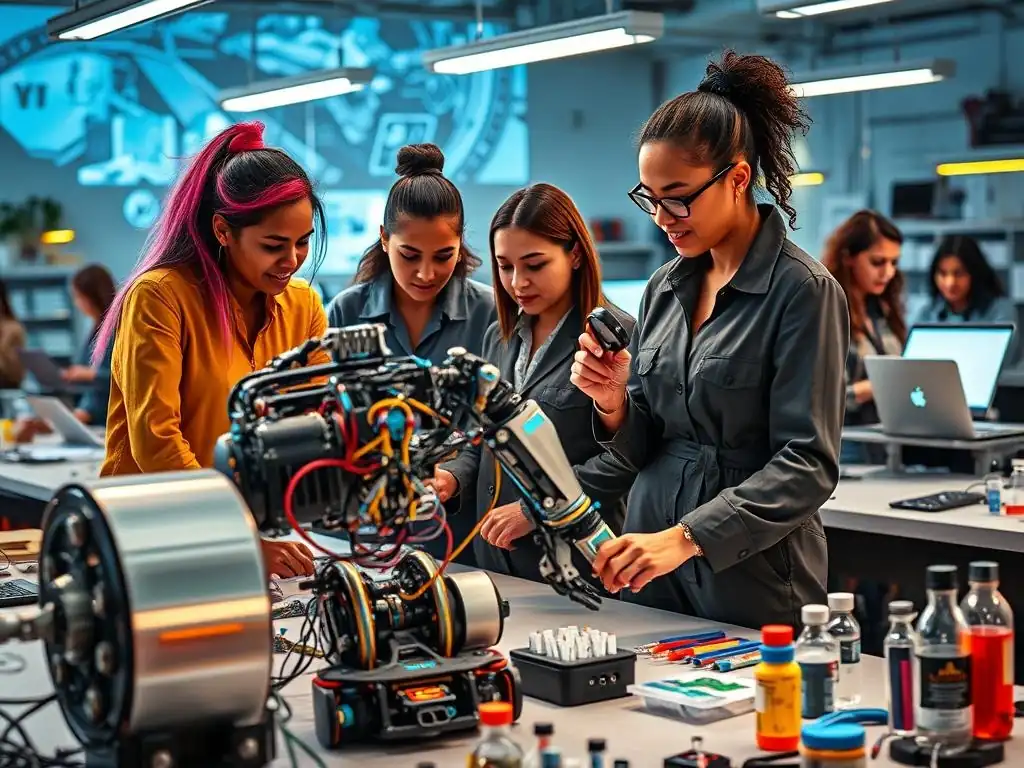
Welcome to WomenInScienceHistory.com, where we uncover the untold stories of remarkable women who shaped the scientific landscape! Prepare to be inspired as we delve into the world of engineering and technology and explore how the legacy of female pioneers directly influences the women engineers driving future innovation. Intrigued? Discover how their groundbreaking work continues to pave the way for a brighter tomorrow.
- Introduction: Celebrating Women Engineers Shaping Future Innovation
- The Rise of Women in Engineering: Overcoming Historical Barriers
- Trailblazing Women Engineers: Examples of 21st-Century Innovation
- Women Engineers and Technological Advancements: Driving Future Progress
- The Importance of Mentorship and Role Models for Aspiring Women Engineers
- Addressing the Gender Gap in Engineering: Strategies for a More Inclusive Future
- The Future is Female: Inspiring the Next Generation of Women Innovators in Engineering
- Conclusion: Women Engineers – Catalysts for Future Innovation and Technological Advancement
-
Frequently Asked Questions
- What is the primary focus of WomenInScienceHistory.com?
- What challenges did pioneering female scientists often face?
- How does WomenInScienceHistory.com aim to inspire future generations?
- What role do today's women engineers play in future innovation?
- Why is it important to recognize the contributions of women in science and engineering?
- Final Reflection: Engineering a Brighter Tomorrow
- Ignite Your Inner Innovator!
Introduction: Celebrating Women Engineers Shaping Future Innovation
Highlighting the Impact of Women in 21st Century Engineering
The 21st century has witnessed an extraordinary acceleration in technological progress, and at the heart of this transformation are pioneering women engineers. Their influence extends across every facet of modern life, from the digital infrastructure that connects us globally to the sustainable energy solutions powering our communities. These dedicated professionals bring diverse perspectives and innovative problem-solving approaches, critically shaping the landscape of future innovation. Their contributions are not merely incremental; they are fundamental shifts that redefine what is possible in fields like artificial intelligence, biotechnology, and advanced materials.
The significant presence of women in engineering today ensures that technological advancements are more inclusive, robust, and responsive to the needs of a global society. By challenging traditional norms and excelling in highly technical domains, women engineers are actively driving forward the frontiers of knowledge and application. Their work is a testament to the power of diverse thought in engineering, propelling advancements that benefit humanity and securing a stronger foundation for future innovation.
Recognizing Women's Contributions to Science and Technology
Throughout history, women have made invaluable, though often overlooked, contributions to science and technology. In the 21st century, this narrative is shifting, with increasing recognition of their pivotal roles in shaping our technological future. From designing critical infrastructure to developing life-saving medical devices, women's ingenuity is undeniably woven into the fabric of modern scientific and technological progress. Their unique insights and collaborative spirit are proving indispensable in tackling complex global challenges, underscoring the deep impact of women engineers on future innovation.
This recognition is crucial not only for celebrating past and present achievements but also for inspiring the next generation. By highlighting the groundbreaking work of women in engineering, we reinforce the idea that innovation knows no gender. Their contributions are essential for fostering a dynamic and equitable scientific community, ensuring that all voices are heard and all talents are harnessed to drive technological advancement and societal well-being.
The Rise of Women in Engineering: Overcoming Historical Barriers
Challenges Faced by Female Engineers Throughout History
Historically, women aspiring to careers in engineering encountered formidable barriers rooted in societal norms and institutional biases. For centuries, engineering was largely considered a male domain, with limited access to education and professional opportunities for women. Those who managed to enter the field often faced skepticism regarding their capabilities, a lack of mentorship, and outright discrimination in hiring and promotion. For instance, in the early to mid-20th century, many women with engineering degrees found themselves relegated to drafting or computational roles, despite possessing the skills for more complex design and leadership positions.
Furthermore, female engineers frequently contended with a culture of exclusion, including implicit bias, microaggressions, and a pervasive feeling of being an outsider in workplaces dominated by men. This environment often led to isolation, hindering professional growth and making it challenging for women to gain the recognition and support necessary to thrive. Despite these systemic obstacles, the resilience and determination of these pioneering women laid the groundwork for future generations, slowly eroding the foundations of gender-based discrimination in engineering.
Breaking Down Stereotypes: The Growing Presence of Women in STEM Fields
The landscape of engineering is steadily transforming as more women break down long-standing stereotypes and assert their rightful place in STEM fields. While the journey towards true gender parity is ongoing, significant progress has been made in increasing the representation of women in engineering education and the workforce.
For example, while women still represent a minority in engineering roles globally—often cited as around 15-20% in many developed nations—their enrollment in engineering programs has seen a consistent, albeit slow, upward trend over the last two decades. This growing presence is not just a matter of numbers; it signifies a profound shift in societal perceptions and a broader acceptance of women's intellectual capabilities in technical disciplines.
This positive momentum is fueled by targeted initiatives, increased visibility of successful female engineers, and a greater emphasis on diversity and inclusion within companies and academic institutions. As more women enter and excel in engineering, they challenge outdated notions about who can innovate and lead. Their growing presence enriches the field with diverse perspectives, fostering more creative problem-solving and driving forward the essential role of women engineers in future innovation.
Trailblazing Women Engineers: Examples of 21st-Century Innovation
Dr. Fei-Fei Li: Pioneering AI and Computer Vision
Dr. Fei-Fei Li stands as a towering figure in the realm of artificial intelligence and computer vision, her work fundamentally shaping the capabilities of modern AI systems. As a professor at Stanford University and co-director of Stanford's Human-Centered AI Institute, she is renowned for her groundbreaking work on ImageNet, a massive visual database that revolutionized machine learning by enabling deep learning algorithms to achieve unprecedented accuracy in object recognition.
This monumental achievement, born from years of meticulous data collection and annotation, provided the critical training data that fueled the rapid advancements in AI seen throughout the 2010s and beyond, making her a key architect of future innovation driven by women engineers.
Her contributions extend beyond technical breakthroughs; Dr. Li is a passionate advocate for human-centered AI, emphasizing the ethical implications and societal impact of artificial intelligence. Her research continues to explore how AI can augment human capabilities and improve quality of life, rather than merely replacing human tasks. Her leadership has inspired countless researchers and students, demonstrating the profound influence women engineers have on the trajectory of cutting-edge technologies like autonomous vehicles, medical diagnostics, and robotics, all of which rely heavily on the computer vision foundations she helped establish.
Dr. Kristina M. Johnson: Revolutionizing Optical Engineering and Renewable Energy
Dr. Kristina M. Johnson is a highly accomplished engineer, inventor, and leader whose work has significantly impacted both optical engineering and sustainable energy solutions. With a distinguished career spanning academia, industry, and government, she holds numerous patents for her inventions in areas such as liquid crystal display technology, which have found widespread applications in modern electronics. Her early work in optical signal processing and smart pixel arrays laid crucial groundwork for advancements in high-speed communication and display systems, showcasing her early contributions to technological progress.
Beyond her foundational work in optics, Dr. Johnson has been a powerful force in the renewable energy sector. As the former Under Secretary of Energy in the U.S. Department of Energy, she championed initiatives aimed at accelerating the deployment of clean energy technologies and fostering energy independence. Her leadership in developing innovative renewable energy solutions, from advanced solar technologies to grid modernization, underscores her commitment to a sustainable future and exemplifies how women engineers drive future innovation in critical environmental and technological domains.
Mary Barra: Transforming the Automotive Industry with Electric Vehicles
Mary Barra, as the Chair and CEO of General Motors since 2014, has fundamentally reshaped one of the world's largest and most traditional automotive companies, steering it towards an electric, autonomous, and connected future. Under her leadership, GM has made an ambitious commitment to transition to an all-electric vehicle lineup by 2035, a bold move that signals a significant shift in the industry's direction. She has overseen substantial investments in battery technology, charging infrastructure, and the development of new EV models, including the Ultium battery platform, which is central to GM's electric strategy.
Her vision extends beyond just electric vehicles to encompass advanced safety features, connectivity, and autonomous driving technologies. Barra’s strategic decisions have positioned GM as a leader in sustainable transportation, navigating the complexities of a rapidly evolving global market. Her ability to drive such a profound transformation within a legacy company highlights the immense influence and strategic acumen of women engineers in pushing for future innovation within traditionally male-dominated sectors.
Women Engineers and Technological Advancements: Driving Future Progress
Women's Role in Key Engineering Sectors: Civil, Mechanical, Electrical, and Chemical
Women engineers are making indelible marks across the foundational disciplines of engineering, ensuring that progress in civil, mechanical, electrical, and chemical sectors is both robust and forward-looking. In civil engineering, for instance, women are designing sustainable urban infrastructure, developing resilient building materials, and innovating smart city solutions that improve quality of life. Their work ensures that communities are built with an eye toward environmental impact and long-term sustainability, addressing complex challenges like climate change adaptation.
Within mechanical engineering, women are at the forefront of developing advanced robotics, designing more efficient manufacturing processes, and creating next-generation aerospace components. In electrical engineering, they are crucial to the evolution of smart grids, renewable energy integration, and the miniaturization of electronic devices that power our digital world. Similarly, in chemical engineering, women are pioneering new materials, pharmaceutical delivery systems, and sustainable industrial processes, driving innovation in areas from biotechnology to environmental remediation. Their diverse contributions across these core fields underscore the comprehensive impact of women engineers on future innovation.
Innovation in Sustainable Engineering Led by Women
The urgency of global climate change and resource depletion has propelled sustainable engineering to the forefront of technological development, and women engineers are leading many of these critical efforts. They are developing innovative solutions that minimize environmental impact while meeting societal needs. For example, Dr. Marilyn Black, an environmental engineer, has been instrumental in developing standards and practices for indoor air quality, significantly impacting public health and green building design. Another area of focus is the development of advanced renewable energy technologies, where women are designing more efficient solar cells, improving wind turbine performance, and pioneering energy storage solutions.
Furthermore, women are driving innovation in waste management, water purification, and circular economy principles. They are conceptualizing and implementing systems that transform waste into valuable resources, creating more efficient water treatment processes, and designing products for their entire lifecycle to minimize ecological footprints. This leadership in sustainable engineering demonstrates a profound commitment to environmental stewardship, showcasing how women engineers are pivotal in shaping a more sustainable future innovation.
The Impact of Female Engineers on Biomedical Engineering and Healthcare Technologies
Female engineers are profoundly impacting biomedical engineering and healthcare technologies, revolutionizing diagnostics, treatment, and patient care. Their work spans a wide array of innovations, from designing advanced prosthetics and medical imaging equipment to developing novel drug delivery systems and tissue-engineered organs. For instance, Dr. Laura Niklason, a biomedical engineer, pioneered the development of bioengineered blood vessels that have been successfully implanted in humans, offering a groundbreaking solution for patients needing vascular access. This kind of innovation directly addresses critical healthcare needs and improves patient outcomes.
Moreover, women engineers are instrumental in the burgeoning fields of personalized medicine, wearable health technologies, and robotic surgery. They are creating sophisticated algorithms for disease prediction, designing compact and accurate diagnostic devices for remote healthcare, and developing robotic systems that enhance surgical precision. Their contributions are not only advancing the technical capabilities of healthcare but also ensuring that medical solutions are more accessible, efficient, and tailored to individual patient needs, fundamentally shaping the future innovation in healthcare.
The Importance of Mentorship and Role Models for Aspiring Women Engineers
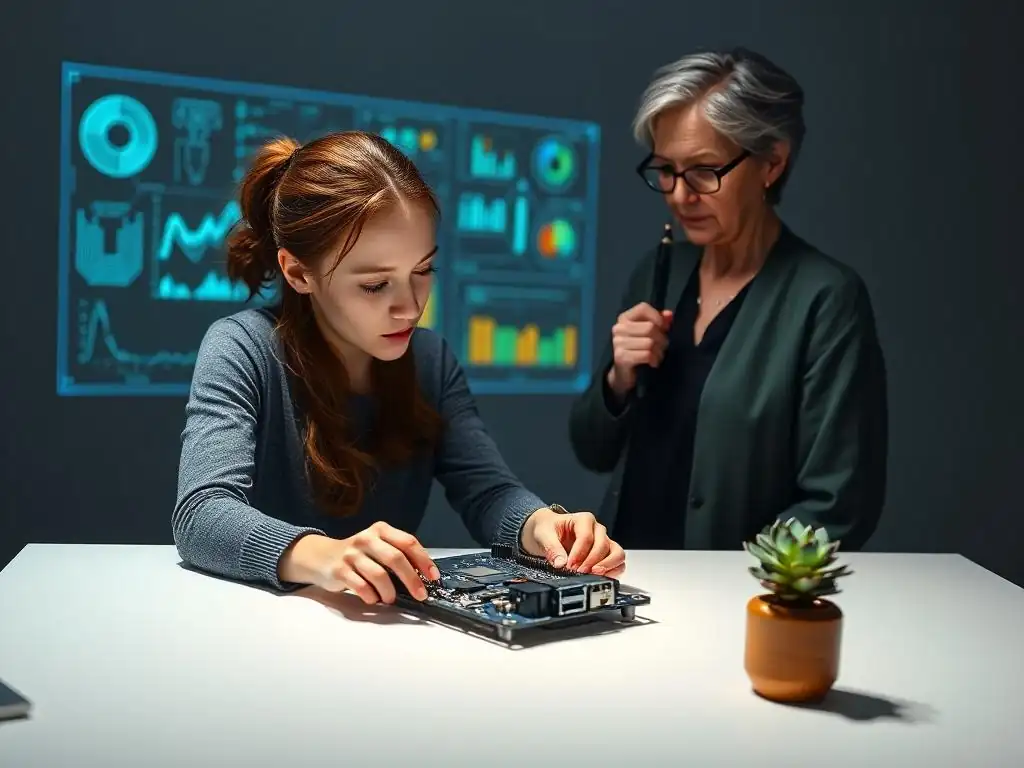
Creating Supportive Communities for Women in STEM
Creating supportive communities is paramount for fostering an environment where women in STEM, particularly in engineering, can thrive and contribute fully to future innovation. Organizations like the Society of Women Engineers (SWE), Women in Engineering (WIE) initiatives within universities, and various professional networks provide essential platforms for connection, collaboration, and mutual support. These communities offer a safe space for women to share experiences, discuss challenges, and celebrate successes, countering the isolation that can sometimes be felt in male-dominated fields. They organize workshops, conferences, and networking events that facilitate professional development and provide invaluable opportunities for skill-building and career advancement.
Beyond formal organizations, informal networks and peer support groups play a crucial role in building resilience and confidence. These communities help women navigate academic and professional hurdles, from navigating challenging coursework to negotiating salaries and leadership roles. By fostering a sense of belonging and collective empowerment, these supportive environments are indispensable for retaining women in engineering and ensuring that their unique talents continue to drive technological progress.
The Power of Female Mentors in Engineering Education and Careers
The presence of female mentors in engineering education and careers holds immense power in shaping the trajectories of aspiring women engineers. Mentors provide invaluable guidance, sharing their experiences, offering advice on career paths, and helping navigate the specific challenges that women often face in STEM fields. For a young woman embarking on an engineering career, seeing a successful female engineer who has overcome similar hurdles can be profoundly inspiring and validating. These mentors can offer practical advice on technical skills, professional networking, and work-life integration, providing a roadmap for success.
Beyond practical guidance, female mentors serve as crucial role models, demonstrating that it is entirely possible for women to excel and lead in engineering. Their presence can significantly boost confidence, reduce feelings of imposter syndrome, and encourage mentees to pursue ambitious goals. By actively guiding and championing the next generation, female mentors are directly contributing to the growth and diversification of the engineering workforce, ensuring a robust pipeline of women engineers who will lead future innovation.
Addressing the Gender Gap in Engineering: Strategies for a More Inclusive Future
Initiatives Promoting Gender Equality in Engineering Education
To truly narrow the gender gap in engineering and foster a more inclusive future, concerted efforts must be made to promote gender equality from the earliest stages of education. Initiatives like STEM outreach programs targeting elementary and middle school girls are crucial for dispelling myths about engineering and sparking early interest.
These programs often involve hands-on activities, visits from female engineers, and curricula designed to showcase the creative and problem-solving aspects of engineering in an engaging way. Universities are also playing a vital role by offering scholarships specifically for women in engineering, creating women-in-engineering living-learning communities, and implementing support services that help female students thrive academically and socially.
Furthermore, efforts to diversify faculty and leadership positions within engineering departments provide visible role models and ensure that teaching methods and curriculum design are inclusive. By actively recruiting and retaining female professors and researchers, institutions can create an environment that is more welcoming and representative for female students. These educational strategies are essential for building a strong foundation for future women engineers and ensuring a continuous pipeline of diverse talent for future innovation.
Overcoming Bias and Discrimination in the Engineering Workplace
Despite progress in education, women engineers continue to face challenges related to bias and discrimination in the workplace, which can hinder their career advancement and impact their sense of belonging. Unconscious biases in hiring, promotion, and project assignment can lead to disparities in opportunities and pay. Microaggressions and a lack of recognition for their contributions are also common issues that can erode confidence and lead to attrition. Addressing these systemic issues requires multi-faceted strategies, including mandatory unconscious bias training for all employees and management, fostering a culture of accountability, and implementing clear, transparent criteria for promotions and salary reviews.
Moreover, companies are increasingly adopting flexible work arrangements, parental leave policies, and anti-harassment training to create a more supportive and equitable environment. Promoting diverse leadership teams also helps to challenge existing norms and create a more inclusive culture where diverse perspectives are valued. By actively dismantling discriminatory practices and fostering an environment of respect and equity, workplaces can ensure that all women engineers have the opportunity to contribute their full potential and drive future innovation.
The Future is Female: Inspiring the Next Generation of Women Innovators in Engineering
Encouraging Young Girls to Pursue Engineering Careers
Inspiring young girls to pursue engineering careers is a critical step towards a more innovative and equitable future. This encouragement must begin early, countering societal stereotypes that often steer girls away from STEM fields. Exposing girls to hands-on engineering activities, such as building robots, designing bridges with simple materials, or coding interactive games, can ignite their curiosity and demonstrate the creative and problem-solving nature of engineering. Programs like "Girls Who Code" or STEM summer camps specifically designed for girls provide safe and encouraging environments where they can explore their talents without fear of judgment.
Beyond formal programs, the role of parents, educators, and media in promoting engineering as an exciting and accessible career path for girls cannot be overstated. Highlighting the real-world impact of engineering, from developing life-saving medical devices to designing sustainable cities, can help girls see themselves as future innovators who can make a tangible difference. By nurturing this early interest and providing consistent support, we can cultivate a robust pipeline of talented women engineers ready to shape future innovation.
Showcasing the Opportunities and Rewards of a Career in Engineering
To truly inspire the next generation of women innovators, it is essential to vividly showcase the myriad opportunities and substantial rewards that a career in engineering offers. Beyond competitive salaries and job security, engineering provides a unique platform for intellectual challenge, continuous learning, and profound societal impact. Engineers are problem-solvers who tackle some of the world's most pressing issues, from climate change and healthcare disparities to technological advancement and infrastructure development. This sense of purpose and the ability to contribute to tangible solutions are powerful motivators.
Moreover, engineering is a diverse field with countless specializations, allowing individuals to align their passions with their professional pursuits, whether it's designing spacecraft, developing artificial intelligence, or creating sustainable energy systems. The collaborative nature of many engineering projects also offers opportunities for teamwork and networking, fostering a dynamic and engaging work environment. By illuminating these rich opportunities and the inherent satisfaction of contributing to future innovation, we can effectively attract and empower young women to envision themselves as leading women engineers.
Conclusion: Women Engineers – Catalysts for Future Innovation and Technological Advancement
Reinforcing the Vital Role of Women in Shaping the Future of Engineering
The journey of women in engineering, from overcoming historical obstacles to leading contemporary technological breakthroughs, underscores their absolutely vital role in shaping the future of the field. Their presence brings a diversity of thought, perspective, and experience that is indispensable for comprehensive problem-solving and truly groundbreaking innovation. Women engineers are not just participating in the future; they are actively designing, building, and leading it across every sector, from sustainable energy and biomedical advancements to AI and smart infrastructure. Their contributions enhance creativity, foster more inclusive designs, and ultimately lead to more robust and effective solutions for complex global challenges.
The impact of women engineers extends beyond technical achievements; it enriches the entire engineering culture, making it more collaborative, empathetic, and representative of the world it serves. Their leadership in driving future innovation is a testament to their unwavering dedication, intellectual prowess, and capacity to inspire meaningful change.
A Call to Action: Supporting and Empowering Women in Engineering for Continued Success
To ensure the continued success and exponential growth of women in engineering, a collective call to action is paramount. This requires sustained commitment from educational institutions to foster inclusive learning environments, from industries to dismantle biases and create equitable workplaces, and from society at large to champion and celebrate the achievements of women engineers.
Mentorship programs, networking opportunities, and visible role models must be amplified to support aspiring and current female engineers through every stage of their careers. Investing in initiatives that promote STEM education for girls from an early age is crucial to building a robust pipeline of future talent.
By actively supporting, empowering, and advocating for women in engineering, we are not only advancing gender equality but also unlocking an enormous reservoir of untapped potential that is essential for driving future innovation and technological advancement. A world where women engineers thrive is a world that is more innovative, more equitable, and better equipped to tackle the challenges of tomorrow.
Frequently Asked Questions
What is the primary focus of WomenInScienceHistory.com?
The site celebrates the contributions of women to science by featuring biographies and discussions of their work, shining a light on their often-overlooked narratives.
What challenges did pioneering female scientists often face?
They frequently encountered male-dominated arenas and systemic biases that hindered their progress and recognition, a significant barrier to their success.
How does WomenInScienceHistory.com aim to inspire future generations?
By highlighting the stories of pioneering female scientists, the platform hopes to motivate young people, especially women, to pursue careers in STEM fields.
What role do today's women engineers play in future innovation?
Today's women engineers are paving the way for tomorrow by bringing diverse perspectives and skills to the field, driving future innovation and technological advancements.
Why is it important to recognize the contributions of women in science and engineering?
Recognizing their contributions helps to correct historical imbalances, promotes gender equality in STEM, and inspires a more diverse and innovative scientific community.
Final Reflection: Engineering a Brighter Tomorrow
The journey through the accomplishments of today's women engineers reveals a powerful truth: their ingenuity is not just shaping the present, but actively constructing the future of innovation. From groundbreaking advancements in sustainable technologies to pioneering solutions in healthcare, their contributions are undeniable and their impact is profound, proving that diversity in engineering is not just a matter of equity, but a catalyst for progress.
This exploration has underscored the vital role these women play in inspiring future generations. Witnessing their dedication and brilliance reminds us that representation matters, and that empowering women in STEM is essential for unlocking the full potential of human ingenuity. You can't be what you can't see,
as Marian Wright Edelman so eloquently stated. This sentiment resonates deeply, highlighting the importance of visibility and mentorship in fostering a more inclusive and innovative engineering landscape.
Now, as we conclude, consider the ripple effect of these inspiring stories. How can you, in your own sphere of influence, champion the cause of women in engineering? Whether it's through mentorship, advocacy, or simply celebrating their achievements, let us all commit to fostering an environment where every aspiring woman engineer feels empowered to dream big, innovate boldly, and build a brighter tomorrow for us all.
Ignite Your Inner Innovator!
Thank you for exploring the inspiring stories of women engineers and their groundbreaking contributions. Now it's your turn to carry the torch and shape the future!
- Take the first step: Research a pressing global challenge that resonates with you and brainstorm three potential engineering solutions.:
- Share this article with a budding engineer you know and ignite their passion.
- Dive deeper: Explore the resources and organizations dedicated to supporting women in STEM.
What small step will you take today to become a force for innovation in engineering?