
The Unsilenced Echo: 19thCentury Women Whose Medical Innovations Still Resonate Today

Welcome to WomenInScienceHistory.com!
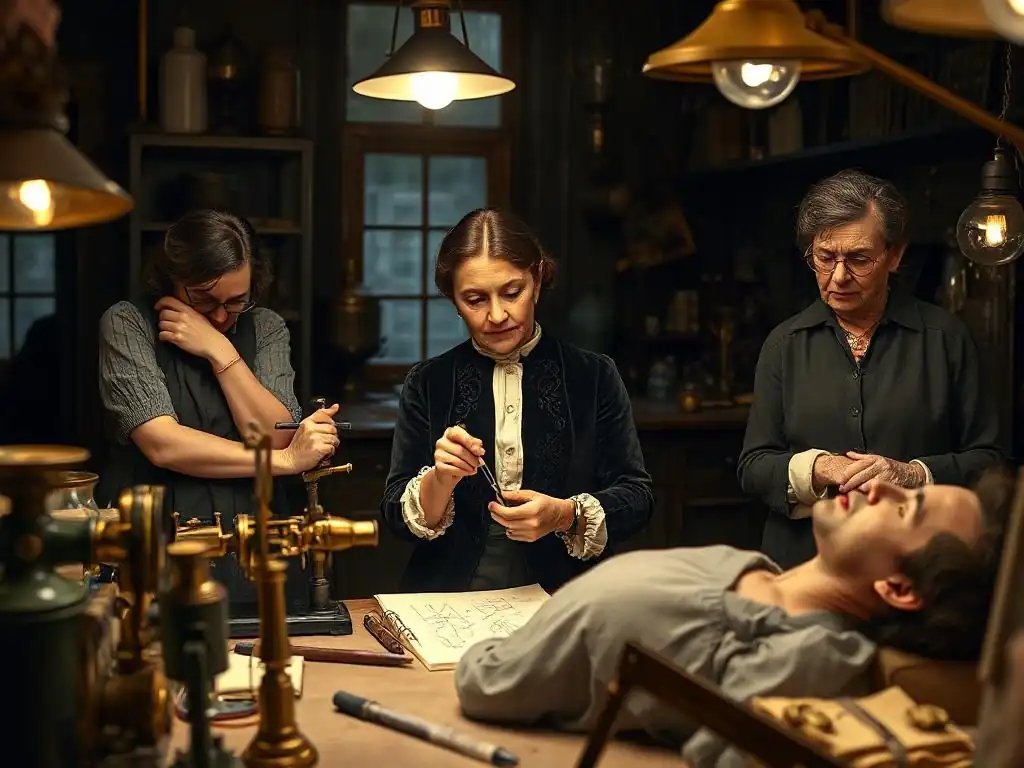
Delve into the annals of scientific history and discover the extraordinary contributions of women who shaped our world. Ever wondered about the unsung heroines behind some of medicine's most pivotal advancements? Our latest deep dive explores 19th Century Women Medical Innovations, revealing the groundbreaking work and resilience of female pioneers who navigated societal barriers to revolutionize healthcare. Prepare to be inspired by their ingenuity and learn how their legacy continues to resonate today... Read on to uncover their remarkable stories.
- Pioneering Women in 19th-Century Medicine: Enduring Legacies
- Introduction: Acknowledging the Lasting Impact of Women in 19th-Century Medicine
- Overcoming Obstacles: Challenges for Women in 19th-Century Medicine
- Key Figures: Highlighting 19th-Century Women and Their Medical Advancements
- Medical Innovations and Contributions by 19th-Century Women
- Enduring Legacy: Shaping Modern Medicine
- Conclusion: Celebrating the Lasting Influence of 19th-Century Women in Medicine
-
Frequently Asked Questions
- What were some of the major challenges faced by 19th-century women seeking to contribute to medical innovations?
- Can you give an example of a 19th-century woman who made a significant contribution to medical innovations?
- How did 19th-century women overcome the obstacles they faced in pursuing medical innovations?
- What types of medical innovations were 19th-century women involved in?
- Why is it important to recognize the contributions of 19th-century women to medical innovations?
- Final Reflection: The Enduring Legacy of Innovation
- Amplify Their Echo: Honor the Women Who Changed Medicine
Pioneering Women in 19th-Century Medicine: Enduring Legacies
Introduction: Acknowledging the Lasting Impact of Women in 19th-Century Medicine
Untold Stories of Female Medical Pioneers
The 19th century was a period of immense scientific advancement, yet the contributions of women to medicine during this transformative era have often been relegated to the footnotes of history. Despite facing systemic barriers, deep-seated societal prejudices, and often outright exclusion from educational and professional institutions, a remarkable cohort of women pushed boundaries to pursue medical careers and make groundbreaking contributions. Their tireless efforts and profound insights led to numerous 19th Century Women Medical Innovations, laying essential groundwork for modern healthcare systems and practices.
These pioneering figures, whose names are increasingly being brought to light, navigated a world where the idea of a woman practicing medicine was largely considered scandalous or impossible. Their stories are not merely anecdotal but represent a significant, though largely unacknowledged, chapter in medical history. From improving public health standards to revolutionizing nursing, and from challenging outdated medical theories to establishing institutions for female medical education, these 19th Century Women Medical Innovations were born out of sheer determination and intellectual brilliance, echoing through the centuries to shape the medical landscape we know today.
The Significance of 19th-Century Women's Medical Contributions Today
The enduring legacy of 19th-century women in medicine is profound, directly influencing many aspects of contemporary healthcare. Their foundational work in areas such as hygiene, patient care, and the systematic collection of health data continues to underpin current medical best practices. For instance, the rigorous standards for nursing education and hospital sanitation that were established by figures like Florence Nightingale remain cornerstones of patient safety and public health worldwide.
Furthermore, the relentless pursuit of medical education by these trailblazing women broke down formidable barriers, ultimately paving the way for the millions of women who now comprise a significant portion of the global medical workforce. The very existence of female doctors, surgeons, researchers, and public health officials in the 21st century is a direct testament to the courage and perseverance of these 19th-century pioneers. Their 19th Century Women Medical Innovations were not only scientific but also social, fundamentally altering perceptions of women's capabilities and their rightful place within the hallowed halls of science and medicine.
Overcoming Obstacles: Challenges for Women in 19th-Century Medicine
Societal Barriers and Limited Access to Medical Training
In the 19th century, pervasive societal norms dictated that women's roles were primarily confined to the domestic sphere, making the pursuit of a demanding profession like medicine an almost insurmountable challenge. Educational institutions, particularly medical schools, were overwhelmingly male-dominated and often outright refused admission to women. For example, when Elizabeth Blackwell sought entry into medical school in the late 1840s, she was rejected by over twenty institutions before finally being accepted by Geneva Medical College in New York, largely due to a fluke vote by male students who found the idea amusing.
Even when a woman managed to gain admission, the environment was often hostile, marked by ridicule from male classmates and professors. Clinical training, a crucial component of medical education, was especially difficult to access, as hospitals often denied female students entry to wards or clinics.
This systemic exclusion meant that aspiring female physicians had to forge their own paths, often traveling abroad to countries like France or Switzerland, where some institutions were marginally more open to female students, or establishing their own, albeit limited, training facilities. The struggle to gain even basic access to medical knowledge severely hampered the development and recognition of 19th Century Women Medical Innovations.
Battling Bias: Achieving Recognition in Scientific Circles
Beyond the initial hurdle of education, 19th-century female physicians faced relentless professional bias and skepticism from their male peers. Even after earning degrees, many found it difficult to secure hospital privileges, gain acceptance into professional medical societies, or establish successful practices. Male doctors frequently dismissed their capabilities, questioned their judgment, and often refused to consult with them, undermining their professional standing.
This pervasive bias often meant that the significant contributions and 19th Century Women Medical Innovations made by these women were either overlooked, undervalued, or even appropriated by male colleagues. Publishing research in reputable medical journals was exceptionally challenging, and their scientific findings were frequently met with undue scrutiny or outright rejection. This systemic marginalization forced many female pioneers to create their own professional networks and institutions, such as women-run infirmaries and medical colleges, to provide clinical experience and a supportive environment for their work and the training of future generations.
Key Figures: Highlighting 19th-Century Women and Their Medical Advancements
Elizabeth Blackwell: First Woman to Earn a Medical Degree in the U.S.
Elizabeth Blackwell stands as an iconic figure in the history of women in medicine, having achieved the monumental feat of becoming the first woman to earn a medical degree in the United States. Born in England in 1821, Blackwell immigrated to the U.S. with her family and developed an early interest in medicine.
Her journey to medical education was fraught with rejections from numerous institutions, as the concept of a female physician was virtually unheard of and widely scorned. Despite these formidable obstacles, she was finally accepted into Geneva Medical College in New York in 1847, graduating at the top of her class in 1849.
Blackwell's graduation was not merely a personal triumph; it was a symbolic crack in the patriarchal edifice of 19th-century medicine, sending shockwaves through both American and European societies. Her achievement demonstrated that women possessed the intellectual capacity and fortitude to excel in a field previously deemed exclusively male. Her perseverance in the face of widespread prejudice laid a crucial foundation for future generations of women aspiring to medical careers, directly impacting the landscape of 19th Century Women Medical Innovations by opening the door for others.
Blackwell's Impact on Medical Education for Women
Elizabeth Blackwell's vision extended far beyond her own medical degree; she was deeply committed to creating pathways for other women to follow in her footsteps. Recognizing the critical need for clinical training opportunities for female physicians, which were often denied in mainstream hospitals, she co-founded the New York Infirmary for Indigent Women and Children in 1857 with her sister, Dr. Emily Blackwell, and Dr. Marie Zakrzewska. This institution provided essential medical care to the poor while simultaneously offering invaluable clinical experience for female medical students and doctors.
Building on this foundation, Blackwell established the Woman's Medical College of the New York Infirmary in 1868, further solidifying her legacy in medical education. This college offered a rigorous curriculum, comparable to those for men, and trained hundreds of women in medicine over its existence. Through these pioneering institutions, Blackwell not only provided a practical framework for 19th Century Women Medical Innovations but also championed a holistic approach to medicine, emphasizing preventative care and public health education, thereby shaping the future of women's roles in healthcare.
Florence Nightingale: Transforming Nursing and Public Health
Florence Nightingale, often hailed as the founder of modern nursing, revolutionized healthcare practices in the 19th century through her unwavering commitment to sanitation, patient care, and data-driven reform. Her most renowned work began during the Crimean War (1853-1856), where she observed appalling conditions in military hospitals, leading to tragically high mortality rates among soldiers. Upon her arrival at the Scutari hospital, she found soldiers dying not from battle wounds but from preventable diseases like cholera and typhus, exacerbated by unsanitary environments and inadequate care.
Nightingale immediately implemented drastic improvements in hygiene, nutrition, and overall patient management. Her meticulous efforts, which included ensuring clean linens, proper ventilation, and nutritious food, dramatically reduced the death rate at Scutari from an estimated 42% to a mere 2% within six months. This demonstrable success underscored the profound impact of her 19th Century Women Medical Innovations in public health and sanitation, proving that systematic changes in hospital environments could save countless lives and establishing a new paradigm for military and civilian hospital administration.
Nightingale's Influence on Hospital Reform and Data-Driven Healthcare
Beyond her immediate impact in the Crimean War, Florence Nightingale's most enduring contribution lies in her pioneering use of statistical analysis to advocate for healthcare reform. Upon her return, she meticulously compiled and analyzed data from the war, famously using innovative graphical representations, such as the polar area diagram (often called a "coxcomb" chart), to illustrate the causes of mortality. These powerful visual tools clearly demonstrated that the vast majority of soldier deaths were due to preventable diseases and unsanitary conditions rather than battle injuries.
Her data-driven advocacy profoundly influenced public health policy and hospital design across Britain and beyond. In 1860, she established the Nightingale Training School for Nurses at St. Thomas' Hospital in London, which became the world's first secular nursing school and a global model for professional nursing education. The school emphasized rigorous training, discipline, and a scientific approach to patient care, transforming nursing from an untrained, often disreputable occupation into a respected and vital medical profession. Her 19th Century Women Medical Innovations in data visualization and professional training continue to be foundational to epidemiology and modern healthcare management.
Mary Putnam Jacobi: Challenging Norms in Physiology and Therapeutics
Mary Putnam Jacobi was a formidable intellectual and a trailblazer who relentlessly pursued scientific rigor in medicine, challenging prevailing medical myths and advocating for evidence-based practices. Born in 1842, she initially studied at the Woman's Medical College of Pennsylvania before moving to Paris, where she became the first woman admitted to the prestigious École de Médecine, graduating in 1871. Her education in Europe provided her with a deep understanding of scientific methodology and a critical perspective on medical theories.
Upon returning to the U.S., Jacobi became a leading voice for scientific medicine and a fierce advocate for women's health based on physiological fact rather than societal prejudice. She was particularly known for her groundbreaking 1876 essay, "The Question of Rest for Women During Menstruation," which won a Harvard Medical School prize.
In this work, she meticulously debunked the widely held belief that women required complete rest during menstruation, using empirical data and physiological reasoning to demonstrate that healthy women could continue their normal activities without harm. This was a significant 19th Century Women Medical Innovation that challenged prevailing medical dogma.
Jacobi's Scientific Contributions to Women's Health
Mary Putnam Jacobi's contributions to medicine extended well beyond her work on menstruation. She was a prolific writer, publishing over 100 medical articles and books on diverse topics, including pediatrics, neurology, and therapeutics. Her research was characterized by a commitment to objective observation and a rejection of unsubstantiated claims, a rarity in an era often swayed by anecdotal evidence and traditional beliefs. She was also a strong proponent of postgraduate medical education for women, recognizing the need for continuous learning and specialization.
As a professor at the Woman's Medical College of the New York Infirmary, which Elizabeth Blackwell founded, Jacobi taught materia medica and therapeutics, instilling in her students a scientific approach to pharmacology. She was also the first female member of the New York Academy of Medicine, where she often presented her findings, further pushing for the inclusion of women in mainstream medical discourse. Her dedication to scientific inquiry and her advocacy for the intellectual and physical capabilities of women represent crucial 19th Century Women Medical Innovations that continue to inspire evidence-based practice in women's health today.
Sophia Jex-Blake: Championing Women's Medical Education in Britain
Sophia Jex-Blake was a pivotal figure in the arduous struggle to open medical education to women in Britain during the 19th century. Born in 1840, Jex-Blake was a fierce advocate for women's rights and recognized that access to professional training was fundamental for gender equality.
Her personal quest to become a doctor led her to apply to the University of Edinburgh in 1869, a move that ignited a national controversy known as the "Edinburgh Seven" case. She and six other women were initially admitted to study medicine, but faced immense hostility from male students and faculty, including riots and verbal abuse.
Despite excelling academically, the university ultimately refused to grant the women their degrees in 1872, primarily due to legal challenges and entrenched prejudice. This highly publicized struggle brought the issue of women's medical education to the forefront of public debate in Britain. Jex-Blake's tenacity, however, was undeterred; she continued to campaign tirelessly, lobbying Parliament and raising public awareness about the injustice. Her relentless efforts highlighted the systemic barriers preventing 19th Century Women Medical Innovations from flourishing in established institutions.
Jex-Blake's Role in Founding Medical Schools for Women
Undeterred by the setbacks at Edinburgh, Sophia Jex-Blake recognized that if established institutions would not admit women, new ones must be created. In 1874, she was instrumental in founding the London School of Medicine for Women, which became the first medical school in Britain explicitly dedicated to training female physicians. This institution provided a vital opportunity for women to receive comprehensive medical education and clinical training, previously unavailable to them. The school's success proved that women were indeed capable and deserving of a place in the medical profession.
Following this success, Jex-Blake returned to Edinburgh and, in 1886, established the Edinburgh School of Medicine for Women. These schools were critical in nurturing a new generation of female doctors, who would go on to practice medicine and contribute to public health across Britain and its empire. The establishment of these institutions was a monumental 19th Century Women Medical Innovation in itself, breaking the monopoly of male-only medical education and providing the essential infrastructure for women to develop and apply their medical talents.
Medical Innovations and Contributions by 19th-Century Women
Pioneering Work in Anesthesia and Pain Management
While the major breakthroughs in the development of anesthesia, such as the use of ether and chloroform, are often attributed to male physicians like William Morton and James Young Simpson in the mid-19th century, women played a crucial, though often uncredited, role in its practical application and refinement. Nurses and midwives, who were at the front lines of patient care and childbirth, were often responsible for administering anesthetics and meticulously observing their effects. Their detailed observations of patient reactions, dosage efficacy, and adverse effects contributed significantly to the safer and more widespread adoption of these new agents.
Furthermore, pioneering female physicians also advocated for and utilized improved pain management techniques. For instance, Dr. Sarah Hackett Stevenson, who became the first female member of the American Medical Association in 1876, emphasized compassionate patient care that included effective pain relief. Her work, and that of many other female practitioners, underscored the importance of patient comfort and careful monitoring, which were fundamental 19th Century Women Medical Innovations in clinical practice, ensuring that the benefits of anesthesia were realized with greater safety and precision.
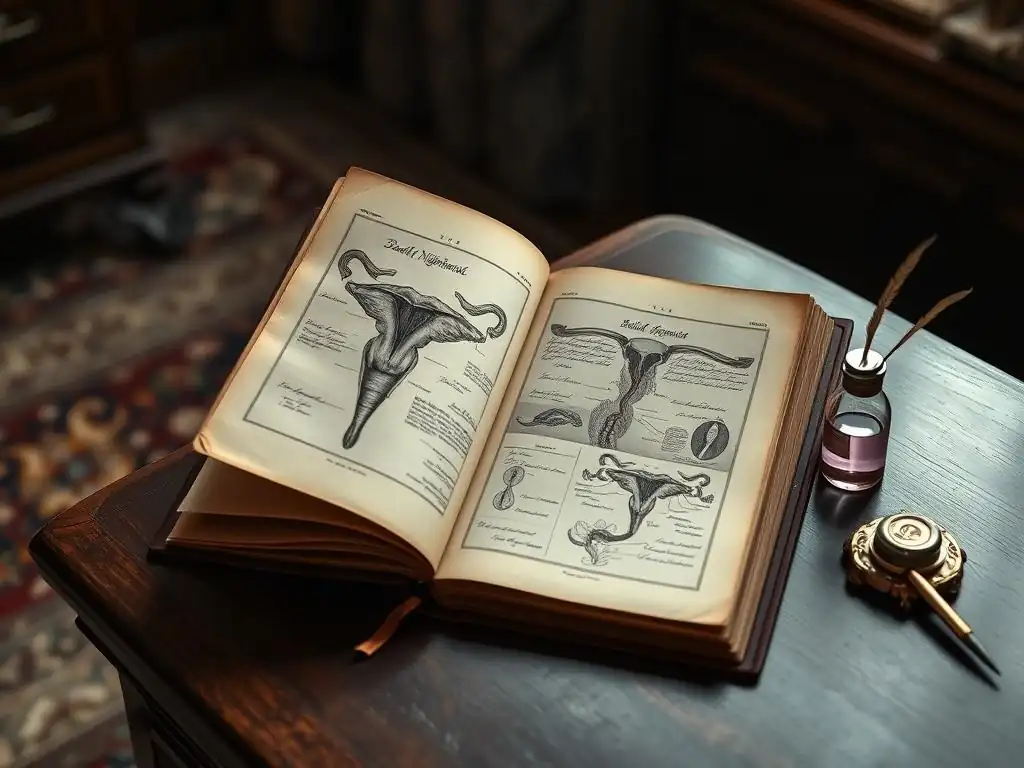
Advancements in Obstetrics and Gynecology: Development of Forceps Delivery
Women had historically been the primary caregivers during childbirth, and in the 19th century, as obstetrics began to formalize, female practitioners continued to play a vital role, often pushing for more humane and hygienic practices. While obstetric forceps were invented centuries earlier, their safe and effective application, as well as the broader understanding of maternal and fetal health during delivery, was a continuous process of refinement. Pioneering female physicians and midwives contributed significantly to this evolving knowledge, often advocating for interventions that prioritized the well-being of both mother and child.
For example, Dr. Anna Broomall, a prominent obstetrician who taught at the Woman's Medical College of Pennsylvania, was renowned for her meticulous attention to antiseptic techniques in delivery rooms, significantly reducing rates of puerperal fever, a common and often fatal postpartum infection. Her emphasis on cleanliness and skilled assistance, along with the broader advocacy by female medical professionals for improved maternal care, represented crucial 19th Century Women Medical Innovations in obstetrics. They promoted a more scientific and compassionate approach to childbirth, moving away from more invasive or unsanitary practices that had plagued previous centuries.
Innovations in Public Health and Sanitation: Promoting Handwashing to Prevent Infection
The 19th century saw the nascent understanding of germ theory, and while figures like Ignaz Semmelweis and Joseph Lister are credited with advocating for antiseptic practices, women were often at the forefront of implementing these life-saving measures, particularly in public health and domestic settings. Florence Nightingale's revolutionary work in military hospitals, as detailed previously, vividly demonstrated the power of improved sanitation, ventilation, and hygiene in preventing disease. Her rigorous protocols for cleaning, waste disposal, and patient care were fundamental public health 19th Century Women Medical Innovations.
Beyond Nightingale, countless other women, both professional nurses and lay caregivers, championed the simple yet profoundly effective practice of handwashing and general cleanliness in homes and public institutions. They understood intuitively, or through observation, that dirt and disease were linked, long before germ theory was fully accepted. Their relentless efforts to promote basic hygiene, clean water, and proper nutrition were vital in combating infectious diseases like cholera and typhoid, which ravaged urban populations. These practical, yet often uncelebrated, contributions significantly improved community health outcomes and laid the groundwork for modern public health initiatives.
Contributions to Pharmaceutical Knowledge and Herbal Remedies
For centuries, women were the primary custodians of medicinal plant knowledge and the formulators of herbal remedies within their communities. In the 19th century, as medicine began to professionalize and pharmacology emerged as a distinct field, some women transitioned this traditional knowledge into more systematic pharmaceutical understanding. While formal pharmaceutical training was largely inaccessible, many female practitioners incorporated sophisticated knowledge of botanicals and their properties into their medical practices, often relying on centuries of accumulated wisdom.
For instance, Dr. Susan La Flesche Picotte, the first Native American female physician, who graduated in 1889, exemplified this blending of traditional and Western medical knowledge. She utilized her understanding of indigenous herbal remedies alongside conventional pharmaceutical practices to provide comprehensive care to her Omaha tribe. Furthermore, women often managed family apothecaries or worked as assistants, gaining practical experience in compounding medicines. These practical contributions to pharmaceutical knowledge and the continuous refinement of herbal remedies represent significant, albeit often informal, 19th Century Women Medical Innovations that enriched the therapeutic landscape of the era.
Enduring Legacy: Shaping Modern Medicine
Inspiring Future Generations of Female Healthcare Professionals
The struggles and triumphs of 19th-century women in medicine have created an enduring legacy that continues to inspire countless female healthcare professionals today. Their courage in challenging deeply entrenched societal norms and their relentless pursuit of education and professional recognition paved the way for the dramatic increase in women's participation in medicine over the past century. These pioneers demonstrated that intellectual capability and dedication know no gender, shattering the myth that women were unsuited for scientific or medical careers.
Today, women constitute a substantial majority of students in medical schools in many parts of the world; for instance, in the United States, women have comprised over 50% of medical school matriculants since 2017. This remarkable transformation from a century and a half ago, when virtually no women were admitted to medical programs, is a direct testament to the foundational work of these early trailblazers.
Their stories of resilience and groundbreaking 19th Century Women Medical Innovations serve as powerful role models, encouraging young women to pursue careers in science, technology, engineering, and medicine, knowing that the path, though still challenging, is now far more accessible.
The Ongoing Pursuit of Gender Equality in Medicine
While significant progress has been made since the 19th century, the legacy of these pioneering women also serves as a poignant reminder that the pursuit of true gender equality in medicine is an ongoing journey. Despite women's strong representation in medical school admissions, disparities persist in leadership positions, research funding, and pay within the medical profession. For example, in many countries, women hold a disproportionately small number of senior leadership roles in hospitals, medical schools, and research institutions, often less than 20% of positions like hospital CEOs or department chairs.
The historical context provided by the 19th Century Women Medical Innovations highlights the long-standing nature of these challenges and the continued need for advocacy and systemic change. Understanding the obstacles faced by figures like Elizabeth Blackwell and Sophia Jex-Blake underscores the importance of addressing unconscious biases, promoting equitable opportunities, and ensuring that women's voices and contributions are fully recognized and valued at all levels of healthcare. Their fight for access and recognition continues to resonate in contemporary efforts to achieve full parity in medical practice and leadership.
Application of Statistical Analysis in Epidemiology: Nightingale's Impact
One of the most profound and lasting 19th Century Women Medical Innovations was Florence Nightingale's pioneering application of statistical analysis to public health and hospital administration, which laid a critical foundation for modern epidemiology. Her rigorous collection and graphical representation of data during the Crimean War fundamentally changed how public health problems were identified, analyzed, and addressed. Her "Diagram of the Causes of Mortality in the Army in the East" (1858) visually demonstrated that preventable diseases, rather than combat wounds, were the primary cause of death among soldiers, compelling policymakers to enact sweeping sanitary reforms.
This innovative use of statistics to identify patterns of disease and evaluate interventions was revolutionary. It shifted medical practice from anecdotal observation to evidence-based decision-making, a cornerstone of contemporary medicine and public health. Nightingale's work proved the immense value of data in understanding disease transmission, evaluating the effectiveness of healthcare interventions, and informing public policy. Her methodological approach continues to be applied in epidemiological studies, public health campaigns, and hospital quality improvement initiatives worldwide, making her contributions a timeless example of the impact of 19th Century Women Medical Innovations.
Conclusion: Celebrating the Lasting Influence of 19th-Century Women in Medicine
Honoring the Pioneers: Preserving Their Contributions
The narratives of 19th-century women in medicine are powerful testaments to human resilience, intellect, and an unwavering commitment to improving health outcomes against formidable odds. Figures like Elizabeth Blackwell, Florence Nightingale, Mary Putnam Jacobi, and Sophia Jex-Blake, along with countless others whose names may be less known, collectively forged pathways that transformed medical education, patient care, and public health. It is imperative that their extraordinary contributions and the context of their 19th Century Women Medical Innovations are not only remembered but actively celebrated and integrated into the broader historical narrative of science and medicine.
Preserving their stories ensures that future generations understand the true scope of medical progress and the diverse individuals who shaped it. Educational institutions, historical societies, and digital platforms play a crucial role in highlighting these unsung heroes, ensuring that their bravery, ingenuity, and profound impact on healthcare are fully acknowledged. By honoring these pioneers, we reinforce the message that scientific and medical advancements are the result of collective human effort, regardless of gender or societal barriers.
Resilience and Innovation: A Testament to 19th-Century Women's Medical Achievements
The enduring legacy of 19th-century women in medicine is a compelling narrative of resilience and groundbreaking innovation. Faced with overt discrimination, limited resources, and deeply entrenched prejudices, these women not only persisted in their pursuit of medical knowledge but also introduced practices, theories, and institutional changes that continue to benefit society today. Their innovations were not confined to the laboratory or the operating theatre; they extended to the very structure of medical education, the philosophy of patient care, and the public's understanding of health and disease.
The 19th Century Women Medical Innovations they championed—from the professionalization of nursing and the advocacy for public hygiene to the establishment of medical schools for women and the challenge to archaic medical beliefs—were foundational. They demonstrated an extraordinary capacity for intellectual leadership and practical problem-solving in the face of adversity. Their achievements serve as a powerful reminder that progress often requires challenging the status quo, and that the contributions of all individuals, regardless of their historical context or societal standing, are invaluable to the advancement of human knowledge and well-being.
Frequently Asked Questions
What were some of the major challenges faced by 19th-century women seeking to contribute to medical innovations?
Women faced significant barriers including limited access to education and research facilities, societal expectations dictating their roles, and prevalent gender discrimination within the scientific community.
Can you give an example of a 19th-century woman who made a significant contribution to medical innovations?
Elizabeth Blackwell, the first woman to receive a medical degree in the US, pioneered in the field of medical education for women and promoted hygiene practices.
How did 19th-century women overcome the obstacles they faced in pursuing medical innovations?
Many persevered through self-education, established their own institutions, and collaborated with like-minded individuals to create opportunities and advocate for change.
What types of medical innovations were 19th-century women involved in?
Their contributions spanned across various fields, including surgery, nursing, hygiene, midwifery, and the development of new medical treatments and public health initiatives.
Why is it important to recognize the contributions of 19th-century women to medical innovations?
Highlighting their achievements helps to address historical gender imbalance in science, inspires future generations of female scientists, and provides a more complete understanding of medical history.
Final Reflection: The Enduring Legacy of Innovation
The stories of these 19th-century women, once relegated to the footnotes of history, now resonate with a powerful urgency. Their groundbreaking medical innovations, born from a time of immense societal constraints, serve as a potent reminder that progress often emerges from the margins. Their contributions are not just historical artifacts; they are living testaments to the enduring power of ingenuity and the unwavering spirit of those who dared to challenge the status quo.
The impact of these women extends far beyond the specific medical advancements they pioneered. Their very existence as female innovators in a male-dominated field continues to inspire and empower generations of women in STEM. They shattered glass ceilings and paved the way for future generations to pursue their passions without limitation. Well-behaved women seldom make history.
This quote, often attributed to Laurel Thatcher Ulrich, perfectly encapsulates the spirit of these pioneering women who defied expectations and left an indelible mark on the world.
As we reflect on the legacy of these unsung heroes, let us not only celebrate their achievements but also commit to fostering a world where innovation knows no gender. Let their stories serve as a constant reminder that the pursuit of knowledge and the betterment of humanity are endeavors that demand the contributions of all. Consider how you can champion inclusivity and empower marginalized voices in your own sphere of influence, ensuring that the echoes of these 19th-century women continue to inspire progress for generations to come.
Amplify Their Echo: Honor the Women Who Changed Medicine
Thank you for joining us on this journey through the groundbreaking contributions of 19th-century women in medicine. We hope you've found inspiration and a renewed appreciation for their enduring impact. Ready to keep their legacy alive?
Here are a few ways you can:
- Commit to learning about another overlooked female figure in science this month. Let their stories empower you.
- Share this article to ignite conversations within your network and introduce others to these remarkable pioneers.
- Explore the "Women in Science History" website and nominate a deserving woman whose story deserves to be told.
What small step will you take today to ensure these voices from the past continue to inspire the future of science?