
Legacies in Lab Coats: How Pioneering Women Shaped Modern Medical Ethics and Patient Care

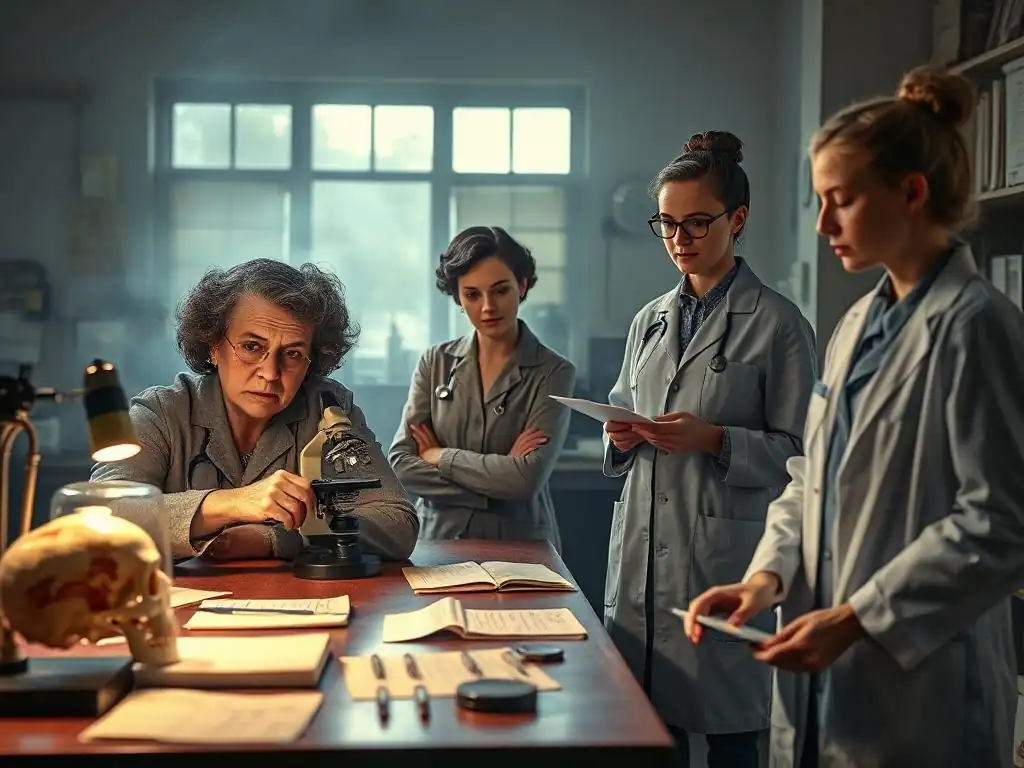
Welcome to WomenInScienceHistory.com!
Delve into the captivating world of women who defied expectations and revolutionized science. Today, we're exploring Women’s medical ethics history and uncovering the often-unsung legacies of female pioneers who shaped modern patient care. But how did their experiences in a male-dominated field influence their unique approach to medical ethics? Join us as we uncover their groundbreaking contributions in the realm of Biology & Medicine and the profound impact they continue to have on the world.
- Introduction: The Unsung Heroines of Medical Ethics
-
Frequently Asked Questions
- How did early women in science contribute to the field of medical ethics?
- What specific challenges did women face when trying to influence medical ethics historically?
- Can you provide an example of a pioneering woman who significantly impacted modern medical ethics?
- Why is it important to study the history of women's contributions to medical ethics?
- How does "WomenInScienceHistory.com" aim to shed light on women's contributions to medical ethics history?
- Final Reflection: The Enduring Echoes of Ethical Innovation
- Inspire Change: Continue the Legacy of Compassionate Care!
Introduction: The Unsung Heroines of Medical Ethics
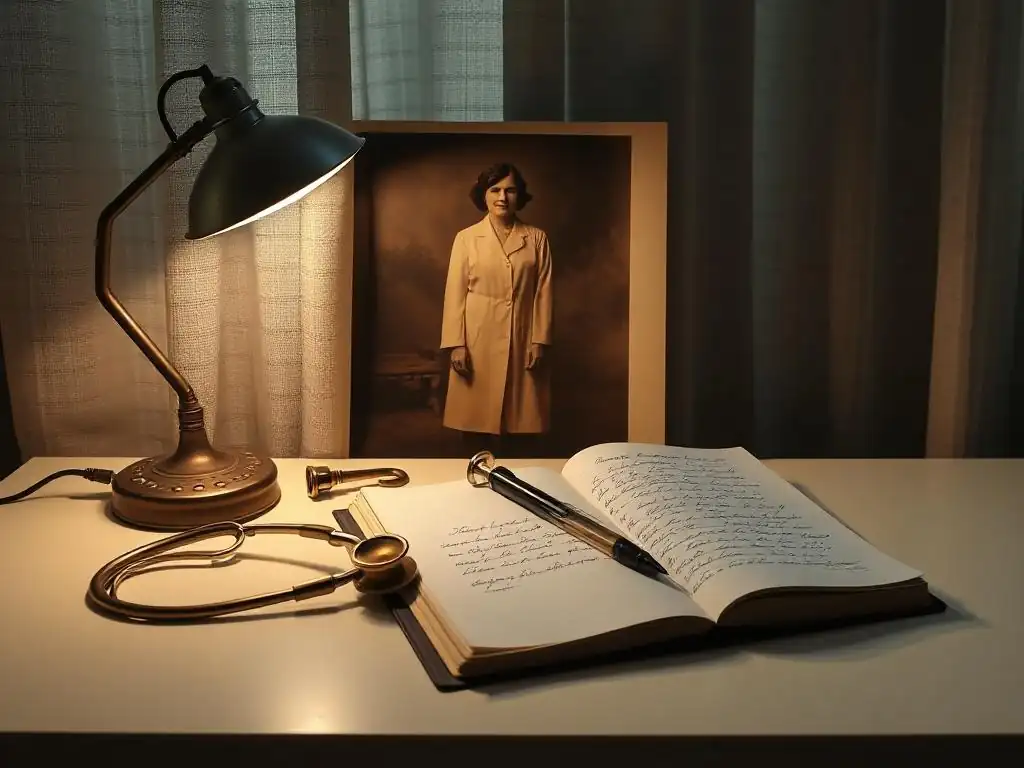
Recognizing the Critical Role of Women in Shaping Healthcare's Moral Compass
The evolution of medical ethics is a complex tapestry woven with philosophical debates, scientific advancements, and profound societal shifts. While the narrative often centers on male figures and established institutions, a closer examination of women's medical ethics history reveals an essential, albeit often understated, contribution from pioneering women.
These remarkable individuals, frequently operating on the fringes of a male-dominated profession, brought invaluable perspectives that challenged conventional practices and laid the groundwork for the patient-centered, ethically sound healthcare systems we strive for today. Their struggles for recognition and their inherent commitment to compassionate care directly influenced the development of principles such as informed consent, patient advocacy, and end-of-life dignity.
From the earliest days when women first sought entry into medical schools to the modern era of complex biotechnological dilemmas, the moral compass of healthcare has been subtly yet significantly guided by female voices. These women, through their direct patient interactions, groundbreaking research, and tireless advocacy, instilled a deeper sense of empathy and a stronger ethical framework into medical practice. Their legacy is evident in the foundational tenets of modern bioethics, underscoring the critical need to acknowledge and celebrate the profound impact these unsung heroines had on shaping a more humane and just healthcare landscape.
Frequently Asked Questions
How did early women in science contribute to the field of medical ethics?
Early women in science significantly influenced medical ethics by advocating for patient autonomy and informed consent. Their work often challenged the prevailing male-dominated medical establishment.
What specific challenges did women face when trying to influence medical ethics historically?
Women faced systemic discrimination and were often excluded from positions of power where ethical decisions were made. They also battled against gender biases that questioned their authority and expertise.
Can you provide an example of a pioneering woman who significantly impacted modern medical ethics?
While many contributed, Florence Nightingale is a notable example. Her emphasis on patient-centered care and hygiene standards profoundly shaped ethical considerations in healthcare and hospital administration.
Why is it important to study the history of women's contributions to medical ethics?
Studying this history reveals the overlooked perspectives and contributions of women. It helps us understand how gender biases shaped medical practices and promotes a more inclusive and equitable future.
How does "WomenInScienceHistory.com" aim to shed light on women's contributions to medical ethics history?
The website features biographies of pioneering female scientists and discusses their groundbreaking work. It also highlights the challenges they faced and aims to inspire future generations by showcasing their impact.
Final Reflection: The Enduring Echoes of Ethical Innovation
The stories we've explored in "Legacies in Lab Coats" are not just historical accounts; they are living blueprints for a more compassionate and equitable future in healthcare. The challenges these pioneering women faced, and the ethical frameworks they forged, resonate powerfully today as we grapple with complex issues like access to care, informed consent, and the evolving role of technology in medicine. Their struggles remind us that progress is not a given, but a continuous effort demanding vigilance and a commitment to ethical principles.
The impact of these women extends far beyond the operating room or the research lab. Their dedication to patient-centered care and ethical practice has profoundly shaped the cultural landscape of medicine, fostering a greater awareness of the patient's autonomy and the importance of empathy. Personally, I find their unwavering commitment to ethical principles incredibly inspiring, especially in a world that often prioritizes efficiency over compassion. The good physician treats the disease; the great physician treats the patient who has the disease.
- William Osler. This quote encapsulates the very essence of the ethical revolution these women championed and continues to inspire.
As we close this chapter on "Women's medical ethics history," let us not simply admire their achievements from afar. Instead, let us internalize their lessons and strive to embody their spirit of ethical innovation in our own lives. Whether you are a healthcare professional, a patient, or simply a concerned citizen, remember that you have a role to play in shaping a more just and compassionate healthcare system. Embrace the legacy of these pioneering women, and let their courage and commitment guide you in your own pursuit of ethical excellence.
Inspire Change: Continue the Legacy of Compassionate Care!
Thank you for exploring the remarkable contributions of women who revolutionized medical ethics and patient care. Now, it's your turn to build upon their legacy and advocate for a more compassionate and equitable future in healthcare.
Here are a few ways you can take action:
- Commit to championing ethical practices in your daily life, whether you're a healthcare professional, a patient, or simply an advocate for human rights.
- Share this article with friends, family, and colleagues to spread awareness of these pioneering women and their enduring impact.
- Consider donating to organizations that support women in STEM or provide accessible and ethical healthcare to underserved communities.
What specific action will you take today to honor these legacies and ensure that compassion remains at the heart of medical practice?