
Beyond the Microscope: Women Immunologists on the Frontlines of Disease Defense

Welcome to WomenInScienceHistory.com!
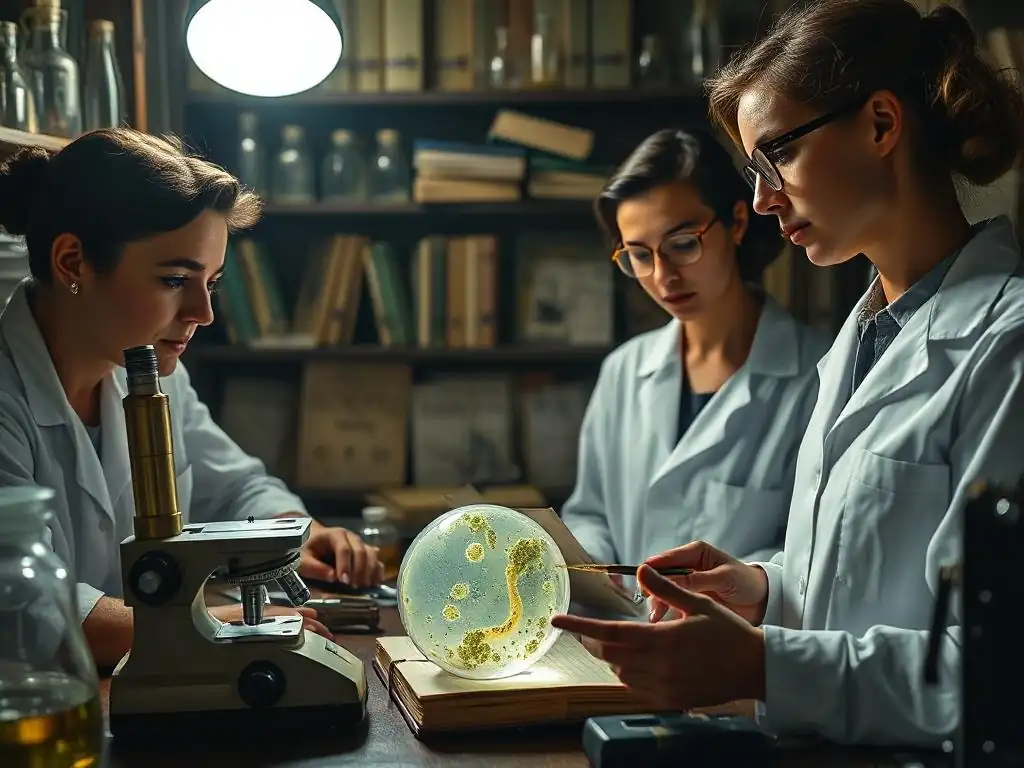
Dive into the fascinating world of science and discover the untold stories of remarkable women who shaped our understanding of the universe. In this article, we explore the historical research challenges faced by women immunologists, those unsung heroes on the frontlines of disease defense. What obstacles did they overcome, and how did their groundbreaking work pave the way for modern medicine? Prepare to be inspired by their resilience and brilliance as we uncover their pivotal contributions to Biology & Medicine.
- Introduction: Honoring the Pioneering Women in Immunology
- Early Pioneers: Laying the Foundation for Immunology
- Mid-20th Century Advances: Women at the Forefront of Immunological Breakthroughs
- Modern Immunology: Women Leading the Fight Against Global Health Threats
- The Unique Challenges Faced by Women Immunologists
- Highlighting Specific Research Areas and Contributions
- Inspiring Future Generations: The Legacy of Women Immunologists
- Conclusion: Continuing the Legacy of Women in Immunology
-
Frequently Asked Questions
- What are some of the major historical research challenges faced by women immunologists?
- Why is it important to highlight the contributions of women in immunology history?
- What kind of groundbreaking work did women immunologists accomplish throughout history?
- Where can I find more information about women in science history, specifically focusing on immunology?
- How can we help promote and support women immunologists today?
- Final Reflection: Amplifying Voices in Immunity
- Empower Her Story: Become an Advocate for Women in Immunology!
Introduction: Honoring the Pioneering Women in Immunology
Women in Science History: Recognizing Immunological Contributions
Immunology, the study of the immune system and its role in defending the body against disease, stands as a cornerstone of modern medicine. From vaccine development to understanding autoimmune disorders and pioneering cancer therapies, immunological advancements have profoundly shaped human health. Throughout history, women have played pivotal, yet often unacknowledged, roles in pushing the boundaries of this critical scientific field. Their dedication and intellectual prowess have contributed to breakthroughs that save countless lives and improve global well-being.
This article, featured on WomenInScienceHistory.com, aims to illuminate the invaluable contributions of women immunologists, highlighting their groundbreaking research, the formidable challenges they overcame, and their enduring legacy. By shedding light on these narratives, we celebrate their achievements and inspire future generations to pursue careers in science, particularly in the dynamic field of immunology.
Addressing the Historical Underrepresentation of Women in Immunology
For centuries, women faced systemic barriers to education, research opportunities, and professional recognition within the scientific community. These obstacles were particularly pronounced in demanding fields like immunology, which required extensive laboratory work and access to often male-dominated institutions. As a result, the pioneering work of many women immunologists has been historically underrepresented in scientific literature and public discourse. Their names and discoveries often remained obscured, overshadowed by their male counterparts, or simply not given the prominence they deserved.
Addressing this historical imbalance is crucial not only for rectifying past injustices but also for providing comprehensive and accurate accounts of scientific progress. By acknowledging the significant contributions of women immunologists, we gain a fuller understanding of how immunology evolved and recognize the diversity of talent that propelled its advancements, despite the considerable women immunologists historical research challenges they faced.
Early Pioneers: Laying the Foundation for Immunology
Almroth Wright and the Development of Vaccines
Sir Almroth Wright, a prominent British bacteriologist in the late 19th and early 20th centuries, is widely recognized for his significant contributions to vaccine therapy, particularly his work on the typhoid vaccine. His research at St Mary's Hospital in London laid crucial groundwork for understanding how specific antibodies could confer immunity, influencing the nascent field of immunology. Wright’s laboratory became a hub for groundbreaking research into bacterial infections and the body's defensive mechanisms.
While Wright's name is often highlighted, the extensive and meticulous laboratory work required for these discoveries often relied on a diverse, though often uncredited, workforce. This era saw the gradual emergence of women into scientific roles, frequently as assistants or technicians, laying the groundwork for their future independent contributions despite the prevailing institutional and societal restrictions.
Overcoming Obstacles: Early Research Challenges for Women in Bacteriology and Immunology
The late 19th and early 20th centuries presented immense women immunologists historical research challenges. Women seeking to enter scientific fields like bacteriology and immunology faced pervasive gender discrimination, limited access to formal education, and outright exclusion from university laboratories and professional societies. Even when they managed to secure positions, these were often unpaid, uncredited, or relegated to supportive roles with little opportunity for independent research or recognition. For instance, many early women scientists conducted their work in isolated settings or as part of larger teams where their specific contributions were not highlighted.
Furthermore, securing funding, publishing in prestigious journals, and gaining faculty appointments were formidable hurdles. Publications by women were often co-authored with male colleagues who received primary credit, or their findings were simply dismissed. This environment meant that groundbreaking discoveries made by women might be attributed elsewhere or simply fail to gain traction, severely impacting their careers and the visibility of their vital work.
The Impact of Early Female Researchers on Vaccine Development and Understanding Immune Responses
Despite formidable obstacles, early female researchers made quiet yet profound impacts on vaccine development and the burgeoning understanding of immune responses. Figures like Anna W. Williams, an American bacteriologist, made critical contributions to the understanding of diphtheria antitoxin at the turn of the 20th century. Her meticulous work on strain identification was crucial for producing effective antitoxins, even though her name is less commonly known than others in the field.
Similarly, Alice Evans, another American bacteriologist, proved in the 1910s that Brucella abortus, which caused abortions in cattle, could also cause undulant fever in humans through contaminated raw milk. Her perseverance in the face of skepticism from the male scientific establishment eventually led to the pasteurization of milk in the United States, a public health measure that saved countless lives. These women, among others, demonstrated exceptional scientific rigor and resilience, laying foundational elements for public health immunology and vaccine strategies.
Mid-20th Century Advances: Women at the Forefront of Immunological Breakthroughs
Baruj Benacerraf and the Discovery of Major Histocompatibility Complex (MHC) Genes
The discovery of the Major Histocompatibility Complex (MHC) genes by Baruj Benacerraf, Jean Dausset, and George Snell, for which they received the Nobel Prize in Physiology or Medicine in 1980, revolutionized the understanding of immune recognition. MHC molecules are crucial for the immune system to distinguish between self and non-self cells, playing a central role in transplant rejection, autoimmune diseases, and the immune response to pathogens. This breakthrough opened new avenues for research in transplantation immunology and disease susceptibility.
While male scientists often received primary credit for these monumental discoveries, the complex and interdisciplinary nature of MHC research involved numerous dedicated researchers. Women scientists contributed significantly to the broader understanding of immune genetics, tissue typing, and the intricate mechanisms of immune recognition that underpinned these Nobel-winning insights, often working in supporting or collaborative roles that were essential to the overall progress.
The Rise of Female Immunologists After World War II
The post-World War II era marked a gradual, albeit slow, shift in opportunities for women in science, including immunology. The expansion of research institutions and the increasing demand for scientific expertise began to open more doors for women to pursue advanced degrees and research positions. Universities and medical schools started admitting more female students, leading to a modest increase in the number of women entering professional scientific careers.
This period saw more women transition from supportive laboratory roles to leading their own research projects, contributing to the professionalization and diversification of the immunological field. While significant gender disparities persisted, the growing presence of women in research labs across Europe and North America laid the groundwork for their more prominent roles in subsequent decades, influencing the direction of immunological inquiry.
Contributions to Understanding Autoimmune Diseases by Women Researchers
Women researchers have made profound contributions to unraveling the complexities of autoimmune diseases, where the immune system mistakenly attacks the body's own tissues. Their work has been instrumental in identifying specific autoantibodies, understanding genetic predispositions, and developing diagnostic criteria for conditions like lupus, rheumatoid arthritis, and multiple sclerosis. For example, early research on the identification of antinuclear antibodies (ANAs), crucial markers for systemic lupus erythematosus, involved the meticulous work of many female scientists in diagnostic laboratories.
Their investigations have helped to clarify the cellular and molecular mechanisms underlying these debilitating conditions, paving the way for targeted therapies. By meticulously studying patient samples and conducting innovative laboratory experiments, these women have advanced diagnostic precision and improved the quality of life for millions affected by autoimmune disorders, often overcoming significant women immunologists historical research challenges in their pursuit of knowledge.
Modern Immunology: Women Leading the Fight Against Global Health Threats
Women Immunologists Researching HIV/AIDS
The global fight against HIV/AIDS has been profoundly shaped by the groundbreaking work of women immunologists. Françoise Barré-Sinoussi, a French virologist, co-discovered the human immunodeficiency virus (HIV) in 1983, a monumental achievement for which she shared the Nobel Prize in Physiology or Medicine in 2008. Her work was pivotal in understanding the cause of AIDS and developing diagnostic tests and antiretroviral therapies.
Beyond this seminal discovery, countless other women immunologists have dedicated their careers to understanding HIV's interaction with the immune system, developing effective treatments, and pursuing a vaccine. Their research spans from elucidating viral pathogenesis and immune evasion mechanisms to designing clinical trials for new drugs and prevention strategies, making substantial progress in transforming HIV from a death sentence into a manageable chronic condition.
Female Scientists and the Battle Against Emerging Infectious Diseases
In recent decades, female scientists have been at the forefront of the rapid response to emerging infectious diseases, demonstrating exceptional leadership and scientific acumen. During the COVID-19 pandemic, for instance, Dr. Kizzmekia Corbett, an American viral immunologist, played a crucial role in leading the National Institutes of Health (NIH) team that developed the Moderna mRNA vaccine. Her work exemplified the critical contributions of women in rapidly understanding novel pathogens and translating that knowledge into life-saving interventions.
From tracking outbreaks and developing diagnostic tools to designing novel vaccines and therapeutics for diseases like Ebola, Zika, and MERS, women immunologists are indispensable to global health security. Their expertise in pathogen biology, immune responses, and public health strategies is vital for mitigating the impact of future pandemics and protecting populations worldwide.
Advancements in Cancer Immunotherapy Led by Women
Cancer immunotherapy, a revolutionary approach that harnesses the body's own immune system to fight cancer, has seen significant advancements driven by women researchers. Scientists like Dr. Carl June, but also many pioneering women, have contributed to the development of CAR T-cell therapy, a highly personalized treatment where a patient's T cells are genetically engineered to target cancer cells. Women have been instrumental in optimizing these complex cellular therapies and expanding their application to various cancers.
Furthermore, women immunologists are leading research into checkpoint inhibitors, oncolytic viruses, and therapeutic cancer vaccines, pushing the boundaries of what is possible in oncology. Their work is transforming cancer treatment paradigms, offering hope to patients with previously intractable diseases, and continues to shape the future of personalized medicine.
The Unique Challenges Faced by Women Immunologists
Gender Bias in Scientific Funding and Recognition
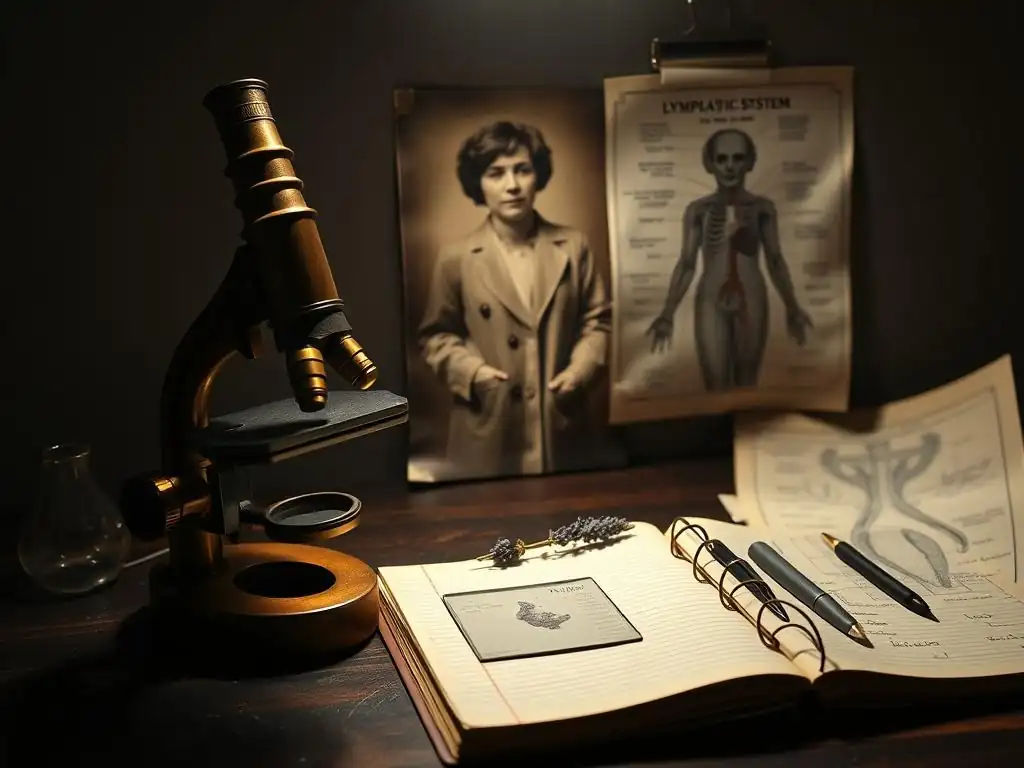
Despite significant progress, gender bias remains a persistent challenge for women immunologists, particularly concerning scientific funding and recognition. Studies across various scientific disciplines have historically shown that women principal investigators tend to receive less research funding than their male counterparts for comparable proposals. For example, a 2019 study published in JAMA Internal Medicine found that female principal investigators received significantly less NIH funding than male counterparts. This disparity can limit research scope, stifle innovation, and hinder career advancement.
Furthermore, women are often underrepresented in prestigious awards, leadership positions, and editorial boards of scientific journals. This "Matilda effect," where women's achievements are underrecognized or attributed to men, persists, contributing to the historical research challenges for women immunologists and diminishing their visibility and influence within the scientific community.
Balancing Career and Family: A Persistent Challenge
The demanding nature of a career in immunology, which often involves long hours, extensive lab work, and international collaborations, presents unique challenges for women balancing professional aspirations with family responsibilities. Societal expectations often place a disproportionate burden of childcare and domestic duties on women, leading to difficult choices between career progression and family life. The lack of adequate institutional support, such as accessible and affordable childcare, flexible work arrangements, and clear parental leave policies, exacerbates this issue.
This imbalance can lead to career breaks, slower publication rates, and attrition from the field, particularly at critical career junctures. Addressing these systemic issues is vital to retain talented women in immunology and ensure their full participation and leadership in scientific discovery.
Mentorship and Support Networks for Women in Immunology
Historically, the scarcity of senior female immunologists meant fewer direct mentors for aspiring women scientists, posing additional women immunologists historical research challenges. Mentorship is crucial for navigating academic politics, securing funding, and building successful research programs. The absence of strong female role models and dedicated support networks often left women feeling isolated and without clear pathways for advancement.
However, in recent years, there has been a growing recognition of this need, leading to the establishment of formal mentorship programs and informal support networks specifically for women in immunology and STEM. Organizations like the American Association of Immunologists (AAI) and various national bodies now actively promote initiatives designed to empower women through networking events, leadership training, and tailored mentorship, fostering a more inclusive and supportive environment.
Highlighting Specific Research Areas and Contributions
Women Leading Research on Autoimmunity and Immune Dysregulation
Women immunologists continue to lead cutting-edge research in autoimmunity and immune dysregulation, expanding on the foundational work of earlier pioneers. Their investigations are crucial in understanding the complex interplay of genetic, environmental, and immunological factors that lead to conditions such as rheumatoid arthritis, inflammatory bowel disease, and type 1 diabetes. For instance, women are at the forefront of studies identifying novel biomarkers for early diagnosis and predicting disease progression, enabling more timely and effective interventions.
Their research also focuses on developing innovative therapeutic strategies, including targeted biologics and cell-based therapies, that aim to restore immune balance without broadly suppressing the immune system. This work is not only advancing scientific knowledge but also significantly improving the lives of millions affected by these chronic and often debilitating conditions.
Exploring the Role of Women in Allergy and Asthma Research
The intricate fields of allergy and asthma research have benefited immensely from the contributions of women scientists. Their work spans from understanding the fundamental mechanisms of allergic reactions—such as the role of mast cells, IgE antibodies, and T helper 2 (Th2) cell responses—to identifying environmental triggers and developing effective management strategies. Women have been instrumental in charting the cellular pathways involved in anaphylaxis and chronic inflammatory airway diseases.
Furthermore, female researchers are leading efforts in clinical trials for new allergy treatments, including allergen-specific immunotherapies and novel anti-inflammatory drugs. Their dedication to this area has led to improved diagnostic tools, better patient education, and more personalized treatment plans, significantly enhancing the quality of life for individuals suffering from allergies and asthma worldwide.
Female Researchers Contributing to Transplantation Immunology
Transplantation immunology, a highly specialized field focused on preventing organ rejection and managing graft-versus-host disease, has seen critical advancements driven by female researchers. Building upon the foundational discoveries of MHC, women have contributed significantly to refining tissue matching techniques, understanding the nuances of immune tolerance, and developing safer immunosuppressive regimens. Their work is essential for improving the long-term success rates of organ and tissue transplants.
These researchers are also exploring innovative strategies, such as inducing specific immune tolerance to transplanted organs, to minimize the need for lifelong immunosuppression and its associated side effects. Their meticulous laboratory work and clinical studies have directly translated into better outcomes for transplant recipients, expanding the possibilities for life-saving procedures.
Inspiring Future Generations: The Legacy of Women Immunologists
The Importance of Role Models in STEM Fields
Visible role models are paramount in inspiring young women to pursue careers in Science, Technology, Engineering, and Mathematics (STEM). When young girls and women see successful female immunologists leading groundbreaking research, publishing influential papers, and receiving prestigious awards, it dismantles stereotypes and demonstrates that a career in science is not only attainable but also incredibly rewarding. These role models provide tangible proof of what is possible, encouraging aspiring scientists to overcome self-doubt and societal pressures.
By highlighting the stories of women immunologists, WomenInScienceHistory.com aims to provide these essential role models. Their journeys, marked by perseverance, intellectual curiosity, and significant achievements despite historical research challenges for women immunologists, serve as powerful motivators for the next generation of female scientists.
Encouraging Young Women to Pursue Careers in Immunology
Encouraging young women to pursue careers in immunology is vital for the future of global health. The field is dynamic, constantly evolving, and offers immense opportunities to make a tangible impact on human well-being, from developing new vaccines to curing autoimmune diseases and pioneering cancer treatments. Initiatives such as science camps, mentorship programs, and scholarships specifically targeting young women are crucial in fostering early interest and providing the necessary support to navigate academic and career pathways.
By showcasing the exciting discoveries and the profound societal impact of immunological research, and by emphasizing the diverse roles available within the field, we can attract more female talent. Cultivating an inclusive environment where young women feel empowered to explore complex scientific questions will ensure a richer, more diverse pool of future immunologists.
Celebrating the Ongoing Achievements of Women in Immunology
Celebrating the ongoing achievements of women in immunology is not merely an act of recognition; it is an imperative for fostering a truly equitable and innovative scientific landscape. By actively highlighting their current contributions—whether in developing novel therapies for infectious diseases, unraveling the mysteries of the immune system, or leading international research collaborations—we reinforce their value and presence. This ongoing celebration ensures that their work receives the visibility and respect it deserves, directly countering the historical underrepresentation and women immunologists historical research challenges they faced.
Furthermore, publicizing these successes creates a positive feedback loop, inspiring more women to enter and remain in the field, knowing their work will be recognized and celebrated. It underscores that immunology thrives when all voices are heard and all talents are leveraged.
Conclusion: Continuing the Legacy of Women in Immunology
The Future of Immunology: A Promising Path for Women Scientists
The future of immunology presents an exceptionally promising path for women scientists. As the field continues to expand rapidly, driven by advancements in genomics, bioinformatics, and cellular engineering, the opportunities for groundbreaking discoveries are immense. The increasing emphasis on interdisciplinary collaboration and global health challenges further broadens the scope for diverse perspectives and leadership. With growing awareness of gender equity in STEM, institutions are slowly but surely implementing policies that support women's career progression, from early career researchers to senior leadership roles.
This evolving landscape means that women immunologists are poised to play an even more dominant role in shaping future medical breakthroughs, addressing complex global health crises, and leading the next generation of scientific inquiry.
Acknowledging the Historical Disparities and Continuing Need for Equity
While significant progress has been made, it is crucial to acknowledge the persistent historical disparities and the continuing need for equity in immunology and across all scientific disciplines. The systemic challenges faced by pioneering women immunologists, including limited access, bias in funding, and lack of recognition, cast a long shadow. These historical research challenges for women immunologists illustrate the importance of ongoing vigilance to ensure that new forms of bias do not emerge and that existing ones are dismantled.
Achieving true equity requires more than just opening doors; it demands active efforts to create inclusive environments, provide robust mentorship, and ensure fair opportunities for funding, promotion, and recognition for all scientists, regardless of gender.
The Ongoing Importance of Supporting and Recognizing Women in Science
The ongoing importance of supporting and recognizing women in science cannot be overstated. By actively promoting their achievements, advocating for equitable opportunities, and fostering supportive networks, we not only empower individual women but also strengthen the entire scientific enterprise. Diverse perspectives lead to more robust research questions, innovative solutions, and a more comprehensive understanding of complex biological systems.
Celebrating the legacy of women immunologists, from the early pioneers who navigated immense challenges to the modern leaders tackling global health threats, reminds us of the invaluable contributions women have made and will continue to make to immunology and humanity. Their stories inspire a future where scientific excellence knows no gender boundaries.
Frequently Asked Questions
What are some of the major historical research challenges faced by women immunologists?
Many faced gender bias in academia and research institutions, limiting access to funding, lab space, and mentorship. They often struggled to be recognized for their contributions, with their work sometimes attributed to male colleagues.
Why is it important to highlight the contributions of women in immunology history?
It's crucial to acknowledge their significant impact on the field, which was often overlooked due to societal biases. Recognizing their achievements helps inspire future generations of female scientists and promotes gender equality in STEM.
What kind of groundbreaking work did women immunologists accomplish throughout history?
They made significant advances in understanding immune system mechanisms, developing vaccines, and identifying disease-causing agents. For example, some pioneered research in antibody production and autoimmune diseases, paving the way for crucial medical advancements.
Where can I find more information about women in science history, specifically focusing on immunology?
Websites like WomenInScienceHistory.com provide biographies, articles, and resources dedicated to celebrating the achievements of female scientists across various fields. They highlight the importance of historical research and the challenges women faced in the field.
How can we help promote and support women immunologists today?
We can encourage STEM education for girls, advocate for gender equality in science institutions, and celebrate the achievements of contemporary female immunologists. This creates a more inclusive and supportive environment for future generations of women in the field.
Final Reflection: Amplifying Voices in Immunity
The narratives shared within "Beyond the Microscope: Women Immunologists on the Frontlines of Disease Defense" are not simply historical accounts; they are urgent reminders of the persistent need for equity and recognition in scientific fields. The challenges faced by these pioneering women immunologists, from systemic bias to limited access, echo in the experiences of many scientists today, underscoring the importance of continued advocacy and support for underrepresented groups.
The impact of these women extends far beyond their individual discoveries; they have shaped the very landscape of immunology and inspired generations of scientists. Their resilience and dedication serve as a powerful testament to the transformative potential of diverse perspectives in scientific inquiry. Science is not a boy's game, it's not a girl's game. It's everyone's game. It's about where we are and where we're going.
- Nichelle Nichols. This quote encapsulates the spirit of inclusivity that we must strive for in all scientific endeavors.
As you reflect on the stories of these remarkable women, consider how you can contribute to a more equitable and inclusive scientific community. Let their perseverance inspire you to challenge biases, amplify marginalized voices, and champion the next generation of immunologists, ensuring that the future of disease defense is shaped by the brilliance of all.
Empower Her Story: Become an Advocate for Women in Immunology!
Thank you for diving into the inspiring world of women immunologists and their groundbreaking contributions. Now, let's translate that inspiration into action!
- Champion a Rising Star: Nominate a deserving woman immunologist for an award or grant, recognizing her vital work and paving the way for future discoveries.
- Share this article! Spread the word about these incredible women and their impact on global health. Spark conversations and inspire the next generation.
- Dive deeper! Research a historical woman immunologist who resonates with you and share your findings with your local school or community group to ignite passion for science.
What small action will you take today to honor the legacy of women in immunology?