
Erased From History? The Fight to Recognize Women's Medical Innovations (19001950)

Welcome to WomenInScienceHistory.com!
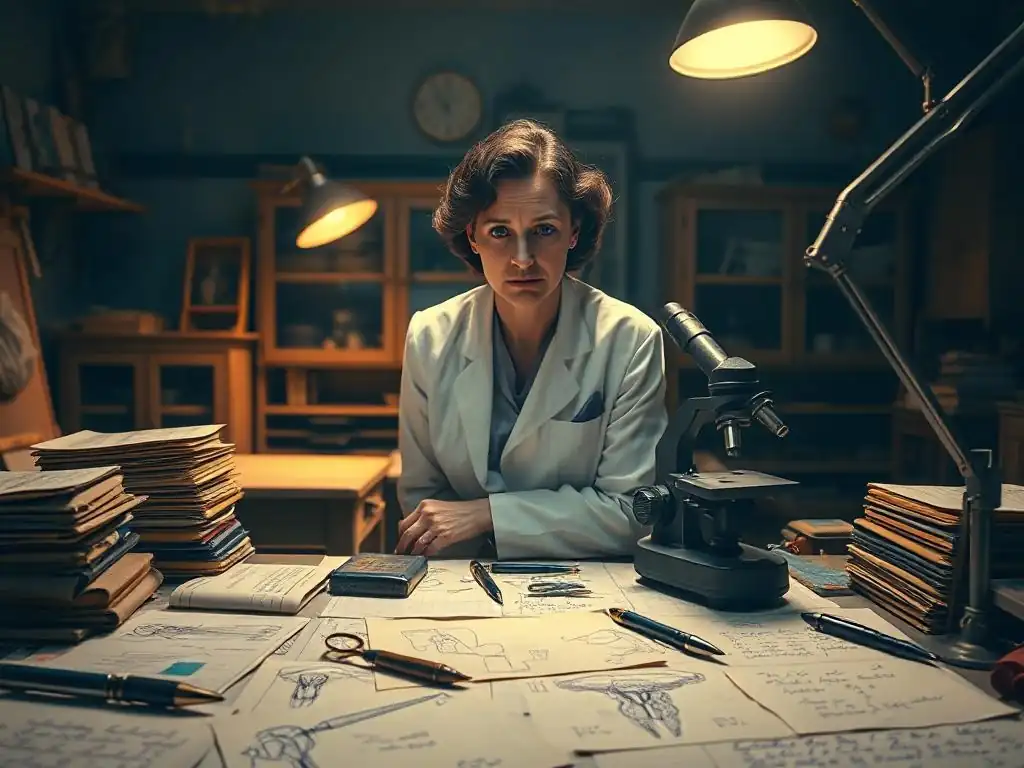
Did you know that countless medical breakthroughs between 1900 and 1950 are attributed to men, despite significant contributions from women? This site delves into the captivating – and often frustrating – history of women’s medical innovation historical recognition during this period. Explore our Biology & Medicine section and discover the untold stories of the brilliant female minds who shaped modern medicine, and the battles they faced to receive the credit they deserved. Are you ready to uncover the truth?
- Introduction: Unveiling Overlooked Contributions of Women in Medicine (1900-1950)
- The Landscape of Medical Innovation (1900-1950): A Male-Dominated World
- Pioneering Women and Their Groundbreaking Medical Innovations
- The Fight for Recognition: Battles Against Institutional Bias
- The Lasting Impact: Celebrating Women's Medical Innovation Historical Recognition
- Conclusion: Ensuring Women’s Medical Innovation Is Never Forgotten
-
Frequently Asked Questions
- What is the primary focus of the "Women in Science History" website?
- What key period does the article "Erased From History? The Fight to Recognize Women's Medical Innovations (1900-1950)" cover?
- What challenges did women in science, particularly in medicine, often face during the early 20th century?
- Why is it important to provide historical recognition for women's medical innovations?
- What is the website's overall goal related to "Women’s medical innovation historical recognition"?
- Final Reflection: Reclaiming Her Story
- Empower Her Legacy: Champion Women in Medicine!
Introduction: Unveiling Overlooked Contributions of Women in Medicine (1900-1950)
Acknowledging the Historical Neglect of Female Medical Pioneers
Throughout history, the groundbreaking contributions of women in various scientific fields have often been overlooked, minimized, or entirely erased from official records. This historical neglect is particularly pronounced in medicine during the early 20th century, a period of immense scientific advancement. While male figures dominated the narratives of discovery, countless women worked tirelessly in laboratories, clinics, and public health initiatives, often without the recognition their innovative work deserved. Their stories, vital to a complete understanding of medical progress, remained largely untold.
This systemic oversight has created a distorted view of medical history, where significant advancements are frequently attributed to men alone, perpetuating a narrative that undervalues the intellectual and practical prowess of women. The struggle for recognition was not merely about personal accolades but about securing a legitimate place for women within the scientific community, ensuring their findings were properly acknowledged and built upon. Without dedicated efforts to unearth these narratives, the full scope of human ingenuity in medicine remains incomplete.
The Purpose of This Article: Recovering Lost Narratives of Women’s Medical Innovation
This article aims to illuminate the profound yet often unacknowledged contributions of women to medical innovation between 1900 and 1950. By delving into specific examples of female pioneers and their groundbreaking discoveries, we seek to recover and celebrate the lost narratives of women’s medical innovation. It is a critical endeavor to correct the historical record and provide a more accurate and inclusive account of medical progress during a transformative era.
Our objective is to highlight not only the scientific achievements themselves but also the formidable challenges these women faced within a male-dominated professional landscape. Achieving women’s medical innovation historical recognition is essential for inspiring future generations of female scientists and physicians, demonstrating that resilience, intellect, and groundbreaking work have always been hallmarks of women in medicine, even when history attempted to silence their impact.
The Landscape of Medical Innovation (1900-1950): A Male-Dominated World
Societal Barriers and Gender Bias in Early 20th Century Medicine
The early 20th century presented a formidable array of societal barriers and entrenched gender bias that actively hindered women's participation and recognition in medicine. Women were largely confined to traditional roles, with societal expectations often steering them away from demanding professional careers like medicine, which were deemed masculine and unsuitable.
Even when women pursued medical training, they frequently encountered skepticism regarding their intellectual capacity and emotional suitability for the rigors of medical practice and research. Professional medical societies and institutions were overwhelmingly male, often operating with informal networks that excluded women, making it difficult for them to gain traction or visibility.
This pervasive bias manifested in various ways, from limited access to medical schools to outright discrimination in hiring and promotion. For instance, in 1910, women constituted less than 5% of all physicians in the United States, a stark indicator of the male dominance. Those few women who did enter the field often faced condescension, were relegated to less prestigious specialties, or found their research contributions minimized. The prevailing attitudes created an environment where achieving significant women’s medical innovation historical recognition was an uphill battle, as their work was frequently undervalued or attributed to male colleagues.
Access to Education and Research Opportunities for Women in the Medical Field
Despite the growing demand for medical professionals, access to comprehensive education and robust research opportunities remained severely restricted for women in the medical field during this period. Many established medical schools either refused to admit women or imposed strict quotas, making entry highly competitive. Even after gaining admission, female students often faced a lack of resources, limited access to clinical training sites, and an unwelcoming atmosphere from male peers and faculty. This created an additional layer of difficulty for aspiring female medical innovators seeking to hone their skills.
Upon graduation, securing prestigious residencies, research fellowships, or faculty positions was an even greater challenge. Women were frequently offered lower-ranking, non-tenure track positions, often as research assistants rather than lead investigators, regardless of their qualifications or intellectual contributions. By 1920, only about 6% of medical school graduates were women, and their representation in research roles was even lower. These systemic limitations severely hampered their ability to lead independent research projects, publish their findings prominently, and ultimately achieve the widespread women’s medical innovation historical recognition they merited.
Pioneering Women and Their Groundbreaking Medical Innovations
Dr. Alice Hamilton and Her Pioneering Work in Industrial Toxicology
The Scientific Breakthrough: Hamilton's Identification of Workplace Poisons
Dr. Alice Hamilton (1869-1970) stands as a towering figure in public health and a pioneer in industrial toxicology, a field she virtually created in the United States. Her groundbreaking work focused on identifying and mitigating the health risks associated with industrial processes, particularly the insidious effects of workplace poisons.
From the early 1910s through the 1920s, Hamilton meticulously investigated industries across the U.S., including lead-white factories, storage battery plants, and munitions factories, to document the prevalence of lead poisoning, carbon monoxide exposure, and other occupational diseases. She pioneered a unique investigative methodology, combining epidemiological studies with direct observation, interviewing workers, and analyzing their health records, often working directly on factory floors to understand the conditions firsthand.
Her landmark research, culminating in her 1925 book "Industrial Poisons in the United States," provided irrefutable evidence of the widespread and devastating impact of industrial toxins on workers' health. Hamilton's findings directly influenced the development of safer industrial practices and informed early labor laws aimed at protecting workers, establishing industrial hygiene as a legitimate and critical area of public health. Her scientific rigor and compassionate approach set the standard for future investigations into occupational health hazards, securing her place as a foundational figure in women’s medical innovation.
Overcoming Obstacles: Hamilton's Challenges as a Female Investigator
Despite her profound scientific contributions, Alice Hamilton faced significant obstacles stemming from her gender within the male-dominated scientific and industrial spheres. As a female investigator, she often encountered skepticism from factory owners and male colleagues who questioned her authority and competence.
Her methods, which involved direct engagement with workers and on-site investigations, were unconventional for the time, especially for a woman. When she was appointed the first female professor at Harvard University in 1919, a monumental achievement, her appointment came with caveats: she was initially not permitted to use the faculty club, attend commencement ceremonies, or receive a full faculty appointment, highlighting the institutional bias prevalent even at the most prestigious universities.
Hamilton navigated these challenges with unwavering determination, using her medical expertise and persuasive communication skills to advocate for the health of industrial workers. Her relentless pursuit of scientific truth and her commitment to public welfare ultimately transcended the gendered barriers of her era, paving the way for greater women’s medical innovation historical recognition in fields previously closed to them. Her legacy is not just one of scientific discovery but also of resilience in the face of systemic discrimination.
Dr. Gerty Cori and Her Work on Carbohydrate Metabolism
The Impact of Cori's Research on Understanding Diabetes
Dr. Gerty Cori (1896-1957), a brilliant biochemist, made monumental contributions to understanding carbohydrate metabolism, work that profoundly impacted the understanding and eventual treatment of diseases like diabetes. Working collaboratively with her husband, Carl Cori, she meticulously unraveled the complex biochemical pathways by which the body converts glucose into glycogen for storage and then breaks it down for energy.
Their most famous discovery, the "Cori cycle," elucidated the metabolic pathway involving the interconversion of lactic acid and glucose, particularly in muscle and liver tissue. This fundamental insight explained how energy is generated and stored, providing a cornerstone for modern biochemistry and endocrinology.
Their research also led to the isolation and characterization of glucose-1-phosphate (Cori ester) and the enzyme phosphorylase, crucial for glycogen synthesis and breakdown. This detailed understanding of carbohydrate metabolism was indispensable for comprehending the physiological basis of diabetes, a condition characterized by impaired glucose regulation.
The Cori’s work laid the scientific groundwork for future investigations into insulin action and the development of more effective diabetes management strategies, a critical advancement in women’s medical innovation that continues to benefit millions. Their discoveries were so foundational that they were awarded the Nobel Prize in Physiology or Medicine in 1947, sharing it with Bernardo Houssay.
The Struggle for Recognition: Cori's Initial Exclusion from Faculty Positions
Despite her indispensable intellectual contributions and experimental prowess, Gerty Cori faced significant professional hurdles and a struggle for appropriate recognition early in her career. When she and Carl immigrated to the United States in 1922, her applications for research positions often resulted in offers for "assistant" roles, while Carl was consistently offered more senior positions.
At Washington University School of Medicine, where they conducted much of their Nobel Prize-winning research, Gerty was initially appointed as a research associate in pharmacology, a lower rank than Carl, even though their work was a truly collaborative and interdependent effort. For years, she held a less prestigious position, often with a lower salary, despite the fact that their scientific output was a joint endeavor.
This systemic undervaluation of her work, simply due to her gender, meant that her brilliance was often overshadowed or implicitly attributed to her male partner. It was only after the Nobel Prize announcement in 1947 that Washington University finally appointed her as a full professor of biochemistry, making her the first woman to hold a full professorship at the university's medical school. Gerty Cori's experience vividly illustrates the pervasive institutional bias that hindered women’s medical innovation historical recognition, even for those at the very pinnacle of scientific achievement.
Collaborative Efforts of Women in Developing the Polio Vaccine
Women’s Role in Developing Tissue Culture Techniques for Polio Vaccine Development
The monumental achievement of developing the polio vaccine, particularly the inactivated Salk vaccine and later the oral Sabin vaccine, was not the work of a single genius but the result of vast collaborative efforts, in which women played an absolutely crucial, though often unsung, role. A key breakthrough that enabled vaccine development was the ability to grow the poliovirus in non-nervous tissue cultures, for which John Enders, Thomas Weller, and Frederick Robbins received the Nobel Prize in 1954.
However, the meticulous, labor-intensive work of maintaining these delicate cell cultures and performing countless assays was often carried out by skilled laboratory technicians and researchers, many of whom were women. For instance, women like Mary L. Petursson and Ann C. Preston were instrumental in the Boston Children's Hospital lab where the tissue culture techniques were perfected.
Beyond the lab bench, women like Dr. Dorothy Horstmann, a virologist at Yale, made pivotal discoveries. In the early 1950s, Horstmann definitively demonstrated that the poliovirus enters the bloodstream before attacking the nervous system, a crucial insight that challenged prevailing theories and proved essential for vaccine development. Her work provided the scientific rationale for a blood-borne vaccine, directly paving the way for Salk's success. These women, often working behind the scenes or in supporting roles, were indispensable to the progress of women’s medical innovation in the fight against polio.
Highlighting the Importance of Collaborative Research to Promote Women’s Medical Innovation
The development of the polio vaccine serves as a powerful testament to the critical importance of collaborative research, and it underscores how recognizing these collective efforts is vital for a comprehensive women’s medical innovation historical recognition. Large-scale public health challenges like polio required the contributions of hundreds, if not thousands, of scientists, technicians, epidemiologists, and public health workers. Many women contributed their expertise in pathology, virology, immunology, and statistics, often in research teams where their individual contributions might have been subsumed under the lead male investigator's name.
The sheer scale of the vaccine trials also relied heavily on the participation of women, both as researchers coordinating the studies and as mothers volunteering their children for the trials. Acknowledging the vital, often overlooked, contributions of these women in collaborative settings is crucial to understanding the full story of medical progress. It highlights that innovation is rarely a solitary pursuit and that a complete historical record must include the collective brilliance, resilience, and often anonymous dedication of all individuals, including the many women who propelled women’s medical innovation forward.
The Fight for Recognition: Battles Against Institutional Bias
The Underrepresentation of Women in Medical Publications and Awards
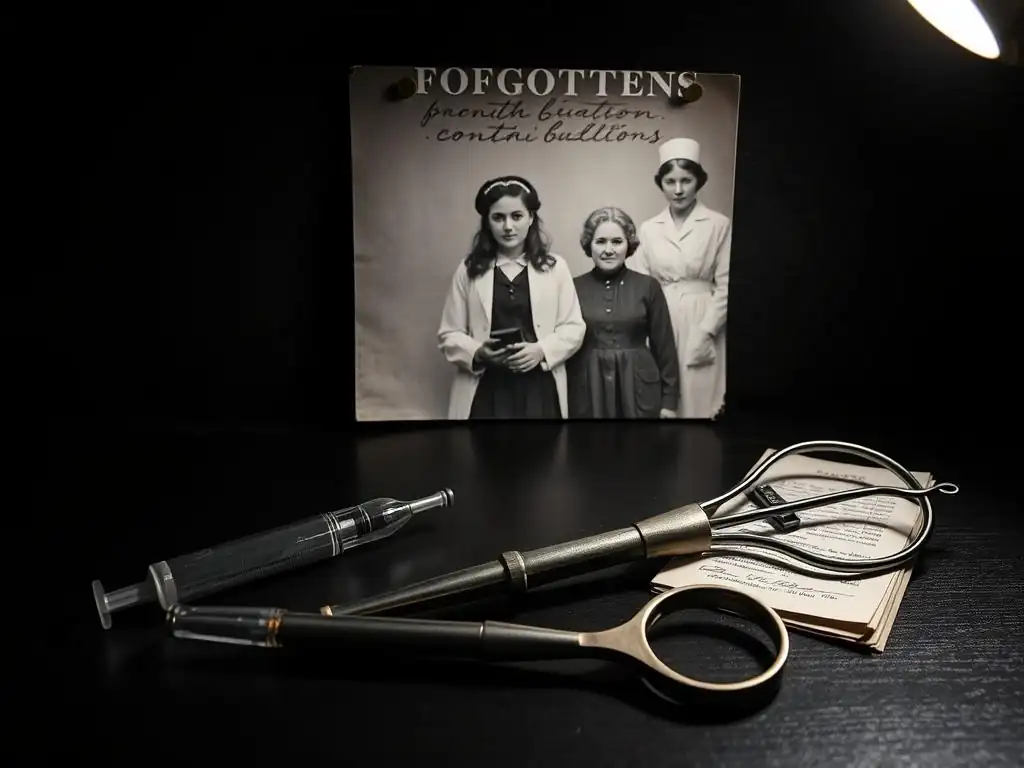
Throughout the first half of the 20th century, women faced significant underrepresentation in medical publications and prestigious awards, a clear manifestation of deep-seated institutional bias. Even when women conducted groundbreaking research, their names were frequently omitted from co-authorships, or their contributions were relegated to footnotes or acknowledgments, effectively diminishing their intellectual ownership. This practice not only obscured their direct involvement but also hampered their ability to build a strong professional reputation based on their published work. The prevailing culture often prioritized male authors, even in collaborative projects where women contributed equally or even more.
Furthermore, prestigious medical awards, fellowships, and leadership positions were overwhelmingly bestowed upon men. Before 1950, very few women received major scientific or medical accolades, despite the innovative work being done by figures like Alice Hamilton and Gerty Cori (who was a rare exception with her Nobel Prize, and even then, her recognition was delayed). This systemic exclusion from formal recognition mechanisms meant that the achievements of women’s medical innovation were often invisible to the wider scientific community and the public, perpetuating a cycle of underestimation and historical erasure.
The Role of Mentorship and Advocacy in Supporting Female Medical Innovators
In an era rife with institutional bias, the role of mentorship and advocacy became absolutely critical in supporting female medical innovators and enabling their breakthroughs. For many women, gaining access to research opportunities and professional networks was contingent upon the support of progressive male mentors who recognized their talent and were willing to champion their careers. These mentors often provided crucial laboratory space, funding, or simply the credibility needed to overcome prevailing prejudices. For instance, Alice Hamilton benefited from the support of figures like William H. Welch at Johns Hopkins, who recognized her unique abilities.
Additionally, nascent advocacy groups and informal networks of women within science and medicine began to emerge, providing vital emotional and professional support. These networks offered a space for sharing experiences, strategizing against discrimination, and collectively pushing for greater opportunities. While formal mechanisms for women’s medical innovation historical recognition were scarce, the informal support systems provided a lifeline, helping brilliant women navigate a challenging landscape and ensure their contributions were not entirely lost.
The Importance of Documenting and Preserving Women's Historical Contributions to Medical Advancements
The persistent historical neglect of women in medicine underscores the paramount importance of actively documenting and preserving their historical contributions to medical advancements. Without dedicated efforts to unearth archival records, personal correspondence, and oral histories, the stories of women’s medical innovation risk being permanently lost. Many women, working in supporting roles or in less visible capacities, never received formal recognition, making the task of recovering their narratives a painstaking but essential endeavor.
By systematically documenting these achievements, we not only correct the historical record but also provide irrefutable evidence of women's profound impact on medical progress. This preservation ensures that future generations can learn from the resilience and ingenuity of these pioneers, offering role models and demonstrating the long-standing tradition of female excellence in science. Ensuring robust women’s medical innovation historical recognition is not just about the past; it is about enriching our present understanding and inspiring a more equitable future in medicine.
The Lasting Impact: Celebrating Women's Medical Innovation Historical Recognition
How Women’s Medical Innovation Shaped Modern Medicine
The pioneering work of women in medicine during 1900-1950, though often overlooked, fundamentally shaped the trajectory of modern medicine in profound ways. Alice Hamilton's foundational research in industrial toxicology, for example, directly led to the establishment of occupational health as a critical public health discipline and influenced early labor laws aimed at protecting workers from hazardous exposures. Her insights continue to inform contemporary workplace safety regulations and environmental health studies.
Similarly, Gerty Cori's elucidation of carbohydrate metabolism provided the biochemical bedrock for understanding metabolic disorders like diabetes and for the development of modern endocrinology. Her work continues to be taught in medical schools worldwide and underpins much of current diabetes research and treatment strategies.
Beyond these specific examples, the collaborative efforts of women in developing techniques like tissue culture were indispensable for vaccine development, laying the groundwork for widespread immunization programs that have saved countless lives from diseases like polio. These women's medical innovation did not just add to existing knowledge; it created entirely new fields, challenged prevailing medical paradigms, and established methodologies that are still in use today, demonstrating an undeniable and lasting impact on global health.
Inspiring Future Generations of Female Scientists and Physicians
Celebrating women’s medical innovation historical recognition is not merely an academic exercise; it is a vital source of inspiration for future generations of female scientists and physicians. By bringing these once-erased stories to light, we provide powerful role models who demonstrate that intellectual curiosity, scientific rigor, and perseverance can overcome even the most formidable societal and institutional barriers. Young women today can see themselves reflected in the historical narrative, understanding that they are part of a long and distinguished lineage of female innovators.
Knowing that women like Alice Hamilton navigated male-dominated fields to become pioneers, or that Gerty Cori achieved a Nobel Prize despite early professional discrimination, instills confidence and ambition. This historical recognition empowers aspiring female scientists and physicians, encouraging them to pursue their passions in STEM fields, knowing that their contributions are not only possible but are an integral part of scientific progress. It transforms the historical narrative from one of exclusion to one of empowerment, fostering a new generation of diverse medical leaders.
The Ongoing Need for Equity and Inclusion in the Medical Field
While significant strides have been made since the early 20th century, the stories of women’s medical innovation from that era serve as a potent reminder of the ongoing need for equity and inclusion in the medical field today. Gender disparities persist in leadership positions, research funding, and professional recognition within medicine and science. Women remain underrepresented in senior academic roles, receive a disproportionately smaller share of research grants, and are less frequently awarded major accolades compared to their male counterparts.
The historical struggle for women’s medical innovation historical recognition highlights that progress is not linear and that vigilance is required to dismantle lingering biases. Ensuring true equity means not only celebrating past achievements but also actively addressing current systemic barriers, promoting diverse leadership, fostering inclusive research environments, and ensuring fair recognition for all contributions, regardless of gender. The fight for full inclusion in medicine continues, drawing strength and lessons from the trailblazers of the past.
Conclusion: Ensuring Women’s Medical Innovation Is Never Forgotten
Reaffirming the Importance of Historical Recognition of Women in Medicine
The narratives of women’s medical innovation from 1900 to 1950 unequivocally reaffirm the critical importance of historical recognition for women in medicine. The contributions of figures like Alice Hamilton and Gerty Cori, alongside countless other unheralded women scientists and technicians, were not merely supplementary; they were foundational to the advancements that shaped modern medical practice and public health. Their discoveries in toxicology, metabolism, and vaccine development represent pivotal moments in scientific history, demonstrating intellectual brilliance and unwavering dedication in the face of significant adversity.
Without dedicated efforts to unearth and celebrate these stories, the historical record of medical progress remains incomplete and skewed, perpetuating an inaccurate portrayal of who contributed to human health and well-being. Ensuring comprehensive women’s medical innovation historical recognition is not just about giving credit where credit is due; it is about understanding the full spectrum of human ingenuity and resilience that has driven medical breakthroughs.
Call to Action: Supporting Initiatives that Promote Women in Science and Medicine
To honor the legacy of these pioneering women and to foster a more equitable future, it is imperative that we actively support initiatives that promote women in science and medicine. This includes advocating for equitable access to education and research opportunities, pushing for fair representation in leadership and recognition, and funding programs that mentor and empower aspiring female scientists. Organizations dedicated to documenting and celebrating women’s contributions to STEM fields play a crucial role in ensuring these narratives are preserved and amplified.
By actively engaging in these efforts, we can collectively work to prevent future instances of historical erasure and ensure that the vital role of women’s medical innovation is permanently etched into the annals of history. It is a shared responsibility to build a scientific community where talent is recognized irrespective of gender, and where every groundbreaking contribution receives the historical recognition it profoundly deserves.
Frequently Asked Questions
What is the primary focus of the "Women in Science History" website?
The website primarily focuses on celebrating and highlighting the contributions of women to various scientific fields throughout history. It aims to inspire future generations by sharing the often overlooked narratives of these women.
What key period does the article "Erased From History? The Fight to Recognize Women's Medical Innovations (1900-1950)" cover?
The article concentrates on the period between 1900 and 1950, examining the medical innovations developed by women and the struggle for recognition they faced during that time.
What challenges did women in science, particularly in medicine, often face during the early 20th century?
Women scientists frequently encountered challenges due to the male-dominated nature of scientific fields, leading to lack of recognition and limited opportunities for advancement.
Why is it important to provide historical recognition for women's medical innovations?
Providing historical recognition is crucial to correct historical inaccuracies, inspire future generations of female scientists, and acknowledge the significant contributions women have made to medicine.
The website aims to improve "Women’s medical innovation historical recognition" by showcasing biographies and groundbreaking work of women, thereby ensuring their achievements are acknowledged and celebrated.
Final Reflection: Reclaiming Her Story
The journey through the forgotten contributions of women in medicine between 1900 and 1950 underscores a crucial truth: historical narratives are not immutable, but rather, actively constructed and often selectively remembered. The absence of women's medical innovations from mainstream historical accounts isn't a mere oversight; it's a systemic erasure that continues to impact how we perceive scientific progress and gender roles today.
This exploration has highlighted the profound influence these unrecognized pioneers had, and continue to have, on our understanding of health and healing. It's a stark reminder that progress is rarely a solitary endeavor, and that silencing voices, particularly those of women, diminishes our collective knowledge and potential. Until lions have their own historians, tales of the hunt will always glorify the hunter.
This African proverb resonates deeply, urging us to actively seek out and amplify the stories that have been deliberately suppressed.
Now, consider the legacy we wish to build. How can we, as individuals and as a society, actively participate in rewriting history to include the contributions of these forgotten innovators? Let us commit to challenging existing narratives, supporting research that uncovers hidden histories, and ensuring that future generations recognize the full spectrum of brilliance that has shaped the world of medicine. Let us ensure that the fight for recognition, for these women and for all those whose contributions have been overlooked, continues until their stories are finally, and rightfully, told.
Empower Her Legacy: Champion Women in Medicine!
Thank you for diving into the untold stories of women who shaped medicine. You now understand the crucial role these pioneers played and the challenges they faced. Let’s ensure their contributions receive the recognition they deserve.
Here’s how you can help:
- Sign our petition to advocate for the inclusion of these women in medical textbooks and historical archives – let’s rewrite history together!
- Share this article on your social media platforms to spread awareness and spark conversations about overlooked female scientists.
- Explore the 'Women in Science History' website and nominate a female medical innovator you believe deserves to be celebrated!
What small act of recognition will you take today to honor these incredible women and their groundbreaking work?