
The Unsung Healers: Medical Museums Revealing Women's Resilience and Innovation

Welcome to WomenInScienceHistory.com!
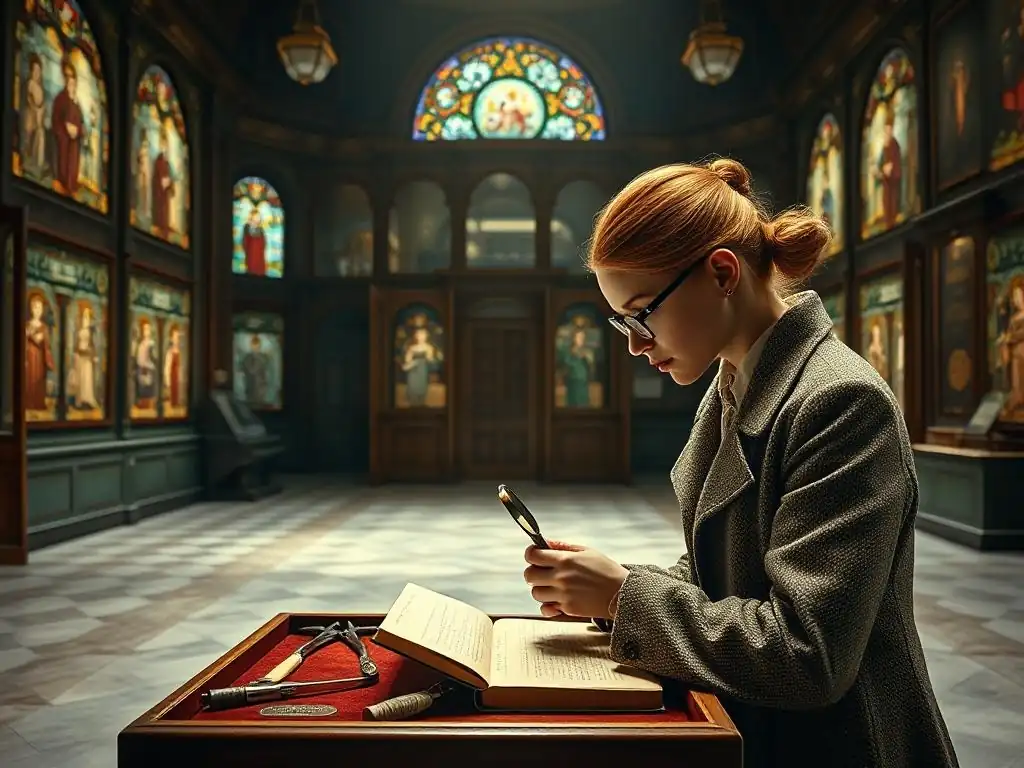
Delve into the often-unseen world where women shaped the course of scientific progress. This month, we explore Women’s Medical Museum History, uncovering how these institutions are finally revealing the vital contributions of female healers and innovators throughout time. What untold stories are waiting to be discovered within their walls? Prepare to be inspired by tales of resilience and ingenuity that have been too long overlooked. Read on to begin your journey through history!
- Unveiling Women's Contributions: A Journey Through Medical Museum History
- Discovering Hidden Figures: Women Pioneers in Medicine Showcased in Museums
- How Medical Museums Reconstruct Women's Resilience in Healthcare
- Visiting and Supporting Medical Museums: A Guide to Experiencing Women's Medical History
- The Future of Women’s Medical History: Museums as Catalysts for Change
-
Frequently Asked Questions
- How do medical museums contribute to understanding Women's medical museum history?
- What kinds of artifacts or stories might be found in medical museums related to women in medicine?
- Why is it important to highlight Women's medical museum history specifically?
- What challenges did women face in the field of medicine throughout history, as potentially depicted in medical museums?
- How can visiting a medical museum inspire future generations of women in science and medicine?
- Final Reflection: Honoring Her Legacy
- Unveil History's Hidden Heroines!
Unveiling Women's Contributions: A Journey Through Medical Museum History
Why Explore Women’s Medical Museum History? Beyond the Textbooks
Traditional historical accounts of medicine have often marginalized or entirely omitted the profound contributions of women. While textbooks might offer broad strokes of medical progress, they frequently fail to capture the nuanced, often challenging, journeys of female healers, innovators, and practitioners. Exploring women’s medical museum history provides a vital corrective to this oversight, offering a tangible, immersive experience that transcends the written word. Visitors can encounter the actual instruments, personal artifacts, and institutional records that bear witness to women's enduring impact, bringing their stories to life in a way that static text cannot.
This deep dive into women’s medical museum history is crucial not just for historical accuracy, but for inspiring future generations. By unearthing and celebrating these often-unsung heroes, museums empower contemporary audiences, particularly young women, to see themselves reflected in the annals of scientific and medical achievement. These institutions serve as powerful platforms for understanding the societal barriers women faced—from exclusion from medical schools to professional discrimination—and celebrating their remarkable resilience and ingenuity in overcoming these obstacles to advance healthcare for all.
The Florence Nightingale Museum: A Beacon of Nursing Innovation
The Florence Nightingale Museum, located within St Thomas' Hospital in London, stands as a testament to the transformative power of one woman's vision in healthcare. Florence Nightingale, often dubbed the founder of modern nursing, revolutionized patient care during the Crimean War (1853-1856).
Her meticulous data collection and unwavering commitment to sanitation dramatically reduced mortality rates among wounded soldiers, famously dropping from approximately 42% to 2% within months of her arrival. The museum meticulously chronicles her early life, her tireless work in the field hospitals, and her subsequent establishment of the Nightingale Training School for Nurses at St Thomas' Hospital in 1860, marking the dawn of professional nursing education.
Through personal letters, medical instruments, and vivid displays, the museum vividly portrays Nightingale's unwavering resolve and her pioneering application of statistical analysis to public health. Her legacy, as showcased in this dedicated institution, is integral to women’s medical museum history, highlighting not only her individual brilliance but also the foundational role she played in elevating nursing from an unregulated domestic task to a respected, scientific profession. The museum underscores how one woman's leadership paved the way for countless others to enter and shape the healthcare landscape.
The Mütter Museum's Exhibit on the Hyams Collection: Addressing Women's Health Challenges
Philadelphia's Mütter Museum, part of the College of Physicians of Philadelphia, is renowned for its anatomical and pathological specimens, but it also offers poignant insights into women’s medical museum history through specific collections. Among these is the Hyams Collection of gynecological and obstetrical instruments, donated by Dr. William T. Hyams in the early 20th century.
While the collection itself was amassed by a male physician, its display illuminates the historical realities of women's health challenges, including childbirth complications, gynecological diseases, and the often-invasive treatments of the era. The instruments, ranging from speculums to forceps, provide a stark reminder of the medical interventions women underwent, often with limited understanding or agency over their own bodies.
The museum utilizes these artifacts to foster crucial dialogues about the evolution of women's reproductive health and the societal context in which these medical practices developed. By presenting these historical tools, the Mütter Museum encourages reflection on the pain, resilience, and vulnerability of women throughout medical history. It underscores the challenges women faced in accessing adequate healthcare and the slow, arduous path towards improved understanding and treatment of female-specific conditions, thus contributing a unique and often stark perspective to the broader narrative of women’s medical museum history.
The Dittrick Museum of Medical History: Showcasing Midwifery and Reproductive Health
The Dittrick Medical History Center at Case Western Reserve University in Cleveland holds an exceptional collection that delves deeply into the history of obstetrics, gynecology, and particularly, midwifery. Its extensive archives feature historical birthing instruments, anatomical models, and rare books, tracing the evolution of childbirth practices from ancient traditions to modern hospital deliveries. The museum’s exhibits often highlight the pivotal, yet frequently overlooked, role of women as midwives throughout centuries, serving as primary healthcare providers for mothers and infants in communities long before the advent of formalized medical institutions.
The Dittrick Museum’s commitment to documenting midwifery significantly enriches women’s medical museum history by showcasing the expertise and resilience of these traditional healers. It illustrates how the practice of midwifery, largely dominated by women, adapted and sometimes struggled against the professionalization of medicine, which often sought to marginalize female practitioners. By preserving and interpreting these stories and artifacts, the museum ensures that the contributions of countless unsung midwives—who delivered generations and provided essential reproductive healthcare—are recognized and celebrated, offering a comprehensive view of women's historical impact on maternal and child health.
How Medical Museums Reconstruct Women's Resilience in Healthcare
Overcoming Obstacles: Stories of Female Medical Professionals in History
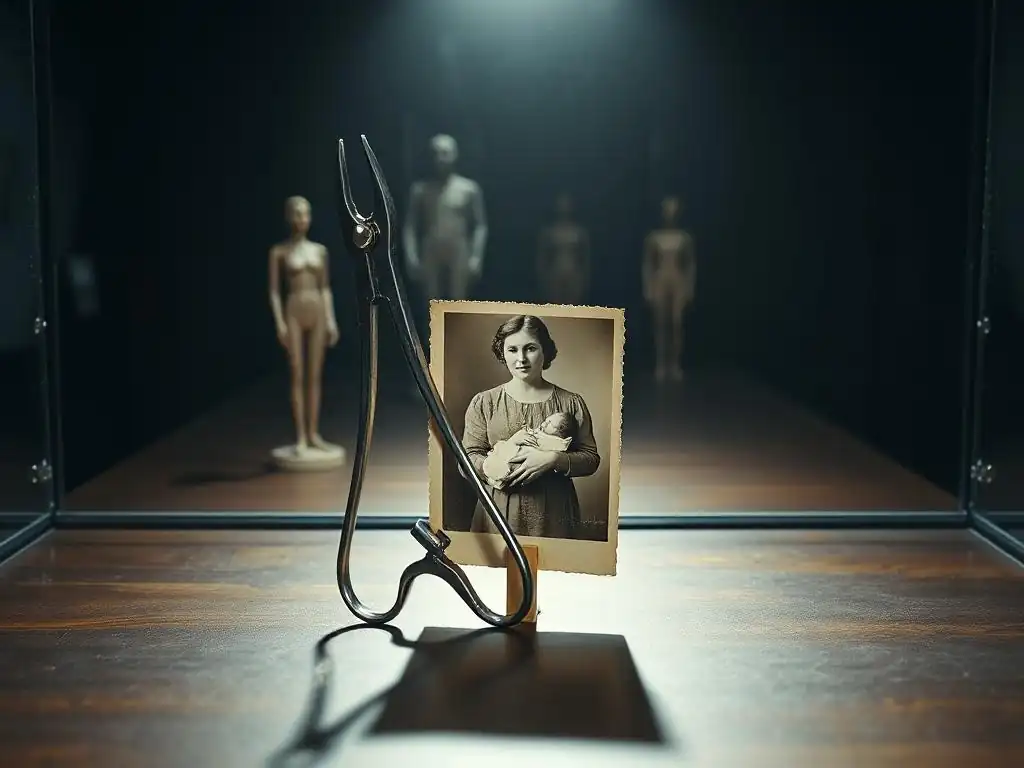
The path for women entering the medical profession was historically fraught with immense obstacles, ranging from outright exclusion from educational institutions to pervasive societal prejudice and professional discrimination. Medical museums vividly illustrate these struggles through personal narratives, rare documents, and compelling artifacts. For instance, the story of Elizabeth Blackwell, the first woman to earn a medical degree in the United States in 1849, is a recurring theme in many collections.
Her applications were repeatedly rejected by over a dozen schools before she was reluctantly admitted to Geneva Medical College, where her presence caused considerable controversy. Despite graduating at the top of her class, she faced significant challenges in establishing a practice and gaining acceptance from male colleagues.
Museum exhibits often feature personal letters, early medical diplomas, and photographic evidence that underscore the sheer determination required for these pioneering women to pursue their calling. These displays highlight not just their individual achievements but also the collective struggle against systemic barriers. By showcasing the perseverance of figures like Blackwell, who later founded the New York Infirmary for Indigent Women and Children, these institutions provide a powerful narrative of resilience, enriching our understanding of women’s medical museum history and the immense sacrifices made by those who broke down barriers.
Innovation and Advocacy: Highlighting Women's Contributions to Medical Advancements
Beyond merely practicing medicine, women have been significant innovators and tireless advocates for public health and specific patient groups, often against considerable odds. Their contributions range from developing new surgical techniques to pioneering public health campaigns and reforming medical education.
While figures like Marie Curie are renowned for their groundbreaking work in radioactivity, which profoundly impacted medical diagnostics and cancer treatment, countless other women made less celebrated but equally vital contributions within the direct realm of healthcare. For example, Clara Barton, beyond founding the American Red Cross in 1881, introduced critical organizational and logistical innovations in battlefield medicine and disaster relief, directly saving countless lives through her advocacy and practical application of humanitarian principles.
Medical museums showcase these innovations through displays of early medical equipment, meticulously preserved research notes, and compelling narratives of advocacy. Exhibits might feature records of women who campaigned for improved sanitation, established clinics for underserved populations, or developed new approaches to patient care. These collections demonstrate that women were not just recipients of medical care or passive practitioners, but active agents of change, fundamentally shaping the landscape of healthcare through their ingenuity and unwavering commitment to improving human well-being. This multifaceted portrayal is essential to a complete understanding of women’s medical museum history.
Visiting and Supporting Medical Museums: A Guide to Experiencing Women's Medical History
Planning Your Visit: Finding Museums Dedicated to Women in Medicine
Embarking on a journey through women’s medical museum history begins with careful planning. While some institutions, like the Florence Nightingale Museum, are explicitly dedicated to a female medical pioneer, many larger medical history museums house significant collections pertaining to women's contributions within their broader exhibits. Prospective visitors should consult museum websites, looking for dedicated sections on nursing history, women's health, or biographies of pioneering female scientists and doctors. Keywords such as "women in medicine," "midwifery," "nursing history," or "female physicians" in their search functions can yield surprising results, revealing hidden gems within extensive collections.
It is also advisable to research any special exhibitions, guided tours, or educational programs focused on women's roles in healthcare. Many museums are increasingly curating temporary exhibits that highlight specific aspects of women’s medical museum history, offering fresh perspectives and deeper insights. Leveraging online museum directories or historical society databases can also help identify smaller, regional museums or archives that might hold unique collections related to local female practitioners or community health initiatives led by women.
Supporting the Legacy: Contributing to Medical History Preservation and Education
The preservation and interpretation of women’s medical museum history rely heavily on public support. These institutions are often non-profit organizations that depend on donations, memberships, and volunteer efforts to maintain their collections, conduct research, and develop engaging educational programs. Becoming a member of a medical museum, making a direct financial contribution, or even volunteering time can significantly impact their ability to continue telling these vital stories. These contributions directly fund the conservation of rare artifacts, the digitization of historical documents, and the creation of new exhibits that bring the accomplishments of women in medicine to a wider audience.
Beyond financial contributions, advocating for the importance of these narratives within educational curricula and public discourse is crucial. By supporting medical museums, individuals help ensure that the legacies of resilient and innovative women in healthcare are not forgotten. This support enables museums to expand their narratives, acquire new collections, and inspire future generations, particularly young girls, to pursue careers in STEM fields, thereby continuing the profound impact of women on health and science.
The Future of Women’s Medical History: Museums as Catalysts for Change
Expanding Narratives: Ensuring Inclusive Representation in Medical Museums
While significant strides have been made in recognizing women's contributions to medicine, the future of women’s medical museum history demands an even more inclusive and comprehensive approach. It is imperative that museums actively work to expand their narratives beyond well-known figures and predominantly white, Western perspectives.
There is a growing need to highlight the stories of women from diverse racial, ethnic, and socioeconomic backgrounds, as well as those from different geographical regions. This includes recognizing the invaluable contributions of indigenous healers, women of color who faced compounded discrimination, and those from marginalized communities who provided essential healthcare in their societies, often without formal recognition.
Museums are increasingly engaging in collaborative research and community outreach to uncover these previously overlooked histories. This involves actively seeking out new artifacts, oral histories, and archival materials that reflect a broader spectrum of female medical practitioners and innovators. By embracing a more intersectional approach, museums can challenge existing biases and ensure a richer, more accurate portrayal of women’s medical museum history, providing a truly global and diverse understanding of healthcare's evolution.
Inspiring Future Generations: The Role of Museums in Promoting STEM Education for Girls
The historical narratives presented in medical museums serve as powerful catalysts for inspiring future generations, particularly young girls, to pursue careers in science, technology, engineering, and medicine (STEM). By showcasing tangible evidence of women overcoming adversity, conducting groundbreaking research, and making significant medical advancements, museums provide compelling role models. Seeing the instruments used by a pioneering female surgeon or reading the research notes of a forgotten female scientist can ignite curiosity and demonstrate that a career in medicine is not only achievable but also deeply impactful, regardless of gender.
Many medical museums offer specialized educational programs, workshops, and interactive exhibits specifically designed to engage young audiences. These initiatives aim to foster scientific literacy, critical thinking, and a passion for discovery among girls. By connecting historical achievements to contemporary opportunities, museums play a vital role in dismantling gender stereotypes in STEM fields and encouraging a new generation of female innovators. Their continued efforts are crucial for ensuring that the legacy of women’s medical museum history is not just preserved, but actively built upon by the healers and scientists of tomorrow.
Frequently Asked Questions
How do medical museums contribute to understanding Women's medical museum history?
Medical museums often feature exhibits on historical medical practices and the roles of women as healers, nurses, and researchers. This provides a tangible link to the past and helps preserve their legacy.
You might find surgical tools used by female doctors, personal accounts of women in nursing during major epidemics, or research papers showcasing women's contributions to medical breakthroughs.
Why is it important to highlight Women's medical museum history specifically?
Historically, women's contributions to medicine have been underrepresented in mainstream narratives. Showcasing their stories in medical museums helps to rectify this imbalance and provide a more complete picture of medical history.
What challenges did women face in the field of medicine throughout history, as potentially depicted in medical museums?
Museums often depict the discrimination and lack of opportunities women faced, including barriers to education, limited access to resources, and societal expectations that discouraged them from pursuing scientific careers.
How can visiting a medical museum inspire future generations of women in science and medicine?
Seeing tangible evidence of women's past achievements can be incredibly empowering. It shows that women have always been capable and innovative in these fields, inspiring future generations to pursue their passions regardless of gender.
Final Reflection: Honoring Her Legacy
The stories unearthed within medical museums, particularly those highlighting women's contributions, are not relics of the past but vital narratives that resonate powerfully today. As we grapple with ongoing disparities in healthcare and representation, understanding the struggles and triumphs of women in medicine becomes not just an academic exercise, but a critical step towards building a more equitable future. These museums serve as potent reminders that progress is built upon the shoulders of those who came before, often facing immense obstacles.
The impact of these unsung healers extends far beyond the walls of any museum. Their resilience and innovation continue to inspire generations of women to pursue careers in STEM fields, challenging societal norms and pushing the boundaries of medical knowledge. The very act of preserving and showcasing their stories is a powerful act of reclamation, ensuring their contributions are not forgotten. The history of women in medicine is a history of struggle, perseverance, and ultimately, triumph. It is a story that deserves to be told and celebrated.
As you reflect on the stories shared within these pages, consider the legacy you wish to leave behind. What contributions will you make to ensure that future generations inherit a world where innovation is celebrated, resilience is fostered, and the voices of all are heard? Let the spirit of these unsung healers guide you, empowering you to become a champion for progress and a beacon of hope in your own sphere of influence.
Thank you for delving into the captivating stories of women's resilience and innovation showcased in medical museums. Now, armed with this knowledge, it's time to become a part of preserving and sharing their legacy.
Here's how you can take action:
- Visit a local medical museum and reflect on the contributions of women showcased in its exhibits. Share your experience on social media using #WomenInScienceHistory.
- Explore our website, WomenInScienceHistory.com, for in-depth profiles of female medical pioneers, discovering unsung heroes beyond the museum walls.
- Create a digital scrapbook or online collection of stories and images that celebrate women in medicine, adding your voice to the growing archive of their achievements.
What untold story of a woman in medical history will you now uncover and bring to light?