
How Women Transformed PatientCentered Care Within Their Medical Specialties

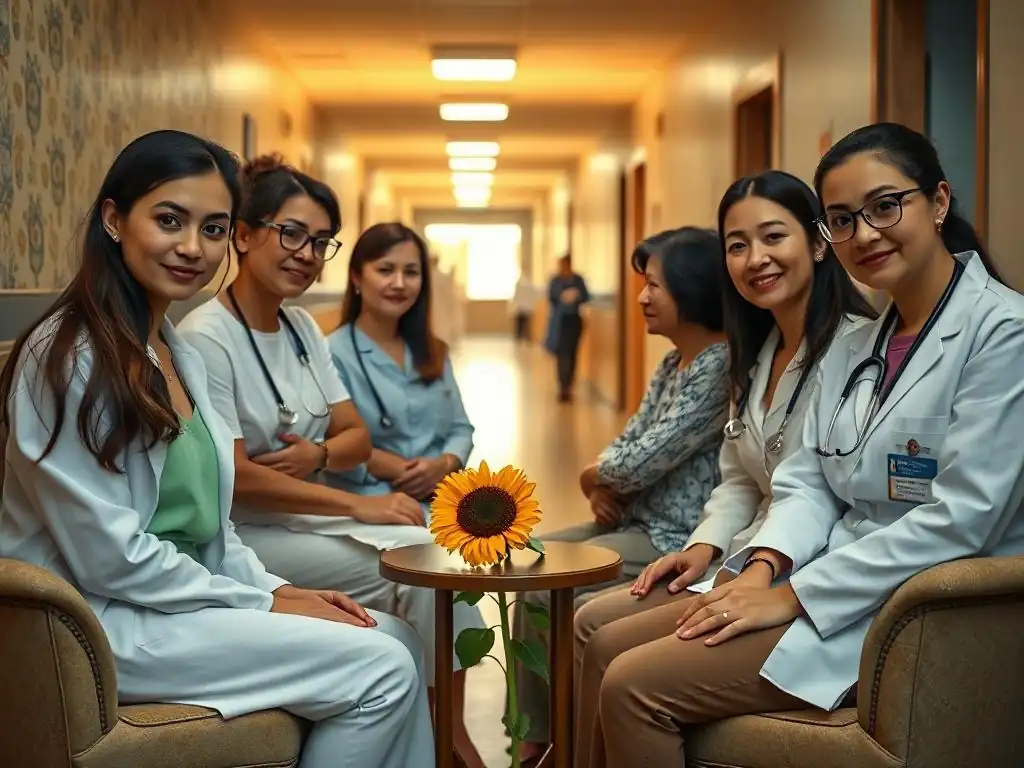
Welcome to WomenInScienceHistory.com! Delve into the remarkable stories of women who defied expectations and revolutionized the scientific landscape. Discover how these brilliant minds have shaped our world, starting with an exploration of how women transformed patient-centered care within their medical specialties. Prepare to be inspired by their dedication, innovation, and the lasting impact they've had on biology and medicine – and perhaps, to wonder what other untold stories await within these pages...
- Introduction: The Undervalued Impact of Women on Patient-Centered Medicine
- Early Pioneers: Laying the Foundation for Women-Led, Patient-First Care
-
Women Transforming Patient-Centered Care in Key Medical Specialties
- Women in Cardiology: Focusing on Gender-Specific Heart Health
- Women in Oncology: Personalized Cancer Care Strategies
- Women in Pediatrics: Championing Child-Focused Healthcare
- Women in Geriatrics: Enhancing the Quality of Life for Elderly Patients
- Women in Mental Health: Promoting Empathetic and Holistic Treatment
- Innovations in Patient-Centered Care Led by Women
- Overcoming Challenges: Barriers Faced by Women in Advancing Patient-Centered Care
- The Future of Patient-Centered Medicine: A Legacy of Women's Leadership
- Conclusion: Honoring Women's Enduring Impact on Patient-Centered Healthcare
-
Frequently Asked Questions
- What is patient-centered care and how did women significantly contribute to its development?
- What were some of the challenges faced by women who pioneered patient-centered approaches in medicine?
- Can you provide an example of a specific female scientist or doctor who revolutionized patient-centered care?
- How does highlighting the historical contributions of women in medicine inspire future generations?
- What is the importance of acknowledging the overlooked narratives of women in science history?
- Final Reflection: The Enduring Legacy of Empathy
- Empower Change: Advocate for Patient-Centered Care!
Introduction: The Undervalued Impact of Women on Patient-Centered Medicine
Celebrating Women's Contributions to Medical Care and Innovation
Throughout history, the contributions of women to medical care and innovation have often been overlooked, yet their impact on shaping modern healthcare is profound. From the earliest days of formal medical training, women physicians, nurses, and researchers have consistently championed approaches that prioritize the individual patient's needs, preferences, and values. This patient-first philosophy, a cornerstone of contemporary medicine, has been significantly advanced by women navigating and often challenging male-dominated institutions.
These pioneering women not only broke barriers to enter the medical field but also brought a unique perspective focused on holistic well-being and empathetic engagement. Their dedication to understanding the patient beyond their immediate ailment laid the groundwork for the compassionate and comprehensive care models we recognize today. This commitment has been a driving force in the evolution of healthcare, profoundly impacting how medical services are delivered and perceived.
The Rise of Patient-Centered Approaches in Healthcare
Patient-centered care, defined by respect for a patient's values, preferences, and expressed needs, along with coordinated and integrated care, information, communication, and education, has become a guiding principle in modern healthcare. This paradigm shift from a paternalistic model, where physicians made decisions unilaterally, to a collaborative one, where patients are active participants in their care, gained significant traction in the latter half of the 20th century.
The increasing presence and influence of women in the medical field played a pivotal role in accelerating this transition. As more women entered medical schools and practice, they often brought with them an inherent emphasis on communication, empathy, and shared decision-making. Their experiences, both personal and professional, fostered an environment where the patient's voice became central, leading to more humanistic and effective healthcare outcomes.
Early Pioneers: Laying the Foundation for Women-Led, Patient-First Care
Elizabeth Blackwell and Her Holistic Approach
Elizabeth Blackwell, the first woman to earn a medical degree in the United States in 1849, stands as a towering figure in the history of women transforming patient-centered medicine. Beyond simply breaking gender barriers, Blackwell was a staunch advocate for a holistic approach to patient care, emphasizing preventive medicine, public health, and treating the whole person, not just the disease. Her vision was far ahead of her time, recognizing the interplay between social conditions, hygiene, and individual health outcomes.
In 1857, Blackwell, along with her sister Emily Blackwell and Dr. Marie Zakrzewska, founded the New York Infirmary for Indigent Women and Children. This institution was revolutionary in its patient-centered philosophy, focusing on providing compassionate care, promoting sanitation, and offering health education to its patients, particularly those from disadvantaged backgrounds. Blackwell's commitment to dignity, respect, and comprehensive well-being set a powerful precedent for future generations of female physicians.
Challenging the Status Quo: Women Advocates for Patient Rights
Early women physicians, often marginalized and forced to create their own medical institutions due to prevailing gender biases, were uniquely positioned to challenge the traditional, often paternalistic, medical establishment. They inherently understood the vulnerability of patients and were more inclined to champion shared decision-making, informed consent, and a focus on patient dignity long before these concepts became mainstream. Their experiences of being outsiders in the medical world fueled their advocacy for those who felt unheard.
Figures like Rebecca Lee Crumpler, the first African American woman to earn a medical degree in the United States (1864), exemplified this patient-first ethos. Serving formerly enslaved people, she provided compassionate care that addressed not only physical ailments but also the immense psychological and social traumas they faced. These women physicians formed a crucial vanguard, establishing practices and institutions that prioritized patient well-being, education, and autonomy, profoundly influencing the trajectory of patient-centered care.
Women Transforming Patient-Centered Care in Key Medical Specialties
Women in Cardiology: Focusing on Gender-Specific Heart Health
Historically, heart disease research and treatment were predominantly focused on male physiology, often leading to misdiagnoses and inadequate care for women. Women cardiologists have been instrumental in revealing and addressing these critical gender disparities in cardiovascular health. They have consistently highlighted that women often present with different symptoms of heart attack, such as unusual fatigue, shortness of breath, nausea, or back pain, rather than the classic chest pain. This awareness has been crucial in improving diagnostic accuracy for female patients.
These dedicated female physicians advocate for more robust research into women's heart health, including the impact of hormonal changes, pregnancy complications like preeclampsia, and autoimmune diseases on cardiovascular risk. Their efforts have led to a greater understanding that tailored diagnostic and treatment protocols are essential for optimal outcomes, directly contributing to women transforming patient-centered medicine in this vital field.
Addressing the Unique Cardiovascular Needs of Women Patients
Female cardiologists are at the forefront of advocating for personalized risk assessments for women, considering factors far beyond traditional metrics. They emphasize the importance of understanding a woman's full medical history, including reproductive health and specific risk factors that may not be present in male patients. For instance, preeclampsia significantly increases a woman's risk of heart disease later in life, a fact that was historically undervalued.
Furthermore, women in cardiology champion patient education on these unique risk factors and advocate for treatment plans that account for women's specific physiological responses to medication and procedures. Studies have shown that women are sometimes less likely to receive aggressive treatments for heart attacks or be referred to cardiac rehabilitation; female physicians are actively working to close these gaps, ensuring equitable and effective care.
Women in Oncology: Personalized Cancer Care Strategies
Cancer treatment is an intensely personal and often emotionally and physically taxing journey. Women oncologists frequently bring a heightened sense of empathy and a profound focus on the patient's quality of life throughout their entire cancer journey, not solely on tumor eradication. They understand that successful treatment extends beyond medical protocols to encompass emotional support, psychological well-being, and practical assistance.
These practitioners champion multidisciplinary teams, integrating the expertise of surgeons, radiation oncologists, pathologists, genetic counselors, and supportive care specialists to provide holistic care. Their advocacy for patient navigation programs, which guide individuals through complex treatment pathways, exemplifies their commitment to women transforming patient-centered medicine within oncology.
Patient-Centered Approaches in Breast Cancer Treatment and Beyond
Breast cancer is a field where patient advocacy, often led by women, has profoundly influenced treatment paradigms. Female oncologists have been pivotal in promoting shared decision-making regarding surgical options like mastectomy versus lumpectomy, the necessity and type of chemotherapy, radiation therapy, and reconstructive surgery. They prioritize understanding the patient's emotional state, body image concerns, and long-term quality of life when developing treatment plans.
This patient-centered approach extends to other cancer types, where the value of patient-reported outcomes is increasingly recognized. For example, the use of genetic testing, such as BRCA1/2, to personalize treatment and prevention strategies has been championed by many women in oncology. Their work ensures that treatment is not a "one-size-fits-all" approach but rather a highly individualized plan that respects the patient's unique circumstances and preferences.
Women in Pediatrics: Championing Child-Focused Healthcare
Pediatrics inherently demands a deeply patient-centered approach, as children often cannot articulate their needs or fears. Women pediatricians frequently excel at communicating effectively with both young patients and their parents, creating reassuring and supportive environments. They have been at the forefront of advocating for strategies that minimize trauma during medical procedures, such as play therapy, distraction techniques, and age-appropriate pain management protocols.
Their leadership has been crucial in the widespread adoption of child life specialists in hospitals, professionals specifically trained to help children cope with illness, injury, and hospitalization. These efforts highlight how women transforming patient-centered medicine have made pediatric care significantly more compassionate and effective for the youngest patients.
Creating a Nurturing and Supportive Environment for Young Patients
Creating a nurturing and supportive environment for young patients involves more than just medical treatment; it encompasses designing pediatric spaces that are less intimidating, using child-friendly language, and acknowledging the crucial role of parents and guardians as integral partners in care. Female pediatricians are often leaders in promoting comprehensive vaccination education, conducting thorough developmental screenings, and addressing the psychosocial aspects of childhood illness.
Their emphasis on preventive care and early intervention is key to long-term health outcomes. For instance, the reduction in pediatric anxiety during medical procedures through techniques like parental presence and therapeutic play has been largely championed and implemented by women in the field, demonstrating their commitment to the holistic well-being of children.
Women in Geriatrics: Enhancing the Quality of Life for Elderly Patients
Geriatric medicine focuses on the complex, often chronic conditions prevalent in older adults. Women geriatricians often bring a profound appreciation for maintaining dignity, independence, and the overall quality of life for their elderly patients. They understand that care for older adults must extend beyond merely treating diseases to encompass functional ability, cognitive health, and social engagement.
These physicians champion comprehensive geriatric assessments, which evaluate a patient's physical health, cognitive function, social support, and functional status. They are also leaders in polypharmacy review, meticulously managing medications to reduce adverse effects, and facilitating open discussions about end-of-life care, ensuring that patient wishes and values are honored. This holistic approach exemplifies women transforming patient-centered medicine for the elderly.
Tailoring Care to the Specific Needs of Older Adults
Tailoring care to the specific needs of older adults involves addressing a multitude of interconnected issues, including social isolation, fall prevention, cognitive decline, and the management of multiple co-occurring conditions. Female geriatricians are often at the forefront of advocating for home-based care models, palliative care, and hospice services, ensuring that care plans align with the patient's values and goals, even when faced with significant health challenges or terminal diagnoses.
The increasing emphasis on advance care planning and respecting patient autonomy in later life is a movement largely championed by women in geriatrics. They work tirelessly to ensure that older adults have a voice in their healthcare decisions, promoting dignity and choice throughout their later years.
Women in Mental Health: Promoting Empathetic and Holistic Treatment
Mental health, historically fraught with stigma and often approached with a rigid, institutionalized perspective, benefits immensely from patient-centered approaches. Female psychiatrists, psychologists, and therapists have been instrumental in advocating for empathetic, non-judgmental care that integrates social, emotional, and psychological factors into treatment. They understand that effective mental health care relies heavily on building a strong therapeutic alliance and empowering the patient.
These professionals have played a crucial role in the growth of trauma-informed care and recovery-oriented models in mental health, where the patient's lived experience is central to their healing journey. Their focus on the individual's narrative and resilience has been pivotal in humanizing mental health services, a key aspect of women transforming patient-centered medicine.
Breaking Stigma and Prioritizing Patient Well-being
Breaking the pervasive stigma surrounding mental illness and prioritizing patient well-being are core tenets of women's contributions to mental health care. This involves creating safe, confidential spaces for patients to share their experiences without fear of judgment, advocating for accessible community-based mental health services, and integrating mental health care with primary care.
Women in this field often champion a holistic view, recognizing the intricate interplay between mental and physical health. They promote self-care strategies, resilience-building techniques, and patient education to empower individuals to manage their conditions and improve their overall quality of life. The rising awareness and acceptance of mental health conditions, partly due to the tireless efforts of women clinicians and advocates, underscore their profound impact.
Innovations in Patient-Centered Care Led by Women

Developing New Technologies for Improved Patient Engagement
Women have been at the forefront of developing and championing new technologies that significantly improve patient engagement and access to care. Female innovators and clinicians have recognized the potential of digital tools to empower patients, leading to the creation or widespread adoption of patient portals, telehealth platforms, and health management applications. These technologies enable patients to access their medical records, schedule appointments, receive educational materials, and communicate with providers more easily.
For instance, female entrepreneurs have founded health tech startups focused on patient education or remote monitoring solutions, while female physicians have been early adopters and advocates for telehealth, especially during the COVID-19 pandemic, ensuring continued patient access to care. These innovations facilitate shared decision-making and enhance the patient's active role in their health journey.
Implementing Collaborative Care Models for Better Outcomes
Recognizing that complex health issues require comprehensive solutions, women in medicine often champion interdisciplinary, team-based approaches to care. They have been instrumental in implementing collaborative care models that bring together physicians, nurses, social workers, nutritionists, pharmacists, and therapists. These models ensure that all aspects of a patient's well-being—physical, emotional, social, and practical—are addressed in a coordinated manner.
The increasing prevalence of interdisciplinary rounds in hospitals and clinics, or integrated care teams for chronic disease management, often stems from the leadership and advocacy of female medical professionals. These collaborative efforts lead to more holistic treatment plans, reduce fragmented care, and ultimately result in better health outcomes for patients.
Advocating for Patient Education and Empowerment
A significant contribution of women transforming patient-centered medicine has been their unwavering commitment to patient education and empowerment. Many women in medicine prioritize ensuring that patients fully understand their conditions, treatment options, and self-management strategies. They view patient education not as a passive transfer of information but as an active process of empowerment.
This emphasis enables patients to make informed choices, become active participants in their care, and advocate for their own health needs. The development of accessible patient education materials, community workshops, and support groups, often initiated or championed by female clinicians and patient advocates, exemplifies this dedication to fostering patient literacy and self-advocacy.
Overcoming Challenges: Barriers Faced by Women in Advancing Patient-Centered Care
Addressing Gender Bias in Medical Research and Practice
Despite their significant contributions, women in medicine have historically faced, and continue to contend with, pervasive gender bias in medical research and practice. This bias has often manifested as skepticism towards their medical judgment, underrepresentation in clinical trials, and a general undervaluation of women's health issues. For decades, many medical studies predominantly used male subjects, leading to a knowledge gap regarding how diseases affect women and how they respond to treatments.
This systemic bias has impacted the career progression of female physicians and researchers, hindering the broader recognition and implementation of their patient-centered approaches. Organizations like the Lown Institute continue to highlight gender bias in healthcare, underscoring the ongoing need to address these deeply entrenched issues to ensure equitable care for all.
Breaking Down Institutional Barriers to Leadership Roles
While more women are entering medical schools and the medical profession than ever before—comprising over 50% of medical school matriculants in the U.S. in recent years—they remain significantly underrepresented in senior leadership roles within academic medicine, hospitals, and professional organizations. For example, women hold only about 20-25% of department chair positions and even fewer dean roles in medical schools.
This disparity limits their ability to implement systemic changes that could further advance patient-centered care on a broader scale. Breaking down these institutional barriers, which include issues like lack of mentorship, unconscious bias in hiring and promotion, and insufficient opportunities for advancement, is crucial for women to fully realize their potential in shaping healthcare policy and practice.
Promoting Work-Life Balance for Female Physicians and Researchers
Female physicians and researchers often face unique challenges in achieving work-life balance, frequently bearing a disproportionate burden of family responsibilities. This imbalance can lead to higher rates of burnout and career attrition compared to their male counterparts. The demanding nature of medical careers, coupled with societal expectations regarding caregiving, creates significant strain.
Lack of flexible work arrangements, insufficient parental leave policies, and inadequate childcare support within healthcare institutions can hinder women's ability to fully engage in research, leadership, and patient advocacy. Addressing these systemic issues is essential not only for the well-being of female medical professionals but also for retaining their invaluable contributions to patient-centered medicine.
The Future of Patient-Centered Medicine: A Legacy of Women's Leadership
Inspiring the Next Generation of Female Medical Professionals
The ongoing work of women transforming patient-centered medicine serves as a powerful inspiration for future generations. By highlighting the achievements and enduring impact of pioneering and contemporary female medical professionals, websites like WomenInScienceHistory.com aim to encourage young women to pursue careers in science and medicine. The increasing number of women in medical schools today, now exceeding 50% of incoming classes in many Western countries, is a testament to this growing inspiration.
Mentorship programs and the visibility of diverse female role models are crucial for fostering a new generation of empathetic, innovative, and patient-focused healthcare providers. These efforts ensure that the legacy of patient-centered care, championed by women, continues to thrive and evolve.
Continuing the Push for Equitable and Compassionate Healthcare
The work of women in medicine is far from complete. There is a continuous and pressing need to advocate for equitable access to care, culturally competent care, and policies that genuinely prioritize patient well-being over purely profit-driven models. This includes addressing persistent health disparities that affect marginalized communities and ensuring that every patient receives care that is respectful of their background and needs.
Women in leadership roles continue to push for healthcare systems that are more just, accessible, and compassionate. Their ongoing efforts are vital for ensuring that the principles of patient-centered medicine are not just ideals but tangible realities for all individuals, fostering a truly inclusive and humane healthcare landscape.
Conclusion: Honoring Women's Enduring Impact on Patient-Centered Healthcare
The Ongoing Evolution of Patient-Focused Medical Practice
Patient-focused medical practice is an evolving concept, constantly refined and enriched by the insights and dedication of medical professionals worldwide. The journey from a historically paternalistic system to one that champions patient autonomy, empathy, and shared decision-making has been long and complex. Throughout this transformative process, women have not merely participated; they have been, and continue to be, at the forefront of this evolution, consistently pushing for more humane, personalized, and effective healthcare systems.
Their unique perspectives, often born from personal experiences and a profound understanding of holistic well-being, have fundamentally reshaped how care is delivered. This ongoing evolution is a testament to their unwavering commitment to placing the patient at the very heart of medical practice.
Celebrating the Legacy of Women Transforming Patient-Centered Medicine
The profound and often unsung legacy of women in transforming healthcare from a disease-centric model to one that truly places the patient at its core deserves immense recognition. From early pioneers like Elizabeth Blackwell, who advocated for holistic care, to contemporary female leaders in specialties ranging from cardiology to mental health, women have consistently championed approaches that prioritize dignity, empathy, and individualized care.
Their contributions have made medicine not only more scientifically advanced but also more compassionate, equitable, and just. Celebrating these remarkable achievements ensures that the invaluable impact of women transforming patient-centered medicine is acknowledged, inspiring future generations to continue building a healthcare system that truly serves humanity.
Frequently Asked Questions
What is patient-centered care and how did women significantly contribute to its development?
Patient-centered care focuses on individual patient needs and preferences. Women significantly transformed this approach by emphasizing empathy, communication, and holistic well-being within their medical specialties.
What were some of the challenges faced by women who pioneered patient-centered approaches in medicine?
Women often faced gender bias and discrimination in male-dominated medical fields. They had to overcome limited access to resources and recognition to implement their innovative patient care models.
Can you provide an example of a specific female scientist or doctor who revolutionized patient-centered care?
While many contributed, consider Florence Nightingale's impact on nursing. Her focus on hygiene and patient comfort fundamentally changed hospital care and emphasized the patient's experience.
How does highlighting the historical contributions of women in medicine inspire future generations?
By showcasing these stories, we demonstrate that women have always been capable scientists and doctors. This inspires young women to pursue careers in STEM and challenge gender stereotypes within the medical field.
What is the importance of acknowledging the overlooked narratives of women in science history?
Acknowledging these narratives provides a more complete and accurate representation of scientific progress. It also helps to correct historical biases and ensures that women receive the recognition they deserve for their contributions.
Final Reflection: The Enduring Legacy of Empathy
The journey through the contributions of women in transforming patient-centered care within their medical specialties reveals a powerful truth: compassion and collaboration are not just desirable qualities, but essential drivers of medical innovation and improved patient outcomes. The stories shared highlight a shift towards holistic healing, where the patient's voice is not only heard but actively shapes the treatment plan. This transformation is not a historical footnote; it is a living, breathing force reshaping healthcare today.
This profound shift towards patient-centeredness, spearheaded by women, has irrevocably altered the cultural landscape of medicine. It reminds us that true healing extends beyond clinical expertise, encompassing empathy, understanding, and a genuine connection with the individual. The impact is felt in every doctor-patient interaction, every research initiative prioritizing patient needs, and every policy change advocating for more inclusive and equitable healthcare. The best way to find yourself is to lose yourself in the service of others.
- Mahatma Gandhi. This quote encapsulates the spirit of these women, who found purpose and innovation by prioritizing the well-being of their patients.
As we reflect on the remarkable achievements of these women, let us carry their legacy forward. Let us strive to embody the principles of patient-centered care in our own lives, whether as healthcare professionals, patients, or simply as compassionate human beings. Consider how you can contribute to a world where empathy and understanding are at the heart of every interaction, fostering a future where healthcare truly serves the needs of all.
Empower Change: Advocate for Patient-Centered Care!
Thank you for exploring the remarkable impact of women in transforming patient-centered care. Now, let's build on their legacy and drive even greater change.
- Take action by advocating for patient-centered policies within your local healthcare system. Speak up for improvements you believe in!
- Share this article with colleagues, friends, and family to raise awareness about the importance of holistic and empathetic care.
- Volunteer your time at a local clinic to directly experience the needs and challenges faced by patients and healthcare providers.
What specific changes can you champion today to further enhance patient-centered care in your community?