
Echoes of Ingenuity: How Pioneer Women Engineers Still Inspire Today

Welcome to WomenInScienceHistory.com!
Dive into a world where brilliance defied boundaries. Discover the untold stories of remarkable women who shaped the scientific landscape. This month, we explore the enduring legacy of pioneer women engineers – specifically within the field of Space Science & Astronomy – and how their ingenuity continues to inspire. What challenges did they overcome to reach for the stars? Prepare to be amazed by their contributions and the ripple effect they created. Read on to uncover their impact.
- Introduction: The Enduring Legacy of Pioneer Women Engineers
- Defining "Pioneer": What Qualifies a Woman Engineer as a Pioneer?
- Profiles of Inspiring Pioneer Women Engineers
- The Impact of Pioneer Women Engineers on Modern Engineering
- Pioneer Women in Civil Engineering: Building a Foundation
- Inspiring Future Generations: Lessons from Pioneer Women Engineers
- Resources for Learning More About Women in Science History and Engineering
- Conclusion: The Ongoing Inspiration of Pioneer Women Engineers
-
Frequently Asked Questions
- How did pioneer women engineers contribute to their respective fields?
- What were some of the major challenges faced by women entering engineering in the past?
- In what ways can the stories of pioneer women engineers inspire current and future generations?
- How does "WomenInScienceHistory.com" help to promote the legacy of these pioneer women?
- What are some examples of groundbreaking work done by pioneer women engineers?
- Final Reflection: The Enduring Spark of Innovation
- Ignite Your Inner Pioneer: Build the Future!
Introduction: The Enduring Legacy of Pioneer Women Engineers
Honoring the Trailblazing Women in Engineering History
The annals of engineering are rich with stories of innovation and monumental achievement, yet for too long, the narratives of trailblazing women engineers have been largely omitted or relegated to footnotes. These remarkable individuals, operating in an era when engineering was almost exclusively a male domain, defied societal expectations and systemic barriers to make indelible contributions to infrastructure, industry, and daily life. Their journeys are not just tales of technical prowess, but powerful testaments to perseverance and intellectual courage.
Recognizing these pioneer women engineers is crucial for a comprehensive understanding of engineering history. Their work, often performed with little fanfare or formal recognition, laid foundational groundwork for many modern conveniences and technological advancements. By shining a light on their accomplishments, we begin to correct historical oversights and properly honor the ingenuity and determination that defined their careers, truly demonstrating how pioneer women engineers inspire.
Why Pioneer Women Engineers Still Matter in the 21st Century
The relevance of these early female engineers extends far beyond historical curiosity; their stories continue to resonate powerfully in the 21st century. In an era still striving for greater diversity and inclusion in STEM fields, the challenges overcome by these pioneers offer invaluable lessons in resilience, adaptability, and vision. Their sheer existence proved that gender was no barrier to engineering excellence, a message that remains vital for young women considering careers in these demanding disciplines.
Furthermore, the methodologies and problem-solving approaches employed by many pioneer women engineers often brought fresh perspectives to established fields. From optimizing industrial processes to humanizing infrastructure design, their innovative thinking continues to influence contemporary engineering practices. Their legacies serve as a constant reminder that diverse perspectives are not just equitable, but essential for fostering groundbreaking innovation, affirming that pioneer women engineers inspire ongoing progress.
Defining "Pioneer": What Qualifies a Woman Engineer as a Pioneer?
Overcoming Barriers: The Challenges Faced by Early Women in Engineering
To be considered a pioneer woman engineer meant navigating a landscape riddled with formidable obstacles. In the late 19th and early 20th centuries, formal engineering education was largely inaccessible to women; many universities either did not admit female students into engineering programs or severely restricted their enrollment. Even for those who managed to earn degrees, securing professional employment in a field dominated by men was a Herculean task, often met with skepticism, outright discrimination, and a lack of belief in their capabilities.
Beyond academic and professional exclusion, these early female engineers often faced societal pressure to conform to traditional gender roles, where engineering was deemed unsuitable for women. They frequently had to work harder, prove themselves more thoroughly, and accept lower pay or less prestigious roles than their male counterparts. Their pioneering status is thus defined not just by their technical achievements, but by their extraordinary fortitude in challenging and ultimately dismantling these pervasive barriers, demonstrating how pioneer women engineers inspire through sheer resilience.
Key Contributions: Defining Characteristics of Pioneer Engineering Achievements
The achievements that qualify a woman engineer as a pioneer are typically characterized by their novelty, significant impact, and often, the groundbreaking nature of the methodologies employed. These were not merely incremental improvements but often fundamental shifts in approach or the creation of entirely new systems. Many pioneer women engineers introduced interdisciplinary thinking, blending engineering principles with insights from other fields like psychology or sociology, which was uncommon at the time.
Moreover, their contributions often had a lasting legacy, shaping industries, improving public welfare, or establishing new standards for design and efficiency. From the structural integrity of iconic bridges to the optimization of factory workflows, their work demonstrated not only technical proficiency but also a visionary understanding of complex problems. These defining characteristics underscore why these pioneer women engineers inspire current and future generations of innovators.
Profiles of Inspiring Pioneer Women Engineers
Emily Roebling: Engineering the Brooklyn Bridge
Emily Roebling’s pivotal role in the construction of the Brooklyn Bridge stands as a testament to her extraordinary capabilities and dedication. When her husband, Washington Roebling, the chief engineer, became incapacitated by caisson disease in 1872, Emily stepped forward to manage the monumental project. She immersed herself in the intricacies of engineering, studying advanced mathematics, cable construction, stress analysis, and material science, effectively becoming an unsung assistant engineer.
For over a decade, Emily served as the crucial link between her ailing husband and the on-site engineers, conveying instructions, overseeing daily operations, and resolving complex technical issues. Her contributions were so significant that upon the bridge's completion in 1883, she was the first person to cross it by carriage, and her profound influence was acknowledged by the American Society of Civil Engineers. Her story powerfully illustrates how pioneer women engineers inspire by stepping into roles of immense responsibility and excelling under extraordinary pressure.
Lillian Gilbreth: Applying Psychology to Engineering Efficiency
Lillian Gilbreth was a groundbreaking figure in industrial engineering, renowned for her pioneering work in time and motion studies. Holding a Ph.D. in psychology, she brought a unique human-centered approach to engineering, focusing on improving efficiency and reducing fatigue in both industrial and domestic settings. Alongside her husband, Frank Gilbreth, she developed innovative techniques for analyzing work processes, including the use of film to capture and dissect movements, leading to the identification of "therbligs"—18 elemental motions used in any type of work.
After her husband's sudden death in 1924, Lillian continued their work, managing their consulting firm and raising their 11 children. She applied her principles to various industries, from manufacturing to surgical procedures, and famously contributed to the design of more ergonomic kitchens, influencing the layout of modern workspaces. Her innovations, like the foot-pedal trash can and shelves on refrigerator doors, exemplify how pioneer women engineers inspire by integrating human factors into design and achieving practical, lasting improvements.
Olive Dennis: Revolutionizing Railway Travel
Olive Dennis was a remarkable civil engineer who transformed the passenger experience on American railways. Hired by the Baltimore and Ohio Railroad (B&O) in 1920, she was initially tasked with improving the efficiency of the railroad's maintenance operations. However, her keen observations and innovative mindset quickly led her to a more consumer-centric role: improving the comfort and amenities for train passengers, a novel focus for an engineer at the time.
Over her career, Dennis introduced a multitude of passenger-focused innovations. These included designing reclining seats, developing stain-resistant upholstery, improving ventilation systems, and pioneering the use of air conditioning in passenger cars. She also advocated for better lighting, cleaner restrooms, and the provision of hot water. Her dedication to enhancing the travel experience fundamentally changed railway design and set new standards for customer comfort, demonstrating how pioneer women engineers inspire through a unique blend of technical skill and user-centric design.
Elsie Eaves: First Woman Member of ASCE and Pioneering Civil Engineer
Elsie Eaves made history in 1927 when she became the first woman to be admitted as a full member of the American Society of Civil Engineers (ASCE), a significant milestone in professional recognition for women in the field. After graduating from the University of Colorado with a civil engineering degree in 1920, Eaves embarked on a distinguished career primarily focused on construction economics and statistics.
For over four decades, Eaves worked for Engineering News-Record (ENR), a leading industry publication. There, she was instrumental in compiling and analyzing critical data for the construction industry, including the widely used ENR Construction Cost Index and Building Cost Index. Her meticulous research provided invaluable insights into market trends and project costs, becoming a vital resource for engineers, contractors, and developers nationwide. Her pioneering work in data analysis and her breakthrough in professional society membership illustrate how pioneer women engineers inspire by breaking barriers and contributing foundational knowledge to their fields.
The Impact of Pioneer Women Engineers on Modern Engineering
Paving the Way for Future Generations of Women in STEM
The very existence and success of pioneer women engineers, despite the immense societal and professional resistance they faced, created crucial precedents. Each woman who earned an engineering degree, secured a professional position, or contributed to a significant project chipped away at the prevailing notion that engineering was exclusively a male domain. Their visibility, however limited at the time, served as tangible proof that women possessed the intellectual capacity and practical skills required for the profession.
Their enduring stories continue to act as powerful motivators for young women today considering careers in STEM. By showcasing that it is possible to overcome formidable challenges and achieve greatness in engineering, these pioneers have fostered a sense of possibility and empowered countless aspiring female engineers. Their legacy is not just about their individual achievements but about the collective impact they had on opening doors and fostering a more inclusive environment for future generations, proving that pioneer women engineers inspire systemic change.
Influencing Engineering Design and Innovation
Beyond their specific projects, pioneer women engineers often brought unique perspectives that influenced the broader landscape of engineering design and innovation. Many, like Lillian Gilbreth, introduced human-centered design principles, focusing on efficiency and user experience in ways that were not always prioritized by their male counterparts. This emphasis on ergonomics, comfort, and the psychological aspects of work environments has become a cornerstone of modern design thinking.
Furthermore, these early female engineers frequently demonstrated a remarkable ability to innovate under constraints, whether due to limited resources or societal expectations. Their solutions often involved creative problem-solving and interdisciplinary approaches, which continue to be highly valued in today's complex engineering challenges. Their innovative spirit and holistic view of engineering problems remain a significant source of inspiration for contemporary engineers seeking to push boundaries and create more effective and user-friendly solutions.
Pioneer Women in Civil Engineering: Building a Foundation
Early Contributions to Infrastructure Development
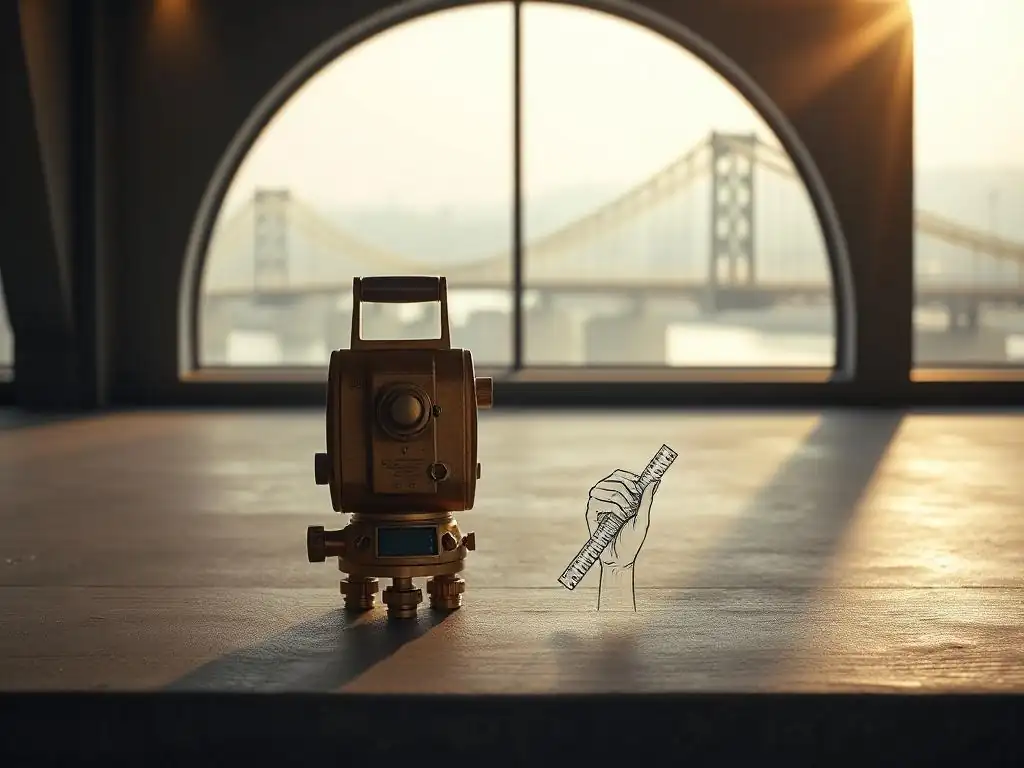
While the presence of women in civil engineering was scarce in the 19th and early 20th centuries, those who entered the field often played crucial, albeit sometimes uncredited, roles in infrastructure development. Their work might have involved structural calculations for buildings, surveying for new roadways, or assisting with the design of public works. Many early female engineers worked in support roles, performing detailed calculations, drafting plans, or managing administrative aspects of large-scale projects, which were essential for their successful completion.
These contributions were vital for the rapid expansion of urban centers and transportation networks during this period. Though often overshadowed by male project leaders, the meticulous work and technical expertise of these early women contributed directly to the safety and functionality of bridges, dams, and municipal buildings. Their foundational efforts in infrastructure development highlight how pioneer women engineers inspire by laying the groundwork for modern society.
Key Roles in Water Management and Sanitation
Another significant area where pioneer women engineers made critical contributions was in the fields of water management and sanitation. As cities grew, the need for clean water and effective waste disposal became paramount for public health. Women engineers, though few, found opportunities in designing water purification systems, sewage treatment plants, and improved plumbing infrastructure. Their work directly impacted the quality of life for millions, reducing the incidence of waterborne diseases and improving urban living conditions.
These roles often required a deep understanding of fluid dynamics, chemistry, and public health principles, combining technical expertise with a strong social conscience. Their efforts in ensuring access to clean water and sanitation were fundamental to modern urban planning and public health initiatives. The dedication of these early female engineers in such vital areas underscores how pioneer women engineers inspire through their commitment to societal well-being.
Nora Stanton Blatch Barney: A Suffragist and Pioneering Structural Engineer
Nora Stanton Blatch Barney, granddaughter of suffragist Elizabeth Cady Stanton, was a remarkable figure who combined a pioneering engineering career with passionate advocacy for women's rights. In 1905, she became the first woman in the United States to earn a civil engineering degree from Cornell University. Immediately following her graduation, she made history again by becoming the first woman junior member of the American Society of Civil Engineers (ASCE).
Blatch Barney's engineering career included work for the American Bridge Company, where she performed structural design, and later for the New York Public Service Commission, inspecting railway track. She also worked as a structural engineer and architect on various projects, demonstrating her versatility and technical acumen. Her unwavering commitment to both her engineering profession and the women's suffrage movement exemplifies how pioneer women engineers inspire not only through their technical achievements but also through their broader social impact and advocacy for equality.
Inspiring Future Generations: Lessons from Pioneer Women Engineers
The Importance of Perseverance and Determination
One of the most profound lessons gleaned from the lives of pioneer women engineers is the paramount importance of perseverance and unwavering determination. These women faced systemic discrimination, skepticism from peers, and limited opportunities at every turn. Yet, they persisted, often learning independently, taking on unconventional roles, and consistently demonstrating their competence in a field designed to exclude them. Their stories are powerful narratives of refusing to be deterred by adversity.
Their ability to maintain focus on their technical goals despite immense pressure and resistance serves as a timeless example for anyone pursuing challenging aspirations. It highlights that true innovation and success often require an unyielding commitment to one's vision, even when the path is fraught with obstacles. This resolute spirit is a core reason why pioneer women engineers inspire continuous effort in the face of difficulty.
Embracing Innovation and Creativity in Engineering
Many pioneer women engineers distinguished themselves not just by their presence in the field, but by their innovative and creative approaches to engineering problems. Lacking established pathways, they often had to forge their own methods, leading to novel solutions. Lillian Gilbreth's integration of psychology into industrial efficiency or Olive Dennis's focus on passenger experience are prime examples of how these women brought fresh perspectives that transcended conventional engineering thought.
This lesson encourages future generations to think beyond traditional boundaries and to approach problems with an open mind. It emphasizes that true engineering excellence often comes from challenging existing paradigms and daring to implement unconventional solutions. The innovative spirit of these early female engineers continues to show how pioneer women engineers inspire groundbreaking ideas and creative problem-solving.
Mentorship and Support for Aspiring Women Engineers
While formal mentorship programs were virtually non-existent for women in early engineering, the very act of these pioneers succeeding provided a form of indirect mentorship and support. Their accomplishments served as beacons of possibility, demonstrating to younger women that careers in engineering were attainable. In some cases, they also actively advocated for greater inclusion and created informal networks to support one another.
Today, the legacy of these pioneers underscores the critical need for robust mentorship and support systems for aspiring women engineers. Their struggles highlight the importance of creating inclusive environments where young talent can thrive, receive guidance, and find community. By celebrating their achievements, we reinforce the value of collective support in advancing women in STEM, demonstrating how pioneer women engineers inspire a supportive ecosystem for future generations.
Resources for Learning More About Women in Science History and Engineering
Books and Biographies on Pioneer Women Engineers
For those eager to delve deeper into the lives and achievements of these remarkable women, a wealth of books and biographies offer detailed insights. These narratives provide not only accounts of their technical contributions but also contextualize the societal challenges they overcame. Key figures like Emily Roebling, Lillian Gilbreth, Olive Dennis, and Nora Stanton Blatch Barney are often subjects of dedicated historical research, illuminating their personal struggles and professional triumphs.
Seeking out books on women in engineering history, or specific biographies of these trailblazers, can provide a richer understanding of their impact. Many academic presses and historical societies have published comprehensive works that draw from archival materials, offering authentic glimpses into their pioneering careers. These resources are invaluable for appreciating how pioneer women engineers inspire through their documented journeys.
Online Archives and Databases Featuring Their Work
The digital age has made historical research more accessible than ever, with numerous online archives and databases now housing materials related to pioneer women engineers. University libraries, historical societies, and professional organizations often digitize collections of letters, blueprints, articles, and photographs that shed light on their work. Searching through these digital repositories can uncover primary sources that provide direct evidence of their contributions.
Specialized databases in engineering history, women's studies, and historical records also frequently feature profiles, articles, and research papers on these figures. These platforms allow researchers and enthusiasts to explore their projects, publications, and professional affiliations, offering a comprehensive view of their careers. These online resources are excellent avenues for discovering how pioneer women engineers inspire through their tangible historical records.
Organizations Supporting Women in STEM Fields
The legacy of pioneer women engineers continues through the vital work of organizations dedicated to supporting women in STEM fields today. Groups like the Society of Women Engineers (SWE), various committees within the American Society of Civil Engineers (ASCE) focused on diversity, and national academies promoting equity, play crucial roles. These organizations build upon the foundation laid by early female engineers, working to foster inclusive environments, provide mentorship, and advocate for gender parity in engineering.
They offer scholarships, networking opportunities, professional development programs, and platforms for celebrating the achievements of women in engineering. Engaging with these organizations is an excellent way to connect with the ongoing movement to empower women in STEM and to contribute to the future of engineering, ensuring that the spirit of how pioneer women engineers inspire continues to thrive.
Conclusion: The Ongoing Inspiration of Pioneer Women Engineers
Celebrating Their Achievements and Contributions
The stories of pioneer women engineers are not merely historical footnotes; they are powerful narratives of ingenuity, perseverance, and groundbreaking achievement. Their contributions to infrastructure, industry, and society at large were monumental, often accomplished against a backdrop of systemic discrimination and limited opportunities. By celebrating their accomplishments, we not only give them the long-overdue recognition they deserve but also enrich our understanding of engineering history itself.
Acknowledging their significant roles is essential for a complete and accurate historical record, highlighting the diverse intellectual forces that have shaped our built world. Their work stands as a testament to the fact that talent and determination know no gender boundaries. This celebration ensures that the profound impact of these trailblazing women is never forgotten, perpetually reinforcing how pioneer women engineers inspire.
Encouraging Continued Progress for Women in Engineering
The legacy of pioneer women engineers serves as a powerful call to action for continued progress in achieving gender equity in engineering. Their struggles remind us that while much has been achieved, there is still work to be done to ensure that all individuals, regardless of gender, have equal opportunities to pursue and excel in engineering careers. Their triumphs provide compelling evidence of the immense value that diverse perspectives bring to innovation and problem-solving.
By drawing inspiration from these remarkable women, we are encouraged to foster more inclusive educational pathways, dismantle remaining professional barriers, and actively promote a culture of mentorship and support for aspiring female engineers. The echoes of their ingenuity resonate today, urging us to build a future where every woman with a passion for engineering can contribute her full potential, ensuring that pioneer women engineers inspire a truly equitable and innovative world.
Frequently Asked Questions
How did pioneer women engineers contribute to their respective fields?
Pioneer women engineers made significant advancements across various fields. They often developed innovative solutions and pushed the boundaries of what was considered possible, despite facing considerable obstacles.
What were some of the major challenges faced by women entering engineering in the past?
Women faced significant discrimination and prejudice in male-dominated fields. They were often denied opportunities for education, advancement, and recognition for their contributions to engineering.
In what ways can the stories of pioneer women engineers inspire current and future generations?
Their stories demonstrate perseverance and resilience, proving that gender should not limit potential. By highlighting their achievements, we can encourage more women to pursue careers in STEM fields.
How does "WomenInScienceHistory.com" help to promote the legacy of these pioneer women?
The website provides biographies and discussions of their work, helping to bring their often-overlooked narratives to a wider audience. It celebrates their achievements and inspires future generations.
What are some examples of groundbreaking work done by pioneer women engineers?
Many women engineers contributed to fields like civil, electrical, and mechanical engineering. Their projects ranged from designing bridges and infrastructure to developing new technologies and improving existing systems.
Final Reflection: The Enduring Spark of Innovation
The stories we've explored, showcasing the unyielding spirit of pioneer women engineers, are not just historical anecdotes; they are vibrant blueprints for navigating the challenges of today. Their struggles against societal barriers, their relentless pursuit of knowledge, and their groundbreaking innovations resonate deeply in a world still striving for true equality and inclusivity in STEM fields. These women proved that brilliance knows no gender, and their legacy continues to ignite the passions of aspiring engineers worldwide.
The impact of these trailblazers extends far beyond the blueprints they drafted and the machines they designed. Their courage to defy expectations and break down barriers has paved the way for generations of women to pursue their dreams without limitation. You can waste your lives drawing lines, or you can live your life crossing them.
This quote, though not directly from a pioneer woman engineer, perfectly encapsulates the spirit of pushing boundaries and challenging the status quo that defined their lives and continues to inspire us today.
As we close this exploration of the remarkable lives of pioneer women engineers, let us carry their spirit of ingenuity and resilience forward. Let their stories fuel our own determination to overcome obstacles, to champion diversity, and to create a future where every individual, regardless of gender, has the opportunity to contribute their unique talents to the world of engineering and beyond. Embrace their legacy, and let it inspire you to build a better tomorrow.
Ignite Your Inner Pioneer: Build the Future!
Thank you for delving into the remarkable stories of these pioneering women. You've gained valuable insight into their resilience, ingenuity, and impact on engineering. Now, it's your turn to carry their torch and shape the world around you.
Here's how you can get started:
- Embrace your curiosity and build something new! Take on a small engineering project that challenges you.
- Share this article with other women, to ensure that the new generations have the resources they need to grow up without gender limitations.
- Uncover hidden figures. Start researching lesser-known women engineers from history and consider publishing a blog post on your findings or starting a discussion about their contributions.
What small act of engineering brilliance will you bring to life today?