
Diagnosing the Invisible: 19thCentury Women's Critical Role in Early Disease Identification

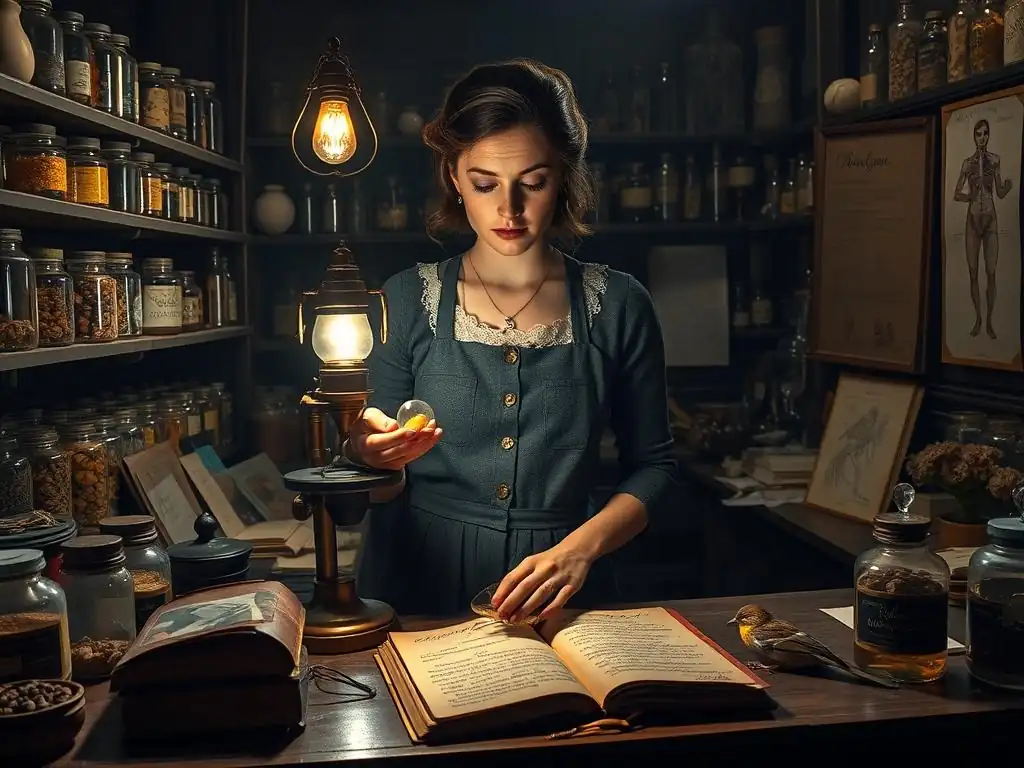
Welcome to WomenInScienceHistory.com!
Discover the untold stories of remarkable women who shattered glass ceilings and revolutionized scientific understanding. This month, we delve into the fascinating and often overlooked contributions of 19th-century women in the field of medicine. Their critical role in disease identification was pivotal, yet their efforts were often obscured. Ever wondered how these pioneering figures navigated a male-dominated world to diagnose and combat some of history's most devastating ailments? Prepare to uncover the hidden narratives behind Diagnosing the Invisible: 19th-Century Women's Critical Role in Early Disease Identification and explore the lasting impact of their groundbreaking work.
- Introduction: Unveiling the Untold Stories of 19th Century Women in Disease Diagnostics
- The Landscape of 19th Century Disease and Medical Practices
- Pioneering Women and Their Contributions to Disease Identification
- Techniques and Methodologies Employed by Women in Disease Diagnosis
- The Impact of 19th Century Women's Work on Modern Medicine
- Challenges Faced by Women in the Field of Disease Identification
- Case Studies: Specific Examples of Women's Diagnostic Successes
- Legacy and Recognition: Acknowledging the Contributions of 19th Century Women
- Conclusion: Celebrating the Unsung Heroines of 19th Century Disease Identification
-
Frequently Asked Questions
- How did 19th-century women contribute to disease identification despite societal limitations?
- What were some of the significant challenges faced by 19th-century women in diagnosing diseases?
- How did the unique perspective of 19th-century women influence the understanding of diseases?
- Can you provide examples of specific diseases where the contributions of 19th-century women were particularly impactful?
- Why is it important to highlight the contributions of 19th-century women in disease identification today?
- Final Reflection: The Enduring Legacy of Female Observation
- Unveil Your Inner Historian: Connect with the Past!
Introduction: Unveiling the Untold Stories of 19th Century Women in Disease Diagnostics
The Overlooked Contributions of Women in 19th Century Medicine
The 19th century was a period of immense scientific and social change, yet the narratives of scientific discovery often focus predominantly on male figures. Within the realm of medicine, particularly in the challenging and often perilous field of disease identification, the contributions of women have been historically marginalized or entirely omitted.
Despite facing pervasive societal barriers, limited access to formal education, and professional exclusion, numerous 19th-century women made critical advancements in understanding, diagnosing, and preventing the spread of diseases. Their insights, often derived from practical experience and meticulous observation, were instrumental in shaping early public health initiatives and diagnostic methodologies.
These pioneering efforts by 19th century women represent a crucial, yet underappreciated, chapter in medical history. They navigated a landscape where germ theory was nascent, diagnostic tools were rudimentary, and medical practices were often more harmful than helpful. Through sheer determination and intellectual rigor, these women provided foundational insights into conditions ranging from infectious diseases to specific ailments affecting women, directly impacting the health outcomes of thousands. Their work underscores a persistent pattern of scientific neglect that this article seeks to address, shedding light on their invaluable roles.
Why Focusing on Women's Role in Disease Identification Matters
Highlighting the specific contributions of 19th-century women to disease identification is essential for several reasons. Firstly, it offers a more complete and accurate historical account of medical progress, correcting long-standing biases that have obscured the achievements of half of humanity. By recognizing their work, we gain a deeper understanding of how medical knowledge evolved during a pivotal era. The challenges these women overcame also provide powerful lessons in resilience and intellectual fortitude.
Secondly, understanding how 19th-century women approached disease, often with innovative methods outside the traditional, male-dominated medical establishment, can inspire contemporary approaches to healthcare and scientific inquiry. Their emphasis on hygiene, patient observation, and data collection laid groundwork that remains relevant today. Moreover, by celebrating these unsung heroines, we provide vital role models for future generations, encouraging young women to pursue careers in science and medicine and to challenge existing boundaries, just as these 19th century women did in the face of widespread disease.
The Landscape of 19th Century Disease and Medical Practices
Prevailing Diseases and Diagnostic Challenges in the 1800s
The 19th century was characterized by widespread outbreaks of infectious diseases that ravaged populations, particularly in urban centers. Cholera, typhoid fever, tuberculosis, smallpox, and puerperal fever were common scourges, often reaching epidemic proportions. Diagnostic capabilities were severely limited; the concept of microorganisms as disease-causing agents was only beginning to gain traction in the latter half of the century, largely propelled by the work of Louis Pasteur and Robert Koch. Before this, prevailing theories, such as the miasma theory, attributed disease to "bad air" or moral failings, leading to ineffective or even harmful treatments.
Physicians relied primarily on clinical observation, patient symptoms, and sometimes basic physical examinations using newly emerging tools like the stethoscope (invented in 1816). However, without understanding the underlying causes of infection, differentiating between similar symptomatic diseases was difficult, and effective treatments were rare. This era presented immense challenges for anyone attempting to accurately identify and combat disease, a task made even more daunting for 19th-century women seeking to contribute to medicine.
Limited Medical Knowledge and the Rise of Early Diagnostic Methods
Medical knowledge in the early 19th century was a patchwork of ancient theories, empirical observations, and often unproven remedies. Anatomy and physiology were better understood than pathology or microbiology. The development of microscopy allowed for new insights into tissues and fluids, but its application to disease diagnosis was still in its infancy. Early laboratory techniques were rudimentary, lacking standardized procedures or sophisticated equipment. Blood tests, X-rays, and advanced imaging were centuries away.
Despite these limitations, the period saw the slow emergence of more systematic approaches to patient care and the collection of clinical data. Physicians and early public health reformers began to emphasize hygiene and sanitation, even without a full understanding of germ theory, based on observed correlations between clean environments and reduced disease incidence. This shift towards data-driven observation and a greater focus on environmental factors provided openings for individuals, including pioneering 19th century women, to contribute to the understanding and identification of disease patterns through careful recording and analysis.
Societal Constraints and Gender Roles in 19th Century Healthcare
For 19th-century women, pursuing a career in medicine, particularly in roles involving disease identification and treatment, was an uphill battle against deeply entrenched societal norms and gender bias. Women were largely confined to domestic spheres, and their roles in healthcare were typically restricted to informal caregiving, midwifery, or, by mid-century, the emerging field of nursing. Formal medical education was almost entirely inaccessible to women for much of the period, with universities and medical colleges refusing them admission.
Even when a few pioneering women managed to obtain medical degrees, they faced immense discrimination in practice, often denied hospital privileges, shunned by male colleagues, and struggling to establish practices. This exclusion meant that many 19th-century women who contributed to medical knowledge did so through unconventional paths: as nurses, public health reformers, or through private study and informal networks. Their contributions to understanding and identifying disease often came from meticulous observation in homes, hospitals, or through advocacy for sanitary reforms, rather than from traditional clinical settings.
Pioneering Women and Their Contributions to Disease Identification
Florence Nightingale: Championing Sanitary Reform and Disease Prevention
Florence Nightingale (1820-1910) is globally renowned as the founder of modern nursing, but her contributions extended far beyond bedside care; she was a pioneering statistician and public health reformer whose work critically shaped the understanding and prevention of disease. Her experiences during the Crimean War revealed the devastating impact of poor sanitation and inadequate medical practices.
Nightingale's Use of Statistics and Environmental Observation in Identifying Disease Patterns
Nightingale arrived at the British military hospitals in Scutari during the Crimean War in 1854. She immediately recognized that more soldiers were dying from preventable diseases like cholera, typhoid, and dysentery than from battle wounds. Her meticulous record-keeping and statistical analysis were revolutionary. She collected detailed data on causes of death, hospital conditions, and environmental factors.
Before her interventions, the annual mortality rate among British soldiers in the Crimean War peaked at an astonishing rate of approximately 60% due to these preventable diseases. Nightingale's reforms, which included improving sanitation, ventilation, nutrition, and general hygiene, led to a dramatic reduction in the mortality rate to just over 2% within a few months. She famously used "coxcomb" diagrams to visually represent these statistics, demonstrating a clear link between environmental conditions and disease prevalence. Her ability to diagnose the "invisible" killers – unsanitary conditions – through data was unprecedented.
Overcoming Obstacles: Nightingale's Influence in Military Healthcare Reform
Nightingale faced significant resistance from military authorities, who were accustomed to traditional, less scientific approaches. Despite the bureaucratic inertia and skepticism, her compelling statistical evidence and unwavering determination forced systemic change. Her work led to a Royal Commission on the Health of the Army in 1857, which adopted many of her recommendations.
Her influence extended beyond military hospitals, shaping public health policy in Britain and around the world. Nightingale's scientific approach to identifying the root causes of widespread 19th-century disease demonstrated how critical data analysis and environmental observation were, even without full knowledge of germ theory, setting a precedent for public health diagnostics.
Elizabeth Blackwell: Breaking Barriers and Advocating for Women in Medicine
Elizabeth Blackwell (1821-1910) holds the distinction of being the first woman to earn a medical degree in the United States, graduating from Geneva Medical College in 1849. Her journey was fraught with rejection and skepticism, but her perseverance opened doors for countless other 19th-century women aspiring to practice medicine.
The Significance of Blackwell's Medical Training and Practice
Blackwell's rigorous medical training allowed her to approach disease identification with a scientific and systematic mindset, a stark contrast to many of the less empirical practices of the time. After facing widespread prejudice in seeking employment, she established her own practice in New York City, focusing on the health of women and children. Her approach emphasized preventive medicine and hygiene, which were crucial in an era plagued by infectious diseases.
She understood that identifying and mitigating environmental risks, alongside individual patient care, was paramount to public health. For instance, in an era when typhoid fever was rampant, her emphasis on sanitation and clean water in her practice and the institutions she founded served as a direct, practical method of preventing and thus "diagnosing" the conditions that led to the disease's spread.
Recognition and Legacy: Blackwell's Impact on Medical Education for Women
In 1857, Elizabeth Blackwell, along with her sister Emily Blackwell and Marie Zakrzewska, founded the New York Infirmary for Indigent Women and Children. This institution was groundbreaking not only for providing much-needed medical care to the poor but also for offering clinical training opportunities for women physicians, which were otherwise virtually non-existent.
The Infirmary served as a vital space where 19th-century women could gain practical experience in diagnosing and treating a wide array of diseases. Blackwell's tireless advocacy for women's entry into the medical profession and her establishment of educational pathways profoundly impacted medical education, paving the way for future generations of women to contribute meaningfully to the diagnosis and treatment of disease.
Mary Putnam Jacobi: A Scientific Approach to Women's Health and Disease
Mary Putnam Jacobi (1842-1906) was a prominent American physician, professor, and medical writer known for her scientific rigor and her commitment to evidence-based medicine. She was a fierce advocate for women's intellectual capabilities and challenged many prevailing medical myths about women's health.
Jacobi's Rigorous Research and Challenge to Prevailing Medical Theories
Jacobi's commitment to scientific inquiry was evident in her extensive education, including studies at the École de Médecine in Paris, where she graduated in 1871. She became a leading voice in challenging the prevailing "rest cure" dogma, a popular treatment for neurasthenia and other "female ailments" that often confined women to bed rest for extended periods. Her most famous work, "The Question of Rest for Women During Menstruation" (1877), directly refuted the notion that menstruation inherently incapacitated women.
Through meticulous physiological research and data collected from 268 women, she demonstrated that physical and mental activity during menstruation was not inherently harmful and often beneficial, directly challenging a common misdiagnosis that pathologized normal female physiology. This was a critical step in moving away from a patriarchal, unscientific approach to women's health.
Community Engagement: Jacobi's Advocacy for Women's Health Issues
Beyond her research, Jacobi was deeply involved in professional medical societies and actively campaigned for women's access to education and professional opportunities. She was the first woman admitted to the New York Academy of Medicine.
Her advocacy extended to ensuring that women's health issues were approached with the same scientific rigor as men's, challenging the idea that women's ailments were primarily due to their reproductive organs or emotional fragility. Her efforts helped to demystify women's health and promote a more accurate understanding of women's physiology, which in turn led to more precise diagnosis and treatment of conditions affecting 19th-century women.
Techniques and Methodologies Employed by Women in Disease Diagnosis
Microscopic Analysis and the Development of Early Laboratory Techniques
While access to sophisticated laboratories was limited for most 19th-century women, some pioneering figures did engage with early microscopic analysis. The microscope, though rudimentary compared to modern instruments, offered a new window into the unseen world of cells and tissues. Women who gained access to medical training or scientific institutions were often at the forefront of applying these new visual tools. For instance, in the latter half of the century, as germ theory gained acceptance, some female physicians and researchers began to utilize microscopes to identify pathogens in patient samples, albeit on a small scale.
Their involvement, even if often in supportive roles or through personal study, contributed to the slow but steady integration of laboratory techniques into medical practice. These early explorations, often conducted with limited resources, laid groundwork for the eventual widespread adoption of clinical pathology and diagnostic microbiology. The enthusiasm of these 19th-century women for scientific exploration helped to push the boundaries of disease identification beyond mere symptomatic observation.
Observation and Patient Interviewing: The Importance of Detailed Case Histories
For many 19th-century women in healthcare, particularly nurses and those in informal caregiving roles, meticulous observation and detailed patient interviewing were paramount to disease identification. Without advanced diagnostic tests, understanding a patient's symptoms, lifestyle, environment, and family history became critical. Women, often in closer contact with patients over extended periods, excelled at collecting comprehensive case histories.
They would carefully note changes in symptoms, diet, sleep patterns, and environmental factors like sanitation and ventilation. This holistic approach allowed them to identify patterns, correlate symptoms with potential causes, and sometimes even predict the course of an illness. Florence Nightingale's statistical work, for example, was built upon such detailed observations. This skill was invaluable in an era where the "invisible" causes of disease needed to be inferred from visible effects and contextual information, making it a cornerstone of how 19th-century women contributed to early disease diagnosis.
Utilizing Traditional Knowledge and Herbal Remedies in Disease Management
Long before formal medical institutions became accessible to women, women in communities across the globe served as primary healthcare providers, drawing upon generations of traditional knowledge and herbal remedies. Midwives, healers, and community matriarchs possessed extensive knowledge of local flora and their medicinal properties, as well as an intuitive understanding of symptoms and their progression. While not "diagnosis" in the modern clinical sense, their ability to recognize specific ailments based on symptom clusters and suggest appropriate traditional treatments often amounted to early identification and management of diseases.
This informal knowledge, passed down through oral traditions, was a vital resource for communities, especially in rural areas or among marginalized populations. These 19th-century women understood the efficacy of certain plants for fever, inflammation, or digestive issues, allowing them to provide care that often predated or ran parallel to formal medical interventions. Their practical experience, though often dismissed by the emerging scientific establishment, contributed significantly to the health and well-being of their communities and offered insights into the natural history of various diseases.
The Impact of 19th Century Women's Work on Modern Medicine

Laying the Foundation for Modern Diagnostic Practices
The meticulous work of 19th-century women in observing, documenting, and analyzing disease patterns laid crucial groundwork for modern diagnostic practices. Florence Nightingale's pioneering use of statistics in healthcare, for instance, established the field of medical epidemiology, which is fundamental to understanding disease outbreaks and risk factors today. Her methods for collecting and interpreting data on patient outcomes and environmental conditions directly influenced the development of public health surveillance and preventative medicine.
Elizabeth Blackwell's unwavering commitment to hygiene and preventative care, alongside her efforts to professionalize nursing and medical education for women, underscored the importance of a holistic approach to patient health, which includes identifying and mitigating environmental contributors to illness. These early efforts by 19th-century women moved medicine away from purely symptomatic treatment towards a more evidence-based, systemic understanding of disease.
The Enduring Relevance of Their Observations and Discoveries
The insights gained by these women continue to resonate in contemporary medicine. Nightingale's principles of sanitation and environmental health are still core tenets of infection control in hospitals worldwide. Her understanding that clean air, clean water, and proper nutrition are essential for recovery from illness remains a fundamental aspect of patient care. Mary Putnam Jacobi's scientific challenge to prevailing, unscientific medical theories about women's bodies paved the way for a more evidence-based approach to women's health, influencing modern gynecology and endocrinology.
Their collective emphasis on detailed patient histories, systematic observation, and the correlation of symptoms with environmental factors forms the bedrock of clinical diagnosis even with advanced technology. The foundational work by 19th-century women in identifying disease patterns and advocating for public health measures demonstrates an enduring relevance that transcends the technological limitations of their era.
Inspiring Future Generations of Women in Science and Medicine
The stories of 19th-century women who defied societal norms to pursue careers in medicine and science serve as powerful inspiration. Their perseverance in the face of immense gender bias, their intellectual curiosity, and their dedication to improving human health continue to motivate young women to enter STEM fields. By highlighting their struggles and triumphs, platforms like WomenInScienceHistory.com empower future generations to overcome contemporary challenges and strive for excellence.
Their legacies remind us that innovation and progress often emerge from diverse perspectives and that excluding any group from scientific inquiry hinders collective advancement. The recognition of these 19th-century women's contributions is not just about historical accuracy but about fostering an inclusive future for science and medicine.
Challenges Faced by Women in the Field of Disease Identification
Gender Bias and Limited Access to Education and Resources
The most significant hurdle for 19th-century women aspiring to contribute to disease identification was pervasive gender bias. Medical schools largely refused them admission, deeming them intellectually or emotionally unsuited for rigorous scientific study. Those who managed to gain entry, like Elizabeth Blackwell, often faced hostility from male peers and faculty. Even after obtaining degrees, they struggled to secure hospital privileges, research positions, or even the right to practice freely.
This systemic discrimination meant limited access to vital resources: laboratories, medical libraries, clinical experience, and funding for research. Many women had to establish their own institutions, like the New York Infirmary, to gain practical experience and provide care. The lack of access to advanced scientific tools and collaborative environments significantly constrained their ability to conduct large-scale research or widely disseminate their findings, making their individual diagnostic successes even more remarkable.
Societal Expectations and the Struggle for Recognition
Beyond institutional barriers, 19th-century women faced immense societal pressure to conform to traditional domestic roles. Pursuing a demanding medical career was often seen as unnatural or unfeminine, leading to social ostracization. Their professional achievements were frequently downplayed, dismissed, or attributed to male colleagues. For instance, Florence Nightingale's statistical innovations, while revolutionary, were sometimes initially met with skepticism precisely because they came from a woman.
The struggle for recognition was constant. Their work in identifying disease, especially in areas like public health or women's health, was often considered less "scientific" or important than male-dominated surgical or clinical fields. This double burden of professional work and the fight for societal acceptance meant that many of these 19th-century women had to expend extraordinary effort simply to be heard and acknowledged for their profound contributions to understanding disease.
The Importance of Mentorship and Support Networks
Given the formidable challenges, the existence of informal mentorship and support networks was crucial for 19th-century women in medicine. Pioneers like Elizabeth Blackwell actively sought to create opportunities for other women, establishing institutions where they could train and practice. These networks provided not only practical experience but also emotional and professional solidarity against a hostile environment.
Women often relied on each other for collaboration, sharing knowledge, and mutual encouragement. While formal professional societies largely excluded them, they formed their own associations or found allies among progressive male physicians. These support systems were vital in sustaining their efforts, allowing them to continue their groundbreaking work in disease identification and treatment despite the overwhelming odds against them.
Case Studies: Specific Examples of Women's Diagnostic Successes
Case Study 1: The Crimean War and Nightingale's Impact on Reducing Mortality Rates
Florence Nightingale's work during the Crimean War stands as a monumental example of diagnostic success through environmental observation and statistical analysis. When she arrived in Scutari in 1854, British soldiers were dying at an alarming rate, not from battle wounds, but from diseases like cholera, typhoid, and dysentery. Before her interventions, the annual mortality rate among British soldiers in the Crimean War reached approximately 60%, with disease accounting for the vast majority of deaths. Nightingale meticulously documented the conditions: unsanitary latrines, overflowing sewers, contaminated water, and overcrowded wards.
Her "diagnosis" was not of an individual patient's illness but of the systemic causes of mass mortality. By implementing radical sanitary reforms—improving hygiene, ensuring clean water, providing proper ventilation, and separating sick patients—she dramatically reduced the death rate. Within six months of her arrival, the mortality rate plummeted to just over 2%, saving thousands of lives. Her statistical charts, known as coxcomb diagrams, visually demonstrated this causal link, effectively "diagnosing" the environmental factors responsible for the widespread 19th-century disease that decimated the troops.
Case Study 2: Blackwell's Contributions to Understanding Typhoid Fever
While Elizabeth Blackwell's primary legacy is in opening medical education to women and promoting public health, her practice inherently involved the identification and prevention of diseases like typhoid fever. Typhoid was a common and often fatal illness in 19th-century urban environments, spread through contaminated food and water. At her New York Infirmary for Indigent Women and Children, which served a population highly vulnerable to such conditions, Blackwell's diagnostic approach was rooted in identifying the environmental and social determinants of health.
She rigorously enforced sanitary protocols within the infirmary and educated her patients on personal hygiene and safe food preparation. By emphasizing cleanliness, proper ventilation, and access to clean water, she effectively diagnosed the conditions that propagated typhoid and other infectious diseases. Her focus was on preventing the spread of illness by identifying its root causes in the patient's environment and advocating for public health measures, thereby preventing countless cases of 19th-century women disease, particularly among the vulnerable populations she served.
Case Study 3: Jacobi's Research Challenging Rest Cures for Women
Mary Putnam Jacobi's most impactful diagnostic success was her scientific challenge to the prevailing medical dogma that women were inherently fragile and required extensive "rest cures" for a wide range of nervous and gynecological ailments, particularly during menstruation. In her seminal 1877 essay, "The Question of Rest for Women During Menstruation," which won the Boylston Prize, Jacobi systematically dismantled this unscientific notion.
Through meticulous physiological research and a comprehensive study of 268 women, she demonstrated that moderate physical and intellectual activity during menstruation was not only harmless but often beneficial. She provided empirical data to show that the "rest cure" often led to physical debility and mental stagnation, rather than genuine recovery. This was a critical diagnostic intervention, as it exposed a widespread medical misdiagnosis that unfairly pathologized normal female physiology and confined women unnecessarily. Jacobi's work shifted the medical understanding of 19th-century women disease from a patriarchal, unsubstantiated view to one based on scientific observation and physiological fact.
Legacy and Recognition: Acknowledging the Contributions of 19th Century Women
Efforts to Document and Celebrate Their Achievements
In recent decades, there has been a growing and concerted effort to unearth, document, and celebrate the often-overlooked achievements of 19th-century women in science and medicine. Historians, biographers, and dedicated organizations like WomenInScienceHistory.com are actively working to correct historical omissions. This involves sifting through archived letters, personal diaries, institutional records, and neglected scientific publications to reconstruct their professional lives and highlight their specific contributions to disease identification and other scientific fields.
These efforts are crucial not only for academic accuracy but also for public awareness. Through books, documentaries, and digital platforms, the stories of these pioneering women are finally reaching a wider audience, ensuring that their struggles and triumphs are recognized as integral parts of the broader narrative of scientific progress. This ongoing work is essential to fully appreciate the scope of how 19th-century women shaped medical understanding.
The Importance of Including Women's Stories in Medical History
Including the stories of 19th-century women in medical history is not merely an act of historical revisionism; it is fundamental to a complete and accurate understanding of how modern medicine developed. Their experiences shed light on the social, cultural, and scientific contexts that shaped medical practice. By recognizing their unique perspectives and the challenges they overcame, we gain a more nuanced appreciation of the complex journey of medical discovery.
Moreover, integrating their narratives enriches the historical record by demonstrating the diversity of thought and methodology that contributed to advancements. It highlights that critical insights often came from individuals operating outside traditional power structures, forcing us to re-evaluate conventional notions of scientific authority and contribution. Their contributions to diagnosing 19th-century women disease and broader public health issues are foundational.
Resources for Further Research and Exploration
For those inspired to delve deeper into the lives and work of these remarkable 19th-century women, a wealth of resources exists. Academic archives at universities and medical libraries hold collections of their papers, correspondence, and institutional records. Specialized historical societies focusing on women's history or medical history often maintain valuable databases and bibliographies.
Numerous scholarly articles and comprehensive biographies have been published detailing their lives and specific scientific contributions. Online digital humanities projects and historical websites dedicated to women in science provide accessible entry points for further exploration. These resources offer invaluable opportunities to learn more about how 19th-century women shaped our understanding of disease.
Conclusion: Celebrating the Unsung Heroines of 19th Century Disease Identification
The Lasting Impact of 19th Century Women on Healthcare
The 19th-century women who dared to enter the male-dominated fields of biology and medicine left an indelible mark on healthcare. Their contributions to disease identification, often achieved through sheer perseverance and innovative methods, laid crucial foundations for modern medical practices. Florence Nightingale's pioneering work in epidemiology and public health statistics continues to inform global health initiatives, while Elizabeth Blackwell's advocacy for medical education for women transformed the landscape of the medical profession. Mary Putnam Jacobi's rigorous scientific approach challenged prevailing medical myths, particularly concerning women's health.
These women, alongside countless others whose names may be less widely known, demonstrated that meticulous observation, data collection, and a scientific mindset were paramount in understanding and combating the widespread 19th-century disease. Their work was not just about treating individual patients but about identifying systemic causes and advocating for societal changes that improved public health for millions.
Inspiring Future Generations to Pursue Careers in Science and Medicine
The stories of these trailblazing 19th-century women serve as powerful beacons of inspiration. Their courage in breaking barriers, their intellectual brilliance in unraveling the mysteries of disease, and their unwavering commitment to improving human well-being offer compelling role models for future generations. By sharing their narratives, we encourage young people, especially girls and women, to pursue careers in science, technology, engineering, and medicine with confidence and determination.
Their legacies remind us that curiosity, critical thinking, and empathy are universal qualities essential for scientific discovery, regardless of gender or societal constraints. The path they forged, marked by resilience and profound intellectual contributions, continues to motivate aspiring scientists and healthcare professionals to tackle the complex health challenges of today and tomorrow.
The Ongoing Need for Recognition and Equity in the Scientific Community
While significant progress has been made since the 19th century, the struggle for full recognition and equity for women in the scientific community continues. The historical marginalization of 19th-century women's contributions underscores the importance of actively seeking out and celebrating diverse voices in science.
Ensuring that all individuals, regardless of gender, background, or identity, have equal access to education, resources, and opportunities is vital for the continued advancement of scientific knowledge. By acknowledging the unsung heroines of 19th-century disease identification, we not only honor their past achievements but also reaffirm our commitment to fostering a truly inclusive and equitable future for science and medicine.
Frequently Asked Questions
How did 19th-century women contribute to disease identification despite societal limitations?
Women played a critical role through nursing, observation, and record-keeping, providing essential data for early disease understanding despite limited formal scientific roles. Their detailed patient care often revealed patterns missed by male doctors.
What were some of the significant challenges faced by 19th-century women in diagnosing diseases?
They faced societal barriers that restricted their access to education and formal medical training, making it difficult to gain credentials. Male dominance in the medical field often dismissed or undervalued their observations.
How did the unique perspective of 19th-century women influence the understanding of diseases?
Their focus on patient well-being and holistic observation often led to identifying subtle symptoms and environmental factors. This patient-centered approach provided a more comprehensive view of disease progression.
Can you provide examples of specific diseases where the contributions of 19th-century women were particularly impactful?
Women's work during the cholera and typhoid epidemics was crucial in identifying transmission patterns and implementing sanitary measures. Their contributions were also significant in maternal and child health.
Why is it important to highlight the contributions of 19th-century women in disease identification today?
It's crucial to recognize their legacy and challenge the historical erasure of women's scientific contributions. This historical awareness inspires future generations and promotes greater diversity in STEM fields.
Final Reflection: The Enduring Legacy of Female Observation
The exploration of 19th-century women's contributions to early disease identification reveals a truth that resonates powerfully today: untapped potential often lies hidden in plain sight. Their keen observation and dedication, often dismissed or overlooked, were instrumental in shaping our understanding of disease. This historical perspective reminds us to value diverse voices and recognize the crucial role of marginalized communities in advancing knowledge.
The impact of these women extends far beyond the medical textbooks. Their stories serve as a potent reminder of the systemic barriers that historically silenced women and continue to impede progress in various fields. Their resilience and ingenuity, despite facing societal constraints, inspire us to challenge existing power structures and advocate for inclusivity. The cure for boredom is curiosity. There is no cure for curiosity.
- Dorothy Parker. This quote perfectly encapsulates the spirit of these women, whose curiosity and dedication drove them to uncover vital medical insights.
Let us, therefore, carry forward the legacy of these unsung heroines. Consider how you can actively challenge biases, amplify marginalized voices, and cultivate a more inclusive environment in your own sphere of influence. By recognizing and valuing diverse perspectives, we can unlock new possibilities and create a future where everyone has the opportunity to contribute their unique talents to the betterment of society.
Unveil Your Inner Historian: Connect with the Past!
Thank you for exploring the vital contributions of 19th-century women in disease identification. Now, take your newfound knowledge and make a difference!
Here are a few ways to continue your journey:
- Delve deeper: Research a specific woman mentioned in this article and share her story on social media to amplify her legacy.
- Join the discussion: Share your thoughts on how women's roles in science have evolved in the comment section below.
- Reflect on the challenges these women faced. How might we better support and celebrate women in STEM today?