
From Fieldwork to Lab Bench: Women Naturalists & Biologists Changing Science (19001950)

Welcome to WomenInScienceHistory.com!
Dive into the often-untold stories of extraordinary women who shaped the world of science. Get ready to explore the fascinating journey of Women Naturalists and biologists between 1900 and 1950, and discover how their groundbreaking fieldwork and innovative lab techniques revolutionized our understanding of the natural world. But what were the unique challenges they faced, and how did they overcome them to leave an indelible mark on science history? Keep reading to find out!
- Introduction: The Dawn of Women in Biological Sciences (1900-1950)
- Women Naturalists in the Field: Early 20th Century Explorations
- Transition to the Lab: Women's Impact on Experimental Biology
- Key Disciplines and Women's Contributions (1900-1950)
- Overcoming Barriers: Gender Bias and Discrimination in Science
- Legacy and Impact: The Enduring Influence of Women Naturalists & Biologists
-
Frequently Asked Questions
- What were some of the major challenges faced by women naturalists and biologists between 1900 and 1950?
- How did women naturalists and biologists contribute to the field despite these challenges?
- Can you name a specific example of a woman naturalist or biologist from this era and her significant accomplishment?
- What role did fieldwork play in the contributions of women naturalists and biologists?
- Why is it important to highlight the contributions of women in science history, especially in fields like natural history and biology?
- Final Reflection: Echoes of Innovation
- Ignite Your Inner Naturalist: Unearth Hidden Discoveries!
Introduction: The Dawn of Women in Biological Sciences (1900-1950)
Redefining Scientific Roles: Women's Contributions to Early 20th Century Biology
The early 20th century marked a pivotal, albeit slow, shift in the landscape of biological sciences, as more women began to carve out spaces for themselves within a field traditionally dominated by men. Educational opportunities, though still limited and often segregated, expanded enough to allow a growing number of women to pursue higher education in natural sciences.
This period saw a gradual transition from the era of the amateur naturalist, where women often engaged in botanical illustration or local specimen collection, to the emergence of professional scientific careers requiring formal training and specialized research. Despite significant societal and institutional barriers, these pioneering women laid crucial groundwork, contributing to the burgeoning fields of ecology, genetics, and physiology.
Their contributions during this time were diverse, ranging from meticulous fieldwork that expanded our understanding of biodiversity to groundbreaking laboratory experiments that illuminated fundamental biological processes. Many found roles in burgeoning university departments, museums, and research institutions, often starting in auxiliary positions but steadily proving their intellectual rigor and scientific acumen. By the mid-century, the presence of women in biology history had become undeniable, with their innovative approaches and persistent dedication beginning to reshape scientific inquiry and establish the foundation for modern biological disciplines.
Challenging Gender Norms: The Rise of Female Naturalists and Biologists
The journey for female naturalists and biologists in the early 20th century was fraught with systemic challenges rooted in deeply ingrained gender norms. Prevailing societal attitudes often deemed scientific pursuits, especially fieldwork, unsuitable for women, citing concerns about propriety, physical demands, and intellectual capacity. Women were frequently denied access to advanced courses, research funding, and professional networks crucial for career advancement. For instance, while some universities began admitting women, their career paths were often confined to teaching at women's colleges or working as unpaid research assistants, rarely reaching professorial ranks at major co-educational institutions.
Despite these formidable obstacles, a determined cohort of women naturalists biology history defied expectations, pushing boundaries in both the field and the laboratory. They demonstrated remarkable resilience, often pursuing their research with limited resources, facing outright discrimination, and struggling for recognition in a male-dominated scientific establishment. Their unwavering commitment to scientific discovery, often driven by a profound curiosity about the natural world, gradually chipped away at the restrictive gender stereotypes, paving the way for future generations of women to pursue careers in science.
Women Naturalists in the Field: Early 20th Century Explorations
Ynes Mexia: Botanical Exploration of the Americas
Ynes Mexia stands as a testament to the adventurous spirit and scientific rigor of early 20th-century women naturalists. Though she began her botanical career relatively late in life, at the age of 55, her impact was profound and extensive. From 1925 until her death in 1938, Mexia embarked on numerous expeditions across Mexico, South America, and Alaska, often traveling alone or with minimal support into remote, challenging terrains. Her meticulous collection methods and detailed field notes provided invaluable insights into the flora of these regions, many of which had been poorly documented.
During her expeditions, Mexia collected an astonishing volume of specimens, estimated at over 150,000, including approximately 500 species new to science. Her collections were widely distributed to herbaria globally, contributing significantly to botanical knowledge and taxonomy. One of her most notable achievements was her 1928-1929 expedition to the Amazon basin, where she navigated treacherous rivers and dense jungles, becoming one of the first women to conduct extensive botanical research in that area. Her fearless dedication solidified her place as a leading figure among women naturalists biology history.
Overcoming Obstacles: Challenges Faced by Women in Field Research
Field research in the early 20th century presented unique and often formidable challenges for women, extending beyond the scientific demands of the work itself. Societal norms dictated that women should not travel alone or engage in physically strenuous activities, making it difficult to secure funding, permits, or even acceptance from local communities. Many female naturalists faced skepticism regarding their physical endurance and capability to withstand harsh environmental conditions, from extreme climates to rough terrain. They often had to contend with inadequate gear designed for men, and the logistics of safety and personal privacy in remote locations were constant concerns.
Furthermore, academic institutions and scientific societies were slow to recognize the validity and importance of women's fieldwork, often providing less support or opportunities compared to their male counterparts. Despite these systemic barriers, pioneering women naturalists like Ynes Mexia, Mary Agnes Chase, and Alice Eastwood persevered, demonstrating exceptional resilience and ingenuity. They navigated these obstacles through sheer determination, often forming alliances with local guides, relying on their own resourcefulness, and proving through their extensive collections and detailed observations that gender was no barrier to rigorous scientific exploration.
The Importance of Observation: Women's Unique Perspective in Natural History
The contributions of women to natural history in the early 20th century were often characterized by an exceptional emphasis on detailed observation, a skill frequently honed through their experiences in education, domestic life, or teaching. This meticulous approach allowed many female naturalists to record nuances in behavior, ecological interactions, and morphological variations that might have been overlooked by others. Their notebooks and scientific illustrations often contained rich, descriptive data, providing a holistic view of organisms within their environments rather than solely focusing on classification.
This acute observational capacity proved invaluable in advancing fields like ornithology, entomology, and botany. For example, some women naturalists developed extensive knowledge of local floras and faunas through prolonged, patient study, often over many seasons, offering deep ecological insights. Their patient dedication to documenting subtle patterns and relationships in nature contributed significantly to the foundational knowledge of biodiversity and laid the groundwork for more complex ecological studies, showcasing a vital perspective within the broader narrative of women naturalists biology history.
Transition to the Lab: Women's Impact on Experimental Biology
The Rise of Women in Laboratory Settings: A Shift in Scientific Practice
As the biological sciences became increasingly professionalized and moved towards experimental methodologies, the laboratory emerged as a new frontier for women in science during the early 20th century. While fieldwork continued to be important, the growing emphasis on controlled experiments, microscopy, and biochemical analysis created new roles. Women, often excluded from higher academic echelons, found opportunities as research assistants, technicians, and instructors, particularly in emerging fields like genetics, cytology, and physiology. These roles, though sometimes lacking in full recognition, provided invaluable hands-on experience and access to cutting-edge scientific equipment.
This shift allowed many brilliant women in biology history to contribute significantly to foundational discoveries, even if their names were not always prominently featured on publications. They meticulously performed experiments, analyzed data, and developed new techniques, becoming indispensable members of research teams. The laboratory, while still a male-dominated space, offered a more structured environment where intellectual rigor and experimental precision could often speak louder than gender, paving the way for women to transition from supportive roles to leading their own groundbreaking research.
Nettie Stevens: Discovery of Sex Chromosomes
Nettie Stevens stands as a monumental figure in the history of genetics, whose meticulous laboratory work in the early 20th century fundamentally reshaped our understanding of heredity. In 1905, through her groundbreaking research at Bryn Mawr College, Stevens provided conclusive evidence that sex determination in organisms is linked to specific chromosomes. Working primarily with mealworms ( Tenebrio molitor), she meticulously observed and analyzed the chromosomal makeup of male and female individuals, noting the presence of distinct X and Y chromosomes.
Her careful cytological studies revealed that female mealworms possessed two large X chromosomes, while males had one large X and one smaller Y chromosome. She accurately deduced that the presence or absence of the Y chromosome was responsible for determining an individual's sex. This discovery was independently made by Edmund Beecher Wilson around the same time, but Stevens's work provided clear, compelling experimental data that definitively established the chromosomal basis of sex, a cornerstone of modern genetics and a critical contribution by a woman in biology history.
Pioneering Research: Women's Contributions to Experimental Biology
Beyond Nettie Stevens, numerous other women in biology history made pioneering contributions to experimental biology during the first half of the 20th century, often working in areas that laid the groundwork for future breakthroughs. These women were instrumental in developing new techniques, analyzing complex biological systems, and clarifying fundamental mechanisms of life. Their work spanned diverse fields, from embryology and cytology to biochemistry and microbiology, demonstrating their versatility and intellectual prowess within the burgeoning laboratory sciences.
For instance, figures like Florence R. Sabin made significant strides in anatomy and histology, particularly in understanding the lymphatic system and the origins of blood vessels. Other women contributed to the early understanding of vitamins, hormones, and enzyme functions, often in collaborative research settings. Their rigorous experimental designs and precise data collection were critical for the advancement of biology, proving that women were not only capable but essential to the progress of scientific discovery in the controlled environment of the laboratory.
Key Disciplines and Women's Contributions (1900-1950)
Women in Botany: Uncovering the Secrets of the Plant Kingdom
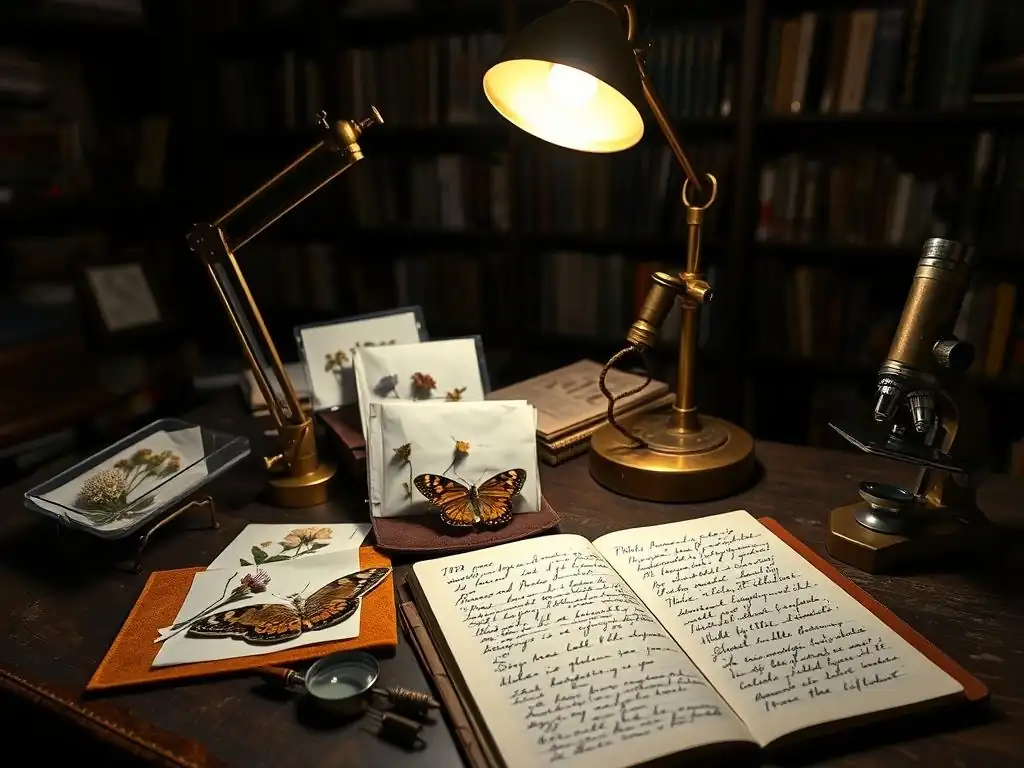
The early 20th century saw significant advancements in botany, with women playing crucial roles in expanding our understanding of plant life, from their intricate structures to their ecological relationships. Their work often involved detailed anatomical studies, ecological surveys, and the classification of new species, contributing to both academic knowledge and practical applications in agriculture and conservation. Many women naturalists and botanists embarked on extensive fieldwork, collecting and cataloging specimens that enriched botanical collections worldwide.
These contributions were vital for building comprehensive floras and understanding plant evolution. For example, studies on plant pathology conducted by women helped identify diseases affecting crops, leading to improved agricultural practices. Their dedication to observing, documenting, and experimenting with plants deepened humanity's connection to and knowledge of the plant kingdom, solidifying their indelible mark on women naturalists biology history.
Katherine Esau: Plant Anatomy and Virus Transmission
Katherine Esau stands as one of the most influential plant anatomists of the 20th century, whose work profoundly shaped our understanding of plant structure and function. Born in Ukraine in 1898, she immigrated to the United States and conducted her most impactful research at the University of California, Davis. Esau's meticulous studies focused on the development and structure of plant tissues, particularly the phloem, the vascular tissue responsible for transporting sugars throughout the plant. Her detailed observations, often using microscopy, revolutionized the field.
Her seminal textbooks, such as Plant Anatomy (1953) and Anatomy of Seed Plants (1960), became standard references for generations of botanists and are still widely used today. Beyond foundational anatomy, Esau also made critical contributions to understanding plant virus diseases, demonstrating how viruses move through the phloem. Her research on the curly top virus in sugar beets, for instance, had significant agricultural implications, highlighting her dual impact on fundamental knowledge and practical plant pathology.
Women in Zoology: Exploring the Animal World
Women zoologists in the early 20th century made substantial contributions to understanding the diversity, behavior, and physiology of the animal kingdom. Their work spanned various sub-disciplines, from invertebrate taxonomy and embryology to ecological studies and comparative anatomy. Often starting as researchers or curators in natural history museums or university departments, these women in biology history undertook rigorous studies that expanded the scope of zoological knowledge and laid the groundwork for future research.
Their contributions were particularly significant in areas requiring meticulous observation and classification, often filling gaps in scientific literature. Whether documenting the life cycles of obscure insects or detailing the anatomical features of marine invertebrates, these women provided essential data that enriched biological understanding and preserved the record of animal diversity for future generations of scientists.
Libbie Henrietta Hyman: Invertebrate Zoology and Taxonomy
Libbie Henrietta Hyman was an American zoologist whose monumental work on invertebrates remains a cornerstone of zoological literature. Born in 1888, Hyman is best known for her comprehensive six-volume treatise, The Invertebrates, published between 1940 and 1967. This magnum opus provided detailed descriptions, classifications, and biological information for nearly all known invertebrate phyla, a task of immense scholarly scope and rigor. Each volume was painstakingly researched and meticulously written, often drawing on her own extensive observations and dissections.
Before embarking on her multi-decade project on invertebrates, Hyman had already established herself with significant contributions to flatworm and hydra biology, including important works on laboratory techniques. Her dedication to systematic classification and detailed biological description ensured that The Invertebrates became an indispensable reference work for zoologists worldwide. Hyman's work exemplifies the profound impact a single woman in biology history could have on an entire scientific discipline through sustained, meticulous scholarship.
Women in Genetics: Laying the Foundation for Modern Genetics
The field of genetics, which truly began to flourish in the early 20th century, was a crucial area where women made foundational discoveries that profoundly shaped our understanding of heredity. As the mechanisms of inheritance became clearer, female scientists engaged in groundbreaking research on chromosomes, genes, and mutations. Their meticulous experimental work, often involving painstaking observations of plant and animal characteristics across generations, was essential for unraveling the complex rules of heredity.
These contributions were critical for transitioning genetics from a theoretical concept to an experimentally verifiable science. Women geneticists, often working with model organisms like fruit flies or maize, provided empirical evidence for concepts such as gene linkage, crossing over, and the very nature of genetic material. Their efforts in the lab were indispensable in laying the conceptual and methodological groundwork for molecular genetics that would emerge in later decades, marking a significant chapter in women in biology history.
Barbara McClintock: Discovery of Transposable Elements
Barbara McClintock was an American geneticist whose revolutionary work on maize (corn) genetics led to the discovery of transposable elements, or "jumping genes." Born in 1902, McClintock conducted her groundbreaking research at Cold Spring Harbor Laboratory, where she meticulously studied the chromosomes of maize plants. Through decades of careful breeding experiments and microscopic observation of chromosome behavior during cell division, she identified genetic elements that could change their position on the chromosome.
McClintock's findings, first reported in the 1940s and early 1950s, were initially met with skepticism by the scientific community because they challenged the prevailing view of a static genome. However, her persistence and the undeniable evidence from her detailed cytogenetic maps eventually led to widespread acceptance of her theory. Her work provided a completely new understanding of genomic plasticity and gene regulation, earning her the Nobel Prize in Physiology or Medicine in 1983, a testament to her profound and enduring impact on genetics and a shining example of a woman in biology history ahead of her time.
Women in Physiology: Understanding the Functioning of Living Organisms
Physiology, the study of how living organisms function, also saw significant contributions from women during the early 20th century. This field required rigorous experimental techniques, often involving biochemical analysis, animal models, and precise measurements of biological processes. Women physiologists delved into complex areas such as metabolism, endocrinology, and neurophysiology, providing critical insights into the internal workings of the body.
Their research often involved painstaking laboratory work, analyzing enzymes, hormones, and metabolic pathways that underpin health and disease. These contributions were vital for advancing medical science and understanding fundamental biological mechanisms. The work of these women in biology history demonstrated their capacity for rigorous scientific inquiry and their ability to unlock the secrets of life's complex processes.
Gerty Cori: Carbohydrate Metabolism and Enzyme Research
Gerty Cori, a Czech-American biochemist, made monumental contributions to our understanding of carbohydrate metabolism, sharing the Nobel Prize in Physiology or Medicine in 1947 with her husband Carl Cori and Bernardo Houssay. Born in 1896, Gerty Cori's research at Washington University in St. Louis focused on how the body uses and stores energy, particularly the breakdown and synthesis of glycogen. Her work was instrumental in elucidating the intricate enzymatic steps involved in these processes.
Among their most significant discoveries was the "Cori cycle," which describes the metabolic pathway in which lactate produced by muscle activity is transported to the liver and converted back into glucose. They also isolated and characterized glucose-1-phosphate (known as the "Cori ester"), a crucial intermediate in glycogen metabolism. Gerty Cori's meticulous experimental design and profound biochemical insights were pivotal in mapping out fundamental metabolic pathways, solidifying her legacy as a pioneering woman in biology history and a giant in biochemistry.
Overcoming Barriers: Gender Bias and Discrimination in Science
The Struggle for Recognition: Women's Fight for Equal Opportunities
Despite their groundbreaking contributions, women naturalists and biologists in the early 20th century faced pervasive gender bias and systemic discrimination that severely limited their opportunities and recognition. They were often relegated to lower-paying, less prestigious positions, such as research assistants or instructors at women's colleges, even when performing work equivalent to, or surpassing, that of their male counterparts.
Promotion to full professorships, access to significant research funding, and membership in influential scientific societies were frequently denied. This phenomenon, often referred to as the "Matilda effect," meant that women's scientific discoveries were frequently overlooked, attributed to male colleagues, or given less prominence in publications and awards.
This entrenched bias made it an uphill battle for women to establish independent research careers and gain the credit they deserved. Many brilliant minds were forced to work in the shadows, their names appearing only as co-authors or in acknowledgments, if at all. The struggle for equal pay and professional standing was constant, highlighting the deep-seated resistance within the scientific community to fully integrate and value the intellectual contributions of women in biology history.
Mentorship and Collaboration: Supporting Networks for Women Scientists
In the face of widespread discrimination, mentorship and collaboration became vital lifelines for women in biology history, fostering supportive networks that enabled their scientific pursuits. While formal opportunities were scarce, informal mentorships with sympathetic male colleagues or, more commonly, with other established female scientists, provided crucial guidance, encouragement, and access to resources. These relationships often helped women navigate the complexities of academic politics, secure modest funding, or find avenues for publication.
Furthermore, collaboration among women scientists was particularly impactful. Women's colleges, like Bryn Mawr or Wellesley, often served as incubators for female talent, creating environments where women could collaborate freely, share ideas, and build supportive communities without the overt biases present in larger, male-dominated institutions. These networks, though often informal, were instrumental in sustaining the careers of many pioneering women naturalists and biologists, providing the intellectual and emotional support necessary to persevere against formidable odds.
Documenting and Preserving Women's Biological Contributions
A significant challenge in understanding the full scope of women naturalists biology history lies in the historical tendency to overlook, under-document, or even erase their contributions from the scientific record. For decades, the narratives of scientific progress primarily focused on male figures, leaving many women's achievements unacknowledged in textbooks, biographies, and institutional archives. This historical oversight means that countless breakthroughs and foundational pieces of research by women remain obscured or are only now being rediscovered through dedicated scholarship.
The ongoing effort to document and preserve these contributions is crucial for a complete and accurate understanding of scientific history. This involves delving into personal letters, unpublished laboratory notes, and obscure institutional records to reconstruct their careers and identify their specific impacts. Platforms like WomenInScienceHistory.com play a vital role in bringing these forgotten stories to light, ensuring that the legacy of these pioneering women in biology history is recognized, celebrated, and available to inspire future generations of scientists.
Legacy and Impact: The Enduring Influence of Women Naturalists & Biologists
Shaping the Future of Science: Inspiring Generations of Female Scientists
The pioneering efforts of women naturalists and biologists from 1900 to 1950 laid an indispensable foundation, profoundly shaping the future trajectory of science and inspiring countless subsequent generations of female scientists. By breaking through deeply entrenched gender barriers and demonstrating exceptional scientific acumen, these women proved that intellectual capability knows no gender. Their very presence in labs and fields, coupled with their groundbreaking discoveries, challenged societal norms and opened doors that were previously closed.
Their perseverance in the face of discrimination provided tangible proof that women could not only participate in science but excel at its highest levels. This visible success, though often hard-won, served as a powerful motivator for young women considering scientific careers in later decades. The pathways they forged, however narrow or difficult, created opportunities for future female biologists and naturalists, fundamentally altering perceptions and paving the way for greater inclusion and diversity in scientific fields.
Acknowledging the Unsung Heroes: Recognizing Women's Contributions to Biological Research
Despite their significant impact, many women in biology history remain unsung heroes, their names less familiar than their male counterparts in the annals of scientific achievement. The systematic biases of the past often meant that their contributions were marginalized, downplayed, or even attributed to others. Acknowledging these often-overlooked figures is not merely an act of historical correction but a crucial step in presenting a more accurate, inclusive, and inspiring narrative of scientific progress.
Recognizing these women involves actively seeking out their stories, re-evaluating historical records, and celebrating their specific discoveries and challenges. It means understanding the full context of their work within the limitations of their time, and appreciating the sheer determination required to succeed against such odds. By bringing these narratives to the forefront, we enrich our understanding of biological research and ensure that the full spectrum of intellectual talent that shaped our world is properly honored.
Further Research: Exploring the Untold Stories of Women in Biology History
The history of women naturalists biology history is far from fully explored, with countless untold stories awaiting discovery and detailed analysis. Despite significant strides in recent decades to uncover and celebrate female scientists, much archival material remains unexamined, and many individual contributions are yet to be fully contextualized within the broader scientific landscape. Further research is essential to deepen our understanding of their lives, work, and the systemic challenges they faced.
This ongoing scholarly endeavor involves meticulous archival work, biographical research, and critical analysis of scientific publications from the period. It also entails examining the social, cultural, and institutional forces that shaped their careers. By continuing to explore these narratives, we not only pay tribute to these remarkable women but also gain valuable insights into the dynamics of scientific discovery, gender, and equity throughout history, ensuring that the full tapestry of biological achievement is finally woven.
Frequently Asked Questions
What were some of the major challenges faced by women naturalists and biologists between 1900 and 1950?
Women faced significant institutional barriers and gender bias, often being excluded from prestigious positions and research opportunities. They also struggled with family responsibilities and societal expectations of women's roles.
How did women naturalists and biologists contribute to the field despite these challenges?
They made crucial contributions to fields like ecology, genetics, and conservation, often through meticulous fieldwork and innovative research approaches. Their work helped shape our understanding of the natural world.
Can you name a specific example of a woman naturalist or biologist from this era and her significant accomplishment?
Yes, Rachel Carson, a marine biologist, is renowned for her book Silent Spring which is credited with advancing the global environmental movement and highlighting the dangers of pesticides.
What role did fieldwork play in the contributions of women naturalists and biologists?
Fieldwork provided women with opportunities to conduct original research and make observations that were often overlooked in traditional laboratory settings. It allowed them to study organisms in their natural habitats.
Why is it important to highlight the contributions of women in science history, especially in fields like natural history and biology?
It's crucial to recognize their achievements to counter historical biases, inspire future generations of female scientists, and provide a more complete and accurate picture of scientific progress.
Okay, here's a final reflection tailored to your article "From Fieldwork to Lab Bench: Women Naturalists & Biologists Changing Science (1900-1950)," designed to resonate with readers and encourage further thought, while also incorporating the keyword "Women naturalists biology history":
Final Reflection: Echoes of Innovation
The stories unearthed in this exploration of women naturalists biology history between 1900 and 1950 are not merely historical anecdotes; they are vibrant reminders of the resilience and ingenuity that shaped modern science. Their groundbreaking work, often conducted against significant societal barriers, continues to resonate in contemporary research, proving that the pursuit of knowledge transcends gender and time. These women laid the foundation for many of the scientific advancements we benefit from today, and their legacy demands recognition and celebration.
The impact of these pioneering women extends far beyond the laboratory and the field. Their dedication to observation, experimentation, and rigorous analysis challenged prevailing gender norms and paved the way for future generations of female scientists. Their stories serve as a powerful testament to the importance of inclusivity and diversity in scientific inquiry. As the renowned biologist Rachel Carson eloquently stated: The more clearly we can focus our attention on the wonders and realities of the universe about us, the less taste we shall have for destruction.
This sentiment perfectly encapsulates the spirit of these women naturalists and biologists who sought to understand and protect the natural world.
Let us not forget the lessons learned from the struggles and triumphs of these remarkable women. As you reflect on their contributions, consider how you can champion inclusivity and encourage the next generation of scientists, regardless of gender or background. Their legacy calls upon us to foster a world where scientific curiosity is nurtured in everyone, and where the pursuit of knowledge is unburdened by prejudice. Embrace their spirit of innovation and dedication, and strive to create a future where science truly reflects the diversity and potential of humanity.
Thank you for delving into the stories of these remarkable women who shaped the fields of naturalism and biology. Now, it's your turn to build on their legacy!
Here are a few ways to keep their spirit of exploration alive:
- Revisit your own backyard (or local park)! Start a nature journal and document the flora and fauna you observe. Can you identify a species you've never noticed before?
- Share the stories of these pioneering scientists with your local school or community group. Help inspire the next generation of women in STEM!
- Research a contemporary female naturalist or biologist and share their work on social media using #WomenInScienceHistory. Let's amplify their impact!
What small step will you take today to connect with the natural world and honor the legacy of these amazing women?