
Navigating Taboos: How Early Women Addressed FemaleSpecific Health in a MaleDominated World

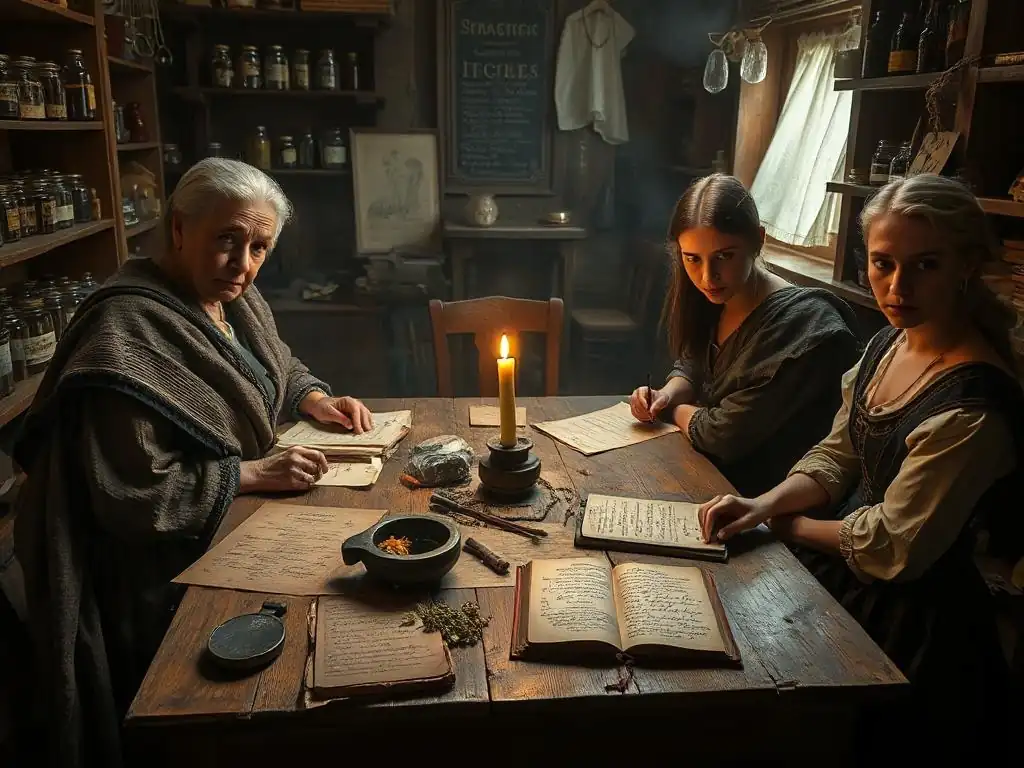
Welcome to WomenInScienceHistory.com!
Here, we delve into the untold stories of groundbreaking women who shaped the scientific landscape. Prepare to be inspired by their brilliance and resilience. Our latest article, "Navigating Taboos: How Early Women Addressed Female-Specific Health in a Male-Dominated World," explores the remarkable challenges faced by early female scientists in Biology & Medicine. Discover how these pioneers dared to break barriers and advance our understanding of female health, despite facing immense societal and professional obstacles. Intrigued? Keep reading to uncover their powerful narratives and enduring legacy.
- Pioneering Paths: Early Women and the Advancement of Female Healthcare
- Introduction: Recognizing Women's Historical Impact on Female Health
- Obstacles Faced by Women Addressing Female Health
- Key Figures and Their Contributions
- Specific Areas of Female Health Addressed
- Strategies for Navigating Taboos and Sharing Knowledge
- Examples of Early Remedies and Treatments
- The Enduring Legacy of Early Women's Contributions
- Conclusion: Recognizing the Continued Relevance of Women's Historical Contributions
-
Frequently Asked Questions
- How did societal taboos impact early women scientists studying female health?
- What were some of the challenges women faced in gaining recognition for their work in female-specific health?
- How did early female scientists overcome the lack of resources available to them in studying female health?
- What role did male dominance play in shaping the narrative around female health throughout history?
- How can understanding the historical challenges faced by women in science inspire future generations?
- Final Reflection: Echoes of Resilience
- Ignite Change: Champion Women's Health!
Pioneering Paths: Early Women and the Advancement of Female Healthcare
Introduction: Recognizing Women's Historical Impact on Female Health
Historical Context: Societal Barriers and Limited Female Influence in Medicine
Throughout much of history, formal medical practice was largely the exclusive domain of men, particularly in Western societies from the medieval period onward. Women were systematically excluded from universities, medical guilds, and the burgeoning scientific institutions that shaped medical knowledge. This exclusion created significant Female health historical challenges, as the understanding and treatment of conditions specific to women's bodies were often filtered through a male lens, or simply neglected due to prevailing societal discomfort with discussions of female anatomy and physiology.
The prevailing societal norms and religious doctrines of the time often reinforced these barriers. Women were frequently relegated to domestic roles, and their intellectual contributions were undervalued or dismissed. This meant that while women were often the primary caregivers within the home and community, their practical knowledge of healing was rarely formalized or recognized as legitimate medicine, exacerbating the Female health historical challenges faced by patients and practitioners alike.
Importance: Acknowledging the Foundational Roles of Early Women in Healthcare
Despite the immense obstacles, women throughout history played foundational roles in addressing female-specific health needs, often operating outside or at the fringes of established medical systems. Their unique understanding of women's bodies, gained through personal experience and community care, allowed them to develop practical solutions for childbirth, menstrual health, and other intimate concerns. This invaluable, often unwritten, knowledge was crucial for navigating the Female health historical challenges of their eras.
Acknowledging these pioneering women is not merely about correcting historical oversights; it is about recognizing the ingenuity, resilience, and compassion that underpinned their contributions. Their work, though sometimes dismissed as folk medicine or witchcraft, laid important groundwork, offering vital care and empirical observations that would, much later, influence the development of modern gynecology and obstetrics, even if their direct authorship was often forgotten or suppressed.
Obstacles Faced by Women Addressing Female Health
Societal Taboos: Suppression of Discussions Around Women's Bodies
One of the most formidable Female health historical challenges was the pervasive societal taboo surrounding women's bodies and their natural processes. Menstruation, childbirth, and female sexuality were often viewed with a mixture of shame, superstition, and religious dogma, making open and scientific discussion nearly impossible. This cultural climate meant that women's ailments were frequently misunderstood, misdiagnosed, or simply ignored.
This suppression extended to public discourse, creating an environment where women often suffered in silence or sought help only from other women. Male physicians, if consulted, might have been ill-equipped due to a lack of direct experience or even personal discomfort in examining female patients. This cultural barrier significantly hampered the development of effective treatments and perpetuated a cycle of inadequate care for many Female health historical challenges.
Limited Access: Restricted Educational and Professional Opportunities
For centuries, formal medical education was largely inaccessible to women. Universities, which began to emerge as centers of medical learning in the High Middle Ages, typically barred female students. Similarly, powerful medical guilds and professional societies excluded women from membership, denying them the credentials, networks, and opportunities for advanced training that were available to men. This systemic exclusion created profound Female health historical challenges for women aspiring to be recognized medical practitioners.
As a result, women who wished to practice healing had to find alternative paths. They often learned through informal apprenticeships, family traditions, or by serving as midwives, herbalists, or informal healers within their communities. While this practical, hands-on experience was invaluable, the lack of formal recognition meant their knowledge was often viewed as subordinate or unscientific, further marginalizing their efforts to address Female health historical challenges.
Cultural Influence: Impact of Beliefs on Healthcare Practices
Cultural beliefs, often interwoven with religious doctrine and philosophical theories like humoralism, profoundly influenced how Female health historical challenges were understood and treated. For example, the concept of hysteria, derived from the Greek word for "womb," was used for centuries to explain a wide range of female emotional and physical ailments, attributing them to a "wandering womb" or imbalances unique to women.
These prevailing beliefs sometimes led to treatments that were ineffective or even harmful, based on a fundamental misunderstanding of female physiology. The idea that women were inherently weaker or more susceptible to certain afflictions, for instance, could dictate the types of remedies prescribed or the level of care provided. This intellectual framework added another layer of complexity to the Female health historical challenges faced by early women in healthcare.
Key Figures and Their Contributions
Hildegard of Bingen: Holistic Approaches to Women's Health and Well-being
Hildegard of Bingen (1098-1179), a German Benedictine abbess, visionary, and polymath, stands as a remarkable figure who addressed Female health historical challenges through a holistic lens. Her extensive writings, particularly Physica (Natural History) and Causae et Curae (Causes and Cures), showcased a comprehensive understanding of natural healing that integrated herbal medicine, dietary advice, and spiritual well-being.
Hildegard's approach recognized the interconnectedness of physical and mental health. She wrote on remedies for menstrual irregularities, fertility issues, and various ailments, offering specific plant-based treatments. For instance, she documented the use of fennel for digestive issues that could indirectly impact female health, and explored the therapeutic properties of numerous other plants like lavender for calming the nerves, an important aspect given the psychological Female health historical challenges women faced.
Trotula of Salerno, a prominent female physician associated with the Schola Medica Salernitana, flourished around the 11th-12th centuries. Her influence is primarily recognized through the "Trotula" texts, a compendium of medical treatises that became standard references for centuries, directly confronting Female health historical challenges with a blend of empirical observation and classical medical theory.
The most famous work attributed to her, De passionibus mulierum (The Diseases of Women), provided detailed, practical advice on gynecology, obstetrics, and infant care. This seminal text covered menstruation, childbirth complications, postpartum recovery, and even early surgical techniques like repairing perineal tears. The Trotula texts demonstrated a sophisticated understanding of female anatomy and physiology for their time, offering solutions to many Female health historical challenges that were often overlooked by male practitioners.
Midwives: Providing Essential, Community-Based Maternal Care
Throughout history, midwives were arguably the most widespread and indispensable healthcare providers for women, directly addressing critical Female health historical challenges related to childbirth and maternal care. These skilled practitioners, almost exclusively women themselves, possessed invaluable practical knowledge passed down through generations, making them central figures in every community.
Their responsibilities extended far beyond simply assisting in delivery. Midwives provided prenatal advice, managed complications during labor, administered herbal remedies for pain or bleeding, and offered crucial guidance on infant feeding and care. Despite lacking formal academic training, their hands-on experience, deep empathy, and community trust made them indispensable, particularly in rural areas where male physicians were scarce or unwelcome for such intimate matters, highlighting their vital role in overcoming Female health historical challenges.
Specific Areas of Female Health Addressed
Childbirth: Traditional Practices and Risk Mitigation Strategies
Early women, primarily midwives, developed a robust body of traditional practices to navigate the inherent Female health historical challenges of childbirth. These often included specific birthing positions, such as squatting or upright postures, which were empirically found to facilitate labor and delivery by utilizing gravity and opening the birth canal more effectively than supine positions.
Beyond positioning, midwives employed various risk mitigation strategies based on their extensive experience. They might use specific herbs to induce labor or to staunch excessive bleeding postpartum, relying on a deep understanding of local flora. While rudimentary by modern standards, their focus on hygiene, such as using clean cloths and encouraging frequent washing, also played a role in reducing the risk of puerperal fever, a major Female health historical challenge of the era.
Menstrual Health: Herbal Remedies and Symptom Management
Menstrual health, often shrouded in secrecy and superstition, was another critical area where early women healers provided vital care, confronting prevalent Female health historical challenges without the benefit of modern diagnostic tools. They understood the cyclical nature of menstruation and developed a range of herbal remedies to manage common issues like painful periods (dysmenorrhea) or irregular cycles.
For instance, herbs like mugwort (Artemisia vulgaris) and pennyroyal were commonly used to promote menstruation or alleviate cramps, often prepared as teas or poultices. For amenorrhea (absence of periods), different preparations aimed to stimulate the body. These empirical approaches, refined over generations, offered much-needed relief and management for the often debilitating Female health historical challenges associated with menstrual cycles.
Breast Health: Early Detection Methods and Lactation Support
Early women, particularly midwives and wet nurses, also possessed practical knowledge regarding breast health, especially in relation to lactation and common conditions like mastitis or engorgement. They developed and shared methods for addressing these specific Female health historical challenges, which were crucial for the survival and well-being of both mothers and infants.
Practices included various forms of massage, warm compresses, and the application of specific herbal poultices, such as cabbage leaves, to relieve engorgement and inflammation. For issues like blocked ducts or infections, they might recommend certain teas or topical applications aimed at promoting milk flow or reducing swelling. These methods, while not always curative in severe cases, represented the earliest forms of comprehensive care for breast conditions and vital support for nursing mothers facing Female health historical challenges related to breastfeeding.

Oral Tradition: Preserving and Transmitting Knowledge Through Generations
In societies where formal education was largely denied to women and literacy rates were low, oral tradition became the primary means of preserving and transmitting invaluable knowledge about Female health historical challenges and their remedies. Practical wisdom, healing techniques, and diagnostic insights were passed down verbally from mother to daughter, elder to apprentice, and midwife to novice.
This informal system ensured the continuity of essential healthcare practices, particularly in midwifery and herbal medicine. It allowed for the adaptation of knowledge to local conditions and the accumulation of empirical wisdom over centuries. Despite lacking written records, this robust network of spoken knowledge was instrumental in ensuring that vital healthcare information remained accessible within female communities, directly addressing Female health historical challenges by keeping practical solutions alive.
Female Networks: Secret Communities for Support and Information Exchange
Faced with societal taboos and limited access to formal medical care, women often formed informal, sometimes "secret," networks to discuss their health concerns and share remedies. These female-only spaces provided crucial support and a safe environment where intimate Female health historical challenges could be openly discussed without judgment or misunderstanding from a male-dominated society.
These networks functioned as vital information hubs, allowing women to exchange knowledge about childbirth, fertility, contraception (often through herbal means), and common ailments. This collective wisdom was a cornerstone of female-led healthcare, empowering women through shared experience and practical advice, offering solutions to Female health historical challenges that were otherwise unavailable or socially unacceptable to seek from formal channels.
Religious Frameworks: Utilizing Existing Structures for Legitimacy
Some women found avenues to practice healing and address Female health historical challenges within existing religious frameworks, particularly in convents or monastic orders. These institutions sometimes offered a degree of autonomy, access to texts, and resources that were otherwise unavailable to women in secular society. Figures like Hildegard of Bingen, an abbess, were able to formalize their medical knowledge and disseminate it through their religious authority.
The spiritual authority afforded by religious roles could lend legitimacy to women's healing practices, making them more acceptable to society. While still constrained by the patriarchal structures of the church, this provided a protective umbrella under which medical knowledge could be cultivated and disseminated, often through charitable work and care for the sick within their communities, subtly challenging the prevailing Female health historical challenges of the era.
Examples of Early Remedies and Treatments
Herbal Remedies: Addressing Menstrual Issues and Promoting Fertility
Herbal remedies formed the bedrock of early female healthcare, meticulously developed by women who understood plants and their effects. These remedies were crucial for addressing a range of Female health historical challenges, particularly those related to the reproductive system, offering natural solutions for issues like painful periods or fertility concerns.
For instance, to promote menstruation or alleviate cramps, herbs like mugwort (Artemisia vulgaris) or motherwort (Leonurus cardiaca) were frequently employed, often prepared as potent teas. For fertility, plants such as chasteberry (Vitex agnus-castus) were believed to balance hormones, while others like vervain (Verbena officinalis) were used to calm the nervous system, indirectly supporting reproductive health and offering hope in the face of Female health historical challenges related to conception.
Postpartum Care: Traditional Practices for Recovery and Lactation
A comprehensive array of traditional practices focused on postpartum care was vital for mitigating the Female health historical challenges associated with the vulnerable period following childbirth. These practices aimed to promote the mother's recovery and establish successful lactation, recognizing the critical link between maternal and infant well-being.
Midwives and female healers would recommend nourishing broths and specific diets believed to restore strength and replenish lost nutrients. Abdominal binding was often practiced to support uterine involution and provide comfort. For lactation support, galactagogues like fenugreek or blessed thistle were common, prepared as teas or incorporated into foods to encourage milk production, highlighting a holistic approach to the Female health historical challenges of the postpartum period.
Infection Control: Utilizing Natural Antiseptics and Hygiene Practices
While germ theory was centuries away, early women healers intuitively understood the importance of cleanliness in preventing illness, particularly during childbirth and wound care. They employed natural substances with antiseptic properties to address Female health historical challenges related to infection, often relying on empirical observation of what worked.
Practices included rudimentary but effective hygiene, such as washing hands, though not always with soap, and ensuring the use of clean cloths during delivery. Certain herbs like thyme (Thymus vulgaris) or garlic (Allium sativum) were recognized for their antimicrobial qualities and used topically or internally to combat infections. Though lacking a scientific explanation, these methods represented early, pragmatic attempts at infection control that were crucial for mitigating Female health historical challenges in a pre-antibiotic era.
The Enduring Legacy of Early Women's Contributions
Foundation: Laying the Groundwork for Modern Gynecology
Despite the historical marginalization of their work, the empirical observations and practical innovations of early women in healthcare, particularly midwives and female healers, laid foundational groundwork for what would become modern gynecology and obstetrics. Their direct engagement with Female health historical challenges provided invaluable insights into women's bodies and the processes of reproduction.
Much of their accumulated knowledge, even if not scientifically validated at the time, eventually informed later medical practices. For instance, the detailed descriptions of childbirth and female anatomy found in texts like the Trotula collection influenced medical teaching for centuries, demonstrating how early women's practical engagement with Female health historical challenges contributed to a growing, albeit often uncredited, understanding of female physiology.
Challenging Norms: Advocating for Women's Health and Rights
The very act of women practicing medicine and addressing female health was a profound challenge to the patriarchal norms of their eras. By providing care where male practitioners often failed or were unwelcome, they implicitly advocated for women's bodily autonomy and health rights, directly confronting prevailing Female health historical challenges and the societal structures that perpetuated them.
Their persistence in healing, often in the face of suspicion, accusation, or even persecution (as seen during witch hunts), demonstrated a powerful commitment to alleviating suffering and asserting women's right to control their own health narratives. This quiet yet resolute advocacy paved the way for future generations of female medical professionals and contributed to the slow, arduous process of recognizing women as capable and essential contributors to healthcare, overcoming Female health historical challenges by sheer force of will.
Inspiration: Empowering Future Generations of Healthcare Professionals
The stories of these pioneering women serve as a powerful source of inspiration for contemporary and future generations of healthcare professionals, particularly women entering fields historically dominated by men. Their resilience in overcoming immense Female health historical challenges highlights the enduring spirit of scientific inquiry, compassionate care, and the pursuit of knowledge against all odds.
By bringing their contributions to light, we not only correct historical oversights but also empower individuals to pursue careers in science and medicine, reminding them that the pursuit of knowledge and compassionate care transcends historical barriers and societal limitations. Their legacy encourages a more inclusive and equitable future where all voices are valued in the ongoing effort to address Female health historical challenges and advance human health.
Conclusion: Recognizing the Continued Relevance of Women's Historical Contributions
Reflection: Lessons Learned from Historical Challenges and Achievements
Reflecting on the profound Female health historical challenges faced by early women in medicine and their remarkable achievements offers invaluable lessons for today. Their ability to innovate, provide care, and transmit knowledge despite systemic barriers underscores the importance of perseverance, resourcefulness, and community-based solutions in healthcare.
Understanding this history teaches us about the interconnectedness of societal structures, gender roles, and healthcare access. It highlights how progress in women's health is often linked to broader movements for social equality and the recognition of diverse forms of knowledge, urging us to remain vigilant against new forms of Female health historical challenges that may emerge from systemic biases.
Future Research: Emphasizing the Need for Continued Exploration and Recognition
There is an ongoing need for rigorous historical research to uncover more forgotten narratives and contributions of women in science and medicine. Many Female health historical challenges and the ingenious solutions developed by women remain undocumented or underappreciated in mainstream historical accounts, awaiting further scholarly investigation.
Continued efforts to integrate these stories into educational curricula and public discourse are essential to ensure that the full spectrum of human contribution to healthcare is acknowledged and celebrated. By doing so, we not only honor the past but also inspire a more inclusive and equitable future for women's health, recognizing the profound impact of those who navigated and overcame Female health historical challenges centuries ago.
Frequently Asked Questions
How did societal taboos impact early women scientists studying female health?
Societal taboos often restricted research and open discussion on female health topics. This led to limited funding, resources, and access to subjects for study, hindering progress.
What were some of the challenges women faced in gaining recognition for their work in female-specific health?
Women scientists often faced discrimination and were overlooked in favor of their male colleagues. Their research was frequently dismissed or attributed to male collaborators, delaying recognition.
How did early female scientists overcome the lack of resources available to them in studying female health?
They often relied on personal networks, collaborations with other women, and innovative research methods to gather data. They also utilized their positions as nurses or doctors to gain access to patients.
What role did male dominance play in shaping the narrative around female health throughout history?
Male dominance often led to a misunderstanding or neglect of female-specific health issues. Male perspectives often dominated medical discourse, influencing diagnoses and treatments.
How can understanding the historical challenges faced by women in science inspire future generations?
By learning about these challenges, future scientists can advocate for equity, challenge biases, and ensure that female health research receives the attention and funding it deserves.
Final Reflection: Echoes of Resilience
The struggles detailed throughout this article, highlighting the historical challenges women faced in addressing their health needs, are not merely relics of the past. They resonate powerfully today, reminding us that the fight for equitable access to healthcare, and the freedom to openly discuss female-specific health concerns, is an ongoing endeavor, even in seemingly progressive societies.
The courage and ingenuity of early women who dared to challenge societal taboos continue to shape our understanding of female health and inspire advocacy. Their stories, often silenced or overlooked, serve as a potent reminder of the importance of amplifying women's voices and prioritizing their well-being. Well-behaved women seldom make history.
This sentiment encapsulates the spirit of those who defied convention to pave the way for future generations.
Let us honor their legacy by continuing to break down barriers, fostering open conversations about female health, and advocating for policies that ensure every woman has access to the information and care she deserves. Reflect on the progress we've made, acknowledge the challenges that remain, and commit to building a future where female health is not a taboo, but a priority for all.
Ignite Change: Champion Women's Health!
Thank you for exploring the courageous stories of women who defied societal norms to address female-specific health. You've gained valuable insights into their struggles and triumphs, and now it's your turn to contribute to a more equitable future.
What actions can you take?
- Start a conversation: Share this article with friends, family, and colleagues to raise awareness about the historical challenges and ongoing importance of women's health initiatives.
- Research local organizations dedicated to women's health and consider offering your time or resources to support their vital work.
- Challenge misconceptions: Actively speak out against misinformation and stigma surrounding female health topics in your daily life.
What small, consistent action will you take today to honor these pioneers and ensure future generations have access to comprehensive and compassionate healthcare?