
Unraveling Life's Code: Women at the Forefront of DNA & Genetic Discoveries (19502000)

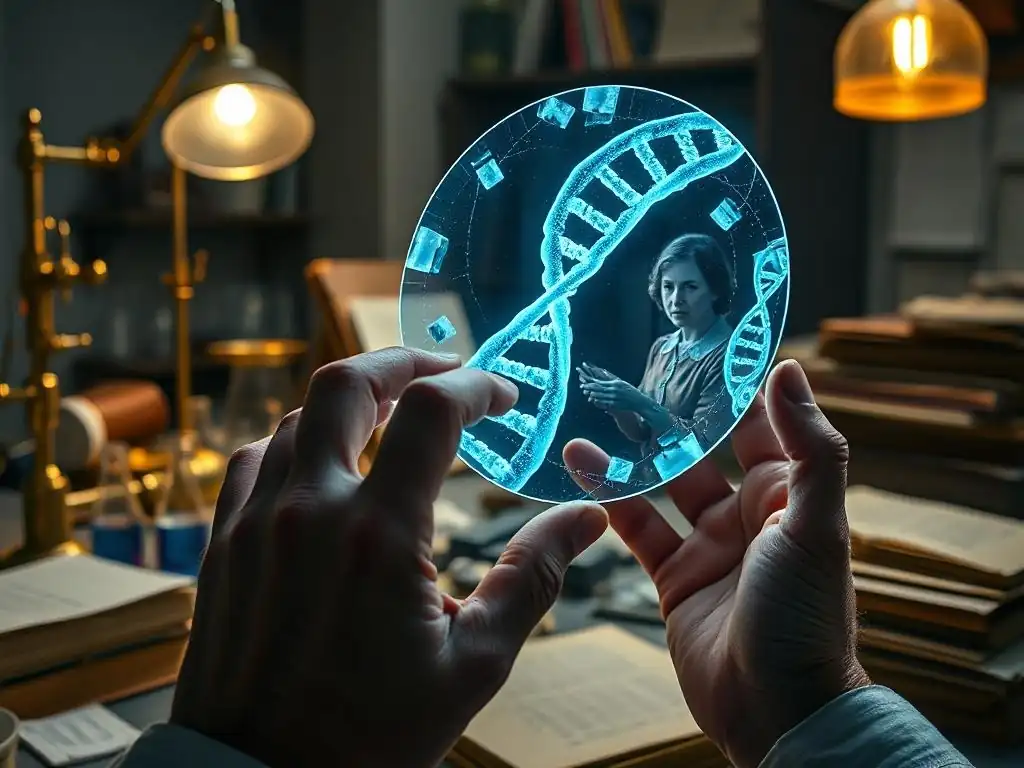
Welcome to WomenInScienceHistory.com, where we illuminate the remarkable stories of women who shaped the scientific world. Ever wondered who truly unlocked the secrets of DNA and genetics? Dive into our latest article, "Unraveling Life's Code: Women at the Forefront of DNA & Genetic Discoveries (1950-2000)," within our Biology & Medicine section, to discover the pivotal, yet often unacknowledged, roles these brilliant minds played in deciphering life's very blueprint. Prepare to be inspired by their groundbreaking contributions and the obstacles they overcame, leaving you eager to explore the untold narratives of women's DNA discovery history.
- Introduction: Honoring Women's Crucial Roles in DNA and Genetic Research
- Expanding Genetic Horizons: Women's Contributions (1970s-1980s)
- The Human Genome Project and Beyond: Late 20th Century Female Geneticists (1990s-2000)
- Overcoming Obstacles: Challenges Faced by Women in Genetic Research
- The Legacy of Female Geneticists: Inspiring Future Generations
- Conclusion: Celebrating Women's Enduring Contributions to DNA and Genetics
-
Frequently Asked Questions
- What were some of the major obstacles faced by women in DNA and genetic research between 1950 and 2000?
- Who are some key women highlighted in WomenInScienceHistory.com for their contributions to DNA discovery during the 1950-2000 period?
- How does WomenInScienceHistory.com aim to inspire future generations through its focus on women's DNA discovery history?
- Why is it important to recognize and celebrate the contributions of women to the field of DNA and genetic research?
- What is the main goal of WomenInScienceHistory.com in relation to the history of women's contributions to science?
- Final Reflection: Honoring the Unsung Architects of Life
- Ignite Your Inner Scientist: Explore, Connect, Inspire!
Introduction: Honoring Women's Crucial Roles in DNA and Genetic Research
Rosalind Franklin: Unveiling the DNA Structure
Rosalind Franklin's meticulous X-ray diffraction work in the early 1950s was absolutely pivotal in discerning the structure of DNA. Working at King's College London, her precise experimental techniques yielded remarkably clear X-ray images, most famously "Photo 51," which provided critical evidence about the helical nature and dimensions of the DNA molecule. Her data indicated a double helix with specific structural parameters, including the repeating patterns and the phosphate backbone on the outside, information that was instrumental in Watson and Crick's subsequent model building.
Despite the foundational nature of her contributions, Franklin's work was not fully recognized at the time of the Nobel Prize awarded to Watson, Crick, and Wilkins. Her subsequent research, however, continued to break new ground, focusing on the structure of RNA and viruses, particularly the tobacco mosaic virus and poliovirus. Her analytical rigor and dedication to experimental evidence cemented her place as a groundbreaking figure in the early Women’s DNA discovery history, demonstrating a profound impact on molecular biology before her untimely death in 1958.
Esther Lederberg: Pioneering Bacterial Genetics and Lambda Phage Research
Esther Lederberg was a brilliant microbiologist whose innovative work in the 1950s fundamentally advanced bacterial genetics. She is best known for inventing the replica plating technique in 1952, a method that allowed for the precise transfer of bacterial colonies from one agar plate to another, preserving their spatial arrangement. This ingenious technique revolutionized the study of bacterial mutations, antibiotic resistance, and gene transfer, enabling researchers to quickly screen thousands of colonies for specific traits.
Beyond replica plating, Lederberg also made the monumental discovery and isolation of the lambda bacteriophage in 1951, a virus that infects bacteria. Her detailed studies on this phage provided critical insights into lysogeny, a process where viral DNA integrates into the host bacterial genome, becoming a powerful tool for genetic engineering and understanding gene regulation. Her contributions were central to the burgeoning field of molecular genetics, yet her achievements often remained overshadowed, a notable aspect of the broader narrative of Women’s DNA discovery history.
Barbara McClintock: Discovering Transposable Elements and Genetic Variation
Barbara McClintock, a visionary geneticist, spent decades meticulously studying maize chromosomes, leading to her revolutionary discovery of "jumping genes," or transposable elements, in the 1940s and 1950s. Her initial observations of unusual patterns of kernel coloration in maize plants, which didn't fit classical Mendelian inheritance, led her to hypothesize that certain genetic elements could move from one position on a chromosome to another. This concept challenged the prevailing view of a static genome and was initially met with considerable skepticism.
McClintock's persistence and the undeniable evidence from her detailed cytogenetic analyses eventually led to the acceptance of her theory by the scientific community. Her work provided profound insights into the dynamic nature of genomes, gene regulation, and the mechanisms of genetic variation, which are now understood to play crucial roles in evolution, development, and disease. She was eventually awarded the Nobel Prize in Physiology or Medicine in 1983, decades after her initial findings, solidifying her essential place in Women’s DNA discovery history for her groundbreaking work on genetic mobility.
Expanding Genetic Horizons: Women's Contributions (1970s-1980s)
Mary-Dell Chilton: Transforming Plant Genetics Through Agrobacterium
Mary-Dell Chilton is a towering figure in plant biotechnology, whose research in the late 1970s and early 1980s laid the foundation for modern plant genetic engineering. Her pivotal discovery was demonstrating that Agrobacterium tumefaciens, a bacterium known to cause crown gall disease in plants, naturally transfers a segment of its DNA (known as T-DNA) into the plant's genome. This was the first experimental proof of inter-kingdom DNA transfer, a concept previously thought impossible.
Chilton's team then ingeniously developed methods to disarm the Agrobacterium plasmid, removing the tumor-inducing genes while retaining its ability to deliver foreign DNA into plant cells. This breakthrough transformed Agrobacterium into a powerful biological vector, allowing scientists to introduce desired genes into plants to confer traits like herbicide resistance or pest resistance. Her work directly led to the development of genetically modified crops, revolutionizing agriculture and making her a central architect in the applied aspects of Women’s DNA discovery history.
Beatrice Mintz: Revolutionizing Developmental Biology Through Genetic Chimeras
Beatrice Mintz is a pioneering developmental biologist renowned for her groundbreaking work in creating the first genetically chimeric mammals in the early 1960s. By aggregating cells from different mouse embryos at a very early stage, she successfully produced mice that contained cells from two distinct genetic origins, demonstrating that a single cell from an early embryo could contribute to all tissues of an adult organism. This elegant technique showed the incredible plasticity and totipotency of early embryonic cells.
Mintz's chimeric mouse models provided unprecedented insights into fundamental questions of mammalian development, cell differentiation, and the genetic basis of disease. Her research illuminated how genetic instructions guide the formation of tissues and organs, paving the way for future advancements in gene therapy, stem cell research, and understanding cancer development. Her innovative experimental approaches underscore her profound impact on Women’s DNA discovery history within developmental biology.
Elizabeth Blackburn: Telomeres, Telomerase, and Chromosome Protection
Elizabeth Blackburn's groundbreaking research in the 1980s fundamentally changed our understanding of chromosome maintenance and cellular aging. Working with Jack Szostak, she discovered the molecular nature of telomeres—the protective caps at the ends of chromosomes—and their role in safeguarding genetic information during cell division. This was a critical step in understanding how chromosomes remain stable and intact through countless replication cycles.
Further building on this discovery, Blackburn, Carol Greider, and Jack Szostak identified telomerase, the enzyme responsible for synthesizing and maintaining telomeres. This enzyme's activity is crucial for the continuous division of cells, such as those found in embryonic development and cancer, while its decline is linked to cellular aging and disease. Their collaborative work, recognized with the Nobel Prize in Physiology or Medicine in 2009, highlights a crucial chapter in Women’s DNA discovery history with profound implications for medicine and our understanding of the aging process.
The Human Genome Project and Beyond: Late 20th Century Female Geneticists (1990s-2000)
Nancy Wexler: Huntington's Disease and Genetic Linkage Studies
Nancy Wexler's personal connection to Huntington's disease (HD), an inherited neurodegenerative disorder, fueled her relentless dedication to finding its genetic cause. In the 1980s, she led an extraordinary collaborative research effort in Venezuela, studying a large extended family with an unusually high incidence of HD. Her advocacy and organizational skills were instrumental in collecting thousands of blood samples and detailed family histories over decades.
This extensive fieldwork provided the critical genetic material that, in 1983, allowed researchers to localize the gene for Huntington's disease to chromosome 4, through a process known as genetic linkage analysis. This landmark discovery was a monumental achievement in human genetics, demonstrating the power of family studies in identifying disease genes and paving the way for predictive genetic testing for HD. Wexler's unwavering commitment to the HD community makes her an inspiring figure in Women’s DNA discovery history focused on human disease.
Shirley Tilghman: Mammalian Development and Genomic Imprinting
Shirley Tilghman is a distinguished molecular biologist whose research has significantly advanced our understanding of gene regulation and mammalian development, particularly in the area of genomic imprinting. In the 1980s and 1990s, her laboratory made key discoveries about imprinted genes, which are genes expressed only from the copy inherited from either the mother or the father, not both. This phenomenon has profound implications for development, growth, and disease.
Her work elucidated the mechanisms by which these genes are epigenetically regulated, showing how parental origin can influence gene expression without altering the underlying DNA sequence. These insights have been crucial for understanding various genetic disorders and the complexities of mammalian embryogenesis. Beyond her scientific contributions, Tilghman's later role as the first woman president of Princeton University further underscores the broad impact of individuals involved in Women’s DNA discovery history.
Jane Rogers: Leading Roles in Genome Sequencing and Analysis
Jane Rogers played a pivotal leadership role in one of the most ambitious scientific endeavors of the late 20th century: the Human Genome Project. As head of sequencing at the Sanger Centre (now the Wellcome Sanger Institute) in the UK from the late 1990s into the early 2000s, she was instrumental in coordinating and executing the large-scale sequencing of significant portions of the human genome. Her expertise was critical in establishing and optimizing the high-throughput sequencing pipelines required for such a massive undertaking.
Rogers's strategic vision and technical acumen were essential in ensuring the accuracy and efficiency of the sequencing efforts, contributing to approximately one-third of the final human genome sequence. Her work not only helped deliver the complete human genome map but also set new standards for collaborative, large-scale biological research. Her leadership stands as a testament to the crucial organizational and scientific contributions of women to the monumental achievements in Women’s DNA discovery history.
Overcoming Obstacles: Challenges Faced by Women in Genetic Research
Gender Bias and Limited Opportunities in STEM
Throughout the 20th century, women in genetic research, like those in other STEM fields, frequently encountered significant gender bias that limited their opportunities for advancement and recognition. This bias manifested in various forms, including unequal access to prestigious research positions, fewer opportunities for leadership roles, and often lower salaries compared to their male counterparts. Many talented female scientists found themselves relegated to technical or support roles, even when their intellectual contributions were foundational.
Furthermore, implicit biases in grant funding, publication reviews, and academic promotions often created an uphill battle for women seeking to establish independent careers. Historical anecdotes and studies from the era indicate that women's work was sometimes downplayed, misattributed, or overlooked entirely, making it harder for them to gain the visibility necessary for career progression and major awards. This systemic disadvantage underscored the additional hurdles faced by women contributing to Women’s DNA discovery history.
Balancing Career and Family in a Demanding Field
The demanding nature of scientific research, characterized by long hours, intense competition, and the necessity of continuous publication, presented unique challenges for women, particularly those who also sought to raise families. In many scientific institutions during this period, support structures such as affordable childcare, flexible work schedules, or parental leave policies were either non-existent or inadequate. This often forced women to make difficult choices between their professional aspirations and their personal lives.
Societal expectations also placed a disproportionate burden on women to be primary caregivers, often leading to career interruptions or a slower pace of advancement compared to male colleagues who typically did not face similar societal pressures. The lack of institutional support meant that many brilliant female geneticists had to navigate these competing demands largely on their own, a testament to their resilience but also a stark reminder of the systemic barriers affecting Women’s DNA discovery history.
Recognition and Representation in Scientific Communities
A persistent challenge for women in genetic research has been the struggle for adequate recognition and representation within the scientific community. Despite making groundbreaking discoveries, many women found their work under-recognized, with credit often disproportionately attributed to male collaborators or mentors. The stories of scientists like Rosalind Franklin, whose critical contributions to the DNA structure were acknowledged posthumously, serve as powerful examples of this historical pattern.
Even when women achieved significant breakthroughs, their narratives were often less prominently featured in scientific textbooks, historical accounts, and public discourse. This lack of visibility not only diminished their individual legacies but also deprived future generations of female scientists of crucial role models. Addressing this imbalance in recognition and ensuring accurate representation is vital to fully appreciate the rich tapestry of Women’s DNA discovery history and inspire new talent.
The Legacy of Female Geneticists: Inspiring Future Generations
The Impact of Women's DNA Discoveries on Modern Science
The collective contributions of women to DNA and genetic discoveries from 1950 to 2000 have had an indelible and transformative impact on modern science. Their pioneering work, from elucidating the very structure of DNA to understanding gene regulation, transposable elements, and the intricacies of the human genome, laid foundational knowledge that underpins virtually all contemporary biological and medical research. Their insights have allowed for the development of life-saving therapies, diagnostic tools, and improved agricultural practices.
For instance, the understanding of telomeres and telomerase, championed by Elizabeth Blackburn, has profoundly influenced cancer research and our understanding of aging. Similarly, Mary-Dell Chilton's work on Agrobacterium revolutionized plant breeding, while Nancy Wexler's dedication to Huntington's disease research established paradigms for identifying disease genes. These diverse contributions demonstrate that Women’s DNA discovery history is not merely a footnote but a central, driving force behind current scientific progress.
Encouraging Young Women to Pursue Careers in Genetics and Biology
Celebrating the achievements of these pioneering women is crucial for inspiring young women to pursue careers in genetics, biology, and other STEM fields. By highlighting their stories of perseverance, intellectual brilliance, and groundbreaking discoveries, we can dismantle stereotypes about who can be a scientist and demonstrate the vast possibilities within these dynamic disciplines. Seeing successful female role models can significantly boost confidence and ambition among girls and young women.
Educational initiatives, engaging curricula, and accessible narratives about these historical figures can make science more relatable and appealing. When young women see that individuals like Barbara McClintock or Esther Lederberg overcame significant challenges to make monumental contributions, it empowers them to envision themselves as future leaders in scientific inquiry. This active encouragement is essential for building a more diverse and inclusive scientific workforce for the next chapter of Women’s DNA discovery history.
Mentorship Programs and Initiatives for Women in STEM
To ensure the continued success and advancement of women in genetics and biology, robust mentorship programs and dedicated initiatives are indispensable. Effective mentorship provides crucial guidance, networking opportunities, and emotional support, helping women navigate the complexities of academic and research careers. Experienced female scientists can serve as invaluable role models, sharing insights, offering advice on career progression, and helping to overcome professional hurdles.
Beyond individual mentorship, a growing number of organizations and funding bodies have established specific initiatives aimed at supporting women in STEM, including scholarships, grants, and professional development workshops. These programs work to address systemic barriers, promote diversity, and foster an environment where female geneticists can thrive and achieve their full potential. Such sustained efforts are vital for ensuring that the rich legacy of Women’s DNA discovery history continues to expand and inspire.
Conclusion: Celebrating Women's Enduring Contributions to DNA and Genetics
Frequently Asked Questions
What were some of the major obstacles faced by women in DNA and genetic research between 1950 and 2000?
Women frequently faced gender bias in academic and professional settings, limiting their access to resources and recognition. They also encountered difficulties balancing family responsibilities with demanding research careers. Lack of mentorship opportunities and fewer leadership roles were also significant hurdles.
Who are some key women highlighted in WomenInScienceHistory.com for their contributions to DNA discovery during the 1950-2000 period?
The site features biographies of pioneering figures like Rosalind Franklin, whose work on DNA structure was crucial, and others whose contributions may have been overlooked or underappreciated at the time. It also highlights women who significantly impacted genetic research and advancements.
How does WomenInScienceHistory.com aim to inspire future generations through its focus on women's DNA discovery history?
The platform showcases the achievements of these women to demonstrate that scientific excellence is gender-neutral. By highlighting their stories, the site hopes to encourage young women to pursue careers in STEM fields and contribute to scientific advancements. It also aims to correct historical misrepresentations.
Why is it important to recognize and celebrate the contributions of women to the field of DNA and genetic research?
Recognizing their contributions helps to create a more inclusive and accurate historical record. It acknowledges the often unacknowledged or minimized roles women played in groundbreaking discoveries. It also fosters a sense of belonging and encouragement for future female scientists.
What is the main goal of WomenInScienceHistory.com in relation to the history of women's contributions to science?
The site aims to shed light on the often-overlooked narratives of women in science, particularly in fields like DNA and genetic research. It seeks to provide a platform for celebrating their pioneering work and inspiring future generations to challenge gender stereotypes in STEM.
Final Reflection: Honoring the Unsung Architects of Life
The journey through the annals of DNA and genetic discoveries, as illuminated by the contributions of women between 1950 and 2000, reveals a profound truth: scientific progress is rarely a solitary endeavor, but a tapestry woven with the threads of countless, often overlooked, minds. The stories of these pioneering women, finally brought to the forefront, resonate deeply in a world still grappling with issues of representation and recognition in STEM fields. Their perseverance and brilliance serve as a potent reminder that true innovation thrives on inclusivity.
The impact of these women extends far beyond the laboratory. Their discoveries have not only revolutionized our understanding of life itself, but have also profoundly shaped the cultural and social landscape, influencing everything from medical advancements to ethical debates. It's impossible to overstate the importance of acknowledging their contributions, not just for historical accuracy, but to inspire future generations of female scientists. Science is not a boy's game, it's not a girl's game. It's everyone's game. It's about where we are and where we're going.
- Nichelle Nichols. This quote encapsulates the spirit of inclusivity that these women championed, often against significant odds.
As we close this chapter on "Women's DNA discovery history," let us not simply admire their achievements from afar. Instead, let us internalize their unwavering dedication, their relentless curiosity, and their profound impact on the world.
Consider how you can actively champion inclusivity and equity in your own spheres of influence, ensuring that future generations of scientists, regardless of gender, have the opportunity to unravel life's code and shape a brighter future for all. Let their legacy be a call to action, a reminder that every voice, every perspective, is essential to unlocking the mysteries of the universe and building a more just and equitable world.
Ignite Your Inner Scientist: Explore, Connect, Inspire!
Thank you for delving into the stories of these remarkable women who shaped our understanding of DNA and genetics. Now, it's your turn to contribute to the ongoing story of scientific discovery.
Here's how you can take action:
- Delve Deeper into the Life and Work of Your Favorite Scientist: Research their publications, explore related scientific breakthroughs, and uncover hidden aspects of their journeys.
- Share this article to spark meaningful discussion with friends and family about the contributions of women in science.
- Consider supporting organizations that promote STEM education and research opportunities for girls and women in science.
Which woman's story resonated most deeply with you, and what will you do to further explore her legacy?