
Legacy Builders: How 21st Century Women are Ensuring a Diverse Future in CS & AI


Welcome to WomenInScienceHistory.com!
Prepare to be inspired as we delve into the fascinating world of women who dared to break barriers and shape scientific progress. In this article, we explore " Legacy Builders: How 21st Century Women are Ensuring a Diverse Future in CS & AI", uncovering the vital role diverse women are playing in shaping the future of computer science and AI. Discover the stories of contemporary pioneers and the powerful impact they're having on this rapidly evolving field. What challenges are they overcoming, and how are they paving the way for future generations? Read on to find out!
- Trailblazing Tech: Women Shaping a Diverse Future in CS & AI
- Introduction: Cultivating Diversity in Computer Science and Artificial Intelligence
- Current State of Women in Computer Science and AI
- Inspiring Figures: Women Leading the Way in Computer Science and AI
- Programs Advancing Diversity in Computer Science and AI Education
- Intersectionality: Building a Truly Inclusive Tech Community
- Strategies for Creating a More Equitable Tech Environment
- The Future of Women in Computer Science and AI
- Conclusion: Honoring Achievements and Inspiring Future Generations of Diverse Women in Computer Science and Artificial Intelligence
-
Frequently Asked Questions
- How does "WomenInScienceHistory.com" contribute to promoting diversity in Computer Science (CS) and Artificial Intelligence (AI)?
- What types of information can I find on "WomenInScienceHistory.com" regarding women in CS and AI?
- Why is it important to recognize and celebrate the contributions of diverse women in CS and AI?
- What specific challenges did women in science, particularly in CS and AI, typically face historically?
- How can "WomenInScienceHistory.com" inspire young women to pursue careers in CS and AI?
- Final Reflection: Forging a Future of Inclusive Innovation
- Ignite Your Legacy: Champion Diversity in Tech!
Trailblazing Tech: Women Shaping a Diverse Future in CS & AI
Introduction: Cultivating Diversity in Computer Science and Artificial Intelligence
Recognizing Women's Impact in 21st Century CS & AI
The 21st century has witnessed an unprecedented acceleration in technological advancement, with computer science (CS) and artificial intelligence (AI) at its core. Within this dynamic landscape, diverse women in computer science and AI are increasingly recognized not just as participants, but as pivotal architects of innovation. Their contributions extend far beyond mere technical execution; they are driving fundamental research, developing ethical frameworks, and leading teams that shape the digital world we inhabit. These women are challenging historical narratives that often overlooked female ingenuity, demonstrating that their unique perspectives are indispensable for robust technological growth.
Their impact is evident in groundbreaking research, the development of new algorithms, and the ethical considerations now central to AI development. From pioneering machine learning techniques to designing human-centered AI systems, these female trailblazers are ensuring that technology is not only advanced but also equitable and beneficial for all segments of society. By embedding diversity into the very fabric of technological creation, they are setting new standards for what is possible and who gets to define it.
The Critical Role of Diversity in Shaping Technological Advancements
Diversity, particularly the inclusion of diverse women in computer science and AI, is not merely a matter of social justice; it is a strategic imperative for technological progress. Homogeneous teams tend to approach problems from similar viewpoints, often leading to limited solutions and potential blind spots. In contrast, diverse teams bring a multitude of experiences, cultural backgrounds, and thought processes, fostering an environment ripe for creativity and comprehensive problem-solving. This cognitive diversity is crucial for developing technologies that cater to a global, varied user base.
When technology is designed by a diverse group, it inherently reduces the risk of unintended biases and exclusionary features. For example, an AI system trained predominantly by one demographic might fail to accurately recognize or serve others, leading to flawed or discriminatory outcomes. Studies consistently show that diverse teams outperform less diverse ones in innovation, often by a significant margin. A 2018 Boston Consulting Group study found that companies with above-average diversity on their management teams reported 19% higher innovation revenue, underscoring the tangible economic and societal benefits of embracing diverse women in computer science and AI.
Current State of Women in Computer Science and AI
Statistical Analysis of Female Representation in CS & AI
Despite increasing awareness and initiatives, the representation of women, especially diverse women in computer science and AI, remains a significant challenge. In the United States, women earned approximately 18-20% of computer science bachelor's degrees in recent years, a stark contrast to the mid-1980s when the figure peaked at around 37%. This decline and subsequent stagnation highlight a persistent pipeline issue. Furthermore, in the professional sphere, women hold less than 25% of tech jobs globally, and their representation in leadership roles within AI and machine learning is even lower, estimated to be around 12-15% in senior research or executive positions.
This disparity is not uniform across all tech roles. While women might be more represented in areas like user experience (UX) design or project management, their presence in core development, cybersecurity, or advanced AI research remains disproportionately low. The data points to a "leaky pipeline" where women either do not enter these fields in sufficient numbers or leave mid-career due to various systemic and cultural factors. Addressing this requires a concerted effort to support and retain diverse women in computer science and AI at every stage of their professional journey.
Persistent Challenges for Women in Tech Careers
Women in tech careers, including diverse women in computer science and AI, frequently encounter a range of persistent challenges that hinder their progress and retention. Unconscious bias in hiring, promotion, and performance evaluations remains a significant barrier, often leading to women being overlooked for opportunities despite equal or superior qualifications. The pervading "bro culture" in some tech environments can create an unwelcoming and even hostile atmosphere, characterized by microaggressions, lack of respect, and exclusion from informal networks essential for career advancement.
Furthermore, issues such as a lack of visible female role models and mentors, limited access to sponsorship, and the pervasive imposter syndrome — often exacerbated by an isolating work environment — contribute to higher attrition rates among women. Work-life balance pressures, particularly for those with caregiving responsibilities, also disproportionately affect women, leading many to leave tech mid-career. These systemic obstacles collectively create a challenging landscape that requires proactive strategies to ensure that diverse women in computer science and AI can thrive.
Strategies for Overcoming Gender-Based Barriers in Tech
Overcoming gender-based barriers in tech requires a multi-faceted approach, focusing on both systemic changes within organizations and individual empowerment. Implementing active mentorship and sponsorship programs is crucial, as they provide women with guidance, advocacy, and pathways to leadership. Companies are increasingly adopting transparent career progression frameworks and flexible work arrangements, which are vital for supporting diverse women in computer science and AI in balancing professional ambitions with personal responsibilities.
Beyond these, fostering a truly inclusive company culture is paramount. This involves mandatory unconscious bias training for all employees, particularly hiring managers and leadership, to mitigate prejudiced decision-making. Promoting allyship among male colleagues and establishing robust reporting mechanisms for discrimination are also key. By creating environments where diverse women in computer science and AI feel valued, respected, and empowered, companies can significantly improve retention rates and cultivate a more equitable and productive workforce.
Inspiring Figures: Women Leading the Way in Computer Science and AI
Fei-Fei Li: Pioneering AI Research and Ethical Considerations
Dr. Fei-Fei Li stands as a monumental figure in the field of artificial intelligence, particularly renowned for her pioneering work in computer vision. As a professor at Stanford University and co-director of Stanford's Institute for Human-Centered AI (HAI), her most impactful contribution is arguably ImageNet. This vast visual database, comprising millions of labeled images, revolutionized how AI systems "see" and understand the world, serving as a critical benchmark for training deep learning algorithms and accelerating the development of modern AI capabilities. ImageNet's creation in the late 2000s marked a turning point, propelling AI from theoretical concepts to practical applications.
Beyond her technical prowess, Dr. Li is a passionate advocate for ethical AI and ensuring AI's societal benefit. She emphasizes the importance of designing AI with human values at its core, addressing concerns about bias, privacy, and job displacement. To foster greater diversity in the field, she co-founded AI4ALL, a non-profit organization dedicated to increasing AI literacy and opportunities for underrepresented groups, including diverse women in computer science and AI, by providing accessible educational programs. Her leadership exemplifies how technical brilliance can be coupled with a profound commitment to societal impact.
Rana el Kaliouby: Revolutionizing Emotion AI and Human-Computer Interaction
Dr. Rana el Kaliouby is another transformative figure, celebrated for her groundbreaking work in emotion AI. She is the co-founder and former CEO of Affectiva, a company that pioneered the development of AI capable of understanding human emotions through facial expressions and vocal nuances. Her research has bridged the gap between human emotional intelligence and artificial intelligence, creating technology that can detect subtle emotional cues, leading to more empathetic and intuitive human-computer interactions. This technology has wide-ranging applications, from enhancing user experience in consumer products to improving mental health support.
Dr. el Kaliouby's journey as an Egyptian-American woman in tech underscores the unique perspectives diverse women in computer science and AI bring to the industry. She advocates for ethical considerations in AI development, particularly concerning privacy and responsible data use in emotion recognition. Her work not only showcases technical innovation but also highlights the critical importance of diversity in ensuring that AI systems are developed with a nuanced understanding of human behavior and ethical implications, making technology more responsive and beneficial to all.
Demonstrating the Influence of Women in Tech Leadership Roles
The contributions of women like Fei-Fei Li and Rana el Kaliouby are not isolated incidents; they represent a growing wave of influence exerted by women in tech leadership roles. These leaders are not only advancing the technical frontier but are also reshaping corporate cultures, advocating for inclusivity, and inspiring future generations of diverse women in computer science and AI. Their presence at the helm of research institutions, startups, and major tech companies sends a powerful message that leadership in technology is not confined to any single demographic.
Their influence extends beyond their immediate projects. They serve as crucial role models, demonstrating that it is possible to achieve significant scientific breakthroughs while championing ethical practices and diversity. By occupying decision-making positions, they ensure that conversations about technology's future include a wider range of voices and perspectives, leading to more robust, equitable, and globally resonant innovations. This ripple effect is vital for building a tech ecosystem that truly reflects and serves the world's population.
Programs Advancing Diversity in Computer Science and AI Education
Organizations Dedicated to Supporting Women in STEM and Tech
Numerous organizations are actively working to bridge the gender gap and foster diversity in STEM and tech fields, directly supporting the growth of diverse women in computer science and AI. Girls Who Code, for instance, offers immersive coding programs for girls aged 10-18, aiming to close the gender gap in entry-level tech jobs by providing foundational skills and a supportive community. Similarly, the National Center for Women & Information Technology (NCWIT) focuses on increasing the meaningful participation of women in computing through research, resources, and recognition programs across academia and industry.
Another prominent example is AnitaB.org, the organization behind the world's largest gathering of women technologists, the Grace Hopper Celebration. These organizations provide vital networks, educational resources, and advocacy, creating pathways for women to enter and thrive in tech. They address the pipeline issue by engaging girls and young women early, sustaining their interest, and providing crucial support systems that help them navigate the challenges inherent in a historically male-dominated field.
Scholarships and Mentorship Programs for Aspiring Female Technologists
Financial barriers and a lack of guidance can significantly deter aspiring female technologists. To counter this, a multitude of scholarships and mentorship programs have emerged, specifically designed to empower diverse women in computer science and AI. Companies like Google, Microsoft, and Palantir offer substantial scholarships (e.g., Google's Generation Google Scholarship, Palantir Women in Technology Scholarship) to female students pursuing degrees in computer science, engineering, and related fields. These financial aids alleviate the burden of tuition, allowing talented women to focus on their studies and research.
Beyond financial support, mentorship programs are invaluable. Initiatives like the TechWomen program, sponsored by the U.S. Department of State, connect emerging female leaders in STEM from around the world with mentors in Silicon Valley. These programs provide crucial career advice, networking opportunities, and emotional support, helping young women navigate academic and professional challenges. Experienced women in tech often volunteer their time to mentor, sharing insights and helping to build confidence, which is essential for fostering the next generation of diverse women in computer science and AI.
University Initiatives Focused on Boosting Female Participation in CS & AI
Universities play a critical role in shaping the future of the tech workforce, and many institutions have launched targeted initiatives to boost female participation in computer science and AI programs. Carnegie Mellon University's School of Computer Science, for example, famously increased its female undergraduate enrollment from about 7% in the mid-1990s to over 40% in recent years. This was achieved through a combination of revised admissions criteria that emphasized holistic review rather than just test scores, redesigned introductory courses to be more broadly appealing, and active outreach to high school girls.
Other university efforts include establishing dedicated "Women in CS" student groups, offering specialized workshops, and promoting research opportunities specifically for female students. Faculty hiring initiatives also aim to increase the number of female professors, providing more visible role models and diverse perspectives within academic departments. These comprehensive strategies demonstrate that with intentional effort, educational institutions can significantly impact the representation of diverse women in computer science and AI, building a stronger and more equitable academic pipeline.
Intersectionality: Building a Truly Inclusive Tech Community
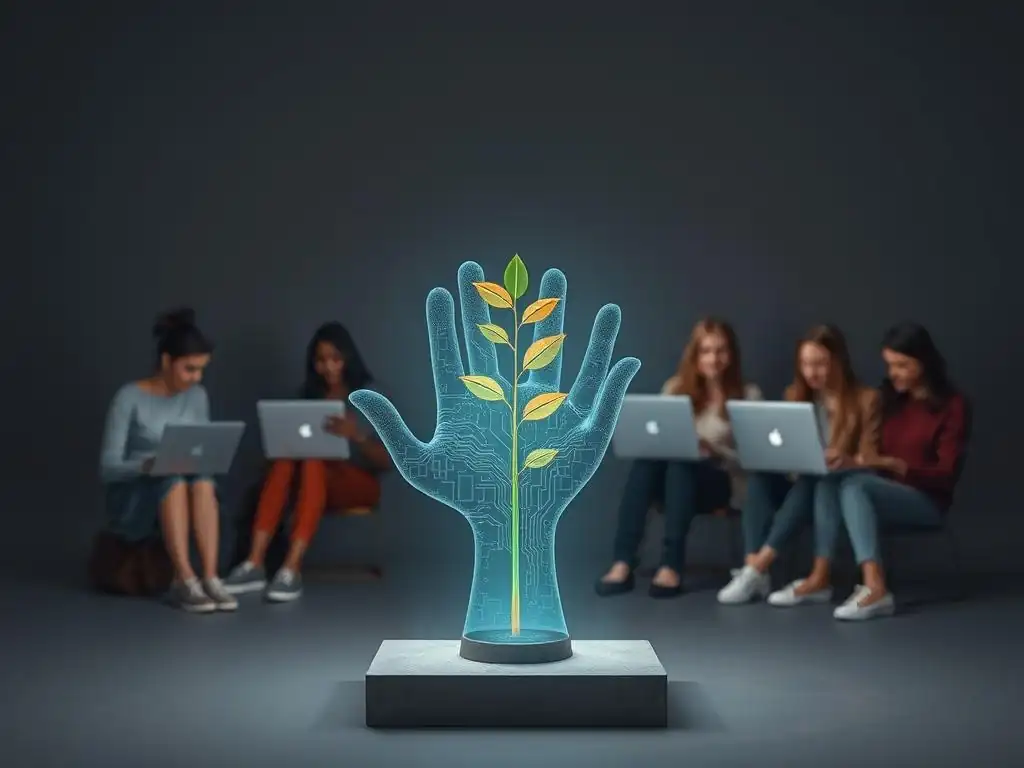
Addressing Challenges Faced by Women of Color in CS & AI
While all women in tech face challenges, the experiences of diverse women in computer science and AI, particularly women of color, are often compounded by intersecting biases related to both gender and race. Black, Hispanic, and Indigenous women are significantly underrepresented in tech leadership roles, with data indicating they hold a disproportionately small percentage of executive and senior technical positions compared to their white female and male counterparts. They frequently encounter systemic racism, microaggressions, and a lack of cultural understanding, which can lead to feelings of isolation and impede career progression.
To address these unique barriers, specific interventions are needed. This includes fostering affinity groups for women of color within tech companies, providing targeted leadership development programs, and ensuring that diversity and inclusion initiatives explicitly account for racial equity. Mentorship and sponsorship from senior leaders, particularly those who understand intersectional experiences, are vital for creating pathways to success for these highly skilled and often overlooked diverse women in computer science and AI.
Fostering Inclusive Environments for LGBTQ+ Individuals in Tech
Building a truly inclusive tech community also necessitates fostering environments where LGBTQ+ individuals, including LGBTQ+ women in computer science and AI, feel safe, respected, and empowered. Members of the LGBTQ+ community can face discrimination, lack of acceptance, and implicit biases that affect their sense of belonging and career trajectories. This can manifest in subtle forms of exclusion, a lack of understanding of their unique challenges, or even outright prejudice, leading to higher rates of attrition or underperformance.
Creating inclusive environments involves implementing clear non-discrimination policies that explicitly protect LGBTQ+ employees, offering inclusive benefits packages (e.g., transgender-inclusive healthcare), and ensuring gender-neutral facilities. Employee Resource Groups (ERGs) for LGBTQ+ individuals provide crucial community and support. Furthermore, visible allyship from leadership and colleagues, coupled with education on LGBTQ+ issues, helps dismantle stereotypes and cultivates a workplace where all diverse women in computer science and AI, regardless of sexual orientation or gender identity, can thrive authentically and contribute their best work.
The Significance of Diverse Representation Across the Tech Industry
The significance of diverse representation across the entire tech industry cannot be overstated. It extends beyond gender to encompass race, ethnicity, socioeconomic background, disability, age, and sexual orientation. A truly diverse workforce, reflective of the global population, is better equipped to understand and serve the varied needs of users worldwide. When tech teams lack diversity, they risk developing products and services with inherent biases, limited appeal, or even unintended negative consequences for specific user groups.
For instance, AI algorithms trained on unrepresentative data sets can perpetuate and amplify societal inequities, whether in credit scoring, hiring, or even healthcare diagnostics. The presence of diverse women in computer science and AI, particularly those from varied backgrounds, helps identify and mitigate these biases early in the development cycle. This comprehensive approach to diversity ensures that technology is not only cutting-edge but also equitable, ethical, and universally beneficial, fostering innovation that truly serves humanity.
Strategies for Creating a More Equitable Tech Environment
Implementing Gender-Neutral Hiring Practices in Tech Companies
To create a more equitable tech environment, implementing gender-neutral hiring practices is a fundamental strategy for attracting and retaining diverse women in computer science and AI. This involves several key steps. Blind resume reviews, where identifying information such as names and educational institutions are removed, can reduce unconscious bias in initial screening. Standardized interview questions ensure that all candidates are evaluated on the same criteria, minimizing subjective assessments. Additionally, diverse interview panels, including women and individuals from underrepresented groups, help broaden perspectives during the selection process.
Beyond these tactical changes, job descriptions should be carefully crafted to avoid gendered language and focus on essential skills and competencies rather than specific background requirements. Many companies are also setting diversity targets and transparently tracking their hiring progress, holding themselves accountable for increasing the representation of diverse women in computer science and AI. These practices collectively foster a merit-based system that prioritizes talent and potential over preconceived notions.
Mitigating Bias in AI Algorithms and Data
The pervasive issue of bias in AI algorithms and data poses a significant threat to fairness and equity, making mitigation strategies critical. AI systems learn from the data they are fed, and if that data reflects existing societal biases, the AI will perpetuate and even amplify those biases. For example, facial recognition systems have historically shown higher error rates for individuals with darker skin tones, and some hiring algorithms have inadvertently favored male candidates. The involvement of diverse women in computer science and AI in the development process is crucial here.
Strategies for mitigation include diversifying data sets to ensure they are representative of all demographics, implementing fairness metrics to quantitatively assess and correct for bias, and conducting regular, independent bias audits of AI systems. Furthermore, fostering diverse teams involved in the design, development, and testing of AI is paramount. Diverse perspectives help identify potential biases that might be overlooked by a homogenous group, ensuring that AI is developed responsibly and serves all segments of society equitably.
Encouraging Early STEM Engagement for Girls
Encouraging early STEM engagement for girls is a foundational strategy for building a robust pipeline of diverse women in computer science and AI. Interest in STEM fields often begins in elementary and middle school, but societal stereotypes and lack of exposure can deter girls from pursuing these subjects. Initiatives like coding clubs, robotics competitions, and science fairs specifically designed for young girls help spark curiosity and build confidence in their abilities. For example, programs that introduce computational thinking through creative projects can make STEM feel more accessible and engaging.
The role of parents, educators, and media in challenging traditional gender roles and promoting STEM as a viable and exciting path for girls is also crucial. Showcasing female role models in STEM, providing hands-on learning experiences, and fostering a growth mindset can significantly impact a girl's likelihood of pursuing a STEM education and career. By nurturing this interest from a young age, we can ensure a continuous flow of talented and diverse women into computer science and AI, shaping the future of technology.
The Future of Women in Computer Science and AI
Anticipated Growth in Female Tech Leadership
The trajectory for diverse women in computer science and AI points towards anticipated growth in tech leadership roles. While current representation in senior positions remains low, there's a palpable shift in industry recognition of the immense value that diverse leadership brings.
As more companies prioritize diversity, equity, and inclusion (DEI) as core business strategies, we can expect to see a steady increase in women holding executive, board-level, and principal technical positions over the next decade. This growth is driven by several factors, including increased investment in formal leadership development programs for women, the rise of successful female founders who then hire diverse teams, and a greater emphasis from investors on companies with strong ESG (Environmental, Social, and Governance) performance, which often includes DEI metrics.
Furthermore, the increasing visibility of current female tech leaders serves as a powerful inspiration for aspiring professionals. As more diverse women in computer science and AI ascend to leadership, they create a virtuous cycle, mentoring and sponsoring the next generation, thereby fortifying the pipeline for future female leadership. This shift will not only change the demographics of power in tech but also infuse leadership with more empathetic, collaborative, and socially conscious approaches.
The Positive Impact of a Diverse Tech Workforce on Innovation and Problem-Solving
The positive impact of a diverse tech workforce, particularly one enriched by diverse women in computer science and AI, on innovation and problem-solving is well-documented and profoundly significant. Diverse teams are inherently more innovative, capable of generating a wider array of ideas and perspectives necessary for tackling complex, multifaceted challenges. They are better equipped to identify novel solutions because they approach problems from different cultural, experiential, and cognitive frameworks. This leads to more robust product development, services that cater to a broader user base, and ultimately, greater market success.
Empirical evidence consistently supports this. A 2018 study by McKinsey & Company found that companies in the top quartile for gender diversity on executive teams were 21% more likely to outperform on profitability. Similarly, a report by Boston Consulting Group highlighted that companies with more diverse management teams had 19% higher innovation revenue. This demonstrates that including diverse women in computer science and AI is not just about fairness; it is a strategic advantage that directly contributes to a company's ability to innovate, adapt, and solve the world's most pressing technological problems effectively.
Developing a Strong Pipeline of Female Talent in CS & AI
Developing a strong, sustainable pipeline of female talent in computer science and AI is crucial for ensuring the continued growth and diversity of the tech industry. This involves a concerted effort across educational institutions, industry, and non-profit organizations, focusing on every stage of a woman's journey from early education to senior leadership. It necessitates sustained investment in K-12 STEM programs that specifically target girls, making computational thinking accessible and engaging from a young age. This early engagement helps dismantle stereotypes and builds foundational skills and confidence.
At the university level, efforts include creating inclusive curricula, providing scholarships, and fostering supportive communities for female students. In the professional sphere, it means implementing equitable hiring and promotion practices, offering robust mentorship and sponsorship, and cultivating inclusive work environments that support retention. By strategically nurturing talent at every phase, from initial interest to career advancement, we can ensure a continuous flow of highly skilled and diverse women in computer science and AI, guaranteeing a more equitable and innovative future for technology.
Conclusion: Honoring Achievements and Inspiring Future Generations of Diverse Women in Computer Science and Artificial Intelligence
Continuous Progress Towards Equality and Inclusion in Tech
The journey towards full equality and inclusion for diverse women in computer science and AI is an ongoing one, marked by significant progress but also persistent challenges. We have celebrated the groundbreaking achievements of pioneers and contemporary leaders who have not only pushed the boundaries of technological innovation but have also actively championed diversity. From developing foundational AI algorithms to advocating for ethical frameworks, these women have undeniably shaped the 21st-century tech landscape. However, statistical disparities and systemic barriers remain, underscoring that the work of fostering truly equitable and inclusive environments is far from complete.
Continuous effort is required from all stakeholders—educational institutions, corporations, policymakers, and individuals—to dismantle biases, create supportive pathways, and ensure that every woman, regardless of her background, has the opportunity to contribute her full potential to the tech world. The commitment to diversity, equity, and inclusion must be embedded in every aspect of the industry, from hiring practices to product development, to truly realize a future where technology is built by and for everyone.
Empowering Future Female Leaders in Computer Science and AI
The legacy being built by current diverse women in computer science and AI is one of inspiration and empowerment for future generations. By showcasing their stories, celebrating their breakthroughs, and acknowledging the obstacles they overcame, we provide tangible role models for young girls and aspiring technologists. These narratives demonstrate that a career in computer science and AI is not only achievable but also offers immense opportunities for impact and innovation. Empowering future female leaders means investing in their education, providing robust mentorship, and ensuring that they enter an industry that values their unique perspectives and contributions.
Ultimately, the goal is to create a future where the tech industry fully reflects the diversity of the world it serves. By continuing to honor the achievements of diverse women in computer science and AI and by actively working to remove the barriers they face, we are not just fostering individual success; we are building a more innovative, ethical, and equitable technological future for all of humanity. Their leadership is not just about technology; it is about building a better world.
Frequently Asked Questions
How does "WomenInScienceHistory.com" contribute to promoting diversity in Computer Science (CS) and Artificial Intelligence (AI)?
The website celebrates and highlights the accomplishments of women in STEM across history. By showcasing their contributions, it aims to inspire future generations and challenge existing biases in male-dominated fields like CS and AI.
What types of information can I find on "WomenInScienceHistory.com" regarding women in CS and AI?
The site features biographies of pioneering female scientists and discussions on their groundbreaking work in various scientific fields, including CS and AI. It also addresses the challenges they faced due to gender biases.
Why is it important to recognize and celebrate the contributions of diverse women in CS and AI?
Recognizing these contributions helps combat historical erasure and provides role models for aspiring female scientists. It also fosters a more inclusive and equitable environment within the fields of CS and AI.
What specific challenges did women in science, particularly in CS and AI, typically face historically?
Women often faced gender biases and discrimination in education, research opportunities, and career advancement. They were also frequently overlooked or undervalued for their contributions to scientific discoveries.
How can "WomenInScienceHistory.com" inspire young women to pursue careers in CS and AI?
By showcasing the successes and resilience of female scientists, the website provides powerful role models and demonstrates that women can excel in these fields. It also highlights the impact and importance of their work.
Final Reflection: Forging a Future of Inclusive Innovation
The narratives shared throughout this article underscore a powerful truth: the future of Computer Science and Artificial Intelligence hinges on the active inclusion and empowerment of diverse women. The stories of these legacy builders are not just inspiring anecdotes; they are blueprints for a more equitable and innovative technological landscape, one where diverse perspectives drive progress and address the complex challenges facing our world.
The impact of these women extends far beyond coding and algorithms. Their presence and advocacy are reshaping the cultural narrative surrounding STEM fields, dismantling stereotypes, and creating pathways for future generations of diverse talent. Their dedication reminds us that representation matters, and that a truly innovative future requires the contributions of all. You can't be what you can't see,
a sentiment often attributed to Marian Wright Edelman, perfectly encapsulates the power of these role models in inspiring young women to pursue their passions in CS and AI.
As we conclude, let us not simply admire these legacy builders from afar. Instead, let us each commit to fostering a more inclusive and supportive environment within our own spheres of influence. Ask yourself: how can you contribute to ensuring that every aspiring woman, regardless of her background, has the opportunity to thrive and shape the future of technology? The future is not predetermined; it is being actively built, brick by brick, by those who dare to envision a more diverse and equitable world.
Ignite Your Legacy: Champion Diversity in Tech!
Thank you for exploring the incredible journey of women shaping the future of Computer Science and AI. We hope this article has inspired you to recognize the power of diverse voices in technological innovation. Now, let's turn that inspiration into action.
Here are a few ways you can contribute to a more inclusive future:
- Boldly mentor a young woman interested in STEM. Sharing your experience and guidance can make a world of difference.
- Seek out and share stories of pioneering women in CS & AI on social media, using the hashtag #WomenInTechHistory. Let's amplify their impact!
- Consider organizing a local event or workshop to introduce girls and young women to coding and AI. Even a small gathering can spark a lifelong passion.
What small step will you take today to help build a more diverse and innovative future in tech?