
From Observation to Conservation: Women Scientists' Impact on Protecting Biodiversity


Welcome to WomenInScienceHistory.com!
Discover the untold stories of groundbreaking women who shaped the scientific landscape. This month, we delve into the vital, often unsung, contributions of women scientists to biodiversity conservation efforts. Their keen observations and innovative approaches have been instrumental in protecting our planet's precious ecosystems. Curious to learn how these pioneering women defied expectations and left an enduring legacy? Read on to uncover their inspiring journeys and the lasting impact they've had on the world around us.
- Introduction: Honoring Women Scientists' Biodiversity Conservation Efforts
- Early Pioneers: Laying the Foundation for Biodiversity Understanding
- 20th Century Trailblazers: Expanding the Scope of Biodiversity Conservation
- Contemporary Leaders: Shaping the Future of Biodiversity Protection
- Key Contributions: How Women Scientists are Protecting Biodiversity
- Overcoming Obstacles: Challenges and Triumphs in Conservation
- The Future of Biodiversity Conservation: A Call to Action
- Conclusion: Celebrating Women's Legacy in Biodiversity Protection
- References and Further Reading: Exploring Women's Contributions to Biodiversity Conservation
-
Frequently Asked Questions
- What is WomenInScienceHistory.com's primary focus?
- Why is it important to highlight the narratives of women scientists?
- What kind of information can I find on WomenInScienceHistory.com?
- How does WomenInScienceHistory.com relate to the topic of "Women scientists biodiversity conservation efforts"?
- What is the ultimate goal of WomenInScienceHistory.com?
- Final Reflection: Empowering Biodiversity Through Female Vision
- Ignite Your Passion: Become a Biodiversity Champion!
Introduction: Honoring Women Scientists' Biodiversity Conservation Efforts
The Underrecognized Role of Women in Biodiversity Research
Throughout history, the contributions of women to scientific discovery have often been marginalized or outright ignored, particularly in fields that involve extensive fieldwork and observation, such as biodiversity research. While men were frequently celebrated for their expeditions and classifications, the meticulous work of countless women, often conducted from domestic settings, local environments, or as unsung assistants, remained largely unacknowledged. This historical oversight means that a significant portion of the foundational understanding of species, ecosystems, and their intricate relationships, much of it gleaned through the keen observations of women, has not received its due recognition.
This historical narrative is slowly being corrected, revealing how women scientists biodiversity conservation efforts have been pivotal from the earliest stages of natural history to the complex challenges of today. Their detailed observations of flora and fauna, their rigorous documentation, and their pioneering analyses provided crucial data that formed the bedrock of ecological understanding. Without fully appreciating these contributions, our understanding of scientific progress remains incomplete, and the inspiring stories of resilience and intellectual prowess demonstrated by these women remain hidden, diminishing the full scope of human endeavor in science.
Why Focus on Women Scientists' Conservation Contributions?
Highlighting the specific contributions of women scientists to conservation is not merely an act of historical correction; it is a vital step towards fostering a more equitable and effective future for biodiversity protection. Women often bring unique perspectives, methodologies, and community engagement approaches to conservation challenges, which can lead to more holistic and sustainable solutions. By examining their specific roles, we can better understand the diverse pathways to scientific impact and the multifaceted nature of environmental stewardship.
Furthermore, spotlighting the achievements of these female conservation biologists serves as a powerful source of inspiration for future generations. When young women and girls see themselves reflected in the narratives of scientific success, it encourages them to pursue careers in STEM fields, including conservation and ecology. Recognizing women scientists biodiversity conservation efforts demonstrates that groundbreaking work knows no gender, reinforcing the idea that diverse voices and talents are essential for tackling the pressing global issue of biodiversity loss.
Early Pioneers: Laying the Foundation for Biodiversity Understanding
Maria Merian: Early Entomological Contributions and Biodiversity Awareness
Maria Sibylla Merian, born in 1647, stands as a remarkable figure in the history of entomology and botanical illustration, whose work laid an early foundation for biodiversity awareness. Defying the societal norms of her time, Merian dedicated her life to the study of insects, particularly their metamorphosis, a process poorly understood by many naturalists of her era. Her meticulous observations were revolutionary, as she depicted the entire life cycle of insects—from egg to larva, pupa, and adult—alongside the plants they fed on, thereby illustrating their intricate ecological relationships.
Her most significant undertaking was her expedition to Suriname in 1699, a journey she embarked on at the age of 52 with her daughter, a truly unprecedented feat for a woman at that time. For two years, she immersed herself in the tropical rainforest, documenting unknown species of insects, reptiles, and amphibians.
The result was "Metamorphosis Insectorum Surinamensium" (1705), a lavishly illustrated work that showcased the biodiversity of the New World with unprecedented accuracy and artistry. Her work was not merely aesthetic; it provided critical scientific data on species interactions and habitats, contributing profoundly to early biodiversity understanding and influencing naturalists for centuries to come.
Anna Botsford Comstock: Nature Education and the Importance of Ecological Understanding
Anna Botsford Comstock (1854–1930) was a pioneering American entomologist, artist, and educator whose work profoundly impacted nature education and fostered an early appreciation for ecological understanding, crucial for future women scientists biodiversity conservation efforts. As a professor at Cornell University, she championed the "nature-study" movement in the late 19th and early 20th centuries, advocating for hands-on, observational learning about the natural world directly from experience rather than just textbooks. She believed that understanding local flora and fauna was essential for developing a sense of connection to and responsibility for the environment.
Her seminal work, "Handbook of Nature-Study," first published in 1911, became a widely adopted textbook for teachers and parents, selling over 700,000 copies by the 1930s. This comprehensive guide provided practical lessons on observing insects, birds, plants, and geological formations, emphasizing their interdependence within ecosystems. Comstock's dedication to making scientific knowledge accessible and engaging helped cultivate a generation of citizens who possessed a deeper ecological literacy and a nascent understanding of biodiversity's value, thereby laying crucial groundwork for future conservation movements.
Challenges Faced by Early Women Scientists in Biodiversity Studies
Early women scientists who ventured into biodiversity studies faced a formidable array of challenges rooted in the restrictive societal norms of their eras. Formal education was often inaccessible, with universities either barring women entirely or limiting their fields of study.
Those who managed to acquire knowledge often did so through self-study, private tutors, or by assisting male relatives, meaning their credentials were rarely recognized or valued in the same way. This lack of institutional support extended to funding for research, access to laboratories, and opportunities for publishing their findings in prestigious journals, hindering their ability to conduct extensive biodiversity research.
Beyond academic barriers, the practicalities of fieldwork, which is central to biodiversity studies, presented immense hurdles. Travel was often dangerous, expensive, and deemed "unsuitable" for women, particularly those without male chaperones. Societal expectations regarding women's roles as homemakers and caregivers also conflicted sharply with the demanding, often solitary nature of scientific inquiry and expedition. Despite these systemic disadvantages, these pioneering women persevered, driven by an insatiable curiosity and a deep commitment to understanding the natural world, thereby setting crucial precedents for future women scientists biodiversity conservation efforts.
20th Century Trailblazers: Expanding the Scope of Biodiversity Conservation
Rachel Carson: Advancing Ecological Understanding and Conservation Strategies
Rachel Carson (1907–1964) stands as one of the most influential figures in the history of environmental conservation, whose work fundamentally advanced ecological understanding and reshaped conservation strategies. A marine biologist by training, Carson's meticulous research and eloquent writing brought complex scientific concepts to a broad public audience. Her early works, "Under the Sea-Wind" (1941) and "The Sea Around Us" (1951), showcased her profound knowledge of marine ecosystems and her ability to convey their beauty and intricate balance.
However, it was "Silent Spring," published in 1962, that cemented her legacy. This groundbreaking book meticulously documented the devastating effects of synthetic pesticides, particularly DDT, on ecosystems and human health. Carson's rigorous scientific investigation exposed how these chemicals moved through the food chain, accumulating in organisms and causing widespread harm to biodiversity, notably bird populations. Her powerful narrative ignited a global environmental movement, leading to the eventual ban of DDT in the United States in 1972 and inspiring the creation of the U.S. Environmental Protection Agency, marking a pivotal moment for women scientists biodiversity conservation efforts.
Sylvia Earle: Pioneering Work in Marine Biodiversity and Conservation
Dr. Sylvia Earle, born in 1935, is a renowned American oceanographer, explorer, author, and lecturer who has dedicated her life to pioneering work in marine biodiversity and conservation. Often referred to as "Her Deepness" or "The Sturgeon General," Earle has spent over 7,000 hours underwater, leading more than 100 expeditions and pioneering new submersible technologies. Her deep-sea explorations have provided invaluable insights into previously unexplored marine ecosystems, from coral reefs to the deepest trenches, greatly expanding our understanding of ocean biodiversity.
As the first female chief scientist of the U.S. National Oceanic and Atmospheric Administration (NOAA) in 1990, Earle pushed for greater protection of marine environments. Her "Mission Blue" initiative, launched in 2009, advocates for a global network of marine protected areas called "Hope Spots," critical areas of the ocean deserving special protection. Through her extensive research, advocacy, and public engagement, Earle has tirelessly highlighted the urgent threats facing ocean life, from pollution to overfishing, making her an unparalleled voice among women scientists biodiversity conservation efforts.
The Rise of Female Ecologists and Conservation Biologists
The mid to late 20th century witnessed a significant, albeit gradual, rise in the number of women entering the fields of ecology and conservation biology, expanding the scope and methodologies of biodiversity protection. As educational opportunities became more accessible, women began to pursue advanced degrees and establish careers in these disciplines, often drawn by the interdisciplinary nature of ecology and its direct relevance to environmental issues. This period saw a shift from purely descriptive natural history to more analytical and quantitative ecological studies, areas where women increasingly made their mark.
This growing presence of female ecologists and conservation biologists brought new perspectives and approaches to the field. Many women championed community-based conservation initiatives, recognizing the importance of local knowledge and engagement in protecting biodiversity. Their work often emphasized long-term observational studies, behavioral ecology, and the intricate connections between species and their environments. The increasing visibility of these women scientists biodiversity conservation efforts began to challenge traditional gender norms within science, paving the way for greater diversity in leadership roles in the decades to follow.
Contemporary Leaders: Shaping the Future of Biodiversity Protection
Jane Goodall: Leading Conservation Initiatives Focused on Chimpanzee Behavior and Habitat
Dr. Jane Goodall, born in 1934, is arguably one of the most celebrated contemporary leaders in conservation, whose groundbreaking work transformed our understanding of chimpanzee behavior and ignited a global movement for their protection. Her pioneering research began in 1960 at Gombe Stream National Park in Tanzania, where she spent decades immersing herself in the chimpanzee community. Through her unprecedented long-term observational studies, Goodall discovered that chimpanzees use tools, have complex social structures, and exhibit unique personalities, challenging prevailing scientific beliefs and blurring the lines between humans and animals.
Beyond her foundational scientific contributions, Goodall transitioned into a tireless advocate for conservation. In 1977, she established the Jane Goodall Institute, which now operates globally, focusing on chimpanzee research, conservation, and community-centered development. Her Roots & Shoots program, launched in 1991, empowers young people in over 100 countries to undertake environmental and humanitarian projects in their communities. Goodall's holistic approach, linking animal welfare, habitat protection, and human well-being, exemplifies how women scientists biodiversity conservation efforts are shaping the future of environmental stewardship.
Cristián Samper: Using Conservation Biology to Protect Biodiversity in Latin America
Dr. Cristián Samper, born in Colombia in 1962, stands as a prominent contemporary leader in conservation biology, particularly known for her extensive work in protecting biodiversity in Latin America and her leadership in major scientific institutions. With a background in biology and ecology, Samper has held significant roles that bridge scientific research with practical conservation action. She served as the Director of the Smithsonian National Museum of Natural History, overseeing one of the world's largest natural history collections and its associated research programs.
Prior to her work at the Smithsonian, Samper was the director of the Alexander von Humboldt Institute in Colombia, a research institute focused on biodiversity conservation and sustainable development. Her leadership there was instrumental in developing strategies for biodiversity protection in one of the world's most biodiverse countries.
Later, as the President and CEO of the Wildlife Conservation Society (WCS) from 2012 to 2022, she led a global organization with conservation programs in over 60 countries, protecting vast areas of wilderness and iconic species. Samper's career exemplifies the impactful trajectory of women scientists biodiversity conservation efforts, translating scientific knowledge into tangible conservation outcomes on a global scale.
The Growing Influence of Women in Global Conservation Policy
The 21st century has seen a significant and growing influence of women in shaping global conservation policy, moving from the field and laboratory into powerful decision-making arenas. Women are increasingly occupying leadership positions in international organizations, government agencies, and non-governmental organizations dedicated to environmental protection. This includes roles within the United Nations Environment Programme (UNEP), the International Union for Conservation of Nature (IUCN), and various national environmental ministries. Their presence ensures that diverse perspectives are brought to the table when addressing complex global challenges like climate change and biodiversity loss.
This increased representation is critical for developing more equitable and effective conservation strategies. Women leaders often champion inclusive approaches that consider social justice, gender equality, and indigenous rights alongside ecological imperatives. For instance, at major international conferences on biodiversity, such as the Convention on Biological Diversity (CBD) meetings, women are playing crucial roles in negotiating agreements, drafting resolutions, and advocating for stronger commitments from member states. This growing influence underscores the indispensable role of women scientists biodiversity conservation efforts in shaping the future of our planet.
Key Contributions: How Women Scientists are Protecting Biodiversity
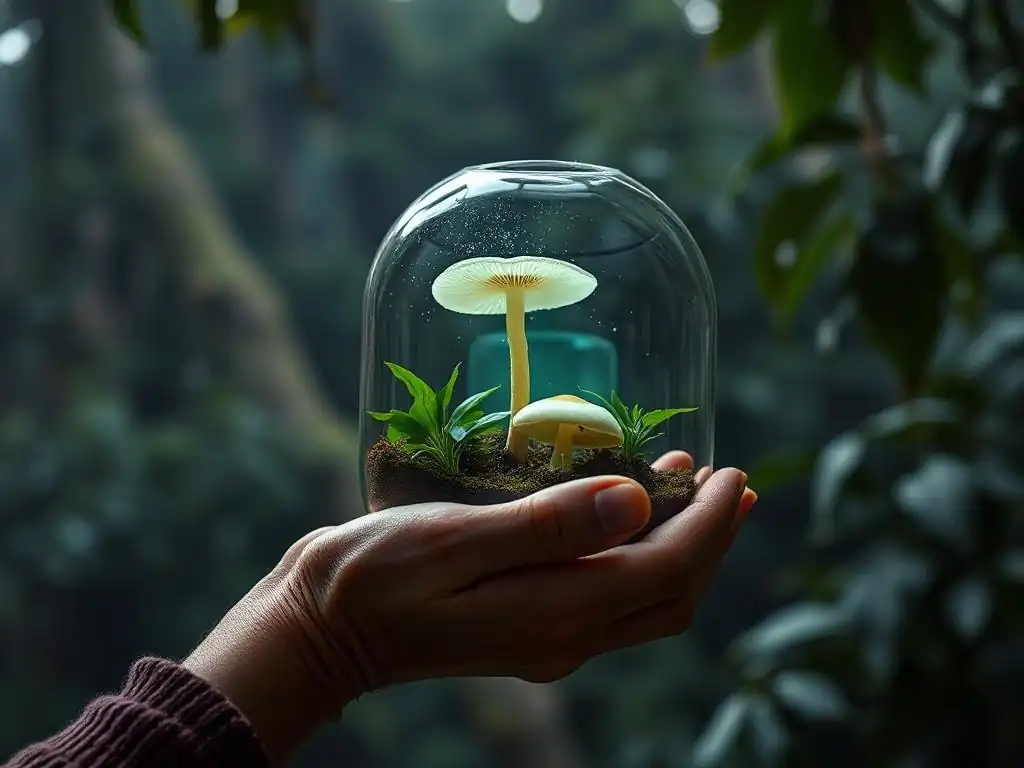
Innovative Research Methodologies Developed by Women Scientists
Women scientists have consistently pushed the boundaries of research, developing innovative methodologies that have significantly enhanced our ability to understand and protect biodiversity. Many have pioneered long-term ecological studies, recognizing the importance of observing ecosystems over decades to understand subtle changes and complex interactions—a commitment exemplified by Jane Goodall's more than 60 years of chimpanzee research. This dedication to prolonged observation provides invaluable baseline data for conservation.
Furthermore, women have often been at the forefront of developing non-invasive observation techniques, particularly in animal behavior research, minimizing disturbance to wildlife. They have also championed integrated socio-ecological approaches, recognizing that biodiversity conservation cannot be separated from human well-being and local communities. This has led to the development of participatory research methods that blend scientific rigor with indigenous knowledge, creating more holistic and effective strategies for women scientists biodiversity conservation efforts.
Community-Based Conservation Approaches Championed by Women
A defining characteristic of many women scientists biodiversity conservation efforts has been their strong advocacy for and implementation of community-based conservation approaches. Recognizing that local populations are often the primary stewards of their environments, women have frequently emphasized the importance of involving indigenous communities and local residents in conservation planning and execution. This approach acknowledges that sustainable conservation solutions must integrate the social, economic, and cultural contexts of the people living alongside biodiversity.
Examples abound where women have led projects that empower local communities to manage natural resources, develop sustainable livelihoods, and protect critical habitats. These initiatives often involve education programs, capacity building, and the creation of economic alternatives that reduce pressure on natural ecosystems. By fostering collaboration and ensuring that conservation benefits accrue to the local populace, these women have demonstrated that effective biodiversity protection is fundamentally a shared responsibility, built on trust and mutual respect between scientists and communities.
Advocacy and Education: Raising Awareness of Biodiversity Loss
Beyond their direct research and fieldwork, women scientists have played an unparalleled role in advocacy and education, effectively raising public awareness about the urgent crisis of biodiversity loss. Figures like Rachel Carson transformed scientific findings into compelling narratives that resonated with millions, sparking widespread environmental concern. This ability to communicate complex ecological concepts in an accessible manner has been crucial in mobilizing public support for conservation.
Many women have dedicated significant portions of their careers to public outreach, writing books, producing documentaries, and delivering lectures globally, translating scientific data into actionable knowledge for policymakers and the general public. Their persistent advocacy has led to significant policy changes, the establishment of protected areas, and increased funding for conservation initiatives. Through their tireless educational efforts, these women scientists biodiversity conservation efforts have ensured that the plight of endangered species and threatened ecosystems remains high on the global agenda, inspiring collective action.
Overcoming Obstacles: Challenges and Triumphs in Conservation
Gender Bias in Scientific Funding and Recognition
Despite their significant contributions, women scientists engaged in biodiversity conservation have historically faced, and continue to contend with, pervasive gender bias in scientific funding and recognition. Studies have consistently shown disparities in grant allocation, with women often receiving less funding than their male counterparts for similar research proposals, hindering their ability to conduct extensive fieldwork or develop large-scale conservation projects. This bias can delay career progression and limit the scope of their impactful work.
Furthermore, women's achievements have often been underrecognized in terms of prestigious awards, leadership positions, and visibility in scientific publications. Their work may be less cited, or their pioneering efforts attributed to male collaborators or predecessors. This systemic undervaluation can be disheartening and perpetuate a cycle of marginalization. Nevertheless, the sheer volume and impact of women scientists biodiversity conservation efforts stand as a testament to their resilience and determination in overcoming these deeply entrenched biases.
Balancing Research, Conservation, and Family Responsibilities
Women scientists, particularly those in conservation, often face the unique challenge of balancing demanding research and conservation responsibilities with societal expectations regarding family and caregiving. Fieldwork, which is central to biodiversity studies, frequently requires extended periods away from home in remote locations, posing significant logistical and emotional hurdles for those with family commitments. The traditional structure of academic and scientific careers often does not accommodate these dual responsibilities, leading to difficult choices or career pauses.
The pressure to maintain a robust publication record, secure funding, and manage conservation projects while also navigating personal life can lead to burnout. However, many women have triumphed by demonstrating incredible adaptability and by forging supportive networks. Their ability to manage these multifaceted demands highlights an extraordinary level of dedication and organizational skill, proving that impactful women scientists biodiversity conservation efforts can indeed thrive even amidst these complex personal and professional balancing acts.
The Power of Collaboration: Women Supporting Women in Science
A powerful triumph in the face of obstacles has been the growing recognition and embrace of collaboration among women in science, particularly within the conservation community. Recognizing the unique challenges they face, women have actively formed networks, mentorship programs, and professional associations aimed at supporting one another's careers and fostering a more inclusive scientific environment. These platforms provide invaluable opportunities for sharing experiences, advice, and resources, helping to counteract the isolation that can sometimes be part of scientific work.
Through formal and informal mentoring, established women scientists are guiding and empowering the next generation of female conservation leaders, sharing insights on navigating academic politics, securing funding, and balancing work-life demands. Collaborative research projects and joint advocacy initiatives further amplify their collective voice and impact. This strong spirit of camaraderie and mutual support among women scientists biodiversity conservation efforts is not only fostering individual success but also building a more resilient and diverse scientific community capable of tackling the planet's most pressing environmental challenges.
The Future of Biodiversity Conservation: A Call to Action
Inspiring the Next Generation of Women Conservation Leaders
The future of biodiversity conservation hinges significantly on our ability to inspire and empower the next generation of women to become leaders in this critical field. Showcasing the historical and contemporary achievements of women scientists in biodiversity conservation efforts is paramount to this endeavor. By highlighting role models like Rachel Carson, Jane Goodall, and Sylvia Earle, we can demonstrate that science is a vibrant and impactful career path for women, capable of profound global change.
Educational programs, mentorship initiatives, and accessible scientific resources must actively target young girls and women, encouraging their curiosity about the natural world and providing pathways into ecology, conservation biology, and related disciplines. Creating inclusive learning environments and offering practical field experiences can demystify scientific careers and ignite a lifelong passion for protecting our planet. Investing in these future leaders is an investment in the resilience and innovation needed for effective conservation.
Supporting Women's Education and Research in Biodiversity
To truly advance women scientists biodiversity conservation efforts, dedicated and sustained support for women's education and research in biodiversity is essential. This includes providing scholarships, grants, and fellowships specifically designed to remove financial barriers for women pursuing degrees and conducting fieldwork in conservation-related sciences. Institutions must actively work to create equitable opportunities for women to access laboratories, equipment, and research sites, ensuring their full participation in scientific discovery.
Furthermore, funding agencies and research organizations should implement policies that address gender bias in grant applications and promotions, ensuring that merit is the sole determinant of success. Flexible work arrangements and family-friendly policies within academic and research institutions can also significantly support women in balancing their professional ambitions with personal responsibilities. By actively supporting women's scientific endeavors, we strengthen the entire field of biodiversity conservation.
Recognizing and Amplifying Women's Voices in Conservation Decision-Making
For biodiversity conservation to be truly effective and equitable, it is imperative to recognize and amplify women's voices at all levels of decision-making, from local communities to international policy forums. This means actively promoting women into leadership positions within conservation organizations, government agencies, and multilateral environmental bodies. Their perspectives often bring a holistic understanding that integrates social, economic, and ecological dimensions, leading to more sustainable and just outcomes.
Ensuring women's meaningful participation in scientific conferences, policy negotiations, and community consultations enriches discussions and leads to more robust solutions. Their insights into community dynamics, resource management, and educational outreach are invaluable. By consciously prioritizing the inclusion and amplification of women scientists biodiversity conservation efforts, we can foster a more diverse, innovative, and ultimately more successful global movement dedicated to protecting the planet's invaluable natural heritage.
Conclusion: Celebrating Women's Legacy in Biodiversity Protection
The Lasting Impact of Women Scientists on Conservation Efforts
The journey from early observations of the natural world to sophisticated global conservation strategies has been profoundly shaped by the enduring contributions of women scientists. From Maria Merian's pioneering entomological illustrations that revealed ecological relationships to Rachel Carson's pivotal exposé on pesticides that sparked the modern environmental movement, women have consistently provided critical insights and driven transformative change. Their meticulous research, innovative methodologies, and unwavering advocacy have formed the bedrock of our understanding of biodiversity and the urgent need to protect it.
Contemporary leaders like Jane Goodall and Sylvia Earle continue to exemplify the powerful impact of women scientists biodiversity conservation efforts, pushing boundaries in field research and marine advocacy, respectively. Their legacy is evident not only in the scientific knowledge they've generated but also in the policies enacted, the protected areas established, and the global awareness raised about environmental threats. The indelible mark left by these women has fundamentally strengthened conservation efforts worldwide, ensuring that the planet's rich tapestry of life receives the attention and protection it desperately needs.
A Vision for a More Diverse and Equitable Future in Biodiversity Research
Looking forward, the vision for biodiversity research and conservation is one that is increasingly diverse and equitable, reflecting the understanding that complex global challenges demand a multitude of perspectives and talents. Building on the triumphs of past and present women scientists, there is a growing imperative to dismantle remaining barriers, address systemic biases, and actively create pathways for women to thrive in all facets of conservation science. This means ensuring equal access to education, funding, and leadership opportunities, fostering inclusive research environments, and celebrating every contribution.
A future where women scientists biodiversity conservation efforts are not just acknowledged but actively championed promises more comprehensive, innovative, and effective solutions to the escalating biodiversity crisis. By harnessing the full potential of all scientific minds, regardless of gender, we can collectively forge a more sustainable and biodiverse future for generations to come. The continued amplification of women's voices and leadership in conservation is not merely about fairness; it is about building a more resilient and impactful scientific community dedicated to safeguarding life on Earth.
References and Further Reading: Exploring Women's Contributions to Biodiversity Conservation
Frequently Asked Questions
What is WomenInScienceHistory.com's primary focus?
The website primarily focuses on celebrating the contributions of women to diverse scientific fields throughout history, shedding light on their groundbreaking work and the challenges they faced.
Why is it important to highlight the narratives of women scientists?
Highlighting these narratives aims to inspire future generations and rectify the historical oversight of women's contributions, particularly in fields like biodiversity conservation.
What kind of information can I find on WomenInScienceHistory.com?
You can find biographies of pioneering female scientists, discussions of their scientific achievements, and analyses of the obstacles they overcame in male-dominated environments.
How does WomenInScienceHistory.com relate to the topic of "Women scientists biodiversity conservation efforts"?
The site showcases women who have made significant contributions to science, including those involved in biodiversity conservation efforts. By showcasing their stories, the website highlights the importance of their role in protecting our planet.
What is the ultimate goal of WomenInScienceHistory.com?
The ultimate goal is to promote inclusivity and recognition for women in science, ensuring their contributions are acknowledged and celebrated for years to come.
Final Reflection: Empowering Biodiversity Through Female Vision
The journey from simple observation to comprehensive conservation, as illuminated by the work of women scientists, is not just a historical narrative; it's a vital blueprint for our present and future. The dedication and innovative approaches highlighted throughout this article demonstrate that protecting biodiversity requires diverse perspectives and unwavering commitment, qualities exemplified by the remarkable women we've celebrated.
The impact of these women extends far beyond scientific publications and research grants. Their work has fundamentally reshaped our understanding of ecosystems and inspired countless others to join the fight for a healthier planet. Their legacy is a testament to the power of empathy, meticulous research, and collaborative action in the face of environmental challenges. In the end, we will conserve only what we love; we will love only what we understand; and we will understand only what we are taught.
- Baba Dioum's words resonate deeply, underscoring the critical role women scientists play in educating and fostering a love for the natural world.
Now, consider how you can contribute to this ongoing legacy. What small steps can you take to support women in STEM, advocate for biodiversity conservation, and educate those around you about the importance of protecting our planet's precious resources? The future of biodiversity rests on the collective actions of individuals like you, empowered by the knowledge and inspiration gleaned from the tireless efforts of these extraordinary women scientists. Let us all strive to be active participants in safeguarding the natural world for generations to come.
Ignite Your Passion: Become a Biodiversity Champion!
Thank you for exploring the inspiring stories of women scientists who are shaping the future of biodiversity conservation. You've now seen how dedicated individuals can make a tangible difference. It's time to channel that inspiration into action!
Here are a few ways you can get involved:
- Start a "Biodiversity Watch" in your own backyard! Document the different species of plants, insects, and animals you observe and share your findings with local conservation groups.
- Support organizations dedicated to biodiversity research and conservation through donations or volunteering. Your contribution, no matter how small, can amplify their impact.
- Advocate for biodiversity-friendly policies in your community by contacting your local representatives and voicing your support for conservation initiatives.
What small change will you make today to help protect the incredible diversity of life on our planet?