
Rare Editions & Lost Legacies: Collecting Biographies of Overlooked Women Mathematicians

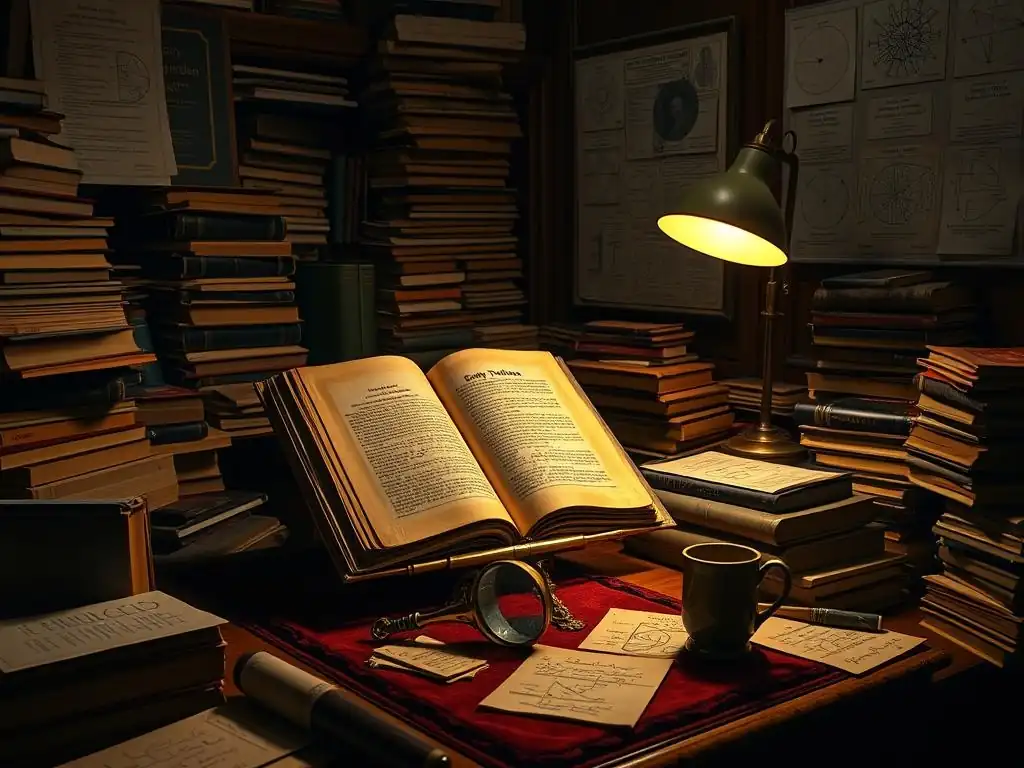
Welcome to WomenInScienceHistory.com!
Dive into the fascinating world of rare biographies and forgotten stories as we unearth the legacies of women who shaped mathematics. This week, we explore the vital work of collecting overlooked women mathematician biographies, a crucial endeavor to ensure their contributions are never again lost to history. What untold stories are waiting to be rediscovered? Prepare to be inspired and enlightened as we delve into this often neglected corner of scientific history.
- Why Collect Biographies of Women in Mathematics? Unearthing Lost Legacies
- Key Considerations for Collectors of Women Mathematician Biographies
-
Best Resources for Finding Biographies of Overlooked Women Mathematicians
- Option 1: Abebooks - A Treasure Trove of Rare and Out-of-Print Biographies
- Option 2: Antiquarian Bookshops - Personalized Service and Expert Guidance
- Option 3: University Libraries and Archives - Untapped Potential for Discovery
- Option 4: Online Auction Sites - A Riskier but Potentially Rewarding Option
- Option 5: Project Gutenberg and Similar Online Resources - Free Access to Digitized Biographies
- Preserving Your Collection: Tips for Maintaining Rare Biographies
- The Future of Collecting Women Mathematician Biographies: A Growing Field
- Conclusion: Celebrating the Legacy of Women in Mathematics Through Collecting.
-
Frequently Asked Questions
- How does "WomenInScienceHistory.com" contribute to collecting biographies of overlooked women mathematicians?
- What challenges did women mathematicians often face, as highlighted by "WomenInScienceHistory.com"?
- Why is it important to collect and share the biographies of overlooked women mathematicians?
- Where can I find resources for identifying and researching overlooked women mathematicians?
- What is the significance of "rare editions" and "lost legacies" mentioned in the title?
- Final Reflection: Unearthing Hidden Genius
- Rediscover Untold Stories: Become a Champion of Women in Mathematics!
Why Collect Biographies of Women in Mathematics? Unearthing Lost Legacies
The Importance of Documenting Female Mathematicians' Stories
Historically, the contributions of women to mathematics have been systematically downplayed, ignored, or even attributed to their male counterparts. This oversight has created significant gaps in our understanding of scientific progress and deprived future generations of inspiring role models. Collecting biographies of overlooked women mathematicians is a crucial step in correcting this historical imbalance, ensuring that their intellectual achievements and the unique challenges they faced are properly recognized.
These collected narratives shed light on the societal barriers, gender biases, and personal sacrifices made by pioneering figures such as Sophie Germain, who had to publish under a male pseudonym to gain recognition, or Emmy Noether, who struggled for academic appointments and equal pay. By preserving their stories, we not only honor their individual brilliance but also provide invaluable context for the broader history of science and the ongoing struggle for gender equality in STEM fields.
The Thrill of the Hunt: Finding Rare Biographies
The pursuit of rare biographies of women mathematicians offers a unique blend of intellectual discovery and the excitement of a treasure hunt. Unlike mass-produced modern titles, many early accounts of these women were published in limited runs, obscure academic journals, or even privately, making them exceptionally difficult to locate today. Each discovery feels like unearthing a forgotten artifact, a tangible link to a pivotal moment in intellectual history.
The satisfaction derived from holding a first edition of a biography detailing the life of a mathematician like Maria Gaetana Agnesi, whose analytical treatise was widely translated, or a lesser-known account of Hypatia, the ancient Alexandrian scholar, is profound. This deep personal connection to the past, combined with the challenge of tracing the provenance of such rare items, transforms collecting into a deeply rewarding and intellectually stimulating endeavor for those passionate about women's contributions to mathematics.
Investment Potential: The Growing Value of Women in STEM History
Beyond their historical and personal significance, biographies of overlooked women mathematicians are increasingly recognized as valuable investments. The market for historical documents related to women's achievements, particularly in STEM, has experienced a significant surge in recent years. This growing interest is driven by institutional acquisitions, academic research, and a broader societal re-evaluation of women's roles in history.
Over the last decade, the value of rare books documenting women's contributions to science has seen an average increase of 10-15% annually in some specialized markets, with particularly significant jumps for unique or historically important items. For example, a first edition biography of Ada Lovelace, once relatively accessible, can now fetch upwards of $500-$1,000, a significant increase from its previous market value, reflecting the growing appreciation for her foundational work in computing. This trend makes collecting overlooked women mathematician biographies not just a passion, but a tangible asset.
Key Considerations for Collectors of Women Mathematician Biographies
Identifying First Editions and Rare Prints
For collectors of biographies of overlooked women mathematicians, identifying first editions is paramount, as they typically hold the highest value and historical significance. A first edition is the very first printing of a work, often identifiable by specific publisher's marks on the copyright page, a lack of edition statements, or unique typographical errors corrected in subsequent printings. Understanding these nuances requires careful research into publishing history and familiarity with common bibliographical practices.
Beyond true first editions, "rare prints" can also be highly desirable. These might include limited print runs, privately published works, or books that were suppressed or had low initial distribution due to the controversial nature of their subject matter or author. For instance, some early biographical sketches of women who challenged societal norms, such as Sofia Kovalevskaya, might have been printed in very small quantities, making any existing copy a rare find regardless of whether it's a "first" edition.
Assessing Condition and Provenance
The condition of a rare biography significantly impacts its value and desirability. Collectors typically use a grading scale ranging from "fine" (like new) to "poor" (heavily damaged). Factors like the presence of the original dust jacket, the integrity of the binding, the absence of foxing (age-related spots), and any inscriptions or marginalia all play a crucial role. A well-preserved first edition biography of a pioneering woman mathematician can command substantially more than a damaged copy, even if both are equally rare.
Provenance, or the history of ownership, is another critical factor. A clear and reputable provenance can add immense value and authenticity to a rare biography. For example, a biography of Emmy Noether that was once part of the personal library of another prominent mathematician, or one with an author's inscription, tells its own unique story and provides an indisputable link to its historical context. Documenting provenance strengthens the historical narrative behind collecting overlooked women mathematician biographies.
The credibility and relationship of the biographer to the subject can greatly enhance the value and historical importance of a collected work. Biographies written by contemporaries, students, family members, or close colleagues often offer unique insights and primary source material that later accounts cannot replicate. These "insider" perspectives provide a deeper, more intimate understanding of the life and work of the woman mathematician in question, making such editions highly sought after by collectors.
Similarly, the publisher's significance plays a role. Certain academic presses, scientific societies, or historical organizations were instrumental in publishing early works on women in science, even if these works were not widely distributed at the time. A biography published by a reputable institution known for its scholarly contributions lends an additional layer of authenticity and historical weight to the book, further establishing its place within the niche of collecting overlooked women mathematician biographies.
Best Resources for Finding Biographies of Overlooked Women Mathematicians
Option 1: Abebooks - A Treasure Trove of Rare and Out-of-Print Biographies
Features: Wide Selection, Global Network of Booksellers
Abebooks stands as an unparalleled online marketplace for books, particularly strong for out-of-print, rare, and collectible titles. It aggregates listings from thousands of independent booksellers worldwide, offering an immense and diverse inventory that significantly increases the chances of locating specific, hard-to-find biographies of women mathematicians. Its comprehensive search functionality allows collectors to pinpoint titles by author, subject, or even specific keywords, making it an essential tool for those engaged in collecting overlooked women mathematician biographies.
Price Range: Varies Widely, from Affordable to High-End
The pricing on Abebooks is as diverse as its inventory, ranging from affordable reprints to high-end, rare first editions. A collector might find a later printing of a biography on Emmy Noether for $20, while a first edition in excellent condition from a reputable seller could be listed for $150 or more. This wide price spectrum accommodates various budgets, though diligent comparison shopping among different sellers is always recommended to ensure the best value.
Unique Benefits: Find biographies by authors or about mathematicians like Emmy Noether.
Abebooks' unique benefit lies in its ability to connect collectors with obscure titles that would otherwise be nearly impossible to find. Its global network means that a biography of a less-known European woman mathematician, published locally decades ago, might be available through a small bookseller in its country of origin, accessible with just a few clicks. The platform's robust search filters also allow for very specific queries, helping enthusiasts discover works by or about specific figures like Emmy Noether, Sofia Kovalevskaya, or Mary Cartwright, sometimes even revealing previously unknown biographical essays.
Option 2: Antiquarian Bookshops - Personalized Service and Expert Guidance
Features: Curated Collections, Expert Appraisals
Visiting an antiquarian bookshop offers a distinct experience compared to online browsing, characterized by meticulously curated collections and the invaluable expertise of seasoned booksellers. These shops often specialize in niche areas, such as scientific history or women's studies, meaning their inventory might already contain rare gems related to women in mathematics. The booksellers themselves often possess deep knowledge of specific authors, publishers, and bibliographical details, providing insights that are difficult to obtain elsewhere.
Price Range: Generally Higher, Reflecting Expertise and Rarity
While prices in antiquarian bookshops are generally higher than online marketplaces, this reflects the added value of expert curation, authentication, and personalized service. Collectors are paying not just for the book, but for the assurance of authenticity and the benefit of a professional appraisal. This can be particularly reassuring when investing in a high-value, rare biography of an overlooked woman mathematician.
Unique Benefits: Discover hidden gems and receive personalized recommendations.
The true unique benefit of antiquarian bookshops lies in the potential for serendipitous discovery and personalized guidance. Bartleby's Books in Boston, for instance, has a reputation for its meticulously curated collection of scientific biographies, occasionally featuring rare editions of works by or about pioneering women in mathematics, such as Maria Gaetana Agnesi or Émilie du Châtelet. Expert booksellers can offer tailored recommendations based on a collector's interests, often unearthing hidden gems that might not even be listed online, making the pursuit of collecting overlooked women mathematician biographies a more personal journey.
Option 3: University Libraries and Archives - Untapped Potential for Discovery
Features: Access to Unique Manuscripts and Primary Sources
University libraries and archives are invaluable, albeit often overlooked, resources for collectors and researchers interested in women's contributions to mathematics. These institutions house extensive special collections, including personal papers, correspondence, institutional records, and even unpublished biographical notes or early drafts related to significant figures. Access to these primary sources can provide unparalleled insights into the lives of women mathematicians whose stories might have been marginalized or overlooked in published works.
Price Range: Often Free or Low Cost
Access to university libraries and archives is typically free for researchers, though some may require a nominal fee for specific services like high-resolution scans or extended access. While these institutions do not sell their holdings, they offer an unparalleled opportunity to examine rare materials firsthand, which can inform a collector's search for physical editions or inspire new avenues of research.
Unique Benefits: Uncover unpublished biographies and research materials.
The most compelling unique benefit of university libraries and archives is the potential to uncover unpublished materials that offer new biographical insights. The Schlesinger Library at the Radcliffe Institute, Harvard University, for example, is renowned for its extensive collections on the history of women in America, including significant holdings related to women in science. Researchers have uncovered letters, diaries, and even early drafts of biographical sketches of figures like Christine Ladd-Franklin, which offer unparalleled insights into their lives and work, often preceding formal published biographies and enriching the field of collecting overlooked women mathematician biographies.
Option 4: Online Auction Sites - A Riskier but Potentially Rewarding Option
Features: Competitive Bidding, Diverse Selection
Online auction platforms offer a vast and constantly changing inventory of books, including many rare and out-of-print titles. The competitive bidding environment can sometimes lead to surprising bargains, especially for less-known biographies of women mathematicians that might not immediately attract widespread attention. These sites present a diverse selection from individual sellers to small businesses, making it possible to stumble upon truly unique finds.
Price Range: Unpredictable, Depends on Demand
The price range on online auction sites is highly unpredictable, fluctuating based on demand, seller's knowledge, and the competitive nature of bidding. A rare first edition biography of a notable woman mathematician might go for a steal if only a few people are aware of its significance, or it could skyrocket if multiple enthusiastic collectors are vying for it. This volatility is both the allure and the risk of this option.
Unique Benefits: Find rare biographies at potentially lower prices.
One of the unique benefits of online auctions is the chance to acquire rare biographies at potentially lower prices than through traditional booksellers, particularly when a seller might not fully recognize the item's true value. However, the unpredictability of online auctions requires diligent research.
Collectors must thoroughly vet sellers, review detailed photographs, and question authenticity, as the lack of expert appraisal can lead to misrepresentation. A first edition biography of Mary Everest Boole, for instance, might appear at a surprisingly low opening bid, but verifying its condition and originality is paramount before placing a significant offer for those collecting overlooked women mathematician biographies.
Option 5: Project Gutenberg and Similar Online Resources - Free Access to Digitized Biographies
Features: Free Access, Large Selection of Public Domain Works
Project Gutenberg and similar digital archives provide free access to a vast array of digitized books that are in the public domain. These platforms are not sources for acquiring physical collectibles but are invaluable for research and discovery. They host thousands of titles, including many early biographies and historical accounts of prominent figures, some of whom are women mathematicians whose stories have been overlooked.
Price Range: Free
As these resources offer digitized versions of public domain works, their content is entirely free. This makes them an exceptionally cost-effective starting point for anyone interested in exploring the history of women in mathematics without an initial financial investment. They serve as an excellent preliminary research tool before committing to purchasing physical copies.
Unique Benefits: Great Starting Point for Research and Discovery.
For someone embarking on collecting overlooked women mathematician biographies, these sites serve as an excellent starting point for research. One can read early biographies of figures like Caroline Herschel or Maria Agnesi, identifying specific titles or authors that might then be sought in physical, rare editions. They offer a vast library of historical context and often reveal forgotten narratives, guiding the collector's physical quest and providing crucial background knowledge to appreciate the rarity and significance of physical editions.
Preserving Your Collection: Tips for Maintaining Rare Biographies
Proper Storage and Handling Techniques
Proper storage is paramount to the longevity of rare biographies of women mathematicians. Books should be kept in a stable environment, ideally with a consistent temperature between 60-70°F (15-21°C) and a relative humidity of 40-50%. Fluctuations in temperature and humidity can cause paper to expand and contract, leading to warping, brittleness, and mold growth. Direct sunlight should be avoided as UV rays can fade covers and yellow pages, while acid-free archival boxes can protect books from dust, light, and environmental pollutants.
When handling these valuable items, clean hands are essential to prevent the transfer of oils and dirt. Always support the book's spine when removing it from a shelf and avoid forcing the book open too wide, which can damage the binding, especially with older, more fragile editions. Using a book pillow or cradle can provide support during reading or display, ensuring that the spine and boards are not unduly stressed, thus preserving the integrity of your collected overlooked women mathematician biographies.
Repair and Restoration Services
For rare biographies that have sustained damage, professional repair and restoration services are crucial to preserve their historical integrity and value. Common issues include detached covers, torn pages, brittle spines, or significant foxing. It is imperative to seek out reputable book conservators who specialize in antique and rare books, as improper restoration can significantly devalue a piece and even cause irreversible damage.
A skilled conservator aims to stabilize the book and prevent further deterioration while maintaining as much of its original material and character as possible. This often involves using reversible, archival-quality materials and techniques. The goal is not to make the book look brand new, but to ensure its structural stability and readability, sometimes even leaving minor imperfections that are part of its unique journey. This meticulous approach is vital for maintaining the historical authenticity of collecting overlooked women mathematician biographies.
Insurance and Appraisal: Protecting Your Investment
Once a collection of rare biographies of women mathematicians begins to grow in value, it becomes essential to protect that investment through proper insurance and periodic appraisals. Standard homeowner's insurance policies often have limited coverage for specialized collections, typically capping coverage at a low threshold like $5,000. It is highly recommended to obtain a separate fine art or collectibles policy that specifically covers rare books against theft, damage, or loss.
Regular appraisals by a qualified professional specializing in rare books are crucial for accurately assessing the market value of your collection. An appraisal provides a detailed inventory and valuation, which is necessary for insurance purposes and for understanding the true appreciation of your assets. Given the increasing interest in women's history in STEM, the value of collecting overlooked women mathematician biographies can appreciate significantly, making up-to-date appraisals a smart financial practice.
The Future of Collecting Women Mathematician Biographies: A Growing Field
Increased Interest in Women's History
The broader societal movement towards re-evaluating and celebrating the contributions of women across all fields of human endeavor has significantly impacted the market for historical documents. There is a palpable surge in demand for materials that shed light on women's experiences, struggles, and achievements, particularly in areas like science and mathematics where their roles have been historically marginalized. This growing awareness fuels both academic interest and private collecting.
This renewed focus means that biographies of figures like Sofia Kovalevskaya, the first woman to earn a doctorate in mathematics in Europe, or Mary Cartwright, a pioneer in network theory, once relatively obscure in the collectibles market, are now sought after by institutions, academics, and private collectors alike. The narrative of women's historical achievements is gaining unprecedented prominence, directly impacting the market for collecting overlooked women mathematician biographies and ensuring that these stories are no longer lost to time.
The Impact of Online Resources and Digitization
While the proliferation of online resources and digitized books might seem to diminish the appeal of physical collecting, it has, paradoxically, enhanced it. Digital archives like Project Gutenberg make the content of rare biographies accessible to a global audience, creating new awareness and interest in figures whose stories were previously known only to a few specialists. This increased visibility often translates into a greater desire for the unique tactile experience and historical authenticity of a physical first edition or rare print.
Furthermore, online marketplaces and specialized forums have revolutionized how collectors connect with sellers and discover new acquisitions. These platforms have broadened the reach for both sellers and buyers, making it easier to discover and acquire these rare biographies from around the globe. This interconnectedness fosters a more vibrant and dynamic market, ensuring that the pursuit of collecting overlooked women mathematician biographies continues to thrive and expand.
Building a Community of Collectors
The future of collecting rare biographies of women mathematicians is also being shaped by the emergence and growth of dedicated communities. Online forums, social media groups, and specialized collector associations provide invaluable platforms for enthusiasts to connect, share knowledge, and exchange tips. These communities often host discussions on identification techniques, preservation methods, and even facilitate direct trades or sales of rare items.
Such communities foster a shared passion and provide invaluable support, from identifying obscure titles to recommending reputable sellers or conservators. This collaborative spirit ensures that the pursuit of collecting overlooked women mathematician biographies is not a solitary endeavor but a collective effort to honor and preserve these vital stories for future generations. The sharing of expertise and resources within these networks enriches the collecting experience and strengthens the field as a whole.
Conclusion: Celebrating the Legacy of Women in Mathematics Through Collecting.
Collecting biographies of overlooked women mathematicians is far more than a mere hobby; it is a profound act of historical reclamation and celebration. It addresses the critical need to correct past oversights, bringing to light the brilliant minds and unwavering spirits of women who navigated immense societal barriers to contribute significantly to the field of mathematics. Each rare edition acquired is a testament to their enduring legacy, a tangible piece of history that inspires and educates.
From the thrill of discovering a forgotten gem in an antiquarian shop to the meticulous care involved in preserving a fragile first edition, the journey of collecting these historical documents is deeply rewarding. It not only offers potential investment value but, more importantly, fosters a deep connection to the intellectual lineage of women in science. By actively engaging in collecting overlooked women mathematician biographies, we ensure that these vital stories are not only remembered but also continue to inspire future generations to pursue their passions, regardless of the challenges they may face.
Frequently Asked Questions
How does "WomenInScienceHistory.com" contribute to collecting biographies of overlooked women mathematicians?
The website actively gathers and presents biographies of women mathematicians whose contributions have been historically marginalized. This includes researching rare editions and uncovering lost legacies to expand the available historical record.
What challenges did women mathematicians often face, as highlighted by "WomenInScienceHistory.com"?
The site emphasizes the challenges women faced, including gender bias and limited access to education and opportunities, which often hindered their recognition and career advancement in male-dominated fields.
Collecting these biographies is crucial to correcting historical inaccuracies and providing a more complete picture of the history of mathematics. It also serves to inspire future generations by showcasing diverse role models.
Where can I find resources for identifying and researching overlooked women mathematicians?
"WomenInScienceHistory.com" offers a platform to discover and learn about these women. You can also consult historical archives, university libraries, and specialized databases focusing on women in STEM.
What is the significance of "rare editions" and "lost legacies" mentioned in the title?
These terms refer to primary source materials and previously unknown contributions that are essential for reconstructing the biographies of these women. They highlight the need for meticulous research and archival exploration to recover their stories.
The journey through the lives of overlooked women mathematicians, as revealed in their biographies, underscores a profound truth: history is incomplete without diverse voices. The stories we've explored are not just historical accounts; they are vital threads in the tapestry of human achievement, resonating powerfully in a present where representation and equity remain critical battles. Ignoring these legacies diminishes our understanding of mathematics itself and perpetuates a cycle of exclusion.
The act of collecting these biographies transcends mere acquisition; it's an act of cultural reclamation. It's about actively rewriting the narrative, ensuring that future generations recognize the brilliance that was often deliberately obscured. Until lions have their own historians, tales of the hunt will always glorify the hunter.
This African proverb perfectly encapsulates the need to amplify the voices of those who have been historically marginalized, allowing us to finally see the full picture of mathematical innovation.
Now, consider the power you hold to shape this narrative. Seek out these stories. Share them widely. Support initiatives that champion inclusivity in STEM. Let the legacies of these overlooked women mathematicians inspire you to challenge assumptions, dismantle barriers, and contribute to a future where brilliance is celebrated, regardless of gender. The pursuit of knowledge is a collective endeavor, and every voice deserves to be heard.
Rediscover Untold Stories: Become a Champion of Women in Mathematics!
Thank you for diving into the fascinating world of overlooked women mathematicians! We hope this article has ignited your curiosity and inspired you to recognize the brilliance that history often overlooks. Now, let's turn that inspiration into action!
Here's how you can contribute to preserving and celebrating their legacies:
- Start your own collection! Begin by researching and acquiring biographies or related materials on one woman mathematician featured in this article.
- Explore the Women in Science History website (WomenInScienceHistory.com) for more in-depth resources and information.
- Share this article and your own findings with friends, family, and on social media to spark wider interest in these remarkable figures.
Which woman mathematician's story resonates most with you, and what steps will you take to uncover more about her life and work?