
More Than Artifacts: How Medical Museums Bring Women's Medical Legacies to Life

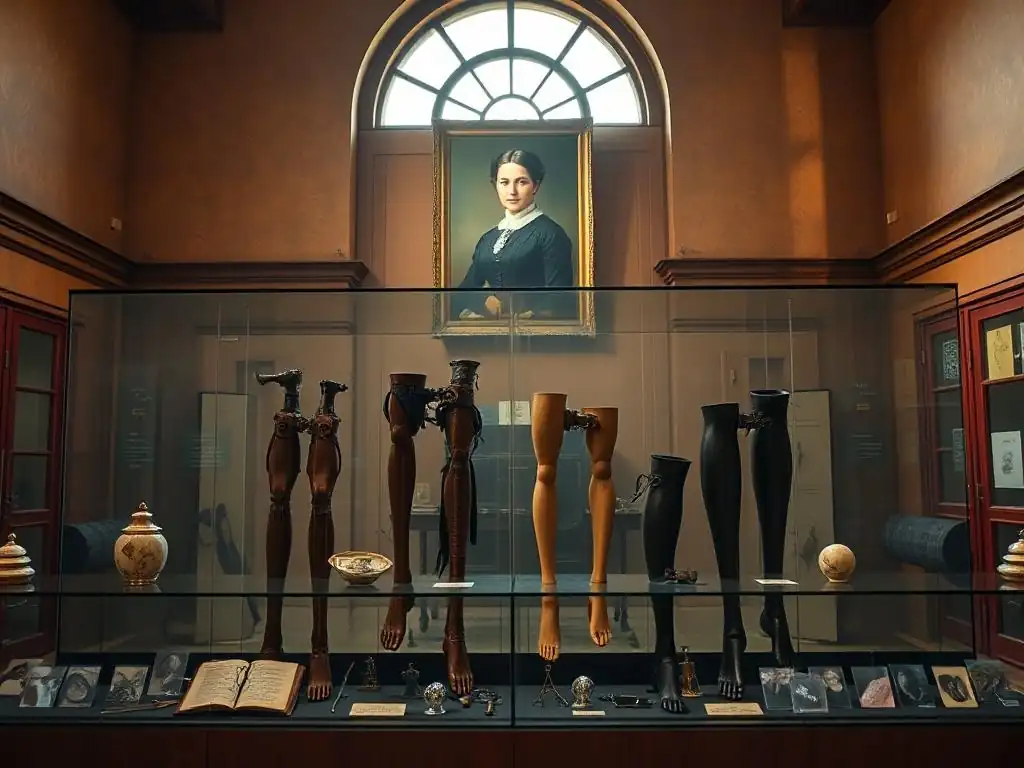
Welcome to WomenInScienceHistory.com, where we unearth the untold stories of remarkable women who shaped the scientific world. Ever wonder how we connect with the past and bring these forgotten narratives to light? Dive into our latest article, " More Than Artifacts: How Medical Museums Bring Women's Medical Legacies to Life," and discover how these institutions are crucial in preserving and celebrating the powerful and often overlooked contributions of women in medicine. Prepare to be inspired by the tangible reminders of their groundbreaking work and the enduring impact they've had on healthcare!
The Historical Neglect of Women in Medicine: A Systemic Issue
For centuries, women faced profound systemic barriers to entering and advancing in the field of medicine. Prior to the mid-19th century, formal medical education was largely inaccessible to women, with prestigious institutions like the University of Edinburgh's medical faculty refusing admission.
Even after pioneering figures like Elizabeth Blackwell earned their degrees in the United States in 1849, the path was fraught with discrimination, including exclusion from professional societies, hospital residencies, and equitable practice opportunities. This pervasive neglect meant that many groundbreaking contributions by women were either undocumented, attributed to male colleagues, or simply not given the historical prominence they deserved, resulting in a significant void in our understanding of medical progress.
This historical omission wasn't merely an oversight; it was a deeply ingrained cultural practice. Medical records, textbooks, and historical accounts were predominantly written by men, focusing on male achievements and perspectives. Consequently, the innovations of female healers, nurses, midwives, and even early female physicians were often relegated to footnotes or entirely overlooked, diminishing their impact on public health and medical science. The lack of recognition for these pioneers meant that the rich tapestry of medical history was woven with gaping holes, particularly when it came to acknowledging the profound women’s medical museum legacies.
The Impact of Missing Narratives: Why Women's Medical Legacies Matter
The absence of detailed narratives about women's contributions to medicine has far-reaching consequences, extending beyond a simple historical inaccuracy. It perpetuates a skewed understanding of scientific progress, implying that innovation was solely the domain of men. This incomplete picture deprives future generations of vital role models, particularly young women considering careers in science, technology, engineering, and medicine (STEM). Without visible examples of past female trailblazers, the perception of STEM fields as male-dominated can persist, hindering efforts to encourage diversity and inclusion in these critical areas.
Furthermore, overlooking the women’s medical museum legacies means losing valuable insights into diverse approaches to healthcare, patient care, and scientific inquiry. For example, figures like Florence Nightingale not only revolutionized nursing but also pioneered statistical analysis in public health during the Crimean War, drastically reducing mortality rates from 42% to 2% in the British army hospitals she managed.
Suppressing such stories impoverishes our collective historical memory and inhibits a comprehensive understanding of how medical knowledge evolved. Recognizing these legacies is crucial for building a more inclusive and representative history, one that truly reflects the collaborative and multifaceted nature of scientific advancement.
- The Historical Neglect of Women in Medicine: A Systemic Issue
- The Impact of Missing Narratives: Why Women's Medical Legacies Matter
- How do medical museums help preserve Women’s Medical Museum Legacies?
- What kind of challenges did women in medicine face, and how do museums address these challenges?
- What types of exhibits can be found in medical museums that specifically highlight Women’s Medical Museum Legacies?
- Why is it important to learn about the historical contributions of women in science and medicine?
- How can medical museums inspire future generations of women to pursue careers in science and medicine?
Medical Museums: A Solution for Preserving Women's Medical Legacies
Reclaiming the Narrative: Medical Museums as Archives of Women's Contributions
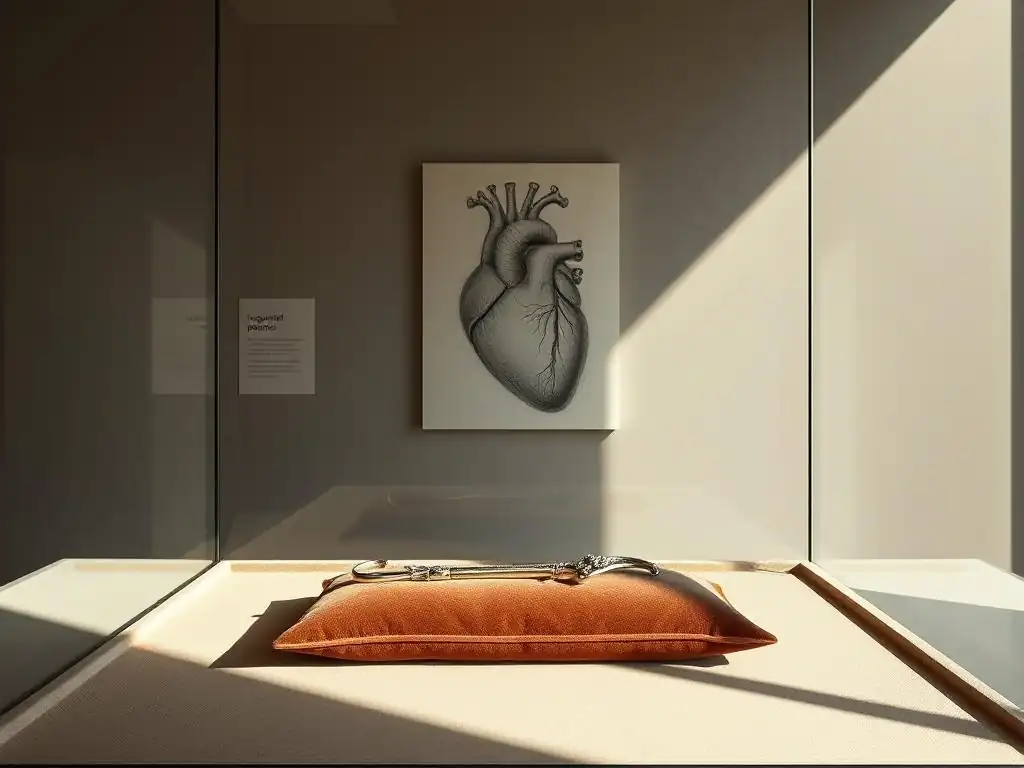
Medical museums play a crucial role in actively reclaiming and preserving the often-overlooked narratives of women in medicine. Unlike traditional archives that might focus solely on written records, these institutions collect, conserve, and exhibit a diverse range of artifacts—from surgical instruments used by early female physicians to personal letters, uniforms, and anatomical models related to women's health. By curating dedicated exhibitions and integrated displays, museums can bring these stories to life, providing tangible evidence of women's direct involvement and intellectual contributions to medical science and patient care across different historical periods.
These institutions serve as vital repositories for women’s medical museum legacies, ensuring that their achievements are not lost to time. For example, a display featuring the instruments of a pioneering female surgeon like Dr. Mary Edwards Walker, the only female surgeon in the U.S. Army during the Civil War and a Medal of Honor recipient, offers a powerful testament to her skill and perseverance.
Through careful research and ethical curation, medical museums are actively challenging historical biases, providing a platform for these previously marginalized voices to finally be heard and celebrated, thereby enriching the broader narrative of medical history for scholars and the public alike.
Case Study: The Mütter Museum and its Focus on Women's Health
The Mütter Museum of the College of Physicians of Philadelphia serves as a compelling example of a medical museum that, while not exclusively dedicated to female practitioners, significantly contributes to showcasing women’s medical museum legacies through its extensive collections focused on women's health. Established in 1863, the museum houses a vast array of anatomical and pathological specimens, medical instruments, and models that illuminate the history of obstetrics, gynecology, and various conditions affecting women throughout history.
Its exhibits provide a stark and often poignant look into the medical challenges and treatments women faced, from the intricacies of childbirth to the impact of specific diseases.
One notable aspect of the Mütter Museum's collection includes historical obstetric instruments and detailed anatomical models used for teaching, which shed light on how medical professionals understood and intervened in women's reproductive health. While these exhibits might not always highlight female practitioners directly, they undeniably contribute to understanding the medical experiences of women and the evolution of care provided to them.
By preserving and displaying these artifacts, the Mütter Museum offers critical insights into the historical context of women's bodies and health, making it an invaluable resource for comprehending a significant facet of women’s medical museum legacies and the broader history of medicine.
Digital Archives: Expanding Access to Women's Medical History
Beyond physical exhibits, digital archives have emerged as a transformative tool for expanding access to and preserving women’s medical museum legacies. Online databases, digitized collections of historical documents, photographs, and oral histories now allow researchers, students, and the general public to explore vast amounts of information from anywhere in the world. This accessibility breaks down geographical barriers that once limited engagement with specialized collections, democratizing historical knowledge and fostering a more inclusive understanding of medical progress.
For instance, initiatives like the National Library of Medicine's "Changing the Face of Medicine: Celebrating America's Women Physicians" provide extensive online profiles, interviews, and archival materials that detail the lives and achievements of hundreds of female medical pioneers. These digital platforms not only make fragile historical documents more widely available without risk of damage but also allow for sophisticated keyword searches, enabling deeper research into specific aspects of women’s medical museum legacies.
By leveraging technology, institutions are ensuring that these crucial stories are not only preserved but also actively discovered and utilized by a global audience, inspiring new generations of scholars and medical professionals.
Tools & Resources: Supporting the Preservation of Women's Medical Legacies
Online Databases: Finding Information on Female Medical Pioneers
Numerous online databases and digital repositories are invaluable resources for uncovering the stories of female medical pioneers and exploring women’s medical museum legacies. University libraries, historical societies, and specialized medical history associations often host digitized collections of professional papers, patient records, and biographical information.
These platforms allow users to search for specific names, medical fields, or historical periods, offering a granular level of detail that was previously difficult to access. For example, archives related to early women's medical colleges, such as the Woman's Medical College of Pennsylvania, provide extensive records of alumnae and faculty, revealing the contributions of thousands of women.
Beyond institutional archives, collaborative projects like biographical dictionaries of women in science or dedicated websites for women's history provide aggregated information, cross-referencing sources to build comprehensive profiles. These databases often include primary source documents, photographs, and sometimes even audio recordings, offering a rich context for understanding the challenges and triumphs faced by these women. Leveraging these digital tools is essential for anyone seeking to delve into the depth and breadth of women’s medical museum legacies and appreciate the full scope of their impact on healthcare.
Books and Biographies: Delving Deeper into Women's Medical Stories
For those seeking a more narrative and in-depth understanding of women’s medical museum legacies, books and biographies offer an indispensable resource. Scholarly works provide rigorous analysis of historical contexts and specific contributions, while popular biographies often bring the lives of these pioneering women to vivid life, making their struggles and triumphs relatable. These texts complement museum exhibits by offering the detailed personal and professional journeys that cannot always be fully conveyed through artifacts alone.
Reading about figures like Dr. Rebecca Lee Crumpler, the first African American woman to earn a medical degree in the United States (1864), or Dr. Virginia Apgar, who developed the Apgar score for newborns, provides crucial insights into their innovations and the societal obstacles they overcame. Many books also chronicle the collective efforts of women in specific medical fields, such as nursing or public health, offering a broader perspective on the women’s medical museum legacies that shaped healthcare systems.
These narratives are not only educational but also deeply inspiring, fostering a greater appreciation for the diverse paths to medical advancement.
Supporting Medical Museums: Contributing to the Preservation Effort
The continued preservation and promotion of women’s medical museum legacies heavily rely on public support for medical museums. These institutions, whether large national centers or smaller specialized collections, require significant resources for artifact conservation, research, exhibit development, and educational programming. Financial contributions, no matter the size, directly enable museums to acquire new artifacts, conduct in-depth historical research, and create compelling displays that highlight women’s vital roles in medical history.
Beyond monetary donations, individuals can contribute by volunteering their time and skills, from assisting with archival work to guiding tours and helping with educational outreach. Advocacy is another powerful form of support; by raising awareness about the importance of these museums and their mission to tell complete historical stories, individuals can help ensure that these institutions receive the recognition and funding they need. Actively supporting medical museums is a tangible way to ensure that the rich and inspiring women’s medical museum legacies continue to be celebrated and shared with future generations.
The Future of Women's Medical History: Ensuring Lasting Recognition
Education and Outreach: Engaging Future Generations with Women's Medical Stories
Ensuring the lasting recognition of women’s medical museum legacies hinges significantly on robust education and outreach initiatives. Medical museums and historical organizations are increasingly developing targeted programs for schools, universities, and community groups, using interactive exhibits, workshops, and virtual tours to make these historical narratives accessible and engaging. By introducing young students to the groundbreaking work of figures like Dr. Gerty Cori, the first woman to win a Nobel Prize in Physiology or Medicine (1947), these programs not only inspire future scientists but also challenge prevailing stereotypes about who can contribute to medical advancement.
These educational efforts extend beyond formal schooling, reaching the broader public through lectures, online content, and collaborative events. Museums often partner with local libraries or science centers to host discussions and exhibitions that highlight specific aspects of women’s medical museum legacies, such as the evolution of women's health care or the contributions of female nurses during wartime. By actively integrating these stories into educational curricula and public discourse, we ensure that women's historical contributions are not just remembered, but actively understood and celebrated as integral to the fabric of medical history.
Collaborative Efforts: Working Together to Preserve and Promote Women's Legacies
The future of preserving and promoting women’s medical museum legacies lies in sustained collaborative efforts among diverse institutions. No single museum or archive can fully capture the breadth of women's contributions, making partnerships between medical museums, universities, historical societies, and even international organizations essential. These collaborations can facilitate shared research projects, leading to more comprehensive historical accounts and the identification of previously unknown figures. For instance, joint digitization projects can pool resources to make vast collections of documents and artifacts widely accessible, transcending institutional boundaries.
Furthermore, collective advocacy and fundraising initiatives can amplify the impact of individual efforts, securing the necessary financial and political support for long-term preservation. By working together, these entities can develop unified educational programs, create traveling exhibits, and establish global networks that continuously highlight the significance of women’s medical museum legacies. This collaborative spirit ensures that the stories of women in medicine are not only preserved for posterity but also actively promoted, inspiring a more inclusive and accurate understanding of scientific progress for generations to come.
Frequently Asked Questions
How do medical museums help preserve Women’s Medical Museum Legacies?
Medical museums act as custodians of artifacts and stories connected to women in medicine. They provide a platform to showcase their contributions and address historical oversights. This helps ensure their legacies endure.
What kind of challenges did women in medicine face, and how do museums address these challenges?
Women faced gender bias and exclusion from formal scientific and medical institutions. Museums address this by highlighting these challenges through exhibits and educational programs, providing crucial context.
What types of exhibits can be found in medical museums that specifically highlight Women’s Medical Museum Legacies?
Exhibits often feature personal belongings, medical instruments, and research notes belonging to pioneering women. They might also showcase stories of their struggles and achievements within the medical field.
Why is it important to learn about the historical contributions of women in science and medicine?
Understanding their contributions helps challenge stereotypes and inspires future generations. It also creates a more accurate and inclusive historical narrative of scientific advancement.
How can medical museums inspire future generations of women to pursue careers in science and medicine?
By showcasing the achievements and resilience of past female pioneers, museums provide role models. This can motivate and empower young women to overcome barriers and pursue their scientific aspirations.
Final Reflection: Illuminating Women's Medical Legacies
The stories unearthed within medical museums, particularly those focusing on women's contributions, are not relics of the past but living testaments to resilience and innovation. These spaces serve as vital reminders that progress in medicine is built upon the shoulders of countless individuals, many of whom were historically marginalized and overlooked. By showcasing their instruments, research, and personal narratives, we challenge the traditional, often male-dominated, narrative of medical history and acknowledge the profound impact women have had on shaping healthcare as we know it today.
The ongoing influence of these museums extends far beyond their walls. They act as crucial platforms for education, advocacy, and inspiration, fostering a deeper understanding of the challenges women faced and the groundbreaking achievements they accomplished. Witnessing these legacies firsthand ignites a sense of responsibility to continue their fight for equity and recognition within the medical field. The most effective way to do it, is to do it.
- Amelia Earhart. This quote, though not directly related to medicine, perfectly encapsulates the spirit of these women who, despite societal barriers, forged their own paths and left an indelible mark.
As you reflect on the stories shared within these pages, consider the power of preservation and the importance of amplifying marginalized voices. What role can you play in ensuring that these legacies continue to inspire future generations of medical professionals and beyond? Let us all commit to actively seeking out and celebrating the contributions of women in medicine, ensuring that their stories are not only remembered but also serve as a catalyst for a more equitable and inclusive future for all.
Thank you for exploring how medical museums illuminate the pivotal, yet often overlooked, contributions of women in medicine. Now, let's transform this inspiration into action!
- Visit a medical museum near you and reflect on the women whose stories are shared (or absent) within its walls.
- Share this article with friends and colleagues to ignite conversations about the importance of preserving women's contributions to medical history.
- Suggest a woman to be featured in future exhibits to your local museum - help write her story into history.
What woman in medicine's legacy inspires you the most, and what actions can you take to ensure her story is never forgotten?