
Letters and Networks: How Women Scientists Bypassed Formal Exclusion Historically


Welcome to WomenInScienceHistory.com!
Delve into the fascinating world of women who shaped scientific progress, often against formidable odds. Our platform illuminates their groundbreaking contributions and untold stories. Ever wondered how women scientists navigated a world that often excluded them? In this article, " Letters and Networks: How Women Scientists Bypassed Formal Exclusion Historically," we explore the vital role of women scientists networking historically - uncovering the ingenious strategies they employed to connect, collaborate, and contribute to scientific advancement despite societal barriers. Discover the power of informal communication and mentorship. Read on to uncover these compelling narratives!
- Introduction: The Invisible Networks of Women in Science History
- The Landscape of Exclusion: Barriers Faced by Women in Science
- The Rise of Epistolary Networks: Letters as a Tool for Scientific Collaboration
- Building Communities Through Correspondence: Beyond Individual Exchange
- Case Studies: Examples of Successful Women Scientists' Networks
- The Legacy of Women Scientists' Networks: Impact and Relevance Today
- Conclusion: Recognizing the Enduring Significance of Women's Scientific Networks
-
Frequently Asked Questions
- How did women scientists historically connect with each other and with the broader scientific community, given their exclusion from many formal institutions?
- What role did correspondence play in the scientific lives of women historically?
- What were some of the key challenges faced by women scientists trying to build networks historically?
- Besides letters, what other methods did women scientists use to create networks historically?
- Why is it important to study the historical networking strategies of women scientists?
- Final Reflection: Weaving Threads of Scientific Progress
- Ignite Your Scientific Legacy!
Introduction: The Invisible Networks of Women in Science History
For centuries, the narrative of scientific progress has often been dominated by male figures, leaving the significant contributions of women largely unacknowledged or relegated to footnotes. Yet, behind the scenes, countless women engaged in rigorous scientific inquiry, made groundbreaking discoveries, and tirelessly pushed the boundaries of knowledge. Their work, though sometimes carried out in unconventional settings or under restrictive conditions, forms an indispensable part of our scientific heritage, demonstrating the enduring human drive for discovery irrespective of societal barriers.
Unveiling these hidden contributions requires a deliberate effort to look beyond formal institutions and recognize the diverse ways in which women navigated a system often designed to exclude them. This involves examining their personal archives, correspondence, and the informal spaces where they conducted research and exchanged ideas. By doing so, we gain a more complete and accurate understanding of scientific history, revealing the ingenuity and resilience of women who pursued their scientific passions against formidable odds.
The Challenge of Formal Exclusion in Scientific Communities
Historically, women faced pervasive formal exclusion from the established scientific community. Universities, scientific societies, and research laboratories were largely male domains, often denying women admission, degrees, or positions based purely on gender. For example, it wasn't until 1878 that the University of London formally opened all its degrees to women, and even then, prejudice persisted. This meant that many brilliant minds were barred from official recognition, access to essential resources, and the collaborative environment that often fuels scientific breakthroughs.
This systemic exclusion extended beyond education, impacting career progression, funding opportunities, and the dissemination of research. Women were frequently denied authorship, their findings attributed to male colleagues, or their work dismissed as amateurish. Such barriers meant that traditional academic pathways and institutional recognition were largely inaccessible, forcing women to forge alternative routes to pursue their scientific ambitions and to connect with peers who could offer intellectual support and validation.
The Power of Informal Networks for Women Scientists
In response to these formidable barriers, women scientists historically developed powerful informal networks, often centered around personal correspondence and small, self-organized groups. These networks served as lifelines, providing intellectual stimulation, emotional support, and practical resources that were denied through formal channels. They allowed women to circumvent the rigid hierarchies and exclusionary practices of the male-dominated scientific establishment.
These informal connections were crucial for women scientists networking historically, enabling them to share research findings, discuss theories, offer mentorship, and provide a sense of community. Far from being mere social exchanges, these networks were vital scientific conduits, fostering collaboration and ensuring that valuable insights and discoveries did not remain isolated. They represent a testament to the ingenuity and determination of women to carve out spaces for scientific inquiry and collective advancement.
The Landscape of Exclusion: Barriers Faced by Women in Science
Access to Education and Research Opportunities
Throughout much of history, access to formal education and research opportunities was severely restricted for women, profoundly limiting their participation in science. Many universities either outright prohibited women's enrollment or relegated them to "ladies' colleges" with limited curricula, often denying them the right to earn full degrees even if they completed the same coursework as men. For instance, while women could attend lectures at some European universities by the late 19th century, achieving a doctorate or a professorship remained largely out of reach.
Beyond formal education, women were also routinely denied access to crucial research infrastructure, such as university laboratories, observatories, and scientific equipment. Without institutional affiliation, securing funding for experiments or publishing in prestigious journals became exceedingly difficult. This forced many women to conduct their research in private homes, often with makeshift equipment, or to rely on the patronage of male relatives or sympathetic individuals, significantly hindering their ability to conduct large-scale or collaborative projects.
Gender Bias and Discrimination in Scientific Institutions
Beyond explicit prohibitions, pervasive gender bias and discrimination within scientific institutions created a hostile environment for women. Women who managed to gain a foothold often faced skepticism regarding their intellectual capabilities, their work being subjected to greater scrutiny than that of their male counterparts. Their ideas were frequently dismissed, and their contributions undervalued, even when they were groundbreaking.
This discrimination manifested in various forms, from subtle microaggressions to outright professional sabotage. Women were often relegated to low-paying, subordinate roles, such as "computers" or assistants, even when performing complex analytical or research tasks. They were rarely offered leadership positions or invited to join prestigious scientific societies, effectively marginalizing their voices and limiting their influence within the broader scientific discourse.
Limited Access to Funding and Recognition
A significant barrier for women in science was the extremely limited access to funding and recognition for their work. Unlike their male counterparts who could often secure grants, academic salaries, or institutional support, women were frequently expected to work without pay or for meager wages. This financial precarity often forced them to rely on personal wealth, family support, or to take on less demanding roles that allowed them to pursue their scientific interests in their spare time.
Furthermore, when women did achieve notable discoveries, their contributions were often overlooked, downplayed, or even actively appropriated by male colleagues. Formal recognition, such as awards, honorary degrees, or positions in academies, was almost exclusively reserved for men. This systemic lack of acknowledgment not only denied women the credit they deserved but also made it exceedingly difficult for them to build a professional reputation, secure future opportunities, or inspire younger generations, effectively stifling the visibility of women scientists networking historically and their achievements.
The Rise of Epistolary Networks: Letters as a Tool for Scientific Collaboration
Scientific Correspondence: A Vital Communication Channel
Before the advent of modern telecommunications, scientific correspondence was the primary means by which researchers across different institutions and countries exchanged ideas, shared experimental results, and debated theories. Letters served as a dynamic forum for intellectual discourse, allowing scientists to engage in peer review, seek advice, and disseminate their findings long before formal publication. These exchanges were not merely social but constituted a rigorous, informal scientific journal, allowing for rapid communication and collaborative development of new knowledge.
This epistolary culture fostered a sense of community among geographically dispersed scholars, enabling the cross-pollination of ideas that was essential for scientific progress. Researchers would meticulously document their experiments, observations, and hypotheses in letters, which were then circulated among trusted colleagues. This method ensured that scientific discourse was ongoing and iterative, allowing for immediate feedback and refinement of ideas in a way that formal publications could not.
Women Scientists Networking Through Letter Writing
For women scientists networking historically, letter writing transcended its general importance to become an indispensable tool for bypassing formal exclusion. Denied access to university lecture halls, professional societies, and formal laboratories, women relied on correspondence to connect with peers, mentors, and even potential collaborators. Letters allowed them to participate in scientific discussions, share their research, and receive feedback without needing to be physically present in male-dominated spaces.
These epistolary networks provided a vital intellectual lifeline, enabling women to stay abreast of new discoveries, access specialized knowledge, and validate their own scientific pursuits. Through these written exchanges, they could establish reputations based on the merit of their ideas rather than their gender or institutional affiliation. This silent, yet powerful, form of communication fostered a sense of belonging and mutual support among women who might otherwise have felt isolated in their scientific endeavors.
Caroline Herschel: A Pioneer of Astronomical Discovery Through Correspondence
Caroline Herschel (1750-1848), a pivotal figure in astronomy, exemplifies the power of correspondence for women scientists networking historically. Initially serving as her brother William Herschel's assistant, she became a distinguished astronomer in her own right, discovering eight comets and numerous nebulae. Despite lacking formal university training, her extensive correspondence with other astronomers across Europe was crucial to her work and recognition.
Through letters, Caroline shared her meticulous observations and calculations, seeking confirmation and exchanging data with colleagues like Johann Elert Bode, a prominent German astronomer. Her correspondence allowed her to integrate her findings into the broader astronomical community, validating her discoveries and contributing to the growing body of celestial knowledge. In 1798, she published A Catalogue of 860 Stars, an index to John Flamsteed's observations, a monumental task that required extensive cross-referencing and communication, solidifying her reputation and demonstrating the efficacy of her epistolary network.
Building Communities Through Correspondence: Beyond Individual Exchange
Creating Support Systems and Mentorship Opportunities
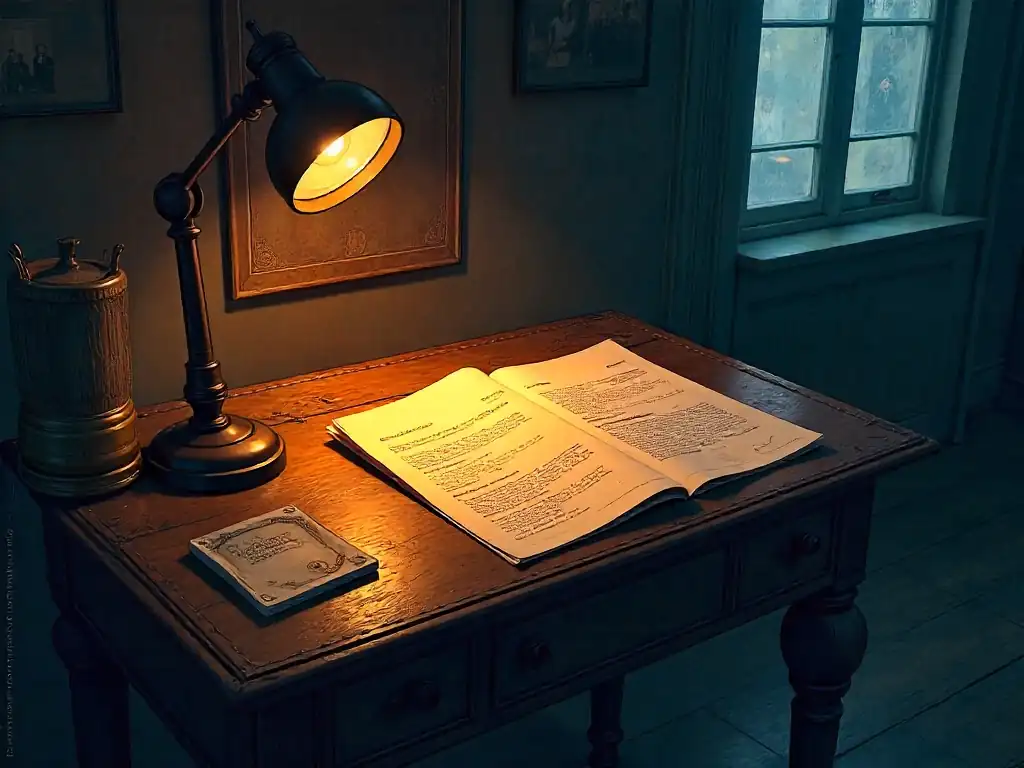
Beyond mere scientific exchange, epistolary networks allowed women scientists to forge vital support systems and mentorship opportunities that were largely absent in formal institutions. Letters provided a private and safe space for women to discuss not only scientific challenges but also the unique difficulties they faced as female researchers in a male-dominated field. This shared experience fostered a sense of solidarity and mutual understanding, reducing feelings of isolation.
Through these written exchanges, experienced women scientists could offer guidance and encouragement to younger counterparts, providing informal mentorship that transcended geographical barriers. They might advise on research methodologies, suggest new avenues of inquiry, or simply offer moral support in the face of professional setbacks. These connections were crucial for nurturing talent and ensuring that aspiring women scientists had access to the wisdom and experience of those who had navigated similar paths.
Epistolary networks were also instrumental in the sharing of critical scientific knowledge and scarce resources among women scientists. Letters became conduits for transmitting raw data, detailed experimental protocols, observational notes, and even sketches of equipment that might otherwise have been inaccessible. For women working outside institutional labs, this informal exchange of practical information was invaluable, enabling them to replicate experiments or develop new techniques.
For example, a botanist might send dried plant specimens or detailed descriptions of flora to a colleague for identification or classification, all facilitated through correspondence. Similarly, astronomers could compare and verify observations of celestial phenomena, pooling their data to achieve more comprehensive results. This collective sharing of intellectual and material resources allowed women to overcome individual limitations and contribute more effectively to scientific advancement.
Challenging Dominant Scientific Narratives Through Collective Voices
While often subtle, the collective voices emerging from these epistolary networks could implicitly challenge dominant scientific narratives and methodologies. By engaging in rigorous debate and presenting alternative interpretations through their shared correspondence, women scientists could subtly push back against established orthodoxies or male-centric perspectives that overlooked certain phenomena or approaches. Though rarely confrontational in public, these internal discussions fostered intellectual independence.
These networks allowed for the development of alternative perspectives that might not have found a voice in formal publications or institutional settings. By validating each other's research and interpretations, women built a collective authority that, over time, could influence broader scientific discourse. This collaborative intellectual work, though operating largely outside the public eye, played a crucial role in diversifying scientific thought and ensuring that a wider range of ideas received consideration.
Case Studies: Examples of Successful Women Scientists' Networks
The Harvard College Observatory's "Computers"
One of the most remarkable examples of women scientists networking historically within an institutional, albeit unconventional, framework is the group of women employed at the Harvard College Observatory from the late 19th to the early 20th century. Hired by Director Edward Pickering, these women, often referred to as "computers," performed complex calculations and analyzed photographic plates of stars, a role often deemed clerical and low-paid, yet scientifically profound.
Key Members and Their Contributions
The Harvard Computers included brilliant minds such as Williamina Fleming, who discovered over 10 novae and 59 nebulae; Annie Jump Cannon, who classified over 350,000 stars and developed the stellar classification system still used today (OBAFGKM); and Henrietta Swan Leavitt, whose discovery of the period-luminosity relationship for Cepheid variables in 1912 revolutionized distance measurements in the universe. Though each contributed individually, their collective work on the vast photographic plate collection, numbering over 250,000 plates by the early 20th century, was a collaborative effort.
They often shared methods, verified each other's findings, and built upon each other's classifications, forming a highly effective internal network.
The Impact of the Network on Astronomical Advancements
The collaborative efforts of the Harvard Computers had a monumental impact on astronomical advancements. Their systematic classification of stars, particularly Annie Jump Cannon's work, laid the foundation for modern astrophysics.
Henrietta Swan Leavitt's discovery of the Cepheid variable period-luminosity relationship, based on her analysis of 25 variable stars in the Magellanic Clouds, provided the first reliable "standard candle" for measuring intergalactic distances, allowing Edwin Hubble to later confirm the expansion of the universe. This collective output, despite the women earning as little as 25 to 50 cents an hour, demonstrated the immense power of a coordinated female scientific workforce, effectively creating a groundbreaking research hub through their shared dedication and meticulous work.
Marie Curie and Her International Network of Female Scientists
Marie Curie (1867-1934), a pioneer in radioactivity and the first woman to win a Nobel Prize, cultivated an extensive international network, including significant connections with other female scientists. While her formal collaborations were often with male peers, her personal correspondence and mentorship fostered an informal network of women who were also pushing boundaries in chemistry and physics, particularly in the nascent field of radioactivity. This was a crucial aspect of women scientists networking historically on a global scale.
Overcoming Geographic Barriers Through Communication
Curie's network transcended geographical boundaries through a prolific exchange of letters. She corresponded with former students, colleagues, and aspiring female scientists across Europe and beyond, sharing insights, discussing experimental challenges, and offering advice. For instance, her exchanges with Ellen Gleditsch, a Norwegian radiochemist who worked in Curie's lab before returning to Norway, exemplify how scientific dialogue and mentorship continued across countries, fostering a dispersed community of researchers united by their shared work in radioactivity.
Building International Collaborations in Radioactivity Research
Through her correspondence, Marie Curie actively facilitated international collaborations in radioactivity research. She shared methods for isolating radioactive elements, discussed the properties of new isotopes, and helped to standardize measurements, which was critical for a rapidly developing field. Her influence extended to supporting other women in their scientific careers, often providing references or encouraging their research pursuits. Her daughter, Irène Joliot-Curie, who later won a Nobel Prize herself, also became part of this extended network, inheriting and expanding upon her mother's collaborative spirit, further cementing the legacy of women scientists networking historically in the realm of nuclear science.
The Legacy of Women Scientists' Networks: Impact and Relevance Today
Preserving the History of Women in Science
The study of historical networks formed by women scientists is paramount for preserving and accurately documenting their contributions to science. By examining their correspondence, informal groups, and collaborative projects, we can uncover the full extent of their intellectual labor, which was often obscured by formal exclusion and historical biases. This process helps to correct the existing historical record, ensuring that the ingenuity and resilience of women in science are properly recognized and celebrated.
Websites like WomenInScienceHistory.com play a critical role in this preservation effort, bringing these hidden narratives to light and making them accessible to a wider audience. Documenting how women scientists networking historically allowed them to overcome systemic barriers provides invaluable insight into the true landscape of scientific progress and the diverse pathways to discovery. It acknowledges that science is not merely a product of formal institutions but also of informal collaboration and persistent individual effort.
Inspiring Future Generations of Women Scientists
The stories of historical women scientists and their networks serve as powerful sources of inspiration for future generations. By highlighting how these women navigated formidable challenges—from limited access to education to outright discrimination—and still managed to make profound discoveries, we provide compelling role models. These narratives demonstrate that passion, perseverance, and strategic collaboration can overcome even the most entrenched barriers.
Understanding how women scientists networking historically allowed them to thrive against the odds encourages young women to pursue STEM fields today, knowing that they stand on the shoulders of giants. It instills confidence and a sense of belonging, showing that even in challenging environments, community and mutual support can lead to extraordinary achievements. These historical examples underscore the enduring power of collective effort in scientific endeavor.
Lessons Learned: Applying Historical Strategies to Modern Challenges
The historical strategies employed by women scientists to build informal networks offer valuable lessons for addressing contemporary challenges in scientific inclusivity. While formal barriers have significantly diminished in many parts of the world, subtle biases, funding disparities, and issues of recognition persist. The historical emphasis on mentorship, peer support, and resource sharing through informal channels remains highly relevant today.
Modern scientific communities can learn from these historical examples by actively fostering inclusive networking opportunities, both online and offline, for underrepresented groups. Encouraging cross-disciplinary collaboration, establishing robust mentorship programs, and creating supportive communities can help to mitigate ongoing challenges. The enduring success of women scientists networking historically provides a blueprint for building more equitable and collaborative scientific environments in the present and future.
Conclusion: Recognizing the Enduring Significance of Women's Scientific Networks
The Importance of Documenting and Celebrating These Histories
The detailed examination of how women scientists networking historically bypassed formal exclusion underscores the critical importance of documenting and celebrating these often-overlooked histories. These narratives are not merely anecdotes; they are integral to a complete and accurate understanding of scientific progress. By meticulously researching and presenting the informal structures and epistolary exchanges that facilitated women's scientific work, we enrich our collective knowledge and acknowledge the full spectrum of human ingenuity that has shaped our world.
This documentation serves as a powerful corrective to historical omissions, ensuring that future generations recognize the diverse contributions to scientific discovery. Celebrating these histories validates the experiences of countless women who pursued knowledge against formidable odds, inspiring continued efforts towards greater inclusivity in science. It is a testament to the enduring human spirit of inquiry and collaboration.
Fostering Inclusive Scientific Communities Today
The insights gained from studying historical networks of women scientists offer valuable guidance for fostering truly inclusive scientific communities in the present day. While formal barriers have largely been dismantled in many regions, informal biases and systemic challenges can still impede the progress of women and other underrepresented groups in STEM. Recognizing the historical efficacy of informal support systems, mentorship, and collaborative networks can inform contemporary strategies for creating more equitable environments.
By actively promoting and supporting networking opportunities, mentorship programs, and collaborative platforms for women and other marginalized scientists, we can build stronger, more diverse, and ultimately more innovative scientific communities. The historical resilience of women scientists networking historically serves as a powerful reminder that true scientific progress flourishes when all voices are heard, valued, and connected.
Networking: A Model for Collaboration
Ultimately, the story of women scientists' networks is a compelling model for the enduring power of collaboration in scientific advancement. Faced with institutional walls and societal prejudices, these women demonstrated that shared knowledge, mutual support, and collective effort could transcend formal limitations and drive significant discoveries. Their informal networks, often built letter by letter, were not just coping mechanisms but proactive strategies for intellectual growth and professional development.
This historical precedent highlights that effective collaboration is not always confined to formal laboratories or prestigious institutions. It can emerge from genuine intellectual curiosity, shared challenges, and a commitment to mutual upliftment. The legacy of women scientists networking historically stands as a powerful testament to the fact that when individuals connect, support each other, and pool their intellectual resources, the boundaries of what is possible in science are continuously expanded.
Frequently Asked Questions
How did women scientists historically connect with each other and with the broader scientific community, given their exclusion from many formal institutions?
Women scientists often relied on informal networks, such as letter writing and personal connections, to share their research and gain recognition. These networks provided crucial support and circumvented institutional barriers.
What role did correspondence play in the scientific lives of women historically?
Correspondence was vital, serving as a means to disseminate research findings, collaborate on projects, and gain feedback in the absence of formal publication avenues. It created a vital network.
What were some of the key challenges faced by women scientists trying to build networks historically?
Women faced gender bias, limited access to resources, and exclusion from scientific societies, all of which hindered their ability to participate fully in formal scientific networks.
Besides letters, what other methods did women scientists use to create networks historically?
Beyond correspondence, women utilized salon gatherings, private mentorship, and family connections to build supportive networks and advance their scientific pursuits.
Why is it important to study the historical networking strategies of women scientists?
Studying these strategies reveals the resourcefulness of women in overcoming obstacles and highlights the significant contributions they made to science despite facing systemic discrimination. It also inspires future generations.
Final Reflection: Weaving Threads of Scientific Progress
The historical exclusion of women from formal scientific institutions makes the study of their informal networks not just academically interesting, but vitally relevant to understanding the full tapestry of scientific advancement. The letters and connections detailed throughout this article reveal a hidden infrastructure, a testament to the resilience and ingenuity of women scientists who refused to be silenced. These networks were not merely coping mechanisms; they were engines of discovery, enabling collaboration, mentorship, and the dissemination of knowledge in the face of systemic barriers.
The impact of these historical networks continues to resonate today, reminding us of the persistent need to actively cultivate inclusive scientific communities. Recognizing and celebrating the contributions of marginalized groups is not just about correcting historical injustices; it's about unlocking the full potential of human intellect. The most effective way to do it, is to do it.
- Amelia Earhart, a sentiment that echoes the proactive spirit of these women scientists who forged their own paths despite the obstacles. Their stories inspire us to challenge existing power structures and build bridges where walls once stood.
Let us, therefore, reflect on the lessons learned from these historical networks of women scientists. How can we, in our own lives and communities, actively foster environments where diverse voices are not only heard but amplified? How can we build networks that empower and uplift, ensuring that future generations of scientists, regardless of gender or background, have the opportunity to contribute their unique talents to the advancement of knowledge? The legacy of these women calls us to action: to weave even stronger threads of collaboration and support, creating a scientific landscape that is truly equitable and inclusive for all.
Ignite Your Scientific Legacy!
Thank you for delving into the untold stories of women in science. Now that you've uncovered the power of connection and resilience, it's time to channel that inspiration into action.
- Draft a letter to a contemporary woman scientist you admire, sharing your reflections on their work and the historical context we've explored. This is your chance to bridge the past and present, and create a personal connection.
- Explore WomenInScienceHistory.com to discover more unsung heroines and amplify their stories across your social networks.
- Brainstorm creative ways to honor the legacy of women scientists in your own community – perhaps through local exhibits or educational initiatives.
What small step will you take today to ensure that the contributions of women in science are never forgotten?