
The MentorMentee Synergy: Secrets to a Flourishing and Productive STEM Partnership

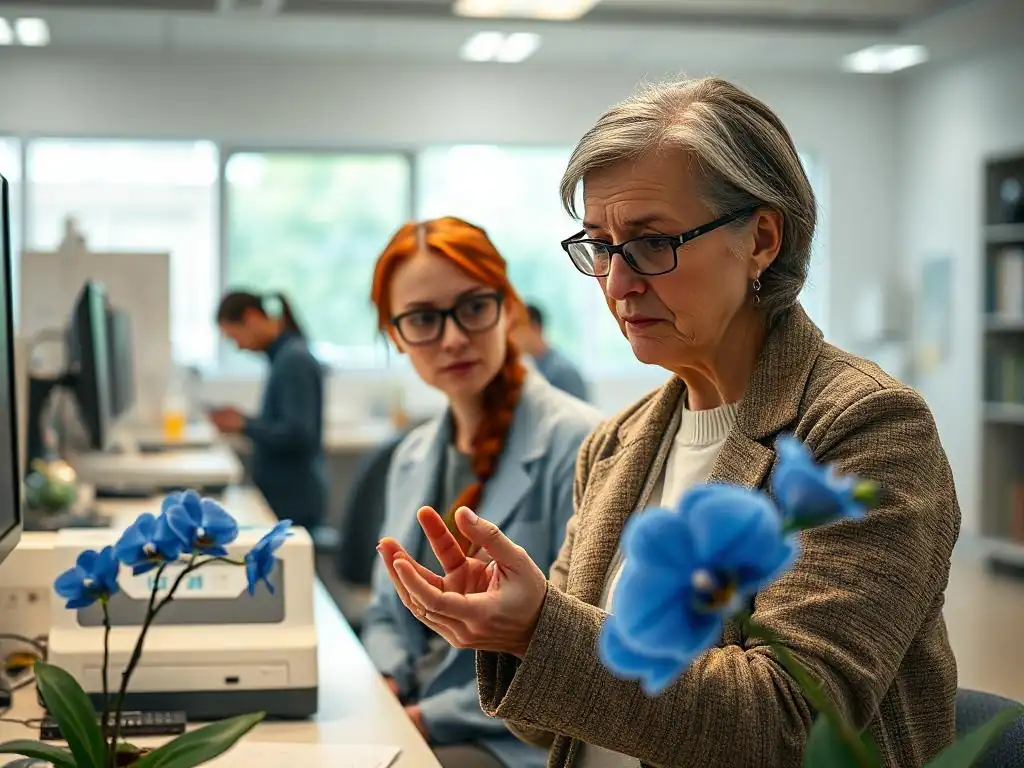
Welcome to WomenInScienceHistory.com, where we illuminate the remarkable legacies of women who shaped the scientific world. In a field historically dominated by men, their contributions are often untold. Are you curious about the strategies that empower women in STEM today? Dive into our latest article, "The MentorMentee Synergy: Secrets to a Flourishing and Productive STEM Partnership," and discover actionable female STEM mentorship strategies that are forging a brighter future. Prepare to be inspired and informed – the journey into mentorship begins now!
- Introduction: Empowering Women in STEM Through Effective Mentorship
- Understanding the Core Elements of a Successful STEM Mentorship
- Creating a Strong Foundation: Setting Goals and Expectations
- Communication is Key: Fostering Open Dialogue and Feedback
- Overcoming Challenges: Addressing Obstacles in STEM Mentorship
- Leveraging Resources: Tools and Platforms for Effective Mentorship
- Measuring Success: Evaluating the Impact of STEM Mentorship
- Sustaining the Partnership: Nurturing Long-Term Growth
- Conclusion: The Power of Synergy in Female STEM Mentorship
-
Frequently Asked Questions
- What are some key benefits of female STEM mentorship for mentees?
- How can mentors effectively support mentees facing gender-related biases in STEM?
- What are some specific qualities that make a STEM mentorship partnership successful?
- What strategies can institutions implement to encourage more female scientists to become mentors?
- How can mentorship programs address the unique challenges faced by women of color in STEM?
- Final Reflection: Cultivating Growth Through Shared Wisdom
- Ignite Your STEM Potential: Forge a Powerful Mentorship Connection!
Introduction: Empowering Women in STEM Through Effective Mentorship
Highlighting the Importance of Female STEM Mentorship Strategies
The journey of women in science, technology, engineering, and mathematics (STEM) has historically been fraught with systemic barriers, limited opportunities, and a significant lack of visible female role models. Even today, despite increasing participation, women remain underrepresented in many STEM fields, particularly at senior levels. Effective female STEM mentorship strategies are crucial in bridging this gap, offering guidance, support, and advocacy to aspiring and early-career female scientists and engineers. Such mentorship goes beyond simple advice, fostering confidence, honing professional skills, and providing a critical network that can be invaluable in navigating complex career paths.
These structured or informal relationships serve as powerful catalysts for growth, helping mentees overcome challenges like imposter syndrome, navigate workplace biases, and identify pathways for advancement. Studies consistently show that women who have mentors are more likely to persist in STEM careers, achieve promotions, and express greater job satisfaction. For instance, research from the National Academies of Sciences, Engineering, and Medicine suggests that effective mentorship can significantly reduce attrition rates for women in STEM, potentially by 20-30% in critical early career stages, by providing the necessary support systems.
WomenInScienceHistory.com: Championing Mentorship for Young Women in STEM
WomenInScienceHistory.com is dedicated to illuminating the groundbreaking contributions of women throughout scientific history, from the pioneering work of Marie Curie in radioactivity to Rosalind Franklin's critical role in DNA discovery. While these historical figures often navigated their scientific journeys with minimal formal mentorship, particularly from other women, their struggles underscore the profound need for robust female STEM mentorship strategies in contemporary times. Our platform champions the idea that by understanding the past, we can better shape a future where every young woman in STEM has the guidance and support she deserves.
We believe that celebrating these historical achievements is only part of the mission; actively fostering mentorship for young women in STEM is the next vital step. By connecting the narratives of past trailblazers with the aspirations of current and future generations, WomenInScienceHistory.com aims to inspire a new wave of scientific leaders. This includes advocating for and highlighting successful STEM mentorship programs that provide young women with the tools, knowledge, and confidence to not only enter but also thrive and innovate within the scientific community, ensuring their voices and discoveries are recognized and valued.
Understanding the Core Elements of a Successful STEM Mentorship
Defining a Productive Mentor-Mentee Relationship in Science and Technology
A productive mentor-mentee relationship in science and technology is characterized by a mutual commitment to growth, shared understanding, and clear communication, extending far beyond the typical professional networking. It's a dynamic partnership where the mentor leverages their experience and wisdom to guide the mentee's professional and personal development, while the mentee actively seeks knowledge, applies feedback, and demonstrates initiative. This synergy is built on trust, respect, and a genuine desire for the mentee's success, creating a safe space for learning, questioning, and even failing forward.
For female STEM mentorship strategies, this relationship often involves navigating gender-specific challenges unique to scientific and technological fields, such as subtle biases or the pressure to constantly prove competence. A truly productive relationship empowers the mentee to develop critical thinking skills, refine their research methodologies, and build a robust professional network. It should also foster a sense of belonging and confidence, essential for persistence in fields where women have historically been underrepresented.
Key Characteristics of Effective Mentors for Women in STEM
Effective mentors for women in STEM possess a unique blend of professional expertise and strong interpersonal skills. They are not merely advisors but active listeners, empathetic guides, and staunch advocates. Crucially, they demonstrate a deep understanding of the systemic and cultural challenges women often face in STEM environments, such as unconscious bias in hiring or promotion, or the perception of leadership qualities. Such mentors are willing to share their own career journeys, including setbacks, to normalize challenges and build resilience in their mentees.
Beyond technical guidance, these mentors are adept at fostering self-efficacy and leadership potential. They challenge mentees constructively, provide honest and timely feedback, and help them identify and leverage their strengths. Successful female STEM mentorship strategies often involve mentors who are proactive in opening doors, whether through introductions to key contacts, recommendations for professional development opportunities, or advocating for their mentees in professional settings. For example, a mentor might actively nominate their mentee for a prestigious grant or a leadership role within a scientific society, thereby directly impacting their career trajectory.
The Essential Qualities of Successful Mentees in STEM Fields
Successful mentees in STEM fields are characterized by their proactive engagement, intellectual curiosity, and a strong commitment to their own growth. They are not passive recipients of advice but active participants in the mentorship process, arriving at meetings prepared with specific questions, clearly articulated goals, and updates on their progress. This level of initiative demonstrates respect for the mentor's time and expertise, fostering a more dynamic and rewarding interaction. A mentee who takes ownership of their development is more likely to implement feedback and seek out opportunities identified by their mentor.
Furthermore, successful mentees are open to constructive criticism and willing to step outside their comfort zones. They understand that feedback, even when challenging, is a gift designed to facilitate improvement. They are also adept at articulating their needs and aspirations, which enables the mentor to provide more targeted and effective guidance. For instance, a mentee might explicitly state their interest in a particular research technique or a leadership role, allowing the mentor to tailor their advice or connect them with relevant resources, thereby maximizing the impact of female STEM mentorship strategies.
Creating a Strong Foundation: Setting Goals and Expectations
Establishing Clear Objectives for the STEM Mentorship Program
Establishing clear objectives is the cornerstone of any successful STEM mentorship program, particularly those focused on female STEM mentorship strategies. Before the relationship truly begins, both mentor and mentee should collaboratively define what they hope to achieve. These objectives can range from developing specific technical skills, such as mastering a new programming language or laboratory technique, to broader professional goals like improving presentation skills, navigating academic politics, or preparing for a leadership role. Without well-defined goals, the mentorship can lack direction and fail to deliver tangible outcomes.
A structured approach to goal setting might involve using the SMART framework (Specific, Measurable, Achievable, Relevant, Time-bound). For example, instead of a vague goal like "improve research skills," a specific objective might be "publish one peer-reviewed article in a Q1 journal within the next 12 months." This clarity ensures that both parties understand the purpose of their interactions and can track progress effectively. Regularly revisiting and adjusting these objectives as the mentee's needs evolve is also crucial for maintaining relevance and engagement throughout the mentorship period.
Defining Roles and Responsibilities in Female STEM Mentorship Initiatives
Clearly defining roles and responsibilities is paramount for the smooth operation and effectiveness of female STEM mentorship initiatives. The mentor's role typically involves providing guidance, sharing expertise, offering encouragement, and acting as a sounding board. They might introduce the mentee to their professional network, offer insights into career pathways, and help interpret unwritten rules of the STEM workplace. For instance, a mentor might explain the nuances of grant writing or the dynamics of a research lab, drawing on their own experiences.
Conversely, the mentee's responsibilities include actively engaging in the process, preparing for meetings, following through on agreed-upon actions, and openly communicating their challenges and successes. They are expected to be proactive in seeking advice and feedback, demonstrating initiative in their learning and development. A well-defined framework ensures that neither party feels overwhelmed or uncertain about their contribution, fostering a balanced and productive partnership. This clarity minimizes misunderstandings and maximizes the likelihood of achieving the established mentorship objectives, making it a critical component of successful female STEM mentorship strategies.
Setting Realistic Expectations for Both Mentor and Mentee
Setting realistic expectations is vital to prevent disillusionment and ensure the long-term viability of a STEM mentorship relationship. Both mentors and mentees need to understand that mentorship is not a magic bullet for immediate career success, nor is it a one-sided commitment. Mentors should recognize that their role is to guide and support, not to solve all of the mentee's problems or guarantee specific outcomes like a promotion or a publication. Their time commitment, while valuable, should also be manageable within their existing professional obligations.
Similarly, mentees must understand that their growth requires active effort and that advice may not always align with their initial desires. They should not expect the mentor to do the work for them or to always provide immediate solutions.
For example, a mentee seeking a specific job should expect guidance on interview skills or resume building, not a direct job offer. By aligning expectations regarding time commitment, types of support, and the ultimate responsibility for career progression, both parties can approach the relationship with a clear understanding of its boundaries and potential, reinforcing the strength of female STEM mentorship strategies.
Communication is Key: Fostering Open Dialogue and Feedback
Effective Communication Strategies for Female STEM Mentors and Mentees
Effective communication is the bedrock of any successful mentor-mentee relationship in STEM. For female STEM mentorship strategies, this often means creating a safe and trusting environment where mentees feel comfortable discussing not only their technical challenges but also personal or systemic barriers they encounter. This involves establishing preferred communication channels (e.g., monthly video calls, bi-weekly emails, or occasional in-person meetings), agreeing on response times, and maintaining consistent contact. Mentors can initiate this by clearly outlining their availability and encouraging mentees to reach out proactively.
Beyond logistics, the quality of communication is paramount. Mentors should employ clear, concise language, avoiding jargon where possible, and be mindful of their tone to foster an encouraging atmosphere. Mentees, in turn, should practice articulating their questions and concerns specifically, providing sufficient context for their mentor to offer relevant advice. For example, instead of saying "I'm stuck on my research," a mentee might say, "I'm having difficulty interpreting the results from this specific experiment, and I've tried X and Y approaches. Could you offer some insights?" This precision facilitates more productive dialogue and strengthens the mentorship bond.
Active Listening and Constructive Feedback in STEM Mentorship
Active listening is a critical skill for both mentors and mentees, particularly in the nuanced context of STEM mentorship. For mentors, it means giving their full attention to the mentee, asking clarifying questions, and reflecting on what they've heard to ensure understanding before offering advice. This validates the mentee's experiences and helps the mentor provide truly relevant guidance. For example, when a mentee expresses frustration with a project, an active listener might ask, "Can you tell me more about what specifically is causing the frustration?" rather than immediately offering a solution.
Constructive feedback, delivered and received effectively, is equally vital. Mentors should provide feedback that is specific, actionable, and focused on behavior or outcomes rather than personal traits. It should be delivered with empathy and a clear intention to help the mentee grow.
For instance, instead of "Your presentation was weak," a mentor might say, "Your data slides were excellent, but I noticed you didn't make eye contact with the audience during your conclusion, which might have impacted their engagement. Perhaps next time, try to scan the room more often." Mentees, conversely, must cultivate the ability to receive feedback gracefully, ask for clarification, and reflect on how to apply it, understanding that it's a gift designed to enhance their professional development within the framework of female STEM mentorship strategies.
Even in the most positive mentor-mentee relationships, difficult conversations are sometimes necessary, and the ability to navigate them effectively is a hallmark of a robust partnership. These conversations might arise when a mentee isn't meeting expectations, when there's a misunderstanding, or when a mentor needs to deliver tough feedback on a mentee's performance or attitude. For female STEM mentorship strategies, such dialogues can also touch upon sensitive topics like gender bias experienced in the workplace or ethical dilemmas in research. It's crucial to approach these discussions with professionalism, empathy, and a focus on resolution rather than blame.
For mentors, this means choosing an appropriate time and setting, preparing what needs to be communicated clearly, and focusing on specific behaviors or situations rather than generalizations. Using "I" statements ("I've noticed...") can help de-escalate tension. Mentees, when faced with difficult feedback or needing to address a concern, should also prepare their thoughts, remain calm, and focus on collaborative problem-solving. Establishing a norm of open, honest communication from the outset—where both parties feel safe to express concerns—can significantly ease the tension when challenging topics inevitably arise, ensuring that disagreements contribute to growth rather than causing rifts.
Overcoming Challenges: Addressing Obstacles in STEM Mentorship

Addressing Gender Bias and Stereotypes in STEM Mentorship Programs
Gender bias and pervasive stereotypes continue to be significant obstacles in STEM fields, affecting everything from hiring and promotion to the quality of mentorship women receive. In mentorship programs, biases can manifest subtly, for example, through mentors unconsciously assigning less challenging tasks to female mentees, offering more emotional support than professional development, or inadvertently steering them towards traditionally "female" roles within STEM.
Addressing these biases requires intentional effort and awareness. Mentors in female STEM mentorship strategies must be educated on common biases, such as the "prove-it-again" bias where women often need to demonstrate competence more frequently than men, or the "tightrope" bias where women are penalized for being too assertive or not assertive enough.
Strategies to counteract these biases include structured training for mentors on unconscious bias, encouraging mentors to provide specific, actionable feedback rather than generalized praise, and ensuring that mentees are exposed to a diverse range of opportunities and challenges. Furthermore, creating a culture where mentees feel safe to report instances of bias, either within the mentorship relationship or in their broader professional environment, is critical. Programs should also encourage mentors to actively advocate for their mentees, challenging biased assumptions made by others, and ensuring that female mentees are given equitable opportunities for visibility and leadership within their respective fields.
Strategies for Overcoming Imposter Syndrome in Women in STEM
Imposter syndrome, the persistent feeling of self-doubt and intellectual fraudulence despite evidence of competence, is remarkably common among women in STEM. This phenomenon can be exacerbated by the historical underrepresentation of women in these fields and the pressure to constantly prove one's worth. Effective female STEM mentorship strategies play a crucial role in helping mentees recognize and overcome imposter syndrome. Mentors can normalize these feelings by sharing their own experiences with self-doubt, thereby validating the mentee's emotions and reducing feelings of isolation.
Beyond validation, mentors can provide concrete strategies for building self-efficacy. This includes encouraging mentees to track their accomplishments, celebrating small wins, and focusing on learning and growth rather than perfection. Mentors can also guide mentees in reframing negative self-talk and developing a more realistic assessment of their abilities.
For example, a mentor might encourage a mentee to reflect on specific achievements, like successfully troubleshooting a complex experiment or delivering a well-received presentation, to build a tangible record of competence. This consistent reinforcement and practical guidance are invaluable for helping women in STEM cultivate genuine confidence and overcome the insidious effects of imposter syndrome.
Time Management and Work-Life Balance for STEM Professionals
STEM careers are often demanding, characterized by long hours, intense research cycles, and continuous learning, making effective time management and achieving work-life balance significant challenges. For women in STEM, these challenges can be compounded by societal expectations regarding family responsibilities, leading to burnout and career attrition. Mentors in female STEM mentorship strategies can offer invaluable guidance in navigating these pressures. They can share practical time management techniques, such as prioritizing tasks, setting realistic deadlines, and delegating when appropriate.
Beyond practical tips, mentors can model healthy work-life integration and discuss the importance of setting boundaries. They might share personal anecdotes about how they manage their professional and personal lives, demonstrating that it's possible to excel in STEM without sacrificing well-being. For instance, a mentor might advise a mentee to block out specific times for personal activities or to say "no" to non-essential commitments to protect their time for high-priority tasks and personal rejuvenation. By addressing these critical aspects, mentorship helps women in STEM develop sustainable career paths, fostering longevity and satisfaction in their demanding fields.
Leveraging Resources: Tools and Platforms for Effective Mentorship
Utilizing Online Platforms for Remote Mentorship in STEM
In today's interconnected world, online platforms have become indispensable tools for facilitating remote mentorship in STEM, significantly expanding the reach and accessibility of female STEM mentorship strategies. Platforms like MentorNet, STEMConnector, or even professional networking sites with robust mentorship features, allow individuals to connect across geographical boundaries, institutional affiliations, and even time zones. This is particularly beneficial for women in remote areas or those in highly specialized fields where local mentors might be scarce. These platforms often provide structured frameworks for goal setting, communication tracking, and resource sharing, making the mentorship process more efficient and measurable.
Beyond formal platforms, even widely used communication tools like Zoom, Microsoft Teams, or Google Meet enable regular video conferences, allowing for face-to-face interaction that mimics in-person meetings. Shared document tools (e.g., Google Docs, SharePoint) facilitate collaborative work on resumes, grant proposals, or research papers, enabling real-time feedback and iteration. While remote mentorship requires intentional effort to build rapport, these digital tools offer flexibility and convenience, making it easier for busy STEM professionals to engage in meaningful mentorship relationships and broaden the network of support for women in science.
Accessing STEM Mentorship Programs and Initiatives for Women
Numerous organizations and institutions are dedicated to fostering female STEM mentorship strategies, offering structured programs designed to connect aspiring and established women in science and technology. Professional societies, such as the Society of Women Engineers (SWE), the American Association of University Women (AAUW), or specific scientific academies, often host dedicated mentorship initiatives. These programs typically provide a curated matching process, training for both mentors and mentees, and resources to support the relationship's development. Accessing these programs can provide a clear pathway into a supportive network and ensure a more formalized mentorship experience.
Academic institutions also play a vital role, with many universities offering departmental or college-wide mentorship programs for their female students and faculty in STEM fields. These programs often leverage alumni networks and established faculty to provide relevant guidance. For example, a university might pair a doctoral student with a senior researcher who can guide them through the dissertation process and early career decisions. Investigating these established programs and reaching out to their coordinators is an excellent first step for any woman in STEM seeking a mentor or for experienced professionals looking to contribute their expertise.
Building a Strong Network of Support for Female STEM Professionals
While formal one-on-one mentorship is incredibly valuable, building a strong and diverse network of support is equally crucial for female STEM professionals. A robust network extends beyond a single mentor to include peers, senior colleagues, sponsors, and even reverse mentors (those who learn from younger professionals). This broader network provides multiple perspectives, diverse opportunities, and varied forms of support, which no single mentor can offer. For example, a peer network can provide emotional support and shared experiences, while a sponsor might actively advocate for a mentee's promotion or visibility within an organization.
Strategies for building this network include attending professional conferences, participating in online forums, joining professional societies, and actively engaging in departmental or organizational events. WomenInScienceHistory.com encourages its readers to seek out and engage with other women in STEM, creating communities of support that can provide both formal and informal mentorship opportunities. This multi-faceted approach to networking not only strengthens individual career trajectories but also contributes to a more inclusive and supportive ecosystem for all women in science and technology, reinforcing the impact of effective female STEM mentorship strategies.
Measuring Success: Evaluating the Impact of STEM Mentorship
Tracking Progress and Achieving Goals in STEM Mentorship
Measuring success in STEM mentorship, especially within female STEM mentorship strategies, requires a systematic approach to tracking progress against established goals. This isn't merely about ticking boxes but about ensuring the mentorship is yielding tangible benefits for the mentee's professional and personal development. For short-term goals, such as mastering a specific software or improving presentation skills, progress can be tracked through regular check-ins, review of work samples, or feedback from third parties. For example, a mentee might deliver a practice presentation to their mentor and receive specific, actionable feedback on their delivery and content.
Longer-term goals, like publishing a paper or securing a promotion, naturally have more extended timelines but can still be broken down into smaller, measurable milestones. Regular reflection sessions between mentor and mentee are crucial for assessing whether the relationship is on track, identifying areas where adjustments are needed, and celebrating incremental achievements. This ongoing evaluation process ensures that the mentorship remains dynamic, responsive to the mentee's evolving needs, and ultimately effective in fostering their growth in STEM.
Measuring the Long-Term Impact of Female STEM Mentorship Strategies
The true power of female STEM mentorship strategies often lies in their long-term impact, extending far beyond the initial mentorship period. Measuring this impact involves assessing career progression, leadership attainment, sustained engagement in STEM fields, and the mentee's overall professional satisfaction.
For instance, studies might track the percentage of mentored women who remain in STEM five or ten years post-mentorship compared to a control group, or the rate at which they achieve senior leadership positions. The success of programs like the American Association for the Advancement of Science (AAAS) Science & Technology Policy Fellowships, which often include robust mentorship components, can be seen in the subsequent career paths of their alumni into influential roles.
Qualitative measures are equally important, capturing the less tangible but deeply significant benefits. This includes surveying former mentees about their confidence levels, their ability to navigate challenges, and their sense of belonging in STEM. Many women who have benefited from strong mentorship later become mentors themselves, creating a ripple effect that perpetuates a culture of support within the STEM community. This generational transfer of knowledge and support is a powerful indicator of the lasting legacy and success of well-implemented female STEM mentorship strategies.
Celebrating Successes and Recognizing Achievements in STEM
Celebrating successes and recognizing achievements is a vital, yet often overlooked, component of effective STEM mentorship, particularly for women who may face unique challenges in gaining recognition. Acknowledging milestones, whether small or large, reinforces positive behaviors, builds confidence, and motivates continued effort. This can range from celebrating the successful completion of a challenging project, the acceptance of a paper, or a successful presentation, to securing a promotion or a significant grant. For example, a mentor might take their mentee out for coffee to discuss a recent achievement or publicly acknowledge their success within their professional network.
Public recognition, when appropriate and desired by the mentee, can be particularly impactful. This might involve a mentor nominating their mentee for an award, highlighting their contributions in team meetings, or recommending them for speaking engagements. Such recognition not only boosts the mentee's morale but also increases their visibility and reputation within the STEM community. By consistently celebrating achievements, mentors reinforce the value of the mentee's contributions and foster an environment where women in STEM feel seen, valued, and empowered to pursue even greater accomplishments, thereby strengthening the overall impact of female STEM mentorship strategies.
Sustaining the Partnership: Nurturing Long-Term Growth
Maintaining a Strong Mentor-Mentee Relationship Over Time
Maintaining a strong mentor-mentee relationship over time requires ongoing effort, adaptability, and a mutual commitment to its evolution. As the mentee progresses in their career, their needs and challenges will change, necessitating a shift in the dynamics of the mentorship. What began as direct guidance on foundational skills might evolve into discussions about leadership strategies, navigating organizational politics, or even exploring new career directions. Both mentor and mentee should be open to this transformation, allowing the relationship to adapt organically.
Regular, albeit potentially less frequent, check-ins are crucial for continuity. Even if formal meetings become less common, an occasional email to share updates, congratulate on an achievement, or seek quick advice can keep the connection alive.
For instance, a mentee might reach out years later to discuss a major career decision, knowing they still have a trusted advisor. This long-term engagement transforms the relationship from a temporary program into a lasting professional bond, often leading to a reciprocal relationship where the mentee, now more experienced, might even offer insights to their former mentor, exemplifying the enduring power of effective female STEM mentorship strategies.
Encouraging Continued Learning and Development in STEM
A hallmark of a flourishing STEM career is a commitment to lifelong learning and continuous development, and effective mentorship actively fosters this mindset. Mentors play a critical role in encouraging their mentees to stay abreast of new technologies, research methodologies, and industry trends. This can involve recommending relevant courses, workshops, conferences, or even specific academic papers and journals. For instance, a mentor might suggest a mentee explore a new data analysis technique that is gaining traction in their field, or attend a specialized conference to network with experts.
Beyond formal learning, mentors can inspire intellectual curiosity and critical thinking. They might challenge mentees to think innovatively, explore interdisciplinary connections, or question established paradigms. This encouragement to embrace continuous learning not only enhances the mentee's technical skills but also cultivates adaptability and resilience, essential traits for navigating the rapidly evolving landscape of science and technology. By instilling a passion for ongoing development, female STEM mentorship strategies equip women to remain at the forefront of their fields throughout their careers.
Fostering a Culture of Mentorship within STEM Organizations
The ultimate success of female STEM mentorship strategies extends beyond individual relationships to fostering a pervasive culture of mentorship within entire STEM organizations and institutions. This means creating an environment where mentorship is not just encouraged but is an integral part of professional development, recognized and rewarded. Organizations can achieve this by formally integrating mentorship into career progression frameworks, providing resources and training for both mentors and mentees, and publicly celebrating successful mentorship pairings. For example, a research institution might implement a formal mentorship program where senior scientists are incentivized to mentor junior researchers through protected time or recognition.
A strong culture of mentorship ensures that new generations of women entering STEM have clear pathways to support and guidance, reducing feelings of isolation and increasing retention rates. It also encourages a sense of community and shared responsibility for developing talent. When established professionals actively seek out opportunities to mentor and pay forward the support they received, it creates a virtuous cycle that strengthens the entire STEM ecosystem. This collective commitment to nurturing talent is essential for closing the gender gap and ensuring a diverse and innovative future for science and technology.
Conclusion: The Power of Synergy in Female STEM Mentorship
Reinforcing the Value of Effective Mentorship for Women in STEM
The journey through STEM fields for women, historically and presently, is often paved with unique challenges, from subtle biases to a lack of visible role models. Effective female STEM mentorship strategies stand as a powerful antidote, providing not just guidance but also advocacy, psychological support, and critical networking opportunities.
These relationships are invaluable, offering a safe space for growth, skill development, and the cultivation of resilience against systemic hurdles. Studies have consistently demonstrated that women who receive strong mentorship are more likely to persist in their STEM careers, achieve leadership positions, and report higher job satisfaction, underscoring the undeniable value of these synergistic partnerships.
The impact extends beyond individual career trajectories; robust mentorship contributes to a more diverse, equitable, and ultimately innovative scientific landscape. By empowering women to thrive in STEM, mentorship helps unlock untapped potential, leading to richer research, more comprehensive problem-solving, and a broader range of perspectives in scientific discovery. The collaborative spirit inherent in mentorship mirrors the collaborative nature of scientific progress itself, reinforcing that collective support is key to individual and collective success.
Inspiring Future Generations Through Mentorship Programs
The narratives of pioneering women celebrated on WomenInScienceHistory.com often highlight a stark absence of formal female STEM mentorship during their formative years, a testament to their sheer determination. Today, however, structured mentorship programs are actively working to change this narrative. By connecting aspiring young women with experienced female STEM professionals, these programs provide not just technical guidance but also the crucial inspiration that comes from seeing successful role models. Mentees learn that navigating challenges, overcoming setbacks, and achieving breakthroughs are not just historical anecdotes but achievable realities for women in science.
These mentorship initiatives serve as powerful conduits for transferring knowledge, building confidence, and fostering a sense of belonging among future generations. A young woman contemplating a career in engineering or astrophysics, for example, can gain invaluable insights and encouragement from someone who has already navigated that path. This direct connection inspires them to pursue their ambitions with greater resolve, knowing they have a supportive network behind them, thereby ensuring a continuous pipeline of talented women entering and excelling in STEM fields.
Call to Action: Encouraging Participation in STEM Mentorship Opportunities
The profound benefits of female STEM mentorship strategies are clear, making it imperative for both established professionals and aspiring individuals to actively engage in these transformative partnerships. If you are an experienced woman in science, technology, engineering, or mathematics, consider offering your invaluable expertise and insights as a mentor. Your experience, whether in academia, industry, or entrepreneurship, can light the path for someone navigating similar challenges or exploring new frontiers. Many organizations and platforms are actively seeking mentors, offering structured programs and resources to facilitate meaningful connections.
For young women currently pursuing or considering a STEM career, we strongly encourage you to seek out mentorship opportunities. Be proactive in identifying potential mentors, whether through formal programs, professional networks, or informal outreach. Embrace the learning process, be open to feedback, and actively engage in the relationship. By participating in and championing STEM mentorship, we collectively contribute to a more inclusive, supportive, and innovative future for women in science, building on the legacies of those who came before us and paving the way for those who will follow.
Frequently Asked Questions
What are some key benefits of female STEM mentorship for mentees?
Female STEM mentorship provides crucial role models and career guidance, helping mentees navigate challenges and build confidence in male-dominated fields. Mentorship can also offer networking opportunities not readily available elsewhere.
Mentors can provide validation and support, helping mentees develop coping strategies and advocacy skills. They can also use their influence to challenge biases within their own institutions and networks.
What are some specific qualities that make a STEM mentorship partnership successful?
Successful partnerships are built on mutual respect, open communication, and clearly defined goals. Both mentor and mentee must be committed to the process and willing to invest time and effort.
What strategies can institutions implement to encourage more female scientists to become mentors?
Institutions can offer incentives and recognition for mentorship activities. They should also create structured programs that match mentors and mentees effectively, and provide training on effective mentorship practices.
How can mentorship programs address the unique challenges faced by women of color in STEM?
Mentorship programs should prioritize culturally responsive mentoring that acknowledges and addresses the intersectional challenges faced by women of color. This includes providing safe spaces for discussion and connecting mentees with mentors who understand their experiences.
The insights shared throughout this article highlight the profound impact of mentorship, particularly within the challenging landscape of STEM. The power of the mentor-mentee relationship to foster growth, resilience, and ultimately, success, is undeniable, especially for women navigating fields often dominated by men. This synergy, when nurtured with intention and strategic planning, becomes a catalyst for innovation and a powerful force for positive change in the STEM community.
The enduring influence of mentorship extends far beyond individual achievements. It shapes the very fabric of our professional culture, fostering a sense of belonging and empowering future generations. Witnessing the transformative power of these partnerships firsthand underscores the critical need for continued investment in and advocacy for effective mentorship programs, especially those designed to support women in STEM. If I have seen further, it is by standing on the shoulders of giants.
- Isaac Newton. This quote encapsulates the essence of mentorship: building upon the knowledge and experiences of those who came before us to reach new heights.
As you reflect on the strategies discussed, consider how you can actively contribute to fostering a more supportive and equitable STEM environment. Whether you are a seasoned professional or just beginning your journey, the opportunity to mentor or be mentored awaits. Embrace the chance to share your wisdom, learn from others, and together, build a future where every woman in STEM has the opportunity to flourish and reach her full potential.
Ignite Your STEM Potential: Forge a Powerful Mentorship Connection!
Thank you for diving into the world of impactful STEM mentorships. We hope you’ve discovered the keys to creating a thriving and productive partnership. Now, it's time to translate that knowledge into action!
Here are a few ways to get started:
- Identify your top 3 potential mentors or mentees within your network. Don't be afraid to reach out – a simple conversation can spark a transformative connection!
- Explore WomenInScienceHistory.com for inspiring stories of successful mentorships throughout history. Learn from the journeys of others and apply their wisdom to your own endeavors.
- Share this article with a colleague or friend who could benefit from mentorship guidance. Let's build a stronger, more supportive STEM community together!
What specific qualities are you seeking in a mentor or hoping to cultivate as a mentee to create a truly impactful partnership? Share your thoughts in the comments below!