
From Lab Notes to Legacy: Tracing Scientific Breakthroughs in Digital Archives

Welcome to WomenInScienceHistory.com!
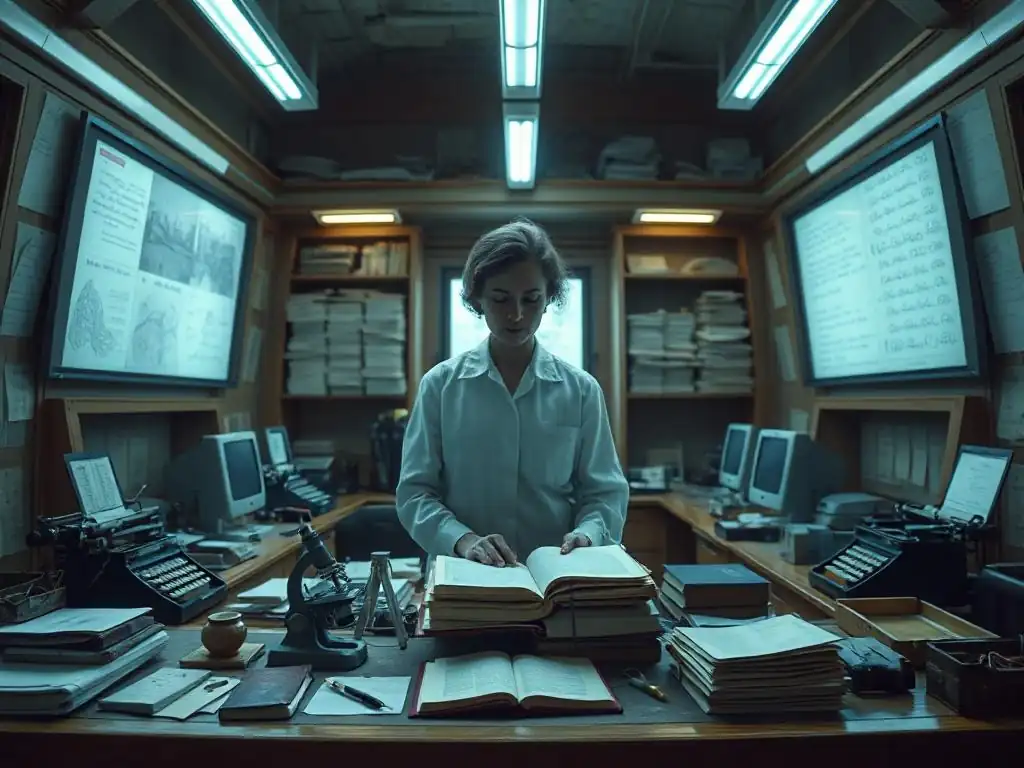
Dive into the fascinating world of women who defied expectations and shaped scientific progress. Discover how groundbreaking research is being preserved and accessed through digital archives women science history, offering unprecedented insights into their lives and work. Are you ready to uncover the hidden stories behind the scientific breakthroughs that changed the world? Explore the rich tapestry of resources and education that awaits!
- Introduction: Empowering Discovery Through Digital Archives of Women in Science History
- The Rise of Digital Archives in Preserving Women's Scientific Contributions
-
Key Digital Archives Dedicated to Women in Science History
- Smithsonian Institution Archives: A Deep Dive into Diverse Scientific Achievements
- Schlesinger Library, Radcliffe Institute: Showcasing the Pioneering Work of Women Scientists in Various Fields
- Niels Bohr Library & Archives, American Institute of Physics: A Comprehensive Resource for Physics and Women's Contributions
- Tracing Scientific Breakthroughs: Case Studies from Digital Archives
- Navigating and Utilizing Digital Archives for Research and Education
- The Future of Digital Archives in Women's Science History
- Conclusion: Celebrating Women's Legacy Through Accessible Archives
-
Frequently Asked Questions
- How do digital archives help us understand the history of women in science?
- What types of materials are typically found in digital archives related to women in science history?
- Why is it important to create and maintain digital archives focused on women science history?
- What are some of the challenges faced in creating and managing digital archives related to women in science history?
- How can I contribute to the preservation of women science history through digital archives?
- Final Reflection: Illuminating Legacies Through Digital Preservation
- Unearth Hidden Heroines: Ignite Your Scientific Curiosity!
Introduction: Empowering Discovery Through Digital Archives of Women in Science History
Why Digital Archives Matter for Women in Science History
Historically, the contributions of women in science have often been overlooked, marginalized, or attributed to their male counterparts. Traditional physical archives, while invaluable, often presented barriers to access due to geographical limitations, fragility of documents, and the sheer volume of material requiring manual sifting.
Digital archives, however, represent a paradigm shift, enabling the preservation and global dissemination of countless documents, photographs, and oral histories that illuminate the crucial roles women have played in scientific advancement. They actively work to correct historical oversights, ensuring that the full scope of scientific heritage, including the often-hidden narratives of female pioneers, is brought to light.
The advent of digital platforms democratizes access to these vital records, allowing researchers, students, and the general public from any corner of the globe to explore the intricate details of scientific breakthroughs. This unprecedented accessibility not only broadens the reach of historical research but also fosters a more comprehensive understanding of scientific progress. By making connections across previously disparate collections and enabling sophisticated keyword searches, digital archives women science history facilitate discoveries that might have remained elusive in a purely physical archival landscape, revealing the complex, collaborative, and often challenging journeys of women in scientific fields.
Online archives possess a unique capacity to unveil narratives that were once buried or difficult to piece together. They provide access to a rich tapestry of primary sources—from personal correspondence and detailed lab notes to preliminary findings and institutional records—that offer intimate glimpses into the iterative process of scientific discovery. These materials often reveal the true extent of women's intellectual contributions, their methodologies, and the collaborative networks they formed, challenging simplistic or incomplete historical accounts and presenting a more nuanced picture of scientific endeavor.
The direct impact of making these narratives visible is profound, especially for inspiring future generations. By showcasing the resilience, ingenuity, and groundbreaking achievements of women in science across various disciplines and historical periods, digital archives women science history serve as powerful educational tools. They provide tangible role models, demonstrating that scientific excellence knows no gender and encouraging young women to pursue careers in STEM fields by offering concrete examples of success against historical odds. This visibility is essential for fostering a more inclusive and equitable scientific future.
The Rise of Digital Archives in Preserving Women's Scientific Contributions
The Evolution of Archiving: From Physical to Digital
The journey of archiving scientific history has seen a significant evolution, moving from largely physical collections to increasingly robust digital repositories. Traditional archives, often housed in climate-controlled vaults, faced inherent limitations: documents were susceptible to decay, handling damage, and natural disasters, while access was restricted to those who could physically visit the institution. Early digitization efforts, often driven by the imperative to preserve unique or endangered materials, laid the groundwork for a more comprehensive digital transformation.
This shift has been particularly transformative for scientific records. Digital formats allow for advanced search capabilities, enabling researchers to quickly locate specific terms, concepts, or names across vast collections. The ability to create detailed metadata for each digitized item enhances discoverability, and the creation of virtual collections means that related materials scattered across different institutions can be virtually reunited. This technological leap has fundamentally changed how researchers interact with historical scientific data, making it far easier to piece together the fragmented histories of women scientists whose work might have been dispersed or under-cataloged in the past.
Accessibility and Preservation: Advantages of Digital Archives for Scientific History
One of the most significant advantages of digital archives women science history is their global accessibility. Breaking down geographical barriers, these online platforms allow anyone with an internet connection to explore invaluable collections from anywhere in the world. This democratization of access profoundly broadens the reach of research and education, making the often-overlooked contributions of women in science history universally available to a diverse audience of scholars, students, and enthusiasts, fostering a more inclusive global scientific narrative.
Furthermore, digital archives offer unparalleled advantages in terms of long-term preservation. By creating high-resolution digital copies of fragile original documents, they protect invaluable historical records from the inevitable decay of physical materials, as well as from the risks associated with frequent handling or unforeseen disasters. While digital preservation presents its own set of challenges, such as managing format obsolescence and ensuring data integrity over time, it offers a robust and scalable method for ensuring the longevity of critical historical records, including the pioneering lab notes, correspondence, and research papers of women scientists, for centuries to come.
Key Digital Archives Dedicated to Women in Science History
Smithsonian Institution Archives: A Deep Dive into Diverse Scientific Achievements
The Smithsonian Institution Archives stands as a monumental repository of American scientific history, encompassing an incredibly diverse range of disciplines from the natural sciences to anthropology and space exploration. Its commitment extends to documenting the full spectrum of scientific endeavor, which increasingly includes a dedicated focus on the often-underrepresented contributions of women. Researchers can delve into vast collections that illuminate individual careers, institutional dynamics, and the broader social context in which scientific work unfolded, providing invaluable primary sources for understanding the depth and breadth of women's impact.
Within its extensive holdings, the Smithsonian Institution Archives offers specific collections and finding aids that highlight the significant roles of women in scientific fields. These digital archives women science history provide detailed insights into their professional lives, research methodologies, and the challenges they encountered. The sheer volume of material available allows for in-depth exploration, enabling scholars to reconstruct careers, analyze scientific methodologies, and understand the historical context surrounding women's participation in various scientific disciplines.
Notable Collections within the Smithsonian Institution Archives Featuring Women Scientists
- Mary Vaux Walcott Papers: This collection meticulously documents the work of Mary Vaux Walcott (1860-1940), an American artist and naturalist renowned for her exquisite watercolor paintings of wildflowers. Her scientifically accurate illustrations, published by the Smithsonian Institution, were critical contributions to botany, showcasing both her artistic talent and her rigorous botanical observation.
- Women in Science at the Smithsonian: While not a single collection, the Smithsonian's various units feature numerous records pertaining to women who contributed to or worked within the Institution's scientific pursuits. These records often include correspondence, research notes, and administrative documents that detail the careers of early female curators, researchers, and scientific illustrators.
- National Museum of Natural History Collections: Within the broader collections of the National Museum of Natural History, researchers can find records of expeditions, specimen collections, and research projects where women played integral, though sometimes understated, roles. These records provide context for understanding women's involvement in field biology, paleontology, and taxonomy.
Schlesinger Library, Radcliffe Institute: Showcasing the Pioneering Work of Women Scientists in Various Fields
The Schlesinger Library, a prominent research library at the Radcliffe Institute for Advanced Study at Harvard University, is renowned for its unparalleled focus on the history of women in America. This specialization naturally extends to chronicling the significant scientific contributions of women across various disciplines. Its rich holdings provide a holistic view of women's professional and personal lives, offering invaluable primary source materials that detail their scientific journeys, methodologies, and the societal barriers they navigated.
The library houses papers from numerous pioneering women scientists, offering deep insights into their groundbreaking work. For instance, the extensive records of Alice Hamilton (1869-1970), a foundational figure in industrial medicine and the first woman appointed to the Harvard faculty, provide meticulous documentation of her research into occupational diseases and her tireless advocacy for public health.
Similarly, the papers of Margaret Mead (1901-1978), a celebrated anthropologist whose work often intersected with biological and social sciences, offer a rich understanding of her field research and theoretical contributions. These digital archives women science history are essential for understanding the intellectual and practical contributions of women who shaped their respective fields.
Navigating the Schlesinger Library: Tips for Researchers and Educators
- Utilize Detailed Finding Aids: The Schlesinger Library provides extensive online finding aids and collection descriptions. Thoroughly exploring these documents can pinpoint specific materials related to women in science, offering a roadmap to the most relevant boxes and folders within larger collections.
- Keyword Searches: Employ a range of specific keywords within their digital catalog, such as "women in science," "medicine," "biology," "chemistry," or the names of individual women scientists. Combining these terms with dates or institutional affiliations can refine search results.
- Explore Oral Histories: The library boasts a significant collection of oral histories. These transcribed interviews with women scientists and their contemporaries offer unique first-person perspectives on their careers, challenges, and achievements, providing invaluable qualitative data often missing from written records.
Niels Bohr Library & Archives, American Institute of Physics: A Comprehensive Resource for Physics and Women's Contributions
The Niels Bohr Library & Archives, maintained by the American Institute of Physics (AIP), serves as a premier international resource for the history of physics, astronomy, and allied sciences. It is dedicated to preserving the rich heritage of these fields, including actively documenting the often-underrecognized roles and contributions of women. The archive's vast collections include personal papers, institutional records, oral histories, and visual materials that collectively paint a comprehensive picture of scientific development.
Within its comprehensive holdings, the Niels Bohr Library & Archives features significant collections related to groundbreaking women in physics. For example, the papers and oral histories of Chien-Shiung Wu (1912-1997), often referred to as the "First Lady of Physics," document her pioneering experimental work in beta decay that disproved the law of parity conservation, a monumental achievement.
Similarly, materials related to Lise Meitner (1878-1968), the physicist who, with Otto Hahn, discovered nuclear fission, provide critical insights into her intellectual process and the challenges she faced due to both gender and her Jewish heritage during a tumultuous period. These digital archives women science history illuminate fundamental discoveries and the perseverance of women in highly male-dominated scientific landscapes.
Utilizing the Niels Bohr Library & Archives for Educational Purposes
- Oral History Transcripts: The archive's extensive collection of oral history interviews with physicists, many of whom are women, provides direct, personal accounts of their careers, scientific collaborations, and experiences within the scientific community. These transcripts are invaluable for understanding the human element of scientific discovery.
- Emilio Segrè Visual Archives: This vast collection of photographs offers visual context to the history of physics, featuring numerous images of women scientists at work in laboratories, at conferences, and in academic settings. While not directly linked in the article, these images complement the textual records, bringing the history to life.
- Curated Online Resources and Bibliographies: The Niels Bohr Library & Archives provides curated online resources and bibliographies specifically highlighting women in physics. These guides are excellent starting points for students and educators seeking to explore the contributions of specific individuals or broader themes related to women in the physical sciences.
Tracing Scientific Breakthroughs: Case Studies from Digital Archives
Case Study 1: Barbara McClintock and Her Groundbreaking Research in Genetics
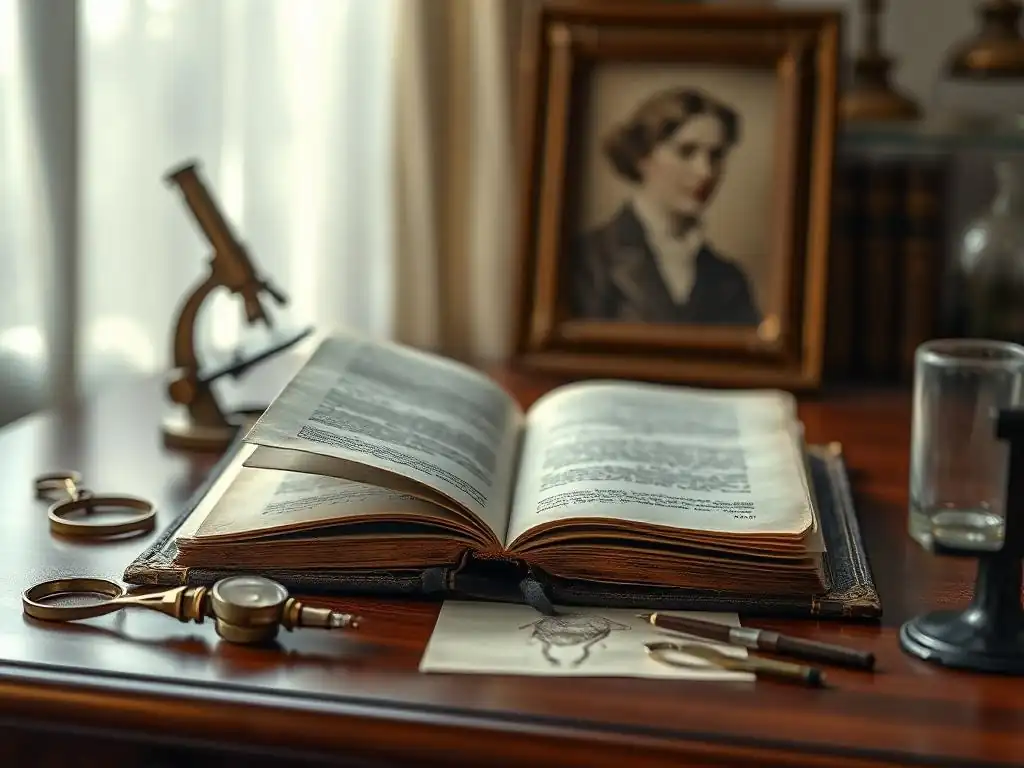
Barbara McClintock (1902-1992) was a pioneering American cytogeneticist who received the Nobel Prize in Physiology or Medicine in 1983 for her groundbreaking discovery of transposable elements, or "jumping genes." Her meticulous research, primarily conducted on maize, revealed that genes could move positions on a chromosome, impacting gene expression. This concept was initially met with skepticism from the scientific community, as it challenged the prevailing static view of the genome, but was eventually recognized as a fundamental insight into genetics.
Digital archives provide an unparalleled window into McClintock's scientific process, offering direct access to the primary sources that document her revolutionary work. Her extensive collection of lab notebooks, correspondence, and research papers, particularly those housed at the American Philosophical Society, reveal the depth of her observational skills, the rigor of her experimental design, and the slow, deliberate progression of her ideas. These digital archives women science history allow researchers to trace the evolution of a scientific breakthrough from initial hypothesis to widely accepted theory, highlighting the perseverance required in the face of intellectual resistance.
Uncovering the Details in the American Philosophical Society Digital Archive
- Lab Notebooks (1927-1981): Digitized versions of McClintock's detailed lab notebooks provide a granular view of her daily experiments, observations, and initial interpretations. These records are invaluable for understanding the iterative nature of scientific discovery and her meticulous approach to cytogenetics.
- Correspondence: Letters exchanged with colleagues and mentors reveal the scientific discourse surrounding her work, including the initial skepticism and the eventual embrace of her revolutionary findings. This correspondence provides context for the intellectual environment in which she operated.
- Research Papers and Manuscripts: Drafts and final versions of her scientific publications are available, showcasing the precise language and rigorous argumentation she employed to present her complex findings, from early theoretical concepts to fully developed theories of genetic transposition.
Case Study 2: The Collaborative Work of Women Scientists in the Manhattan Project
The Manhattan Project, the top-secret World War II research and development undertaking that produced the first nuclear weapons, involved a vast, collaborative effort that extended far beyond its most famous male leaders. While figures like J. Robert Oppenheimer are widely recognized, countless women scientists, mathematicians, chemists, physicists, and technicians played crucial, albeit often uncredited, roles. These women contributed to every facet of the project, from theoretical calculations and chemical separations to engineering design and computational analysis, often working under immense pressure and strict secrecy.
Digital archives, particularly those maintained by governmental bodies, are instrumental in revealing the collective and often hidden contributions of these women. Records from the National Archives and Records Administration (NARA), for instance, document the diverse roles women occupied across various project sites like Los Alamos, Oak Ridge, and Hanford. By accessing these digital archives women science history, researchers can piece together the stories of these unsung heroines, gaining a more complete and accurate understanding of the monumental scientific undertaking and the significant impact of female collaboration in a time of national crisis.
Documenting Collaboration: Archival Evidence from the National Archives and Records Administration
- Personnel Records: Digitized personnel files and employment records from the various Manhattan Project sites often list women employed in scientific, technical, and administrative roles, providing concrete evidence of their presence and responsibilities within the highly classified endeavor.
- Technical Reports: Numerous declassified technical reports and memoranda detail specific experiments, calculations, and engineering tasks. Within these documents, the contributions of women scientists to areas like uranium enrichment, plutonium production, and bomb design are often documented, sometimes directly attributed.
- Meeting Minutes and Internal Correspondence: Records of project meetings, internal communications, and inter-departmental memoranda reveal the division of labor and collaborative efforts among project members. These documents can provide valuable insights into the contributions of women scientists to specific research problems and their participation in critical discussions.
Case Study 3: Rosalind Franklin: Documenting the Challenges Faced
Rosalind Franklin (1920-1958) was a brilliant British biophysicist and X-ray crystallographer whose work was fundamental to understanding the molecular structures of DNA, RNA, viruses, coal, and graphite. Her meticulous X-ray diffraction images, particularly "Photo 51" of DNA, provided crucial evidence that directly informed James Watson and Francis Crick's model of the DNA double helix. Despite her pivotal contributions, the recognition for her work was largely overshadowed, and she did not share in the Nobel Prize awarded to Watson, Crick, and Maurice Wilkins in 1962, having passed away four years prior.
Digital archives, such as those that might hold her papers (e.g., King's College London archives, though not fully digitized for public access in one central location, illustrate the type of resource that would exist), offer a clearer, more comprehensive picture of Franklin's methodical scientific process and the challenging context in which she worked. These digital archives women science history not only illuminate her scientific brilliance and the precision of her experimental techniques but also provide documentary evidence that can shed light on the systemic gender biases prevalent in mid-20th-century science.
These records can reveal how her contributions were potentially undervalued or overlooked compared to her male colleagues.
Archival Records Revealing Gender Bias in Science
- Lab Notebooks and Research Data: Franklin's detailed lab notebooks and experimental data meticulously document her rigorous crystallography work, showcasing the precision and insight that led to her groundbreaking X-ray images. These records demonstrate the scientific foundation of her contributions.
- Correspondence with Colleagues: Letters exchanged with her scientific collaborators and other colleagues might reveal the dynamics of her professional relationships, potential instances of intellectual property disputes, or subtle forms of exclusion and undervaluation that were common for women in science at the time.
- Institutional Records: Departmental meeting minutes, administrative documents, or internal reports from institutions where Franklin worked (such as King's College London or Birkbeck College) can sometimes offer insights into how women were treated differently in terms of resources, recognition, or career opportunities compared to their male counterparts.
Effective Search Strategies for Finding Relevant Information
Navigating the vast landscape of digital archives women science history requires strategic approaches to uncover relevant information. Researchers should employ a variety of search terms, moving beyond obvious phrases like "women in science" to include specific disciplines (e.g., "female biochemists," "women astronomers"), historical periods, and the names of known women scientists or their collaborators. Utilizing Boolean operators (AND, OR, NOT) can significantly refine searches, allowing for the inclusion or exclusion of specific terms to narrow down results effectively. Filtering by date ranges, collection types (e.g., correspondence, lab notes, photographs), or institutional affiliations can further streamline the discovery process.
Beyond simple keyword searches, it is crucial to delve into the detailed collection descriptions, finding aids, and subject headings provided by the archives themselves. Archivists meticulously catalog materials, and their descriptive metadata often contains valuable context and keywords that might not be immediately apparent through a general search. Understanding the hierarchical structure of an archive—from the broad collection level down to individual items—can lead to the discovery of hidden gems that might not be directly indexed by typical search engines but are crucial for a comprehensive understanding of women's scientific contributions.
Evaluating the Credibility and Accuracy of Archival Resources
While digital archives women science history offer unprecedented access to primary sources, the critical skill of source evaluation remains paramount. Researchers must diligently assess the provenance, authenticity, and contextual information of every document. This involves checking for clear attribution of the original source, understanding any accompanying archivist's notes or descriptive summaries, and cross-referencing information with other reliable historical accounts or scholarly publications. A document's credibility is often enhanced by its direct connection to the individual or institution it purports to represent.
Furthermore, it is essential to consider the creator's perspective and potential biases inherent within the historical documents themselves. A letter written by a male colleague about a female scientist, for instance, might reflect prevailing societal attitudes or professional rivalries, differing significantly from the female scientist's own notes or a modern interpretation. Critical analysis involves not just understanding what the document says, but who created it, why, and for whom. This nuanced approach ensures that the historical narratives derived from digital archives are as accurate and comprehensive as possible, avoiding perpetuation of historical inaccuracies or biases.
Integrating Digital Archives into Educational Curricula
Digital archives are powerful tools for enriching educational experiences across various levels, from K-12 to university courses. Educators can leverage these resources to teach students fundamental historical research methods, critical thinking skills, and the true nature of scientific inquiry as an iterative, often challenging, human endeavor. Assigning students to analyze specific primary source documents, such as a pioneering woman scientist's lab notes or personal correspondence, can bring history to life, allowing them to directly engage with the raw materials of scientific discovery and understand how knowledge is constructed.
Moreover, integrating digital archives women science history into curricula makes history more engaging and relatable. By directly interacting with the words, thoughts, and even sketches of women who defied societal norms to make significant scientific contributions, students can develop a deeper appreciation for their struggles, resilience, and triumphs. This direct engagement fosters inspiration, encourages empathy, and cultivates a more inclusive understanding of scientific progress, demonstrating that innovation comes from diverse minds and experiences, and motivating new generations to pursue their own scientific ambitions.
The Future of Digital Archives in Women's Science History
Expanding Access and Inclusivity in Digital Archiving
The future of digital archives women science history lies in continuously expanding both access and inclusivity. Ongoing efforts must prioritize the digitization of materials related to underrepresented groups within science, including women from diverse ethnic, racial, and socioeconomic backgrounds, as well as those from non-Western scientific traditions. This involves actively seeking out and preserving records that might be held in smaller regional institutions, community archives, or even private collections, ensuring that their valuable contributions are not lost to history.
Furthermore, there is a growing imperative to make these archives accessible to a wider global audience. This includes developing multilingual interfaces, collaborating with international partners to share and link collections, and addressing digital divides to ensure that researchers and students worldwide can engage with these resources. The ultimate goal is to foster a truly global and comprehensive understanding of scientific heritage, showcasing the rich and multifaceted tapestry of women's contributions to science across all cultures and historical periods.
The Role of Technology in Enhancing Archival Research
Emerging technologies are set to revolutionize how researchers interact with vast digital collections, significantly enhancing the process of archival research. Artificial Intelligence (AI) and Machine Learning (ML) can enable more sophisticated search capabilities, moving beyond simple keyword matching to identify conceptual connections and patterns across disparate documents. These technologies also hold the potential for automated transcription of historical handwritten notes, making previously illegible or time-consuming materials instantly searchable and analyzable, thereby unlocking vast amounts of previously inaccessible data from digital archives women science history.
The development of linked data and semantic web technologies promises to create a more interconnected and intelligent web of historical information. This would allow researchers to seamlessly navigate between related collections housed in different archives globally, providing a more comprehensive and holistic view of complex scientific narratives. By linking biographical information, research projects, and institutional affiliations across various repositories, these technologies can illuminate the collaborative networks and intellectual lineages of women scientists with unprecedented clarity, revealing the full extent of their influence and impact.
Ensuring Long-Term Preservation of Digital Records
Ensuring the long-term preservation of digital records is a critical and ongoing challenge for digital archives women science history. Unlike physical documents, digital files are vulnerable to technological obsolescence, data degradation, and cyber threats. Robust strategies are essential to combat these risks, including regular format migration to newer, more stable file types, secure redundant storage across multiple geographic locations, and the implementation of checksum verification to ensure data integrity over time. Without proactive measures, the invaluable digital assets documenting women's scientific heritage could become unreadable or lost.
This crucial task necessitates collaborative efforts between archival institutions, technologists, and funding bodies to develop sustainable models for digital preservation. Investment in infrastructure, staff expertise, and ongoing research into preservation techniques is vital. This commitment ensures that the meticulously digitized papers, photographs, and oral histories of pioneering women scientists remain accessible and usable for future generations of scholars, educators, and the public, safeguarding their legacy against the ephemeral nature of digital information.
Conclusion: Celebrating Women's Legacy Through Accessible Archives
The Importance of Continued Support for Digital Archiving Initiatives
The profound impact of digital archives women science history in bringing to light the often-marginalized stories of women in science cannot be overstated. These platforms have transformed our understanding of scientific history, revealing the ingenuity, perseverance, and intellectual prowess of countless female pioneers. Therefore, continued financial, technological, and institutional support is not merely beneficial but absolutely vital for the ongoing growth, maintenance, and innovation of these invaluable resources. This sustained commitment ensures that the digital infrastructure remains robust and the collections continue to expand, capturing more of the diverse contributions that have shaped scientific progress.
Investing in these digital archiving initiatives is not just about preserving the past; it is fundamentally about shaping a more equitable and informed future. By actively supporting the digitization and accessibility of women's scientific heritage, we ensure that their groundbreaking work, their challenges, and their inspiring journeys are not only recognized and celebrated but also actively used to inform, educate, and motivate new generations of scientists. This commitment solidifies their rightful place in the annals of science and encourages a more inclusive historical narrative.
Inspiring Future Generations Through Digital Access to Scientific History
The transformative power of digital access lies in its ability to connect contemporary audiences directly with the primary sources of scientific history. By engaging with the lab notes, correspondence, and personal reflections of pioneering women scientists, students and aspiring researchers can gain a tangible understanding of the scientific process and the human stories behind major discoveries. This direct interaction demystifies scientific careers and provides compelling, tangible proof of women's capabilities and profound contributions, demonstrating that scientific excellence is not limited by gender.
Ultimately, digital archives women science history are more than just historical repositories; they are living testaments that continue to educate and inspire. They serve as powerful reminders that scientific discovery is a complex, collaborative, and deeply human endeavor, enriched immensely by the diverse talents, perspectives, and relentless dedication of women from all walks of life. By ensuring their continued accessibility, we empower future generations to recognize, celebrate, and build upon the remarkable legacies of women in science, fostering an inclusive scientific community that values all contributions equally.
Frequently Asked Questions
How do digital archives help us understand the history of women in science?
Digital archives provide unprecedented access to primary source materials, such as lab notebooks and correspondence, offering direct insights into women's scientific contributions and experiences. This helps uncover previously hidden stories.
These archives often contain digitized versions of manuscripts, letters, photographs, lab notes, and publications that document the lives and work of female scientists. These materials offer valuable context to their achievements.
Why is it important to create and maintain digital archives focused on women science history?
It's crucial for preserving their legacies, ensuring their contributions are recognized, and inspiring future generations of female scientists. These archives help correct historical imbalances in scientific narratives.
Challenges include securing funding, obtaining permissions to digitize materials, and ensuring accessibility and discoverability of the archive for researchers and the public. Overcoming these hurdles is essential.
How can I contribute to the preservation of women science history through digital archives?
You can donate relevant materials to archives, volunteer your time to digitization projects, or support organizations dedicated to preserving and promoting the history of women in science. Every contribution makes a difference.
Final Reflection: Illuminating Legacies Through Digital Preservation
The journey from scattered lab notes to a cohesive digital archive is more than just a technological feat; it's a powerful act of historical reclamation. By meticulously preserving the scientific contributions of women, often overlooked in traditional narratives, we are actively reshaping our understanding of scientific progress and its true architects. This effort ensures that their groundbreaking work, once confined to dusty shelves, now shines brightly for future generations to learn from and build upon.
The impact of making these digital archives accessible is profound. It not only rectifies historical imbalances but also serves as a potent source of inspiration for aspiring scientists, particularly young women. Witnessing the tangible impact of these pioneers, their struggles and triumphs, fosters a deeper connection to the scientific heritage and empowers future generations to break barriers. History, despite its wrenching pain, cannot be unlived, but if faced with courage, need not be lived again.
- Maya Angelou. This quote resonates deeply with the mission of digital archives, ensuring that past injustices inform a more equitable future.
Now, consider the power you hold to contribute to this ongoing legacy. Reflect on the stories that resonate with you, the voices that deserve to be amplified. What steps can you take, however small, to support the preservation and accessibility of these crucial narratives? Let us all commit to being active participants in shaping a future where the contributions of all scientists, regardless of gender or background, are celebrated and remembered.
Thank you for diving into the fascinating world of scientific discoveries spearheaded by women! We hope this article has sparked a newfound appreciation for their contributions and the vital role of digital archives in preserving their legacies. Now, let's turn that inspiration into action!
Here are a few ways to continue exploring and celebrating these unsung heroes:
- Nominate a pioneering woman scientist from your community to be featured on our website. Let's amplify local stories and expand our collective knowledge.
- Delve into the digital archives of a scientific society and uncover hidden gems – you might just find the next groundbreaking discovery waiting to be brought to light!
- Share this article with three friends or colleagues who appreciate the power of history and the importance of recognizing women in science.
Which lesser-known female scientist will you research next, and how will you share her story with the world?