
Marie Curie: Biographies That Detail Her Fight in a MaleDominated Arena

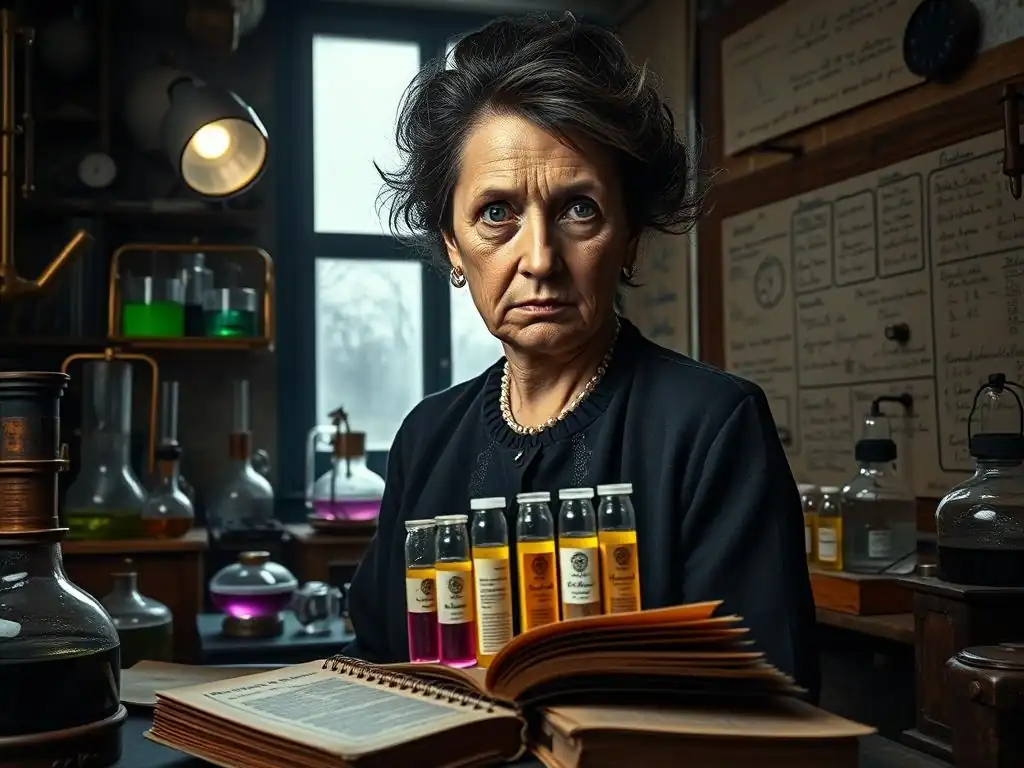
Welcome to WomenInScienceHistory.com!
Dive into the untold stories of women who shaped the scientific world. We're passionate about bringing their achievements to light, and in this article, we explore the remarkable life of Marie Curie. But beyond her groundbreaking discoveries, what were the Marie Curie sexism challenges career she faced navigating a male-dominated field? Uncover the realities of her journey and discover the strength and determination that propelled her to greatness. Prepare to be inspired and challenged as we delve into the biography of a true pioneer.
- Marie Curie: Biographies Detailing Her Fight in a Male-Dominated Arena
- Discovering Marie Curie: Top Biographies Exploring Gender Bias & Scientific Achievements
- Navigating the Marie Curie Biography Landscape: Key Considerations
- Recommended Marie Curie Biographies: Exploring Gender Bias & Triumph
- Beyond the Biographies: Further Resources for Understanding Marie Curie's Struggles
- Conclusion: Celebrating Marie Curie's Legacy and Continuing the Fight Against Gender Bias in Science
-
Frequently Asked Questions
- What were some of the sexism challenges Marie Curie faced in her early career?
- How did the male-dominated arena impact Marie Curie's access to funding and resources?
- Did Marie Curie experience sexism even after achieving international fame for her scientific discoveries?
- How did Marie Curie's experience with sexism impact other women in science during her time?
- What lessons can we learn from Marie Curie's story about overcoming career challenges related to gender discrimination in STEM?
- Final Reflection: Enduring Legacy of Resilience
- Unveil Your Inner Curie: Ignite Your Scientific Passion!
Marie Curie: Biographies Detailing Her Fight in a Male-Dominated Arena
Discovering Marie Curie: Top Biographies Exploring Gender Bias & Scientific Achievements
Why Read a Marie Curie Biography? Understanding Her Struggle Against Gender Bias
Reading a biography of Marie Curie offers an unparalleled opportunity to delve into the historical context of her groundbreaking scientific achievements, which were accomplished against a backdrop of significant societal and academic resistance. These detailed accounts illuminate how, despite her extraordinary intellect and relentless dedication, she frequently encountered systemic gender bias that sought to diminish her contributions and impede her progress. Understanding the "Marie Curie sexism challenges career" narrative is crucial to appreciating the full scope of her genius and resilience.
Furthermore, biographies provide invaluable insights into the specific obstacles Curie faced, from limited access to education and laboratories in her early life to outright discrimination and public scrutiny during her most productive years. Her story is not merely a chronicle of scientific discovery but a powerful testament to perseverance in the face of adversity. For aspiring female scientists today, her journey through the "Marie Curie sexism challenges career" serves as a profound source of inspiration, demonstrating that brilliance and determination can surmount even deeply entrenched prejudices.
When selecting a Marie Curie biography, the credibility of the author and the thoroughness of their research are paramount. Reputable biographers, often historians of science or established writers, invest years in meticulous archival research, consulting primary sources such as Curie's personal letters, laboratory notebooks housed at institutions like the Bibliothèque Nationale de France, and original scientific papers. This deep dive ensures that the narrative is not only compelling but also historically accurate, providing a reliable account of the "Marie Curie sexism challenges career" she endured.
Additionally, a strong indicator of a biography's reliability is the presence of extensive bibliographies and detailed citations, which allow readers to verify information and explore the sources themselves. Before committing to a particular book, it is highly advisable to check academic reviews and critical analyses from respected literary and scientific publications. These reviews often highlight the book's strengths in addressing specific aspects of Curie's life, including how effectively it portrays the "Marie Curie sexism challenges career" she faced, offering a balanced perspective on its scholarly merit and narrative quality.
Focusing on the "Marie Curie Gender Bias Scientific Career" Narrative: Specific Aspects to Look For
To truly grasp the impact of gender bias on Marie Curie's professional journey, readers should seek biographies that explicitly and extensively address the discrimination she encountered throughout her "Marie Curie sexism challenges career." Look for detailed accounts of specific incidents, such as her initial struggle for recognition and adequate funding for her research, or the societal pressure she faced as a woman in a male-dominated scientific field.
For example, the infamous rejection by the French Academy of Sciences in 1911, where she lost a seat by a single vote to a male colleague, is a stark illustration of the institutional barriers she confronted, despite being a Nobel laureate.
Furthermore, pay close attention to how biographies portray her efforts to secure academic positions and her interactions with male colleagues and mentors. While some male scientists, like Pierre Curie, were supportive, many others reflected the prevailing patriarchal attitudes of the late 19th and early 20th centuries. Narratives that delve into these complex relationships and the subtle, often overt, ways in which her gender affected her professional standing, access to resources, and public perception will provide the most comprehensive understanding of the "Marie Curie sexism challenges career" she navigated.
Recommended Marie Curie Biographies: Exploring Gender Bias & Triumph

Marie Curie: A Life by Susan Quinn: A Comprehensive Overview of Her Career & Gender Bias
Susan Quinn's Marie Curie: A Life is widely regarded as a definitive biography, offering a meticulously researched and comprehensive overview of Curie's personal life, her groundbreaking scientific work, and the pervasive gender bias she encountered. Quinn masterfully weaves together the scientific triumphs with the profound "Marie Curie sexism challenges career" she faced, from her humble beginnings in Warsaw to her dual Nobel Prizes and beyond. The book meticulously details her isolation of polonium and radium, a monumental feat requiring the processing of tons of pitchblende, and the immense physical toll it took.
The biography highlights numerous specific examples that illustrate the formidable obstacles Marie Curie overcame. Quinn details the public and scientific skepticism that often greeted her discoveries, not simply because they were revolutionary, but often because they originated from a woman. A particularly poignant example is the scandal surrounding her relationship with physicist Paul Langevin in 1911, which led to intense public condemnation and calls for her expulsion from France, threatening her scientific standing and highlighting the extreme double standards applied to women in public life and science.
Marie Curie: A Daughter's Tale by Hélène Langevin-Joliot: A Personal Perspective on Her Mother's Life and Challenges
While not written by Marie Curie's direct daughter, Marie Curie: A Daughter's Tale by Hélène Langevin-Joliot, her granddaughter and a distinguished physicist herself, offers a unique and intimate perspective on the legendary scientist's life and her "Marie Curie sexism challenges career." Drawing on family archives, letters, and personal recollections, Langevin-Joliot provides a nuanced portrayal that goes beyond the public persona, revealing the private struggles and sacrifices made by a woman dedicated to both family and science. This perspective provides an invaluable layer of understanding of her legacy.
The book offers a compelling focus on Marie Curie's private life, her devotion as a mother to Irène and Eve, and the profound impact her demanding scientific career had on her family. It sheds light on the immense personal sacrifices Curie made, particularly after Pierre's tragic death, as she balanced raising two daughters with leading pioneering research in radioactivity. This intimate account offers unique insights into the emotional and personal toll of her "Marie Curie sexism challenges career," demonstrating how societal expectations for women affected even a scientist of her unparalleled caliber.
Madame Curie: A Biography by Eve Curie: An Early Account of Her Mother's Life
Madame Curie: A Biography, written by Marie Curie's younger daughter, Eve Curie, shortly after her mother's death in 1934 and published in 1937, stands as one of the earliest and most influential accounts of her life. Eve, a journalist and concert pianist, had direct access to her mother's personal papers and a deep, personal understanding of her character, enabling her to craft a narrative that quickly became a bestseller and introduced Marie Curie's heroic story to a global audience. The book is a tender tribute and a powerful portrayal of resilience.
While perhaps less academically analytical of the "Marie Curie sexism challenges career" than modern scholarly works, Eve's narrative powerfully communicates the immense challenges and triumphs through her mother's relentless dedication. It highlights Marie Curie's groundbreaking achievements, such as the discovery of two new elements and her subsequent Nobel Prizes, alongside the immense physical toll of her work with radioactive materials, which ultimately led to her early passing from aplastic anemia. The biography captures the spirit of a woman who defied the societal and scientific expectations of her time to achieve unprecedented scientific greatness.
Beyond the Biographies: Further Resources for Understanding Marie Curie's Struggles
Archival Footage and Interviews: Visualizing the "Marie Curie Gender Bias Scientific Career" Story
Beyond written biographies, various documentaries and films offer powerful visual insights into Marie Curie's life and the "Marie Curie sexism challenges career" she faced. Documentaries such as "Marie Curie: The Courage of Knowledge" (2016) often incorporate rare archival footage, photographs, and interviews with historians and scientists. These visual narratives can vividly convey the scientific environment of the late 19th and early 20th centuries, as well as the pervasive societal attitudes that often marginalized women in science, making her isolation and persistent struggles palpable.
Furthermore, dramatized films like "Radioactive" (2019), starring Rosamund Pike, provide an artistic interpretation of her experiences, including the gender bias she encountered. While fictionalized, these cinematic portrayals often strive for historical accuracy in depicting the scientific community's dismissive attitudes towards women, the intense public scrutiny and scandals she endured, and the immense personal sacrifices inherent in her pioneering research. These films offer a compelling, albeit interpreted, look at her journey through the "Marie Curie sexism challenges career."
Online Archives and Academic Articles: Deeper Dives into Curie's Professional Struggles
For those seeking a more in-depth understanding of Marie Curie's professional struggles and the "Marie Curie sexism challenges career," numerous online archives and academic articles provide invaluable resources. Reputable online platforms such as the Nobel Prize website offer extensive information, including her Nobel Lectures, acceptance speeches, and detailed biographical notes. The American Institute of Physics (AIP) and the Archives Curie and Joliot-Curie at the Musée Curie in Paris provide digitized access to some of her original papers, correspondence, and laboratory notes, offering primary insights into her daily professional life and the systemic obstacles she adeptly navigated.
Additionally, searching for academic articles on scholarly databases, like JSTOR or Google Scholar, can yield peer-reviewed analyses that specifically delve into the sociological and historical aspects of the gender bias encountered by Marie Curie within the scientific community. These scholarly works often examine how her gender influenced everything from her eligibility for prestigious awards and funding opportunities to her reception by male peers and the broader public. Such resources offer a critical lens through which to understand the profound "Marie Curie sexism challenges career" she surmounted.
Conclusion: Celebrating Marie Curie's Legacy and Continuing the Fight Against Gender Bias in Science
Reflecting on Curie's Impact: Inspiring Future Generations of Women in STEM
The recommended biographies and supplementary resources collectively paint a vivid picture of Marie Curie's extraordinary scientific brilliance and the profound "Marie Curie sexism challenges career" she overcame. Her story is a powerful testament to human perseverance against systemic barriers, demonstrating that even a recipient of two Nobel Prizes could face significant discrimination based solely on her gender. Learning from her experiences is not just about appreciating history, but also about understanding the enduring nature of bias.
Ultimately, Marie Curie's legacy extends far beyond her groundbreaking discoveries of radioactivity; it serves as an enduring beacon for aspiring women in science and a powerful reminder of the ongoing fight for equity in STEM fields. By exploring these rich resources, readers can gain a deeper appreciation for her monumental contributions and be inspired to continue the essential work of challenging gender bias in science today. Her journey through the "Marie Curie sexism challenges career" remains a vital narrative for all who champion progress and equality.
Frequently Asked Questions
What were some of the sexism challenges Marie Curie faced in her early career?
She faced immense gender bias and was often denied opportunities afforded to her male peers. Her contributions were frequently attributed to her husband, Pierre.
How did the male-dominated arena impact Marie Curie's access to funding and resources?
It severely limited her access to research grants and laboratory space. She had to fight tirelessly for the recognition and resources she deserved.
Did Marie Curie experience sexism even after achieving international fame for her scientific discoveries?
Yes, despite winning Nobel Prizes, she still faced discrimination and skepticism regarding her abilities. The academic community often questioned her leadership and expertise.
How did Marie Curie's experience with sexism impact other women in science during her time?
Her struggles highlighted the systemic inequalities faced by women in scientific fields. This helped raise awareness and paved the way for greater opportunities for future female scientists.
Her perseverance demonstrates the importance of resilience and determination in the face of adversity. Her story inspires us to challenge gender biases and promote inclusivity in science.
Final Reflection: Enduring Legacy of Resilience
The story of Marie Curie, as explored in this article, resonates powerfully today because the fight for gender equality in STEM fields is far from over. While progress has been made, the systemic biases and challenges she faced continue to subtly, and sometimes overtly, hinder women's advancement in science. Curie's unwavering dedication serves as a potent reminder of the tenacity required to overcome these obstacles and achieve groundbreaking discoveries.
The impact of Curie's life extends far beyond her scientific achievements; it has profoundly shaped the cultural landscape, inspiring generations of women to pursue their passions despite societal pressures. Her story is a testament to the power of perseverance and a constant reminder that true genius transcends gender. Nothing in life is to be feared, it is only to be understood. Now is the time to understand more, so that we may fear less.
This quote encapsulates Curie's fearless approach to both science and life, a spirit that continues to empower those facing adversity.
As you reflect on Marie Curie's journey, consider the barriers, both visible and invisible, that still exist in your own fields and communities. How can you, inspired by her unwavering spirit, actively contribute to creating a more equitable and inclusive environment for all? Let Curie's legacy be a catalyst for change, prompting you to challenge the status quo and champion the voices of those who are often marginalized. Embrace her courage, and strive to build a future where talent and potential are recognized, regardless of gender.
Unveil Your Inner Curie: Ignite Your Scientific Passion!
Thank you for exploring Marie Curie's inspiring journey with us! We hope you've gained a renewed appreciation for her resilience and groundbreaking contributions. Now, it's your turn to carry the torch of scientific curiosity.
Here are a few ways to honor Marie Curie's legacy and fuel your own scientific spirit:
- Delve deeper into the scientific method: Replicate a simple experiment from Curie's era to truly understand the challenges and triumphs of her research.
- Share this article with a friend or family member and spark a conversation about the importance of women in STEM.
- Explore the scientific accomplishments of other women in history, and create a presentation for your child's school.
What's one small experiment or scientific question you've always wanted to explore? Share your ideas in the comments below!