
PocketFriendly Pioneers: Biographies of Women in Botany & Zoology for Biology Students

Welcome to WomenInScienceHistory.com!
Dive into the captivating world of PocketFriendly Pioneers, where we unearth the extraordinary stories of women in botany and zoology. Discover their remarkable contributions, the obstacles they overcame, and the lasting impact they've had on the scientific landscape. Ready to explore the biographies that every biology student should know? Let's begin!
- Celebrating Women in Science History Through Affordable Biographies
-
Best Affordable Biographies: Women Pioneers in Plant Science and Animal Biology
- 1. "Lab Girl" by Hope Jahren: A Botanical Memoir with a Scientific Heart
- 2. "Silent Spring" by Rachel Carson: A Landmark Work on Zoology and Environmentalism
- 3. "Marie Curie: A Life" by Susan Quinn: A Universal Story of Perseverance
- 4. "The Woman Who Planted Trees: A Story of Wangari Maathai" by Claire A. Nivola: A Biography of Environmental Activism and Botany
- 5. "The Immortal Life of Henrietta Lacks" by Rebecca Skloot: Exploring Cell Biology and Ethical Considerations
- Why Read Biographies of Women in Botany and Zoology?
- Finding More Affordable Biographies: Resources and Tips
- Conclusion: Empowering Future Biologists Through Women's Stories in Science.
-
Frequently Asked Questions
- What is the primary focus of the "Women in Science History" website?
- Why is it important to learn about women in botany and zoology?
- What kind of challenges did women in botany and zoology historically face?
- Can I find resources on the "Women in Science History" website specifically related to botany and zoology?
- How can learning about these "PocketFriendly Pioneers" inspire future generations?
- Final Reflection: Cultivating Seeds of Inspiration
- Ignite Your Curiosity: Unearth the Stories of Science Trailblazers!
Celebrating Women in Science History Through Affordable Biographies
Exploring the rich tapestry of scientific discovery often reveals remarkable stories of perseverance, ingenuity, and groundbreaking achievements. For biology students, delving into the histories of women in science is not just an academic exercise but an inspiring journey that illuminates the diverse paths to scientific greatness. Many of these pioneering women in botany and zoology, alongside other scientific disciplines, overcame significant societal barriers to pursue their passions, leaving an indelible mark on our understanding of the natural world.
This article highlights a selection of affordable biographies that provide invaluable insights into the lives and work of these extraordinary women. These narratives are carefully chosen to be accessible for students, ensuring that financial constraints do not hinder the opportunity to learn from the trailblazers who shaped the fields of plant science and animal biology. By reading these accounts, aspiring biologists can gain a deeper appreciation for the historical context of their studies and draw inspiration from the resilience and intellectual prowess of these often-unsung heroines.
Best Affordable Biographies: Women Pioneers in Plant Science and Animal Biology
For those eager to understand the foundational contributions and personal journeys of leading women in botany and zoology, a well-chosen biography can be an invaluable resource. The following selections offer compelling narratives of scientific discovery, personal struggle, and enduring impact, all while remaining considerate of a student's budget. These books delve into the lives of female pioneers whose work significantly advanced our knowledge in various biological fields, from ecological understanding to cellular mechanisms.
Each biography chosen here provides a window into the challenges and triumphs faced by these remarkable individuals, making their stories relatable and profoundly educational for current and future generations of scientists. They serve as testaments to the fact that groundbreaking scientific work has always been, and continues to be, shaped by diverse voices, including those of exceptional women in botany and zoology.
1. "Lab Girl" by Hope Jahren: A Botanical Memoir with a Scientific Heart
Hope Jahren's "Lab Girl" offers a deeply personal and insightful look into the demanding yet exhilarating life of a geobiologist and paleobotanist. Through vivid prose, Jahren chronicles her unwavering passion for plants, trees, and the earth, detailing the challenges of establishing and maintaining a research laboratory.
She delves into her scientific work, which includes analyzing ancient forests and studying tree rings to understand past climates, often involving meticulous fieldwork and complex stable isotope geochemistry. The book provides a rare and honest glimpse into the realities of scientific research, from the frustrations of grant applications to the profound joy of discovery.
This memoir is particularly compelling for biology students because it humanizes the scientific endeavor, revealing the dedication, grit, and occasional eccentricities required to push the boundaries of knowledge. Jahren's narrative beautifully intertwines her personal story with detailed descriptions of her botanical explorations, making complex ecological and geological concepts accessible and engaging. For aspiring botanists and zoologists, "Lab Girl" serves as a powerful reminder that scientific careers are built on a foundation of curiosity, persistence, and a deep connection to the natural world, showcasing the vibrant life of a leading woman in modern botany.
2. "Silent Spring" by Rachel Carson: A Landmark Work on Zoology and Environmentalism
Rachel Carson's "Silent Spring" is a seminal work that fundamentally reshaped public perception of environmental issues and the impact of human activities on the natural world. As a marine biologist and meticulous researcher, Carson painstakingly documented the devastating effects of synthetic pesticides, particularly DDT, on ecosystems, wildlife, and human health.
Her detailed observations and rigorous scientific analysis, presented in accessible language, highlighted the bioaccumulation of toxins through the food chain and their catastrophic consequences for bird populations, leading to a chilling vision of a "silent spring" devoid of birdsong. Published in 1962, the book sparked widespread public outcry and faced fierce opposition from chemical industries, yet its scientific integrity ultimately prevailed.
Carson's work laid the groundwork for the modern environmental movement and led directly to significant policy changes, including the eventual ban of DDT in the United States and the creation of the Environmental Protection Agency (EPA) in 1970. For students interested in zoology, ecology, and environmental science, "Silent Spring" is not merely a historical document but a timeless lesson in scientific advocacy, ethical responsibility, and the interconnectedness of all life. It demonstrates the profound influence a single individual, a brilliant woman in zoology, can have in challenging established norms and fostering global environmental consciousness.
3. "Marie Curie: A Life" by Susan Quinn: A Universal Story of Perseverance
While Marie Curie is renowned for her groundbreaking work in physics and chemistry, her biography by Susan Quinn offers a universal narrative of scientific dedication and perseverance that resonates deeply with all aspiring scientists, including those in botany and zoology. Curie's relentless pursuit of knowledge led her to discover two new elements, polonium and radium, and to develop the theory of radioactivity.
Her unparalleled achievements include being the first woman to win a Nobel Prize (Physics, 1903) and the only person to win Nobel Prizes in two different scientific fields (Physics and Chemistry, 1911). Despite facing immense gender discrimination and arduous working conditions in her laboratory, she pushed the boundaries of scientific understanding, often performing experiments with dangerous radioactive materials.
Quinn's biography meticulously details Curie's early life in Poland, her struggles as a student in Paris, and her tireless research alongside her husband, Pierre Curie. It also highlights her contributions during World War I, where she pioneered the use of mobile X-ray units, known as "petites Curies," to assist wounded soldiers on the battlefield.
For biology students, Curie's story is a powerful testament to the spirit of scientific inquiry, the importance of rigorous methodology, and the courage required to challenge societal norms. Her legacy inspires not just physicists and chemists, but all who seek to make significant contributions to science, including future women in botany and zoology.
4. "The Woman Who Planted Trees: A Story of Wangari Maathai" by Claire A. Nivola: A Biography of Environmental Activism and Botany
Claire A. Nivola's biography of Wangari Maathai, though originally a children's book, beautifully encapsulates the powerful story of an environmental activist whose work had profound botanical and ecological impacts. Wangari Maathai, a Kenyan environmental and political activist, founded the Green Belt Movement in 1977, an organization focused on community-based tree planting to combat deforestation, soil erosion, and poverty. Her vision was simple yet revolutionary: empower rural women by providing them with tree seedlings and paying them a small stipend for each tree that survived, thereby addressing environmental degradation while simultaneously fostering economic self-sufficiency.
Maathai's efforts led to the planting of over 51 million trees across Kenya, significantly restoring degraded landscapes and improving the livelihoods of countless communities. Her work underscored the vital connection between environmental health, human rights, and democratic governance.
In recognition of her holistic approach to sustainable development, democracy, and peace, she was awarded the Nobel Peace Prize in 2004, becoming the first African woman to receive this honor. For students interested in botany, ecology, and conservation, Maathai's story is a compelling example of how scientific understanding, combined with social activism, can lead to monumental positive change, making her a true pioneer among women in botany and zoology who championed the environment.
5. "The Immortal Life of Henrietta Lacks" by Rebecca Skloot: Exploring Cell Biology and Ethical Considerations
Rebecca Skloot's "The Immortal Life of Henrietta Lacks" is a compelling narrative that intertwines the story of a remarkable woman with the profound scientific and ethical implications of her biological legacy. Henrietta Lacks, an African American woman, had cervical cancer in 1951, and without her knowledge or consent, cells were taken from her tumor for research.
These cells, known as HeLa cells, proved to be immortal—they could grow and divide indefinitely in a laboratory setting, a breakthrough at a time when all other cell lines quickly died. These cells became an indispensable tool in biomedical research, leading to countless scientific advancements.
HeLa cells have been instrumental in developing the polio vaccine, understanding cancer, studying the effects of radiation and toxins, gene mapping, and even space biology. They have been bought and sold by the billions, contributing to over 11,000 patents and generating vast profits for pharmaceutical companies and research institutions, while the Lacks family lived in poverty and remained unaware of Henrietta's pivotal role for decades.
For biology students, this book not only illuminates fundamental concepts in cell biology, virology, and genetics but also provokes critical discussions on bioethics, patient consent, medical racism, and the complex relationship between scientific progress and individual rights. It's a powerful story about the impact of a single individual's biology on global science, offering crucial ethical lessons relevant across all biological disciplines, including for women in botany and zoology who engage with biological samples and data.
Why Read Biographies of Women in Botany and Zoology?
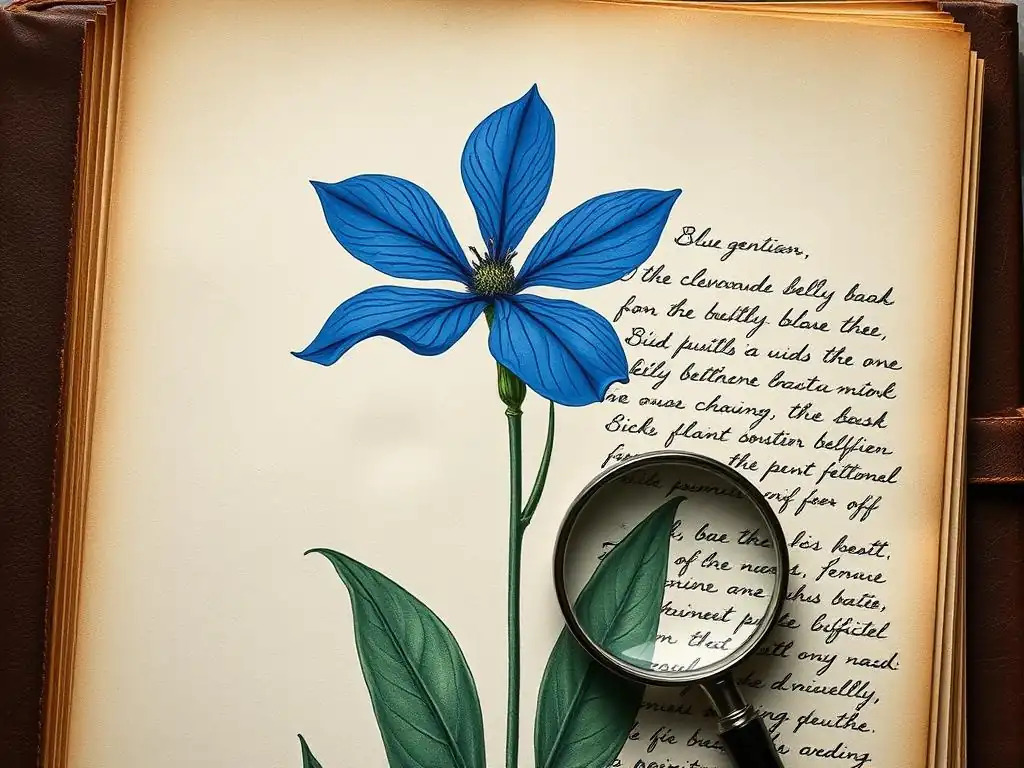
Reading biographies of women in botany and zoology offers numerous benefits for aspiring biologists. Firstly, these narratives provide invaluable historical context, revealing the scientific landscape and societal constraints under which these pioneers operated. Understanding their challenges—such as limited access to education, exclusion from professional societies, and difficulty securing funding or recognition—can offer perspective on the progress made and the work that still lies ahead in achieving gender equity in science. These stories are not just about individual achievements but about the systemic barriers that many talented women had to overcome.
Secondly, these biographies serve as powerful sources of inspiration. Witnessing the resilience, intellectual curiosity, and unwavering dedication of women who pushed the boundaries of plant science and animal biology can motivate current students to pursue their own scientific passions with tenacity. They demonstrate that groundbreaking contributions are possible regardless of background or gender, and that a deep love for science can surmount formidable obstacles. By connecting with these personal journeys, students can envision themselves as part of a continuing legacy of scientific discovery, recognizing the profound impact of women in botany and zoology on our world.
Finding More Affordable Biographies: Resources and Tips
Discovering more compelling and affordable biographies of women in botany and zoology is easier than one might think, even on a student budget. Public libraries are an excellent starting point, offering vast collections of books that can be borrowed for free. Many libraries also provide access to digital e-books and audiobooks, expanding the range of available titles without any cost. These resources are often underutilized but represent a treasure trove of knowledge about female pioneers in plant science and animal biology.
Used bookstores, online second-hand book retailers, and university library sales are also fantastic avenues for finding inexpensive copies. Websites specializing in used books often feature titles at significantly reduced prices, and many offer student discounts. Additionally, some classic biographies of historical figures may be available in the public domain, meaning they can be downloaded for free as e-books. Exploring these options ensures that the stories of remarkable women in botany and zoology are accessible to every aspiring biologist, fostering a deeper appreciation for their contributions without financial strain.
Conclusion: Empowering Future Biologists Through Women's Stories in Science.
The stories of women in botany and zoology, as illuminated through these accessible biographies, offer more than just historical accounts; they provide a powerful roadmap for future generations of scientists. By delving into the lives of these pioneering figures, biology students gain not only knowledge of scientific breakthroughs but also invaluable lessons in resilience, innovation, and advocacy. These narratives underscore the fact that scientific progress is a collective endeavor, enriched by diverse perspectives and the unwavering dedication of individuals who dared to challenge the status quo.
As we continue to celebrate the contributions of women in botany and zoology, we empower aspiring biologists to see themselves reflected in the annals of science. These "pocket-friendly pioneers" remind us that the pursuit of scientific understanding is a journey of passion, perseverance, and profound impact, inspiring students to embark on their own paths of discovery and contribute to the ever-evolving fields of plant and animal biology.
Frequently Asked Questions
What is the primary focus of the "Women in Science History" website?
The site focuses on celebrating the contributions of women to various scientific fields throughout history, particularly by highlighting their biographies and groundbreaking work. It aims to inspire future generations.
Why is it important to learn about women in botany and zoology?
Learning about these women reveals the often overlooked narratives of individuals who made significant contributions to botany and zoology, promoting a more complete understanding of scientific history.
What kind of challenges did women in botany and zoology historically face?
They faced significant challenges due to male-dominated arenas, including limited access to education, research opportunities, and recognition for their scientific achievements.
Yes, the website features biographies and discussions of women who made pioneering contributions to both botany and zoology, offering valuable resources for biology students.
How can learning about these "PocketFriendly Pioneers" inspire future generations?
By highlighting the achievements and overcoming the obstacles faced by women in botany and zoology, the website aims to inspire future scientists and encourage greater diversity and inclusion in STEM fields.
Final Reflection: Cultivating Seeds of Inspiration
The stories of these pocket-friendly pioneers in botany and zoology resonate deeply today, reminding us that groundbreaking scientific contributions are not limited by circumstance or access. Their unwavering dedication, often in the face of societal barriers, serves as a powerful testament to the enduring human spirit and the transformative potential of scientific inquiry. Their legacies are not just historical footnotes; they are vibrant sources of inspiration for aspiring scientists, particularly women, navigating the complexities of STEM fields.
The impact of these women extends far beyond their individual discoveries. Their perseverance has paved the way for greater inclusivity and diversity in science, challenging traditional norms and fostering a more equitable landscape for future generations. The important thing is never to stop questioning.
- Albert Einstein. This quote, while not specifically about women in science, encapsulates the spirit of relentless curiosity that drove these pioneers and continues to fuel scientific progress. Their stories are a constant reminder that questioning, exploring, and challenging the status quo are essential for advancement.
As you delve deeper into the world of biology, remember the lessons learned from these remarkable women. Let their resilience and passion ignite your own scientific curiosity. Consider how you can contribute to a more inclusive and equitable scientific community, ensuring that future generations of scientists, regardless of their background, have the opportunity to flourish and make their own groundbreaking discoveries. The seeds of inspiration have been sown; now, it's up to you to cultivate them.
Ignite Your Curiosity: Unearth the Stories of Science Trailblazers!
Thank you for diving into the lives of these remarkable women! We hope you've been inspired by their passion and perseverance in the fields of botany and zoology. Ready to take the next step?
- Dive deeper: Research one of the featured women and create a short presentation about her life and work. Share it with your class or biology club!
- Explore our website, WomenInScienceHistory.com, for more biographies of women in STEM. You might discover a hidden passion!
- Share this article with fellow biology students and budding scientists. Help us spread the word about these amazing role models!
Which woman's story resonated with you the most, and what impact do you think her discoveries have on the world today?