
Animated Ambition: How Cartoons are Shaping Young Girls' Views of Science Careers

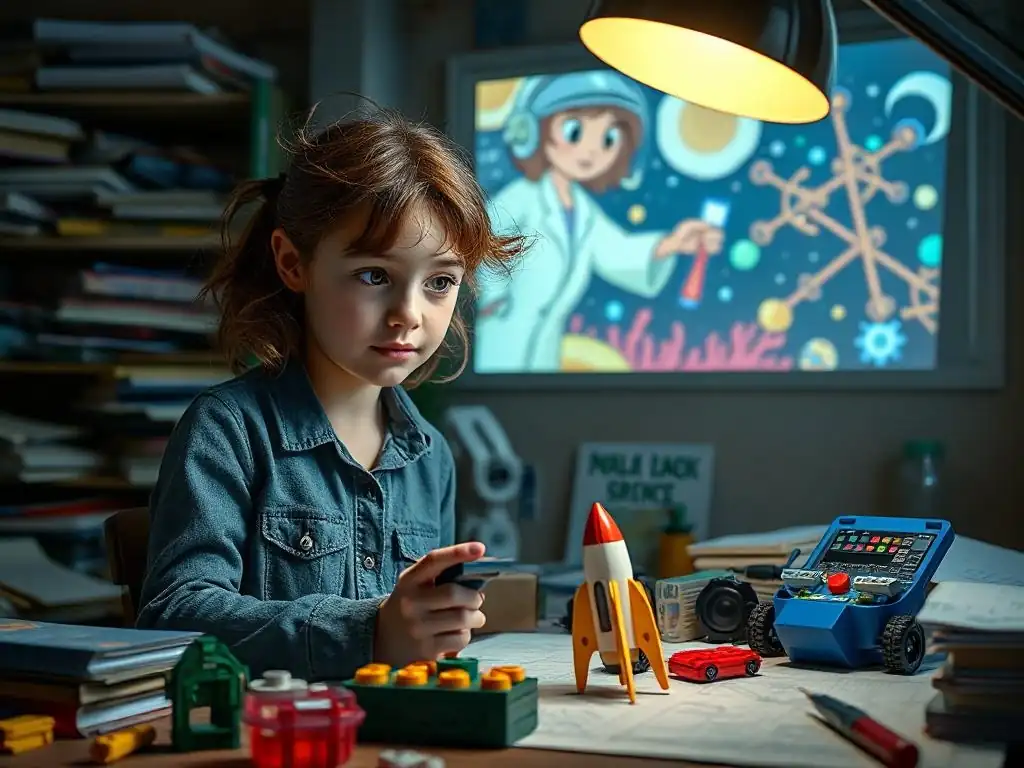
Welcome to WomenInScienceHistory.com, where we unearth the remarkable stories of women who have shaped the scientific landscape! Dive into a world of groundbreaking discoveries and inspiring resilience. Are cartoons shaping the next generation of female scientists? Today, we explore just that in " Animated Ambition: How Cartoons are Shaping Young Girls' Views of Science Careers." Discover how these narratives are influencing young minds and potentially paving the way for a more diverse future in STEM. Intrigued? Keep reading to uncover the fascinating connection!
- Introduction: The Power of Cartoons in Shaping Perceptions of STEM Careers
- The Evolution of Female Scientists in Animation
- Positive Impacts: Inspiring Girls to Pursue STEM
- Negative Impacts: Potential Pitfalls and Considerations
- Case Studies: Analyzing Specific Cartoons and Their Influence
- Beyond Cartoons: Complementary Efforts to Encourage Girls in STEM
- Conclusion: Nurturing Animated Ambition for Future Female Scientists
-
Frequently Asked Questions
- How can cartoons influence young girls' views of science careers?
- What are some common stereotypes about scientists that cartoons might perpetuate, even unintentionally?
- Why is it important to have diverse representations of female scientists in cartoons?
- What role can parents and educators play in guiding children's understanding of science careers after watching cartoons?
- How does "WomenInScienceHistory.com" contribute to promoting accurate portrayals of women in science?
- Final Reflection: Inspiring Scientific Dreams
- Ignite Your Inner Scientist!
Introduction: The Power of Cartoons in Shaping Perceptions of STEM Careers
Cartoons, often dismissed as mere entertainment, hold a profound influence on the developing minds of young children. From early childhood, animated narratives become powerful conduits for conveying societal norms, gender roles, and career aspirations. For young girls, the characters they see on screen can significantly shape their understanding of what is possible, particularly regarding traditionally male-dominated fields like science, technology, engineering, and mathematics (STEM). The evolving portrayal of female characters in animation, especially those in scientific roles, directly impacts how young girls envision their own futures and whether they see themselves pursuing dynamic Girls cartoon science careers.
This article explores the transformative role of animated media in influencing young girls' perceptions of science. We will delve into the historical context of female representation in cartoons, analyze the positive and negative impacts of these portrayals, and examine specific case studies of animated shows that have either challenged or reinforced stereotypes. Ultimately, understanding this influence is crucial for fostering a new generation of female scientists, innovators, and leaders, ensuring that the ambition sparked by animated characters translates into tangible real-world pursuits for girls in science.
The Evolution of Female Scientists in Animation
Early Depictions: Stereotypes and Limited Roles
In the nascent decades of animation, the representation of women in scientific or intellectually demanding roles was exceedingly rare, often bordering on non-existent. When female characters did appear in contexts vaguely related to science, their roles were typically relegated to secondary, supportive capacities, or they were portrayed with eccentricities that undermined their intellectual credibility.
For instance, classic cartoons from the mid-20th century rarely featured women as lead scientists or innovators; instead, they might appear as assistants, lab technicians in the background, or as domestic figures applying rudimentary "science" in a household context. This scarcity reflected and reinforced the prevailing societal view that scientific pursuits were predominantly male domains.
These early portrayals often relied on broad stereotypes, presenting female characters as less capable, overly emotional, or primarily concerned with domestic matters rather than intellectual exploration. The absence of strong, intelligent female scientists in popular children's media inadvertently sent a message that Girls cartoon science careers were not a viable or desirable path. This lack of positive, aspirational role models meant that generations of young girls grew up without seeing themselves reflected in positions of scientific authority or innovation, potentially limiting their own perceived career possibilities from a very young age.
Modern Cartoons: Empowering and Diverse Representations
The landscape of animation has undergone a significant transformation in recent decades, moving towards more empowering and diverse representations of female characters, particularly within STEM fields. Contemporary animated series are increasingly featuring girls and women as central figures who are intelligent, curious, and actively engaged in scientific discovery. This shift is often a deliberate choice by creators to challenge outdated gender norms and inspire young audiences to explore all career paths, regardless of gender. These modern depictions often showcase female characters leading experiments, solving complex problems, and demonstrating deep knowledge in various scientific disciplines.
For example, shows like Doc McStuffins (premiered 2012) and Ada Twist, Scientist (premiered 2021) explicitly place young girls at the forefront of scientific inquiry. Doc McStuffins, an African-American girl, "fixes" her toys, embodying the role of a compassionate doctor and problem-solver. Ada Twist, also a young Black girl, is an inquisitive scientist who uses observation and experimentation to understand the world around her.
These characters are not just present; they are protagonists whose narratives revolve around their scientific curiosity and capabilities. This intentional focus on Girls cartoon science careers helps normalize the idea that science is for everyone, fostering a sense of belonging and capability among young female viewers.
Positive Impacts: Inspiring Girls to Pursue STEM
Role Models in Animation: Competent and Inspiring Characters
The emergence of competent and inspiring female characters in animated shows plays a crucial role in shaping young girls' perceptions of science. When girls see characters who look like them, or who represent diverse backgrounds, excelling in scientific endeavors, it provides powerful visual validation.
These animated role models are often depicted as intelligent, resourceful, and passionate about their work, demonstrating perseverance in the face of scientific challenges. Characters like Princess Shuri from Black Panther (though primarily live-action, her animated appearances reinforce the image) or the various female scientists in The Magic School Bus Rides Again illustrate that scientific prowess is not confined by gender.
These portrayals offer tangible aspirations, showing young girls that a career in STEM is not only achievable but also exciting and fulfilling. For instance, a 2018 study by the Geena Davis Institute on Gender in Media found that media representation significantly impacts children's career aspirations. When girls see animated characters confidently conducting experiments, inventing gadgets, or exploring the cosmos, it normalizes the idea of Girls cartoon science careers. This helps to dismantle internal biases and cultivates a sense of self-efficacy, encouraging young viewers to believe they too can contribute to scientific discovery and innovation.
Showcasing the Excitement of STEM: Engaging Narratives and Visuals
Modern animation excels at making complex scientific concepts accessible and incredibly engaging for young audiences. Through vibrant visuals, imaginative scenarios, and compelling narratives, cartoons can transform abstract scientific principles into exciting adventures.
Shows like The Magic School Bus (both original and Rides Again versions) exemplify this by taking viewers on fantastical journeys inside the human body, through the solar system, or into the depths of the ocean, all while explaining scientific phenomena. The use of bright colors, dynamic movements, and often humorous situations helps to capture and maintain children's attention, making learning about science an enjoyable experience rather than a daunting one.
This dynamic presentation fosters a positive association with STEM fields from an early age. When scientific inquiry is presented as a thrilling quest for knowledge, complete with intriguing mysteries and satisfying discoveries, it sparks genuine curiosity. For example, a character might solve a problem using principles of physics, or understand a biological process through an engaging visual metaphor. This engaging approach makes Girls cartoon science careers seem less like a rigid academic pursuit and more like an exciting path filled with endless possibilities for exploration and problem-solving, thereby nurturing an early love for science.
Breaking Down Gender Stereotypes: Promoting Inclusivity and Challenging Norms
One of the most significant positive impacts of modern cartoons is their active role in dismantling traditional gender stereotypes surrounding STEM. Historically, science and engineering were often portrayed as masculine fields, leading to a significant underrepresentation of women. Contemporary animated shows are actively challenging this narrative by consistently featuring female characters in prominent scientific roles, demonstrating that intelligence, curiosity, and scientific aptitude are not gender-specific traits. These characters are often shown as leaders, innovators, and problem-solvers, directly contradicting outdated notions about women's capabilities.
By presenting diverse female characters who are passionate about science, these shows help to normalize the idea that girls can, and should, pursue scientific careers. For instance, in a show like Molly of Denali, the character of Auntie Midge, an elder who shares traditional ecological knowledge, subtly reinforces scientific observation and understanding.
This broadens the definition of who a "scientist" can be and what "science" entails. This consistent exposure helps to reshape societal perceptions and encourage young girls to see themselves as fully capable of excelling in any scientific discipline, promoting genuine inclusivity and paving the way for more Girls cartoon science careers across all fields.
Negative Impacts: Potential Pitfalls and Considerations
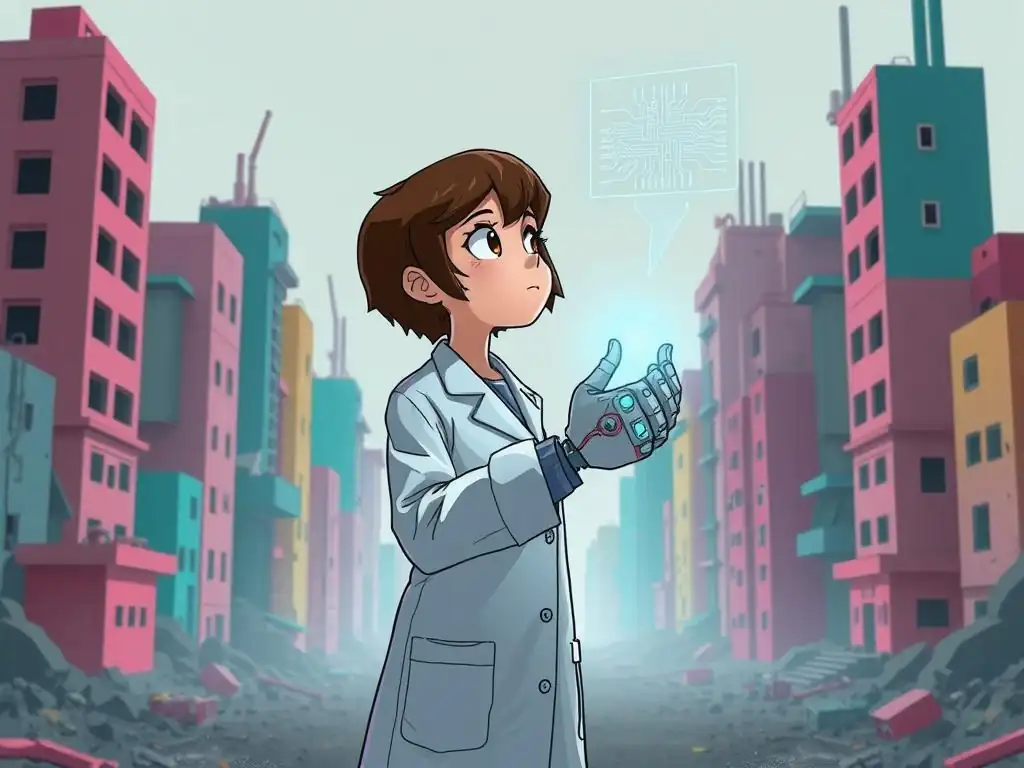
Oversimplification of Scientific Processes: Maintaining Accuracy and Nuance
While animation effectively simplifies complex scientific concepts for young audiences, there is a potential pitfall in oversimplification that can inadvertently distort the true nature of scientific inquiry. Cartoons often condense intricate processes, years of research, and numerous failed experiments into a few minutes of screen time, making scientific breakthroughs appear instantaneous and effortless. For example, a character might mix two chemicals and immediately discover a cure, without showing the rigorous testing, peer review, and iterative refinement that characterize real-world scientific advancement. This can create a misleading impression that scientific progress is always quick and without setbacks.
Such oversimplification can lead to a misunderstanding of the actual rigor, persistence, and occasional frustration inherent in scientific work. Young viewers, inspired by the immediate successes of their animated heroes, might develop unrealistic expectations about the ease of discovery. When they later encounter the reality of scientific research—which often involves meticulous data collection, hypothesis testing, and frequent failures before success—they might become disillusioned. Therefore, while simplification is necessary, maintaining a degree of accuracy and nuance about the scientific method is crucial to prepare girls for the realities of Girls cartoon science careers.
Reinforcing Unrealistic Expectations: Balancing Inspiration with Reality
Beyond the oversimplification of scientific processes, cartoons can sometimes reinforce unrealistic expectations about the day-to-day life and glamour of scientific careers. Animated characters often possess extraordinary abilities, access to limitless resources, or encounter dramatic, high-stakes scientific challenges that are far removed from the typical experiences of most scientists. While these fantastical elements are designed to entertain and inspire, they can inadvertently create a perception that scientific work is constantly thrilling and always leads to immediate, world-changing discoveries.
This can be problematic when young girls, inspired by these portrayals, enter real-world STEM environments. The reality of scientific research often involves repetitive tasks, extensive data analysis, writing grants, and facing numerous rejections. If animated shows only present the "highlight reel" of scientific achievement, without acknowledging the hard work, perseverance, and occasional monotony, it can set up young aspiring scientists for disappointment. Balancing inspiration with a touch of realism about the challenges and incremental nature of scientific progress is essential to ensure that the pursuit of Girls cartoon science careers is grounded in a sustainable understanding of the profession.
Tokenism vs. Authentic Representation: Ensuring Meaningful Female Characters
A critical consideration in the portrayal of female scientists in animation is the distinction between genuine, authentic representation and mere tokenism. Tokenism occurs when a female character is included in a STEM role primarily to fulfill a diversity quota, without being given significant depth, agency, or meaningful contribution to the plot.
Such characters might be present in the lab or on an expedition but serve as passive observers, glorified assistants, or their scientific insights are overshadowed by male counterparts. This superficial inclusion can be just as detrimental as outright exclusion, as it subtly reinforces the idea that women's contributions are secondary or less impactful.
Authentic representation, conversely, involves crafting female characters who are central to the scientific narrative, possessing their own intellectual curiosity, problem-solving abilities, and even flaws. These characters drive the scientific plot, make critical discoveries, and demonstrate genuine expertise. Their gender is not their sole defining characteristic, but rather one aspect of a fully developed personality.
Ensuring that Girls cartoon science careers are depicted through characters who are dynamic, intelligent, and integral to the scientific journey is paramount. This approach empowers young viewers by showing them that women are not just present in science, but are essential and impactful leaders in their fields.
Case Studies: Analyzing Specific Cartoons and Their Influence
Case Study 1: "Doc McStuffins" - Promoting Early Interest in Medicine
"Doc McStuffins," which premiered on Disney Junior in 2012, stands as a landmark animated series for its positive and accessible portrayal of a young Black girl aspiring to be a doctor. The show centers on Dottie "Doc" McStuffins, a 6-year-old who "fixes" her stuffed animals and toys, diagnosing their ailments and administering "cuddles."
While ostensibly about toys, the series brilliantly introduces fundamental medical concepts, such as check-ups, hygiene, empathy, and problem-solving, in an age-appropriate manner. The show's creator, Chris Nee, intentionally aimed to represent diverse children and families, and to show a girl in a position of authority and care.
The impact of "Doc McStuffins" has been significant. A 2016 study published in the journal Pediatrics noted the show's positive influence on children's attitudes toward health and medical care. Furthermore, it has been widely praised by medical professionals and organizations for inspiring young children, especially girls and children of color, to consider careers in healthcare. The series normalizes the idea of a young girl, particularly a Black girl, as a competent and compassionate medical professional, making Girls cartoon science careers in medicine seem not only attainable but also deeply rewarding from a very early age.
Case Study 2: "Ada Twist, Scientist" - Encouraging Curiosity and Experimentation
"Ada Twist, Scientist," an animated series that debuted on Netflix in 2021, brings to life the popular book series by Andrea Beaty. The show features Ada Twist, a curious young Black girl who loves to ask "why?" and "how?" and embarks on scientific investigations to find answers to everyday mysteries. Ada embodies the spirit of scientific inquiry, meticulously observing phenomena, forming hypotheses, conducting experiments (often in her makeshift lab), and analyzing results. The series consistently emphasizes the iterative nature of science, showing that mistakes are part of the learning process and perseverance is key.
The show's strength lies in its direct portrayal of the scientific method as an exciting and accessible adventure. Ada, alongside her friends Iggy Peck (an engineer) and Rosie Revere (an inventor), demonstrates collaborative problem-solving and the interdisciplinary nature of STEM. Ada Twist, Scientist has been lauded for its explicit focus on scientific literacy and for providing a strong role model for young girls interested in STEM. It directly encourages Girls cartoon science careers by showcasing the joy of discovery and the importance of asking questions, making complex scientific concepts approachable and inspiring for its target audience.
Case Study 3: "The Magic School Bus Rides Again" - Showcasing Diverse Scientific Fields
Building on the legacy of the beloved original series, "The Magic School Bus Rides Again," which premiered on Netflix in 2017, continues to be a powerful vehicle for science education. The series features Ms. Fiona Frizzle, the younger sister of the iconic Ms. Frizzle, who takes her class on fantastical field trips using a magical school bus that transforms to explore various scientific phenomena. From venturing inside a volcano to shrinking down to microscopic size to understand cell biology, the show covers an incredibly diverse range of scientific disciplines, including geology, astronomy, chemistry, physics, and ecology.
This animated series excels at demonstrating the breadth and wonder of scientific exploration. It shows that science is not confined to a lab but is all around us, and that a career in science can involve diverse fields and exciting adventures.
The presence of female characters, particularly Ms. Frizzle, as the knowledgeable and adventurous leader, reinforces the idea that women are at the forefront of scientific discovery. By showcasing the vast possibilities within STEM and making learning about complex topics fun and immersive, "The Magic School Bus Rides Again" continues to inspire young viewers, including girls, to envision themselves in a wide array of Girls cartoon science careers.
Beyond Cartoons: Complementary Efforts to Encourage Girls in STEM
The Role of Parents and Educators: Nurturing Curiosity and Providing Support
While animated shows are powerful tools for inspiration, their impact is significantly amplified when complemented by the active involvement of parents and educators. These primary caregivers play a crucial role in nurturing a girl's natural curiosity and providing the necessary support to translate animated ambition into real-world engagement with STEM. Parents can reinforce positive messages from cartoons by discussing the scientific concepts presented, asking open-ended questions that encourage critical thinking, and providing age-appropriate scientific toys, books, and activities. Visiting science museums, aquariums, or even simply observing nature together can spark a lifelong interest.
Educators, both in formal and informal settings, are equally vital. Teachers can integrate examples from popular culture, including cartoons, into their lessons to make science relatable and exciting. They can also create inclusive classroom environments where girls feel encouraged to ask questions, experiment, and lead scientific projects. Celebrating the achievements of historical and contemporary female scientists, much like the mission of WomenInScienceHistory.com, provides additional real-life role models. This combined parental and educational support is essential for transforming the initial spark of interest from Girls cartoon science careers into sustained passion and academic pursuit.
STEM Programs for Girls: Offering Hands-On Experiences and Mentorship
Dedicated STEM programs designed specifically for girls provide invaluable hands-on experiences and crucial mentorship that can solidify their interest in scientific fields. These programs, which range from robotics clubs and coding camps to science fairs and engineering workshops, offer structured environments where girls can explore scientific concepts without the pressure of traditional academic grading. They provide opportunities to build, experiment, and problem-solve in a supportive, collaborative setting, fostering confidence and a sense of belonging in STEM.
For instance, organizations like Girls Who Code or Society of Women Engineers (SWE) run programs that expose girls to various engineering and computing disciplines, often featuring female mentors who share their own career journeys. These initiatives allow girls to see tangible applications of science and technology, moving beyond theoretical concepts. By providing practical skills and direct interaction with female professionals, these programs bridge the gap between the animated world of Girls cartoon science careers and the practical realities of working in STEM, offering clear pathways and invaluable networking opportunities.
Real-Life Role Models: Connecting with Female Scientists and Engineers
While animated characters provide accessible and inspiring role models, the opportunity to connect with real-life female scientists and engineers is irreplaceable. Meeting women who are actively working in STEM fields can demystify these careers, making them feel tangible and attainable. Hearing personal stories about their challenges, successes, and daily work can provide invaluable insights and demonstrate the diverse paths available within science. These interactions can solidify a young girl's aspirations, proving that the exciting Girls cartoon science careers she sees on screen are indeed possible for her.
Schools and community organizations can facilitate these connections through various initiatives, such as guest speaker programs, career day presentations, and mentorship opportunities. Inviting female scientists to share their research or career experiences can inspire students in profound ways. Furthermore, virtual mentorship platforms or online Q&A sessions can expand access to role models for girls in remote areas. These real-world connections are crucial for transforming abstract inspiration into concrete career goals, showing young girls that their scientific ambitions are not just confined to the screen but are vibrant, living realities.
Conclusion: Nurturing Animated Ambition for Future Female Scientists
The Importance of Responsible Representation in Animation
The influence of animation on young girls' perceptions of science and career aspirations cannot be overstated. Cartoons serve as powerful mirrors and windows, reflecting societal norms while simultaneously shaping future possibilities. The evolution from limited, stereotypical portrayals of female characters to today's diverse and empowering representations of female scientists marks significant progress.
However, this power also comes with a profound responsibility for creators. It is crucial for animated media to continue crafting accurate, nuanced, and inspiring depictions of women in STEM. This means moving beyond tokenism to present fully developed characters who embody genuine scientific curiosity, resilience in the face of challenges, and the collaborative spirit inherent in scientific discovery.
Responsible representation goes beyond simply putting a girl in a lab coat; it involves showing the depth of intellectual engagement, the iterative nature of research, and the diverse fields where scientific thinking can be applied. By consistently portraying dynamic and competent female scientists, animation can continue to dismantle outdated gender stereotypes, broaden the scope of what is considered "possible" for girls, and foster a strong sense of self-efficacy. This thoughtful approach ensures that the ambition sparked by Girls cartoon science careers is not just fleeting entertainment but a foundational inspiration for future endeavors.
Looking Ahead: The Future of Women in Science and the Role of Media
As we look to the future, the role of media, particularly children's animation, in shaping the next generation of female scientists remains paramount. The ongoing commitment to showcasing compelling and authentic Girls cartoon science careers can significantly contribute to closing the gender gap in STEM fields. By consistently presenting diverse female characters who are celebrated for their intellect, problem-solving skills, and contributions to scientific advancement, animated shows can cultivate an early and enduring interest in science among young girls. This sustained exposure helps to normalize female presence and leadership in STEM, making it an intuitive and natural career path.
Ultimately, the goal is to create a world where every young girl, regardless of her background, sees herself reflected in the exciting world of science and feels empowered to pursue her curiosity wherever it leads. By continuing to leverage the immense power of animation to inspire, educate, and break down barriers, we can collectively nurture the animated ambition of today's girls, helping them to become the groundbreaking female scientists, engineers, and innovators of tomorrow. The future of women in science is bright, and the vibrant narratives unfolding on our screens are playing a vital role in lighting the way.
Frequently Asked Questions
How can cartoons influence young girls' views of science careers?
Cartoons can positively shape perceptions by showcasing female characters in exciting and engaging scientific roles. This representation can spark initial interest and make science seem more accessible.
What are some common stereotypes about scientists that cartoons might perpetuate, even unintentionally?
Cartoons might reinforce stereotypes like scientists being eccentric loners or only focusing on theoretical work. This can deter girls who prefer collaborative environments.
Why is it important to have diverse representations of female scientists in cartoons?
Diverse representation ensures that girls from all backgrounds can see themselves reflected in science. This fosters a sense of belonging and encourages participation regardless of ethnicity or ability.
What role can parents and educators play in guiding children's understanding of science careers after watching cartoons?
Parents and educators can supplement cartoon portrayals with real-world examples of female scientists and discuss the diverse career paths within science. They can also address any stereotypes.
How does "WomenInScienceHistory.com" contribute to promoting accurate portrayals of women in science?
The website provides detailed biographies of pioneering female scientists, highlighting their real-world accomplishments and the challenges they overcame, offering a more nuanced perspective.
Final Reflection: Inspiring Scientific Dreams
The journey through animated worlds reveals a powerful truth: cartoons are not just entertainment; they are architects of aspiration. As we've explored, the portrayal of women in science within these narratives significantly impacts young girls' perceptions of their own potential. The visibility, or lack thereof, of female scientists in cartoons directly influences whether a young girl envisions herself pursuing a career in STEM.
This influence extends far beyond the screen, shaping the cultural landscape and planting seeds of possibility. The power of representation cannot be overstated; seeing is believing, and believing is the first step towards achieving. You can't be what you can't see.
This simple truth underscores the vital role cartoons play in normalizing and celebrating women in science, ultimately fostering a more diverse and innovative future.
Now, consider the impact of these animated narratives on the next generation. What stories are we telling? What role models are we showcasing? Let us all, as creators, parents, and educators, actively seek out and champion cartoons that inspire young girls to embrace their scientific curiosity and pursue their dreams with unwavering ambition. The future of science depends on it.
Ignite Your Inner Scientist!
Thank you for exploring the fascinating world of women in science through the lens of animation! We hope this article has inspired you to see the power of representation and its influence on young minds. Ready to make a difference?
Here are a few ways to keep the momentum going:
- Champion female role models: Share this article with parents, educators, and animators to spark conversations about the importance of diverse representation in children's media.
- Explore animations featuring women in science. Seek out and support content that showcases female scientists in engaging and positive ways. Discover new shows and share your favorites online.
- Leave a comment below suggesting other animated content that you feel does an amazing job representing women in science.
What steps will you take to ensure the next generation sees science as a field where everyone belongs?