
Restoring Habitats, Reviving Hope: The Vital Role of Women in Ecological Zoology & Restoration

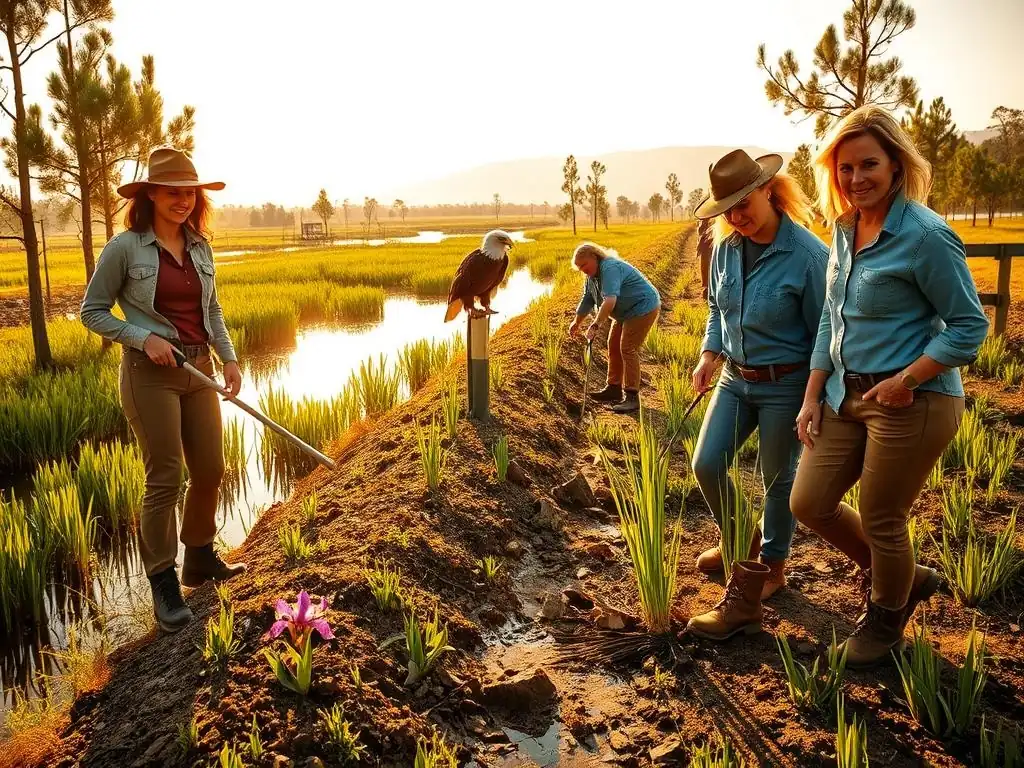
Welcome to WomenInScienceHistory.com, a place dedicated to uncovering the remarkable achievements of women who shaped the scientific landscape!
Did you know that women have been instrumental in not just understanding our planet, but actively restoring it? Dive into our latest article, " Restoring Habitats, Reviving Hope: The Vital Role of Women in Ecological Zoology & Restoration," to discover the untold stories of pioneering women whose groundbreaking work in ecological zoology and restoration is helping to heal our world. Prepare to be inspired by their resilience and dedication – and perhaps even discover a new scientific heroine!
- Introduction: Women in Ecological Zoology Restoration - A Historical Perspective
-
Frequently Asked Questions
- What is ecological zoology and how does it relate to habitat restoration?
- Why is it important to specifically highlight the contributions of women in ecological zoology and restoration?
- What challenges did women in ecological zoology and restoration historically face?
- Can you give an example of a groundbreaking contribution made by a woman in this field?
- How can learning about these women's stories inspire future generations?
- Final Reflection: Seeds of Change, Blossoms of Hope
- Ignite Change: Become an Ecological Advocate Today!
Introduction: Women in Ecological Zoology Restoration - A Historical Perspective
Highlighting Overlooked Contributions of Women in Ecology
Throughout history, the profound contributions of women to the field of ecology have often been marginalized or entirely overlooked in mainstream narratives. Despite facing significant societal and institutional barriers, women have consistently engaged in critical observation, data collection, and foundational theoretical work that underpins modern ecological understanding and, by extension, habitat restoration. Their efforts, though frequently uncredited, laid essential groundwork for understanding complex biological interactions and the delicate balance of ecosystems.
From early naturalists who meticulously documented plant and animal life to pioneering botanists whose studies revealed intricate ecological relationships, women quietly shaped the nascent stages of environmental science. For instance, while formal recognition was scarce, many women contributed to botanical surveys and entomological studies in the 19th and early 20th centuries, providing invaluable baseline data on species distribution and ecosystem health – information crucial for any future women ecological zoology restoration initiatives. This historical oversight underscores the imperative to actively seek out and celebrate these foundational contributions.
The Intersection of Zoology, Restoration, and Female Leadership
The intricate practice of ecological restoration hinges on a deep understanding of zoology, as animal populations are both indicators of ecosystem health and active agents in recovery processes. Women have increasingly taken on leadership roles at this critical intersection, demonstrating exceptional skill in bridging the gap between scientific theory and practical conservation action. Their leadership often brings a nuanced perspective, integrating biological rigor with community needs and sustainable practices.
Women in women ecological zoology restoration are frequently at the forefront of projects that require detailed zoological expertise to guide habitat recovery. This includes designing restoration plans that support specific animal species, such as reintroducing native pollinators or creating breeding grounds for endangered amphibians, while simultaneously restoring the broader ecosystem. Their ability to synthesize complex ecological data with a vision for long-term sustainability has proven invaluable in restoring degraded landscapes and reviving biodiversity across the globe.
Frequently Asked Questions
What is ecological zoology and how does it relate to habitat restoration?
Ecological zoology studies the interactions between animals and their environment. In habitat restoration, understanding these interactions is crucial for successful ecosystem recovery, ensuring reintroduced species can thrive.
Why is it important to specifically highlight the contributions of women in ecological zoology and restoration?
Historically, women's contributions in science have been underrepresented and often overlooked. Highlighting their work in ecological zoology and restoration helps correct this historical imbalance and provides role models for future generations.
What challenges did women in ecological zoology and restoration historically face?
Women faced significant challenges including gender bias, limited access to funding and resources, and societal expectations that prioritized male scientists in leadership roles.
Can you give an example of a groundbreaking contribution made by a woman in this field?
Many women have made significant contributions! For example, Rachel Carson's work on pesticide effects, especially DDT, revolutionized ecological understanding and spurred environmental protection movements.
How can learning about these women's stories inspire future generations?
By learning about the perseverance and accomplishments of these women, future scientists, especially young women, can be inspired to pursue their passions in STEM, overcome obstacles, and contribute to solving environmental challenges.
Final Reflection: Seeds of Change, Blossoms of Hope
The journey through ecological zoology and restoration, as illuminated by the tireless efforts of women, reveals a truth that resonates profoundly today: environmental healing is inextricably linked to empowering diverse voices. The examples of dedication and innovation showcased throughout this article underscore the urgent need to amplify the contributions of women in these critical fields, not just for the sake of equality, but for the very survival of our planet.
The impact of women in ecological zoology and restoration extends far beyond scientific data and restored landscapes. It fosters a deeper connection to the natural world, inspiring future generations to become stewards of our environment. My own understanding of ecological balance has been profoundly shaped by witnessing the passion and dedication of these women, highlighting the importance of diverse perspectives in addressing complex environmental challenges. The earth will not continue to offer its harvest, except with faithful stewardship. We cannot say we love the land and then take steps to destroy it for use by future generations.
- John Paul II
As we conclude this exploration, let us not simply admire the achievements highlighted, but actively cultivate the seeds of change within our own spheres of influence. Consider how you can support women in STEM fields, advocate for inclusive environmental policies, and contribute to the restoration of our planet's ecosystems. The future of ecological zoology and restoration, and indeed the future of our planet, depends on our collective commitment to nurturing a world where all voices are heard and valued.
Ignite Change: Become an Ecological Advocate Today!
Thank you for exploring the inspiring role women play in ecological zoology and restoration! We hope this article has sparked a deeper appreciation for their contributions and the vital work they do. Now, let's translate that inspiration into action.
Here's how you can make a difference:
- Champion a cause: Identify a local ecological restoration project and explore ways to volunteer your time or skills. Even a few hours can make a real impact.
- Dive deeper: Research the work of a featured woman zoologist from this article and share her story on social media, inspiring others with her dedication.
- Start a dialogue: Initiate a conversation in your community about the importance of habitat restoration and the need for diverse perspectives in environmental science.
What small, yet significant, step will you take this week to support ecological restoration and amplify the voices of women in science?