
Microbial Worlds, Monumental Discoveries: Women in Bacterial and Viral Genetics

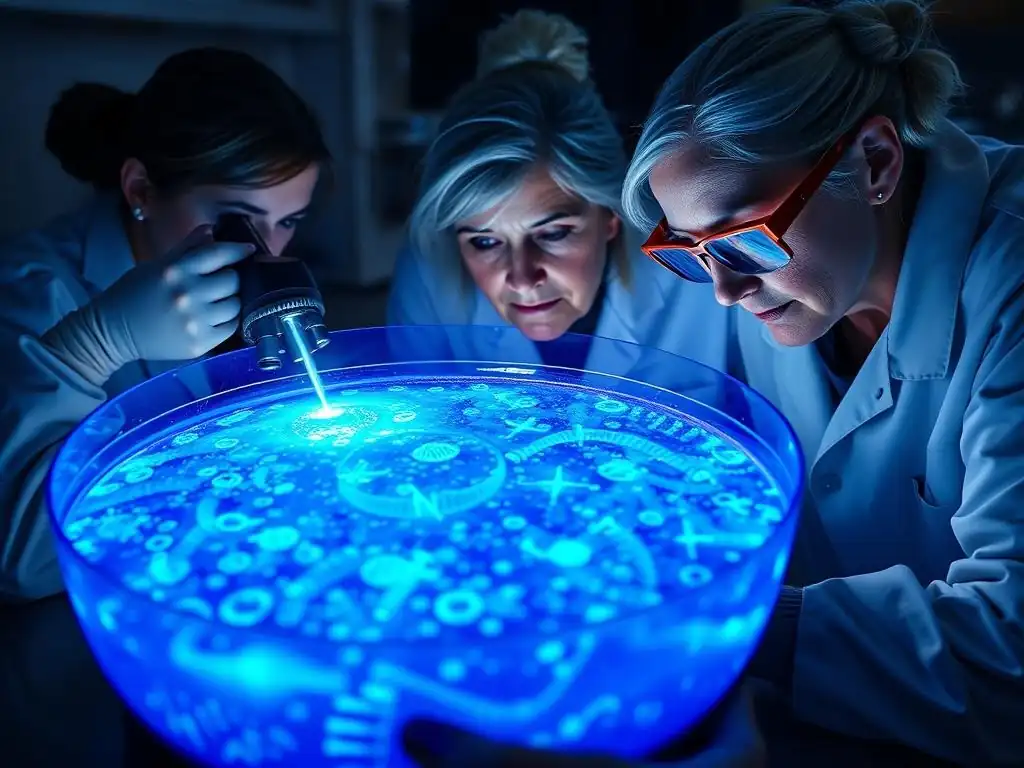
Welcome to WomenInScienceHistory.com!
Dive into the fascinating world of scientific breakthroughs and uncover the untold stories of remarkable women. Are you ready to explore the invisible landscapes that shaped modern genetics? This month, we're shining a spotlight on Women in Bacterial and Viral Genetics, highlighting the brilliant minds who pioneered our understanding of these microscopic powerhouses. Discover their monumental contributions and the obstacles they overcame in a field brimming with groundbreaking discoveries. What secrets will you uncover?
- Introduction: Unveiling the Pioneering Women in Bacterial and Viral Genetics
- Early Pioneers: Laying the Groundwork for Bacterial and Viral Genetics
- Mid-Century Breakthroughs: Women Shaping the Field of Viral Genetics
- Modern Marvels: Contemporary Women in Bacterial and Viral Genetics
- Challenges and Triumphs: Obstacles Faced by Women in Genetics
- The Future of Bacterial and Viral Genetics: Inspiring the Next Generation
- Conclusion: Celebrating the Enduring Legacy of Women in Bacterial and Viral Genetics
-
Frequently Asked Questions
- What is the primary focus of WomenInScienceHistory.com?
- Why is it important to highlight the work of women in bacterial genetics?
- What kind of challenges did women in bacterial genetics face historically?
- Can you provide an example of a pioneering female scientist in bacterial genetics?
- What is "Microbial Worlds, Monumental Discoveries" about?
- Final Reflection: Illuminating the Unseen
- Ignite Your Inner Scientist: Pioneer Like the Women You've Discovered!
Highlighting the Underrepresented: The Importance of Recognizing Women's Contributions to Genetics
For centuries, the narratives of scientific discovery have often been dominated by male figures, leaving the groundbreaking achievements of women largely unacknowledged. This historical oversight is particularly evident in complex and foundational fields like genetics, where the contributions of women have been pivotal yet frequently marginalized. Recognizing these pioneering women is not merely about correcting historical records; it is about inspiring future generations and providing a more accurate, inclusive picture of scientific progress. Their tenacity, intellectual rigor, and innovative spirit paved the way for many of today's advancements in understanding life at its most fundamental level.
The field of bacterial and viral genetics, in particular, owes an immense debt to the brilliant minds of women who dared to challenge conventional wisdom and push the boundaries of knowledge. From unraveling the intricate structures of DNA and RNA to deciphering the sophisticated communication systems of bacteria, these women have made monumental discoveries. Their work laid the groundwork for modern biotechnology, medicine, and our comprehension of infectious diseases, profoundly impacting global health and scientific research. By shedding light on their stories, we celebrate their individual brilliance and emphasize the critical importance of diversity in driving scientific innovation.
Bacterial genetics is the study of the heredity and variation in bacteria, focusing on their genes, gene expression, and mechanisms of genetic exchange, such as conjugation, transformation, and transduction. This field is crucial for understanding bacterial evolution, antibiotic resistance, and how bacteria interact with their environments, including human hosts. Discoveries in bacterial genetics have profound implications for medicine, agriculture, and environmental science, influencing everything from vaccine development to bioremediation strategies.
Viral genetics, on the other hand, investigates the genetic material of viruses, their replication cycles, mutation rates, and how they interact with host cells. Viruses, despite their simplicity, exhibit remarkable genetic diversity and have evolved sophisticated mechanisms to hijack cellular machinery for their proliferation. Understanding viral genetics is paramount for developing antiviral therapies, vaccines, and diagnostic tools for infectious diseases like influenza, HIV, and coronaviruses. The intersection of bacterial and viral genetics often reveals shared principles of heredity and evolution, highlighting the interconnectedness of all life forms at the molecular level.
Esther Lederberg: A Pioneer in Bacterial Genetics and Lambda Phage Research
Esther Lederberg's Contributions to Bacterial Genetics and Replica Plating
Esther Lederberg was a brilliant microbiologist whose foundational work significantly advanced the field of bacterial genetics. In the early 1950s, she developed the replica plating technique, a simple yet revolutionary method that allowed for the rapid and simultaneous transfer of bacterial colonies from one agar plate to multiple others. This innovation was instrumental in isolating bacterial mutants, particularly those resistant to antibiotics or requiring specific nutrients, making it possible to screen thousands of colonies efficiently. Her meticulous approach to experimental design and execution transformed microbial genetics research, enabling breakthroughs in understanding bacterial resistance and metabolic pathways.
Beyond replica plating, Lederberg made another monumental discovery: the lambda phage. In 1950, she isolated this bacteriophage, a virus that infects bacteria, and demonstrated its lysogenic life cycle—where the viral DNA integrates into the bacterial chromosome and replicates along with it, without immediately destroying the host cell. This discovery was crucial for understanding gene transfer mechanisms in bacteria and became a cornerstone for molecular biology, providing a powerful tool for gene cloning and manipulation. Her work on lambda phage not only deepened our understanding of viral-bacterial interactions but also laid the groundwork for future genetic engineering techniques.
The Lederberg's Legacy: Collaborative Science and Recognition
Esther Lederberg's scientific career was marked by significant collaboration, particularly with her then-husband, Joshua Lederberg. While their joint efforts produced groundbreaking research, the recognition for these discoveries was often disproportionately attributed, with Joshua Lederberg receiving the Nobel Prize in Physiology or Medicine in 1958 for his work on bacterial genetics, which heavily relied on Esther's contributions. Despite her pivotal role in developing key techniques and isolating critical biological agents, her name was frequently overshadowed, a poignant example of the "Matilda Effect" where women's scientific achievements are overlooked or attributed to male colleagues.
Nevertheless, Esther Lederberg's legacy endures through her seminal contributions to bacterial genetics. Her replica plating technique remains a standard procedure in microbiology labs worldwide, and the lambda phage continues to be a vital model organism and a tool in molecular biology. She continued her research, establishing the Plasmid Reference Center at Stanford University, a crucial resource for geneticists globally, and dedicated her later career to promoting scientific collaboration and preserving microbial strains. Her work exemplifies the profound impact women in bacterial genetics have had, even when facing significant challenges in gaining appropriate recognition.
Barbara McClintock: Transposable Elements and the Fluid Genome
Barbara McClintock's Groundbreaking Work on Transposons
Barbara McClintock was a visionary geneticist whose meticulous research on maize (corn) genetics led to one of the most profound discoveries in biology: transposable elements, or "jumping genes." Beginning in the 1940s, McClintock observed unusual patterns of inheritance in maize kernel coloration that could not be explained by then-current models of stable, fixed genes.
Through decades of painstaking cytogenetic analysis, she hypothesized that certain genetic elements could move from one position to another within the genome, causing changes in gene expression and phenotypic traits. Her theory, initially met with skepticism due to its radical departure from the prevailing view of a static genome, was truly revolutionary.
McClintock's work, published in the 1950s, demonstrated that these mobile genetic elements, which she termed "controlling elements," could activate or suppress genes depending on their location. She provided irrefutable evidence of genetic mobility through her detailed analysis of chromosomal rearrangements and phenotypic variations in maize. It took decades for the scientific community to fully appreciate the universality and significance of her discovery, which was finally recognized with the Nobel Prize in Physiology or Medicine in 1983. Her pioneering insights transformed our understanding of genome organization and evolution, revealing that genomes are not static blueprints but dynamic entities.
Transposons in Bacterial Genetics
While Barbara McClintock's initial discoveries of transposable elements were made in maize, her conceptual breakthrough had far-reaching implications across all domains of life, including bacterial genetics. It was later discovered that bacteria also harbor various types of transposons, such as insertion sequences (IS elements) and composite transposons.
These bacterial transposons play a critical role in bacterial evolution and adaptation by facilitating the transfer of genes, including those encoding antibiotic resistance. For instance, a composite transposon might carry a gene for resistance to a specific antibiotic, and its mobility allows this resistance gene to "jump" between different plasmids or from a plasmid to the bacterial chromosome, rapidly spreading resistance within bacterial populations.
The understanding of bacterial transposons, directly stemming from McClintock's foundational work, has been crucial for comprehending the rapid spread of antimicrobial resistance, a major global health challenge. These mobile elements also contribute to bacterial pathogenicity by moving virulence factors or altering gene expression, influencing how bacteria cause disease.
Furthermore, transposons have become invaluable tools in bacterial genetics research for gene tagging, mutagenesis, and constructing genetic libraries. McClintock's insights into the fluid genome provided a crucial framework for understanding these dynamic processes, solidifying her legacy as a foundational figure whose work profoundly influenced our understanding of women in bacterial genetics and beyond.
Rosalind Franklin: Unraveling the Structure of DNA and RNA Viruses
Rosalind Franklin's Crucial Role in Determining the Structure of Viruses
Rosalind Franklin was a highly skilled X-ray crystallographer whose meticulous work provided critical insights into the molecular structures of both DNA and viruses. While her contribution to the discovery of the DNA double helix is widely discussed, her equally significant work on viral structures, particularly the Tobacco Mosaic Virus (TMV), is often overlooked.
In the early 1950s, Franklin and her colleague Aaron Klug at Birkbeck College in London used X-ray diffraction to study TMV, a rod-shaped RNA virus. Her precise diffraction patterns demonstrated that TMV's genetic material (RNA) was spirally arranged within its protein coat, a revelation that was crucial for understanding how viruses are assembled and how they function.
Franklin's detailed analysis of TMV's structure, including determining the exact pitch of the RNA helix and the arrangement of its protein subunits, provided the first clear structural model of a virus. This work was fundamental to the nascent field of viral genetics, offering a blueprint for how genetic information could be packaged within a viral particle. Her rigorous experimental approach and ability to interpret complex X-ray data were unparalleled, establishing a paradigm for structural biology that continues to inform our understanding of viral architecture and replication mechanisms.
Overcoming Obstacles: Franklin's Contributions and Recognition
Rosalind Franklin faced considerable obstacles in her scientific career, primarily due to the prevailing gender biases of her era. Despite her extraordinary talent and the groundbreaking nature of her findings, she often encountered a lack of recognition and support, particularly in the male-dominated scientific institutions of the time.
Her crucial X-ray diffraction image of DNA, Photo 51, was shared without her explicit permission, providing vital data for Watson and Crick's model of the DNA double helix, for which they, along with Maurice Wilkins, received the Nobel Prize in 1962. Franklin, tragically, had passed away four years prior and thus was ineligible for the award.
Her work on TMV, however, did eventually receive more direct acknowledgment, with Aaron Klug, her collaborator, receiving the Nobel Prize in Chemistry in 1982, citing her foundational contributions. Franklin's legacy extends far beyond DNA; her rigorous methodology and pioneering structural analyses were instrumental in laying the groundwork for viral genetics and molecular biology. Her story serves as a powerful reminder of the systemic challenges faced by women in science and the ongoing need to ensure that all contributors receive appropriate recognition for their monumental discoveries.
Joan Steitz's Research on RNA Structures in Bacteria and Viruses
Joan Steitz is a towering figure in molecular biology, renowned for her seminal discoveries concerning RNA structures and their profound roles in gene expression and viral replication. Her pioneering work, beginning in the 1970s, focused on small nuclear ribonucleoproteins (snRNPs), which she discovered are crucial components of the spliceosome, the molecular machine responsible for splicing RNA. RNA splicing is a fundamental process in eukaryotic cells where non-coding regions (introns) are removed from messenger RNA (mRNA) precursors, allowing the remaining coding regions (exons) to be joined together to form mature mRNA. This process is essential for producing functional proteins.
Steitz's research also delved into how viruses exploit cellular RNA machinery for their own replication. She elucidated how certain viruses, like adenoviruses and Epstein-Barr virus, produce small RNAs that interact with the host cell's splicing machinery or ribosomes, effectively hijacking these processes to promote viral protein synthesis and evade the host's immune response. Her lab has also explored the mechanisms by which ribosomes initiate protein synthesis in bacteria and how viruses like hepatitis C virus use internal ribosome entry sites (IRES) to bypass the conventional cap-dependent translation, a critical strategy for viral propagation.
Ribosomes, RNA, and Viral Infection: Steitz's Lasting Impact
Joan Steitz's work has had a lasting and transformative impact on our understanding of gene regulation, RNA biology, and viral pathogenesis. By unraveling the intricate roles of snRNPs and other non-coding RNAs, she provided fundamental insights into how genetic information is processed and expressed. Her discoveries illuminated the sophisticated strategies employed by viruses to manipulate host cellular machinery, offering critical targets for antiviral drug development. For instance, understanding how viruses utilize IRES elements has opened new avenues for designing drugs that specifically inhibit viral protein production without affecting host cell functions.
Her continuous contributions have not only advanced basic science but also laid conceptual foundations for biotechnology and medicine. Steitz's research on the interplay between RNA, ribosomes, and viral infection highlights the complex molecular dance that occurs at the cellular level during an infection. As a leading figure among women in bacterial genetics and viral genetics, her scientific rigor and profound insights continue to inspire new generations of researchers to explore the hidden complexities of RNA and its central role in life and disease.
Bonnie Bassler: Quorum Sensing and Bacterial Communication
Bonnie Bassler's Discoveries in Bacterial Communication and Quorum Sensing
Bonnie Bassler is a groundbreaking molecular biologist who revolutionized our understanding of bacterial behavior through her pioneering work on quorum sensing. Quorum sensing is a sophisticated communication system used by bacteria to coordinate their behavior in response to population density. Bassler's research, primarily conducted on the marine bacterium Vibrio harveyi, revealed that bacteria release small signaling molecules (autoinducers) into their environment. When these molecules accumulate to a certain threshold concentration, indicating a sufficient population density, the bacteria collectively switch on specific genes, leading to synchronized behaviors like bioluminescence, biofilm formation, and virulence factor production.
Her early work demonstrated that bacteria use a universal language of communication, employing both species-specific and interspecies autoinducers. This discovery shattered the long-held belief that bacteria were solitary organisms acting independently. Instead, Bassler showed that they engage in complex social interactions, making collective decisions that significantly impact their survival and ability to cause disease. Her meticulous biochemical and genetic analyses elucidated the molecular mechanisms by which bacteria detect and respond to these autoinducers, providing a profound new perspective on microbial life.
Applications of Quorum Sensing Research: Developing Anti-Virulence Drugs and Engineering Microbial Communities
Bonnie Bassler's discoveries in quorum sensing have opened up entirely new avenues for therapeutic interventions and biotechnological applications, significantly impacting the field of women in bacterial genetics. One of the most promising applications is the development of anti-virulence drugs. Instead of directly killing bacteria, which often leads to antibiotic resistance, these drugs aim to disarm pathogens by disrupting their quorum-sensing communication, preventing them from mounting a collective attack.
This approach could reduce the selective pressure for resistance, offering a sustainable alternative to traditional antibiotics. For example, some compounds are being investigated that block the production or reception of autoinducers in pathogens like Pseudomonas aeruginosa, a notorious cause of hospital-acquired infections.
Furthermore, understanding quorum sensing allows for the engineering of microbial communities for beneficial purposes. This includes manipulating the human microbiome to promote health, enhancing bioremediation processes to clean up pollutants, or improving agricultural yields by optimizing plant-microbe interactions. Bassler's work has demonstrated that by understanding and manipulating bacterial communication, we can harness the power of microbes for a wide range of applications, from preventing infections to fostering sustainable ecosystems, underscoring the transformative potential of insights derived from bacterial genetics.
Jennifer Doudna: CRISPR-Cas9 and Revolutionizing Genome Editing
Jennifer Doudna's Contribution to CRISPR Technology and Bacterial Immunity
Jennifer Doudna is a visionary biochemist who, along with Emmanuelle Charpentier, revolutionized the field of genome editing with the co-discovery of CRISPR-Cas9 as a versatile gene-editing tool. Their seminal 2012 paper demonstrated how the bacterial CRISPR-Cas system, originally a bacterial immune defense mechanism against viral infections, could be reprogrammed to precisely edit DNA in any organism. In bacteria, CRISPR (Clustered Regularly Interspaced Short Palindromic Repeats) sequences, derived from invading viral DNA, serve as a molecular memory, while Cas (CRISPR-associated) proteins act as molecular scissors, guided by RNA to precisely cut and neutralize foreign genetic material.
Doudna's research meticulously elucidated the biochemical mechanisms by which Cas9, guided by a single guide RNA (sgRNA), can locate and cleave specific DNA sequences. Her team's breakthrough was demonstrating that this intricate bacterial immune system could be simplified and adapted for highly precise genome editing in a laboratory setting. This discovery provided an unprecedented tool for researchers to make targeted changes to DNA with remarkable ease and efficiency, transforming molecular biology and opening up vast new possibilities for understanding gene function and developing genetic therapies.
CRISPR's Impact on Bacterial Genetics and Research
The advent of CRISPR-Cas9 technology, largely spearheaded by Jennifer Doudna, has profoundly impacted bacterial genetics research, offering an unparalleled level of precision in manipulating bacterial genomes. Researchers can now easily introduce specific mutations, delete genes, or insert new genetic material into bacteria, enabling a more detailed study of gene function, metabolic pathways, and virulence factors. This has accelerated our understanding of antibiotic resistance mechanisms, allowed for the engineering of bacteria for industrial applications (e.g., biofuel production, drug synthesis), and facilitated the development of novel antibacterial strategies.
Beyond basic research, CRISPR-Cas9 holds immense promise for practical applications in bacterial systems. It is being explored as a tool to combat antibiotic resistance by targeting and destroying resistance genes within bacterial populations, or even by developing "phage therapy" enhancements using CRISPR to make phages more effective at killing specific bacteria.
The technology also allows for the development of highly sensitive bacterial diagnostic tools and has paved the way for synthetic biology applications that harness bacterial capabilities for environmental cleanup or therapeutic delivery. Doudna's work has not only earned her the Nobel Prize in Chemistry in 2020 but also cemented her as a pivotal figure among women in bacterial genetics, whose contributions continue to shape the future of biological science.
Challenges and Triumphs: Obstacles Faced by Women in Genetics
Overcoming Gender Bias in Scientific Research
Throughout history, women in scientific research, including those in genetics, have faced pervasive gender bias that has hindered their careers and often diminished recognition for their groundbreaking work. This bias manifests in various forms, from subtle microaggressions to overt discrimination in hiring, promotion, and funding decisions.
Studies have shown that women are less likely to be invited to speak at major conferences, less likely to be awarded prestigious grants, and their publications may be cited less frequently than those of their male counterparts. For example, a 2017 study in Nature Human Behaviour found that women in STEM fields generally receive smaller grants and are less likely to be lead authors on research papers compared to men, even when controlling for productivity.
The cumulative effect of these biases creates a challenging environment, often leading to a "leaky pipeline" where women disproportionately leave scientific careers, particularly at senior levels. Despite comprising a significant portion of early-career researchers, women's representation in leadership positions, such as full professors or principal investigators, remains significantly lower.
For instance, while women constitute approximately 45% of PhD students in biology and medicine in many Western countries, they often hold less than 30% of full professorships in these fields. Overcoming this systemic bias requires conscious efforts in mentorship, equitable evaluation processes, and cultural shifts within scientific institutions to foster truly inclusive environments where all talent can thrive.
The Fight for Recognition: Addressing the Matilda Effect in Genetics
One of the most insidious forms of gender bias in science is the "Matilda Effect," a phenomenon where the achievements of women scientists are systematically overlooked, denied, or attributed to their male colleagues. This effect has been historically prevalent in genetics, as exemplified by the cases of Esther Lederberg and Rosalind Franklin, whose critical contributions were either marginalized or appropriated.
Lederberg's development of replica plating and discovery of lambda phage, foundational to bacterial genetics, were often overshadowed by her husband's Nobel-winning work. Similarly, Franklin's pivotal X-ray diffraction images were instrumental in determining the structure of DNA but were not adequately credited during the Nobel Prize award.
The fight to address the Matilda Effect is ongoing, involving efforts to re-evaluate historical narratives and ensure contemporary recognition for women's scientific achievements. Initiatives such as increasing the visibility of women in science through biographies, documentaries, and academic awards are crucial.
Furthermore, modern scientific practices are striving for more transparent attribution, promoting diverse editorial boards for journals, and encouraging blind review processes to minimize unconscious bias. By actively highlighting the contributions of women in bacterial genetics and other fields, we can work towards a more accurate and equitable representation of scientific history and foster environments where all contributions are appropriately acknowledged.
Mentorship and Support Systems: Fostering the Next Generation of Women Geneticists
Crucial to the success and retention of women in genetics and other scientific fields are robust mentorship and support systems. Navigating a career in science, particularly for women who may face unique challenges, can be significantly aided by strong mentors who provide guidance, advocacy, and professional networking opportunities. Effective mentorship can help aspiring women geneticists overcome self-doubt, develop leadership skills, and identify pathways to success that might not be immediately obvious. For example, a senior female geneticist mentoring a postdoctoral researcher can provide insights into grant writing, lab management, and work-life balance, directly impacting career progression.
Beyond individual mentorship, institutional and professional support systems play a vital role. This includes establishing women-in-science committees, creating peer-to-peer networking groups, and offering specific programs aimed at developing leadership skills or addressing work-life integration. Many universities now have offices dedicated to diversity and inclusion in STEM, providing resources like childcare support, flexible work arrangements, and workshops on combating bias. These collective efforts are essential for creating a supportive ecosystem that encourages women to pursue, persist, and excel in fields like bacterial and viral genetics, ensuring a more diverse and innovative scientific workforce for the future.
The Continuing Importance of Women in Scientific Discovery
The future of bacterial and viral genetics, and indeed all scientific discovery, hinges on the full participation and recognition of diverse talents, especially women. As the complexity of biological problems grows, so too does the need for varied perspectives, approaches, and experiences to generate innovative solutions. Women bring unique insights and problem-solving strategies that are essential for breaking new ground, whether in developing novel CRISPR applications, understanding emerging viral threats, or designing new antimicrobial strategies. Their presence enriches scientific discourse, fosters collaborative environments, and challenges existing paradigms, leading to more robust and comprehensive research outcomes.
Furthermore, the visibility of successful women in bacterial genetics and other STEM fields serves as a powerful inspiration for younger generations. When girls and young women see role models like Jennifer Doudna or Bonnie Bassler, it reinforces the message that scientific careers are accessible and that their intellectual contributions are valued.
This visibility helps dismantle stereotypes about who can be a scientist and encourages more diverse talent to enter and remain in research. Continuing to champion women in science is not just about equity; it is a strategic imperative for accelerating the pace of discovery and ensuring that humanity benefits from the full spectrum of intellectual brilliance available.
For aspiring women interested in pursuing careers in bacterial and viral genetics, numerous resources and pathways exist to support their journey. Educational institutions offer specialized undergraduate and graduate programs in microbiology, genetics, molecular biology, and virology, providing foundational knowledge and research opportunities. Many universities also host summer research programs specifically designed to introduce young women to laboratory science and mentorship. For example, programs like the American Society for Microbiology's Undergraduate Research Fellowship offer hands-on experience in bacterial genetics.
Beyond academia, professional organizations like the American Society for Microbiology (ASM), the Genetics Society of America (GSA), and the American Society for Virology (ASV) provide invaluable networking opportunities, career development workshops, and access to scientific conferences. These organizations often have specific committees or initiatives dedicated to promoting women in science, offering mentorship programs and awards. Online communities and platforms also connect aspiring scientists with established professionals, fostering a global network of support. Exploring these resources can provide essential guidance, funding opportunities, and a supportive community for women embarking on a career in bacterial and viral genetics.
Reflecting on the Monumental Discoveries and Future Directions
The journey through the history of bacterial and viral genetics reveals a remarkable tapestry woven with the threads of groundbreaking discoveries made by women. From Esther Lederberg's foundational replica plating and lambda phage isolation, which revolutionized bacterial research, to Barbara McClintock's profound insights into mobile genetic elements, these pioneers reshaped our understanding of genetic fluidity. Rosalind Franklin's meticulous structural analyses provided critical blueprints for viruses, while Joan Steitz's work on RNA splicing and viral hijacking of cellular machinery illuminated complex molecular processes.
In the modern era, Bonnie Bassler's unraveling of bacterial quorum sensing and Jennifer Doudna's co-development of CRISPR-Cas9 have ushered in new eras of microbial communication and genome editing. Each of these women, and countless others, contributed not just incremental advances but paradigm shifts that continue to resonate in contemporary science.
Their collective achievements underscore the immense intellectual power and resilience of women in the face of historical and systemic barriers. The field of bacterial and viral genetics, now more dynamic than ever, continues to build upon these legacies. Future directions include harnessing bacterial systems for sustainable energy, developing precision CRISPR-based therapies for genetic diseases and infections, and devising novel strategies to combat emerging viral pandemics. The foundational work of these women provides the bedrock for these future innovations, demonstrating that their monumental discoveries are not just historical footnotes but living, evolving principles that guide current and future research.
A Call to Action: Supporting Diversity and Inclusion in Science.
The stories of these extraordinary women in bacterial genetics and viral genetics serve as a powerful reminder of the untapped potential that exists when diversity is embraced in science. It is a call to action for all stakeholders—academic institutions, funding bodies, scientific journals, and individual researchers—to actively champion diversity and inclusion. This means dismantling remaining biases, ensuring equitable opportunities for funding and promotion, and proactively recognizing the contributions of all scientists, regardless of gender or background. It requires creating welcoming and supportive environments where every voice is heard, and every idea is given fair consideration.
By fostering a truly inclusive scientific community, we not only uphold principles of fairness but also accelerate the pace of discovery. A diverse scientific workforce brings a broader range of perspectives, enhances creativity, and leads to more robust and impactful research outcomes. Supporting the next generation of women in bacterial genetics and across all scientific disciplines is not just about historical rectification; it is an investment in a brighter, more innovative future for humanity. Let us continue to celebrate these monumental discoveries and commit to building a scientific world where every brilliant mind has the opportunity to shine.
Frequently Asked Questions
What is the primary focus of WomenInScienceHistory.com?
The site primarily focuses on celebrating the contributions of women to various scientific fields throughout history, with a particular emphasis on highlighting their groundbreaking work.
Why is it important to highlight the work of women in bacterial genetics?
Highlighting women in bacterial genetics is crucial because it acknowledges their often overlooked contributions to a field traditionally dominated by men, and inspires future generations.
What kind of challenges did women in bacterial genetics face historically?
Historically, women in bacterial genetics faced challenges such as gender bias, limited access to resources and opportunities, and lack of recognition for their scientific achievements.
Can you provide an example of a pioneering female scientist in bacterial genetics?
The website features biographies showcasing pioneering female scientists whose names might be found on the website, detailing their individual struggles and significant contributions to bacterial genetics.
What is "Microbial Worlds, Monumental Discoveries" about?
"Microbial Worlds, Monumental Discoveries" is a title used to rank for the keyword "Women in bacterial genetics," focusing on the impact of women in understanding microbial worlds through their discoveries in bacterial and viral genetics.
Final Reflection: Illuminating the Unseen
The journey through the microbial world, guided by the brilliant minds of women in bacterial genetics, reveals not only the intricate mechanisms of life at its smallest scale but also the monumental impact these discoveries have on our understanding of health, disease, and the very fabric of existence. Their contributions, often overlooked, are now more relevant than ever as we grapple with antibiotic resistance, emerging viral threats, and the imperative to harness the power of the microbiome for human well-being.
The legacy of these pioneering women continues to shape the scientific landscape, inspiring future generations to challenge conventional wisdom and push the boundaries of knowledge. Their dedication and perseverance serve as a powerful reminder that scientific progress is a collective endeavor, enriched by diverse perspectives and unwavering commitment. Science knows no country, because knowledge belongs to humanity, and is the torch which illuminates the world.
- Louis Pasteur. This quote encapsulates the spirit of collaboration and the pursuit of truth that defines the work of these remarkable women.
As we close this exploration of microbial worlds and the monumental discoveries made by women in bacterial genetics, let us not only celebrate their achievements but also commit to fostering a more inclusive and equitable scientific community. Consider how you can champion diversity in STEM fields, support the next generation of female scientists, and actively promote the recognition and appreciation of their invaluable contributions. The future of scientific discovery depends on it.
Ignite Your Inner Scientist: Pioneer Like the Women You've Discovered!
Thank you for journeying through the groundbreaking contributions of women in bacterial and viral genetics. Now, it's your turn to build upon their legacy and explore the fascinating world of microbiology! Ready to make your own mark?
Here's how:
- Dive deeper: Start your own citizen science project focused on local microbes!: Document your findings and share them with the world.
- Explore related research: Read scientific literature about recent genetic breakthroughs or scientists who have been inspired by the women that were mentioned in the article.
- Share the inspiration: Spread the stories of these remarkable women to inspire the next generation of scientists by sharing this article with your social media accounts.
What small step will you take today to uncover the secrets of our microbial world?