
Academia to Industry & Back: Women Chemists on Smart Career Transitions

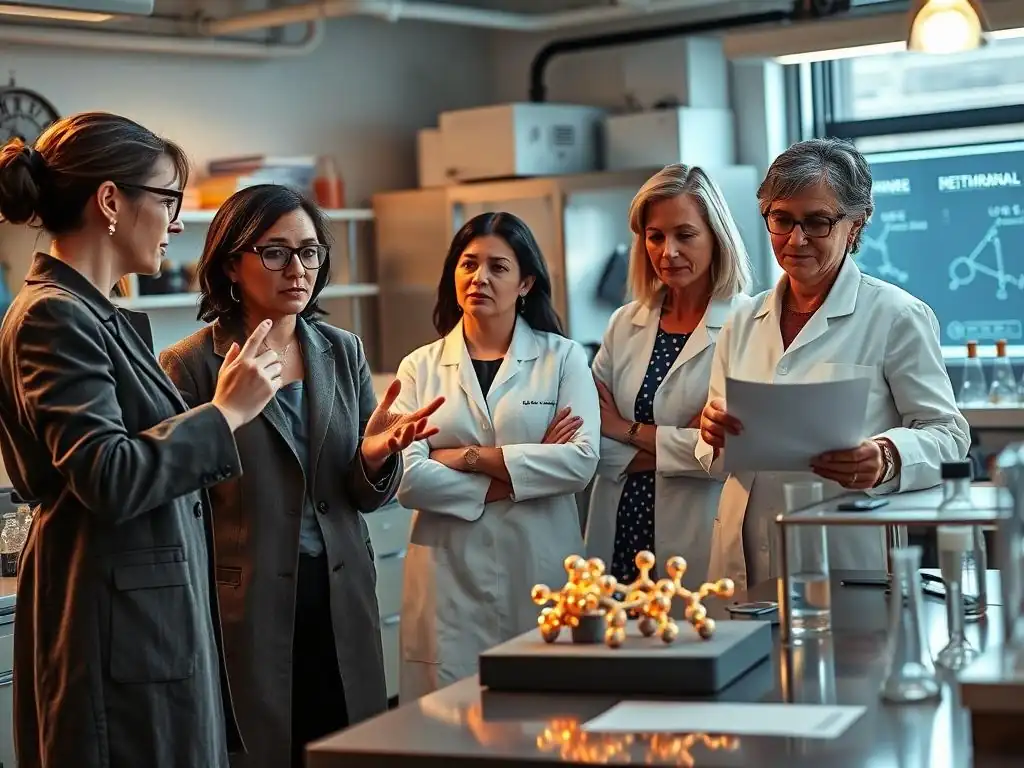
Welcome to WomenInScienceHistory.com, where we illuminate the remarkable achievements of women who shaped the scientific landscape. Are you curious about navigating the winding road of a STEM career? Dive into our latest article, " Academia to Industry & Back: Women Chemists on Smart Career Transitions," a fascinating exploration of how brilliant minds have successfully transitioned between academic and industrial roles. Discover the strategies, challenges, and triumphs that define their journeys – and perhaps, find inspiration for your own. What secrets do these career pivots hold? Read on to uncover them!
- Navigating Career Transitions: A Guide for STEM Professionals
- Strategies for Successful Career Transitions
- Real-World Examples: Sharing Career Transition Stories
- Resources and Support for Career Development
- Overcoming Challenges in Career Transitions
-
Frequently Asked Questions
- How does WomenInScienceHistory.com promote the contributions of women in science?
- What are some of the common obstacles women chemists face when transitioning between academia and industry?
- What does the article "Academia to Industry & Back: Women Chemists on Smart Career Transitions" discuss?
- What kind of information is typically included in the biographies of female scientists featured on WomenInScienceHistory.com?
- How can WomenInScienceHistory.com inspire future generations of women in science?
- Final Reflection: Embracing the Cyclical Journey
- Unleash Your Potential: Chart Your Own Chemistry Career!
The Allure of Academia: Research, Teaching, and Mentorship
Academia, with its promise of intellectual freedom and the pursuit of fundamental knowledge, has long attracted aspiring chemists. For many women chemists, the academic path offers the opportunity to delve deeply into specific research areas, contribute to scientific literature, and shape the minds of future generations through teaching and mentorship. This environment often fosters a sense of community and allows for the exploration of curiosity-driven questions that may not have immediate commercial applications.
However, the academic career trajectory, particularly for tenure-track positions, is highly competitive. While precise figures fluctuate, historically, fewer than 20% of chemistry PhD graduates in the United States secure tenure-track faculty positions, with a significant proportion of those being post-doctoral researchers for several years before even entering the job market. Despite these odds, the appeal of leading a research group, publishing groundbreaking discoveries, and mentoring students remains a powerful draw, influencing many women chemist career transitions towards this challenging yet rewarding path.
Industry Opportunities: Innovation, Development, and Application
In contrast to the often long-horizon research of academia, industry offers a dynamic environment focused on innovation, product development, and direct application of scientific principles to solve real-world problems. For women chemists, industry roles can span a vast array of sectors, including pharmaceuticals, biotechnology, materials science, consumer goods, and environmental chemistry, among others. These positions often come with higher initial salaries and clearer career progression pathways compared to entry-level academic roles.
Within industry, chemists might find themselves in research and development (R&D), process optimization, quality control, regulatory affairs, or even technical sales and marketing. The emphasis is typically on teamwork, project management, and delivering tangible results within specific timelines. For instance, a chemist in a pharmaceutical company might be part of a team developing a new drug candidate, moving it from discovery to clinical trials, a process that requires a blend of scientific rigor and strategic application. This diverse landscape of roles makes industry a compelling destination for many women chemist career transitions.
Strategies for Successful Career Transitions
From PhD to Product: Transitioning from Academic Research to Industry R&D
The leap from a PhD in academic research to an industry R&D role requires a strategic shift in perspective and presentation. While academic training hones critical thinking, problem-solving, and experimental design, industry values these skills when applied to commercial objectives. Dr. Evelyn Reed, who transitioned from a postdoctoral position in catalysis to a senior scientist role at a specialty chemicals company, exemplifies this. Her academic work focused on fundamental reaction mechanisms, but her successful transition hinged on highlighting her ability to troubleshoot complex synthetic pathways and optimize reaction conditions for scalability – skills directly transferable to industrial process development.
To make this transition effective, women chemists should tailor their resumes to emphasize project management, team collaboration, and quantifiable outcomes, rather than solely listing publications. Networking at industry conferences, participating in university-industry liaison programs, and even pursuing short-term internships or co-ops during their doctoral or postdoctoral studies can provide invaluable exposure. For example, understanding the intellectual property landscape or the regulatory hurdles in drug development, while not typically part of a chemistry PhD curriculum, are crucial competencies that make women chemist career transitions into industry more seamless.
Bridging the Gap: Gaining Industry Experience During Academia
Gaining industry experience while still in academia is a proactive strategy that significantly eases women chemist career transitions. Many universities now encourage or even facilitate internships for graduate students and postdocs, recognizing the value of practical, industry-specific skills. For instance, a chemistry PhD candidate might undertake a summer internship at a biotechnology firm, working on protein purification or drug formulation. This not only provides hands-on experience with industrial workflows and equipment but also builds a professional network outside of academia.
Another effective method is to engage in collaborative research projects with industrial partners. These collaborations often involve solving specific industry-relevant problems, providing a direct bridge between academic theory and practical application. For example, a research group might partner with an automotive company to develop new battery materials, allowing students and postdocs to contribute to a commercially viable project while still within the academic setting. Such experiences demonstrate adaptability and a practical mindset, qualities highly sought after in the industrial sector.
Back to the Lab: Returning to Academia After Industry
While less common, some women chemist career transitions involve a return to academia after a period in industry. This reverse transition can be incredibly enriching, as individuals bring a wealth of real-world experience, practical problem-solving skills, and industry insights back into the academic environment. Dr. Sarah Chen, for instance, spent eight years leading a research team at a major pharmaceutical company before accepting a professorship in medicinal chemistry. Her industry background allowed her to infuse her teaching with practical drug discovery examples and guide her students towards research projects with clear translational potential.
However, returning to academia can present its own set of challenges, particularly in re-establishing a research program and securing competitive grants after a hiatus from the academic funding cycle. Individuals considering this path must actively re-engage with academic networks, publish any industry-disclosable research, and articulate how their industrial experience will uniquely benefit a university department. Often, these transitions are successful when the individual seeks roles that value their applied expertise, such as positions focused on technology transfer, industry partnerships, or even administrative leadership within academic institutions.
Real-World Examples: Sharing Career Transition Stories

From Professor to Pharma Executive and Back
The journey of Dr. Anya Sharma illustrates the dynamic nature of women chemist career transitions between academia and industry. Dr. Sharma began her career as a distinguished professor of organic chemistry at a prominent university, known for her groundbreaking work in synthetic methodologies. After fifteen years in academia, during which she mentored numerous PhD students and secured substantial research grants, she was recruited by a leading pharmaceutical company to head their early-stage drug discovery division. In this executive role, she led diverse teams, navigated complex regulatory landscapes, and oversaw the development of several promising drug candidates.
After a decade in the fast-paced corporate world, Dr. Sharma felt a renewed pull towards the foundational research and mentorship she cherished in academia. She accepted a unique position as a research director at a university-affiliated institute, where she could leverage her industry expertise to bridge the gap between academic discovery and pharmaceutical development. Her story highlights that career paths are not always linear and that the skills gained in one sector can be invaluable in another, creating a rich and impactful professional trajectory.
The Consultant: Blending Academia and Industry
Dr. Lena Petrova's career exemplifies a different kind of women chemist career transitions – one that blends academic expertise with industrial application through consulting. Dr. Petrova, a materials chemist with a strong background in polymer science from her academic research, initially pursued a post-doctoral fellowship focused on novel composite materials. Rather than committing to a full-time academic or industrial role, she identified a niche for her specialized knowledge as an independent consultant.
Today, Dr. Petrova advises a range of companies, from startups developing biodegradable plastics to established manufacturers seeking to optimize their polymer formulations. She conducts market research, provides technical due diligence, and offers expert analysis on material properties and processing. Her work involves short-term, project-based engagements, allowing her to continuously learn about new industrial challenges while maintaining intellectual freedom. This hybrid model demonstrates how women chemists can forge unique career paths that draw on the best of both academic rigor and industrial innovation.
Resources and Support for Career Development
Networking Opportunities: ACS, AWIS, and Beyond
Networking is paramount for successful women chemist career transitions. Professional organizations like the American Chemical Society (ACS) offer extensive resources, including national and regional meetings, career fairs, and specialized divisions (e.g., Industrial & Engineering Chemistry, Women Chemists Committee). These platforms provide invaluable opportunities to connect with peers, potential mentors, and recruiters across both academic and industrial sectors. For instance, the ACS Spring and Fall National Meetings typically attract thousands of attendees and feature dedicated career development sessions.
Beyond the ACS, organizations such as the Association for Women in Science (AWIS) are specifically dedicated to supporting women in STEM fields. AWIS provides a strong community, advocacy, and professional development resources tailored to the unique challenges faced by women scientists. Engaging with local chapters of these organizations, attending virtual webinars, and participating in online forums can significantly expand a chemist's professional circle and open doors to new opportunities.
Mentorship Programs: Finding the Right Support
For women navigating complex women chemist career transitions, mentorship can provide critical guidance and support. Many professional organizations, including the ACS and AWIS, offer formal mentorship programs that pair experienced professionals with those seeking career advice. These programs can offer insights into different career paths, help in developing specific skills, and provide a sounding board for career decisions. For example, a senior R&D director might mentor a recent PhD graduate considering a move from academia to industry, sharing practical advice on resume optimization and interview strategies.
Informal mentorship is equally valuable. Building relationships with professors, former colleagues, or industry contacts can lead to spontaneous advice and support. Seeking out multiple mentors with diverse backgrounds can provide a more holistic perspective on career development and help individuals identify their strengths and areas for growth. A strong mentorship network is often cited as a key factor in the long-term success and satisfaction of women in STEM.
Professional Development Workshops and Training
Investing in professional development workshops and training is crucial for enhancing skills and making women chemist career transitions more effective. Universities, professional societies, and private organizations offer a wide array of courses relevant to both academic and industrial careers. These might include workshops on project management, intellectual property law, scientific communication, leadership skills, or data analysis. For instance, a chemist aiming for an industry R&D role might benefit from a course on Six Sigma methodologies or regulatory compliance.
Many institutions also offer specific training in "soft skills" such as negotiation, public speaking, and team leadership, which are increasingly vital in all professional environments. The ACS, for example, provides a robust catalog of professional development courses, many of which are available online. Continuously updating one's skill set, especially in areas beyond core scientific knowledge, demonstrates adaptability and a commitment to professional growth, making individuals more competitive in a dynamic job market.
Overcoming Challenges in Career Transitions
Addressing Bias in STEM Career Progression
Women in STEM, including chemists, often face systemic biases that can complicate women chemist career transitions and career progression. Implicit biases can manifest in hiring decisions, promotion opportunities, and even salary negotiations, sometimes leading to a "leaky pipeline" where women leave STEM fields at higher rates than men, particularly in leadership roles. For example, while women earn approximately 50% of chemistry bachelor's degrees, they represent a significantly smaller percentage of full professors and senior industrial executives.
Addressing bias requires both individual agency and systemic change. Women chemists can empower themselves by actively seeking out supportive environments, advocating for their accomplishments, and understanding their rights. On an organizational level, promoting transparent hiring and promotion processes, implementing diversity and inclusion training, and establishing clear metrics for equitable representation are essential. Highlighting the achievements of pioneering women chemists, as done by WomenInScienceHistory.com, also serves to challenge stereotypes and inspire future generations.
Balancing Career and Family: Strategies
For many women chemists, balancing demanding careers with family responsibilities presents a significant challenge that can influence women chemist career transitions. The expectation of long hours, frequent travel, and intense project deadlines in both academia and industry can create considerable strain. However, increasing awareness has led to the development of more supportive policies and strategies. Flexible work arrangements, such as part-time options, compressed workweeks, or remote work capabilities, are becoming more common in progressive organizations.
Strategies for success often involve proactive planning, strong communication with employers, and building a robust support network. Some women chemists successfully negotiate parental leave policies, on-site childcare options, or modified work schedules. The key is to identify organizations that genuinely support work-life integration and to advocate for policies that enable both professional growth and personal well-being. Sharing experiences and strategies through professional networks can also provide valuable insights and encouragement.
Negotiating Salary and Benefits: Empowering
Negotiating salary and benefits is a critical, yet often daunting, step in any career transition, particularly for women who may face unconscious biases that can undervalue their contributions. Research consistently shows that women are less likely to negotiate their starting salaries than men, potentially leading to a cumulative earnings gap over their careers. For women chemist career transitions, understanding their market value and confidently articulating their worth is empowering.
Before entering negotiations, it is essential to research industry benchmarks for similar roles and experience levels, using resources like salary surveys from professional organizations or industry reports. Beyond salary, consider the entire compensation package, including health benefits, retirement plans, paid time off, professional development allowances, and opportunities for bonuses or equity. Practicing negotiation techniques and seeking advice from mentors can build confidence. Approaching negotiation as a collaborative discussion about mutual value, rather than a confrontation, can lead to more favorable outcomes and set a strong foundation for future career advancement.
Frequently Asked Questions
How does WomenInScienceHistory.com promote the contributions of women in science?
The website celebrates the achievements of women in science by showcasing biographies of pioneering female scientists and discussing their groundbreaking work. It also addresses the challenges they faced in male-dominated fields.
What are some of the common obstacles women chemists face when transitioning between academia and industry?
Women chemists often encounter obstacles like gender bias in hiring and promotion, difficulties in balancing work and family responsibilities, and a lack of mentorship and networking opportunities.
What does the article "Academia to Industry & Back: Women Chemists on Smart Career Transitions" discuss?
The article explores the career paths of women chemists who have successfully transitioned between academic and industrial roles. It highlights strategies for navigating these transitions effectively.
What kind of information is typically included in the biographies of female scientists featured on WomenInScienceHistory.com?
The biographies typically cover the scientist's early life and education, their key scientific contributions, and the challenges they overcame to achieve success in their field.
How can WomenInScienceHistory.com inspire future generations of women in science?
By highlighting the achievements and resilience of historical female scientists, the platform aims to encourage young women to pursue careers in STEM and overcome systemic barriers.
Final Reflection: Embracing the Cyclical Journey
The narratives shared within this article highlight a powerful truth: career paths are rarely linear, especially for women in STEM. The experiences of these women chemists, navigating the landscapes of academia and industry, resonate deeply in a world increasingly demanding adaptability and diverse skill sets. Their stories serve as a testament to the strength and resilience required to not only survive but thrive in a field often perceived as rigid and unforgiving.
The impact of these transitions extends far beyond individual career trajectories. These women are actively reshaping the cultural narrative surrounding career expectations, demonstrating that a fulfilling and impactful career can be built through embracing change and leveraging diverse experiences. The only way to do great work is to love what you do.
- Steve Jobs. This quote, while often cited, rings particularly true here. These women have found ways to align their passions with their professional lives, creating a ripple effect that inspires others to pursue their own unique paths, regardless of societal pressures or perceived limitations.
As you reflect on the journeys of these women chemists, consider the possibilities within your own career. Are you feeling confined by your current path? Are there skills or passions you've been neglecting? Let their stories be a catalyst for exploration, a reminder that career transitions are not failures, but opportunities for growth and reinvention. Embrace the cyclical nature of professional development, and dare to chart a course that aligns with your authentic self.
Unleash Your Potential: Chart Your Own Chemistry Career!
Thanks for diving into the inspiring journeys of these women chemists. We hope their stories have sparked new ideas about your own career path and the possibilities that lie ahead. Now, let's translate that inspiration into action!
Here are some ways to continue your journey:
- Identify one transferable skill from your current role that can be applied in a completely different field. Really think outside the box!
- Explore resources like the ACS Career Navigator for guidance on career transitions and networking opportunities.
- Share this article with a female chemist who may be struggling to see their options!
What's one small step you can take today to explore a new direction in your career?