
Empowering Future Innovators: Chemistry Gifts for Girls, Inspired by Women Role Models

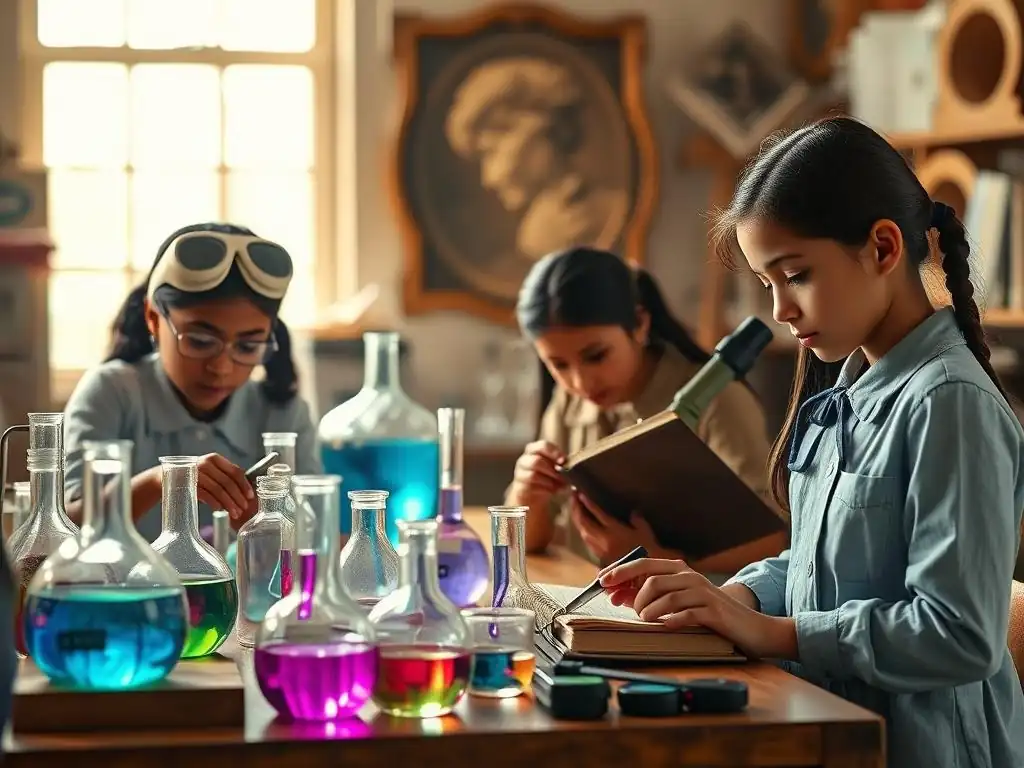
Welcome to WomenInScienceHistory.com!
Dive into a world where groundbreaking discoveries meet inspiring stories. Ever wondered how to ignite a young girl's passion for science? Our latest article, " Chemistry gifts girls role models," explores how carefully chosen presents can spark curiosity and introduce them to the incredible legacy of women in chemistry. Uncover unique gift ideas that not only entertain but also empower, connecting them to the remarkable achievements of female scientists who paved the way. Prepare to be inspired and discover how you can help shape the next generation of innovators.
- Inspiring the Next Generation of Women Chemists: Chemistry Gift Ideas
-
Chemistry Gifts Inspired by Pioneering Women Scientists
- The Marie Curie Chemistry Set: A Radioactive Adventure (Safe & Educational!)
- The Rosalind Franklin DNA Model Kit: Unraveling the Secrets of Life
- The Dorothy Hodgkin Crystal Growing Kit: Discovering the Beauty of Molecular Structures
- The Alice Ball Soap Making Kit: A Tangible Connection to a Forgotten Pioneer
- Beyond Chemistry Sets: Other Gift Ideas for Budding Female Scientists
- Selecting the Perfect Chemistry Gift: Considerations for Age and Interest
- Investing in the Future of Women in Science: Supporting STEM Education
-
Frequently Asked Questions
- What kind of chemistry gifts are suitable for girls interested in science, especially those inspired by women role models?
- How can chemistry gifts help inspire girls to pursue careers in STEM fields?
- Why is it important to highlight women role models in science, particularly in chemistry?
- Where can I find resources to learn more about influential women in chemistry history?
- How does linking chemistry gifts to female role models empower future innovators?
- Final Reflection: Igniting Curiosity, Shaping Futures
- Ignite Her Curiosity: Discover the Perfect Chemistry Gift!
Inspiring the Next Generation of Women Chemists: Chemistry Gift Ideas
Celebrating Women in Chemistry: Gifts that Spark Curiosity
For centuries, women have made invaluable, though often unsung, contributions to the field of chemistry, from groundbreaking discoveries of elements to revolutionary medical treatments. Thoughtfully chosen chemistry gifts for girls can serve as powerful tools to celebrate these historical achievements and ignite a similar spark of curiosity in young minds. By providing tangible, engaging experiences, these gifts transform abstract scientific concepts into exciting, hands-on adventures, making the world of atoms, molecules, and reactions accessible and captivating.
These specific, inspiring gifts do more than just entertain; they lay foundational knowledge and foster an early appreciation for the scientific method. They encourage young girls to ask "why" and "how," to experiment, observe, and draw conclusions, mimicking the very processes that led pioneering women chemists to their breakthroughs. Such early exposure is crucial for cultivating a lifelong passion for science and empowering the next generation of female innovators to explore the vast possibilities within chemistry.
Why Chemistry Gifts for Girls Matter: Role Models and STEM Education
The representation of women in STEM fields, particularly in leadership and research roles, continues to be a significant area of focus. While women earn about half of all STEM degrees, they constitute only approximately 28% of the STEM workforce in the United States, according to data from 2022.
This disparity underscores the critical need for visible role models and early encouragement to ensure girls see themselves as capable and welcome participants in scientific endeavors. Chemistry gifts for girls that are explicitly linked to the legacy of pioneering women scientists directly address this gap by providing tangible connections to successful female figures.
Beyond mere inspiration, providing engaging chemistry gifts fosters essential STEM literacy from a young age. These resources develop critical thinking, problem-solving skills, and a fundamental understanding of the natural world. By making chemistry fun and relatable, these gifts build confidence and dismantle stereotypes, demonstrating that scientific exploration is a field where girls can not only participate but also excel and lead, contributing to a more diverse and innovative future in science.
Chemistry Gifts Inspired by Pioneering Women Scientists
The Marie Curie Chemistry Set: A Radioactive Adventure (Safe & Educational!)
Marie Curie, a name synonymous with scientific brilliance, remains one of history's most inspiring figures. Born Maria Skłodowska in Poland in 1867, she became a naturalized French citizen and a true pioneer in the field of radioactivity.
Her groundbreaking work, conducted with her husband Pierre Curie, led to the discovery of two new elements: polonium, named after her native country, and radium. She was the first woman to win a Nobel Prize (Physics, 1903), the first person and only woman to win the Nobel Prize twice, and the only person to win the Nobel Prize in two different scientific fields (Chemistry, 1911).
A chemistry set bearing Marie Curie's name can ignite a similar spirit of discovery in young girls, though focusing on safe and educational explorations of chemical principles rather than actual radioactivity. Such a set allows aspiring young chemists to delve into the fundamental concepts of matter, reactions, and states of change. It transforms abstract theories into exciting, hands-on experiments, providing a tangible way to connect with the very essence of scientific inquiry that defined Curie's illustrious career.
Features of the Marie Curie Chemistry Set: Thames & Kosmos Kids First Chemistry Set
A typical "Marie Curie Chemistry Set," such as the Thames & Kosmos Kids First Chemistry Set, is designed with young learners in mind, generally suitable for ages eight and up. These kits often include a range of child-safe lab equipment like plastic test tubes, beakers, pipettes, and safety goggles. The chemicals provided are usually common household substances or non-toxic reagents, such as baking soda, citric acid, red cabbage powder for pH indication, and various salts, ensuring a safe learning environment.
The experiments in these sets are carefully crafted to introduce basic chemical reactions and observations. Children can conduct activities like creating fizzing volcanoes, making colorful solutions, growing simple crystals, or understanding acids and bases through color changes. Each experiment is typically accompanied by a detailed, illustrated instruction manual that explains the scientific principles behind the reactions, fostering a deeper understanding of fundamental chemical concepts in an accessible and engaging manner.
Why It's Perfect for Aspiring Chemists: Hands-on Learning & Historical Context
The hands-on nature of a chemistry set is unparalleled for fostering a profound understanding of scientific principles. Rather than passively reading about reactions, children actively participate in them, mixing substances, observing changes, and recording results. This experiential learning approach helps solidify concepts like chemical bonding, solubility, and energy transfer in a way that traditional textbook learning often cannot, transforming abstract ideas into concrete, memorable experiences.
Furthermore, a set named after Marie Curie subtly introduces young girls to a real-life scientific hero, making the field of chemistry more relatable and inspiring. It provides historical context, showing that the exciting experiments they perform are part of a larger, ongoing scientific journey pioneered by brilliant minds like Curie. This connection can empower girls to see themselves as part of a rich lineage of female scientists, encouraging them to pursue their own scientific inquiries and potentially become the next generation of influential chemistry gifts girls role models.
The Rosalind Franklin DNA Model Kit: Unraveling the Secrets of Life
Rosalind Franklin, a brilliant British chemist and X-ray crystallographer, played a pivotal, though often under-recognized, role in one of the 20th century's most significant scientific discoveries: the structure of DNA. Her meticulous X-ray diffraction images, particularly "Photo 51," provided critical evidence that enabled James Watson and Francis Crick to deduce the double helix structure of DNA in 1953. Despite her profound contributions to the understanding of DNA, RNA, viruses, coal, and graphite, her work was not fully acknowledged during her lifetime, dying tragically young at 37.
A DNA model kit provides a tangible and engaging way to explore the intricacies of molecular biology and genetics, fields deeply rooted in chemistry, while simultaneously honoring Franklin's legacy. By physically constructing the DNA molecule, young girls can gain a deeper appreciation for the complex beauty of life's blueprint and the rigorous scientific methods, like X-ray crystallography, that reveal such hidden structures. This hands-on experience offers a unique opportunity to connect with Franklin's groundbreaking work and understand its immense impact.
Learning About DNA Structure: Educational Fun with the 3D Molecular Visions DNA Model Kit
A quality DNA model kit, such as the 3D Molecular Visions DNA Model Kit, typically includes color-coded components representing the four nitrogenous bases (adenine, thymine, guanine, cytosine), phosphate groups, and deoxyribose sugars. These pieces are designed to snap or connect together, allowing users to physically assemble segments of the DNA double helix. The kit might also include a stand or a flexible backbone to illustrate the helical twist.
The educational value lies in the direct manipulation of the molecular components. Users learn about the specific base pairing rules (adenine always pairs with thymine, and guanine with cytosine), the antiparallel nature of the two DNA strands, and the overall helical structure that dictates DNA's function. This tactile learning experience makes abstract concepts concrete, helping to visualize the intricate architecture of the molecule that carries all genetic information.
Rosalind Franklin's Legacy: A Powerful Lesson in Scientific Perseverance
Connecting the DNA model kit to Rosalind Franklin's story adds a profound layer of historical and ethical context. Franklin's meticulous work, precision, and dedication to her X-ray diffraction studies were paramount to uncovering DNA's structure. Her journey, marked by significant challenges and the initial oversight of her contributions, teaches young girls about the realities of scientific research, including perseverance, the importance of accurate data, and the sometimes complex dynamics of scientific collaboration and recognition.
By highlighting Franklin's legacy, the kit becomes more than just an educational toy; it's a powerful lesson in scientific integrity and resilience. It encourages young girls to appreciate the often-unseen efforts behind major discoveries and to advocate for proper recognition of all scientists. This deepens the impact of chemistry gifts girls role models by showing that scientific success is often built on tireless effort and unwavering commitment, even in the face of adversity.
The Dorothy Hodgkin Crystal Growing Kit: Discovering the Beauty of Molecular Structures
Dorothy Hodgkin, a brilliant British chemist, revolutionized the field of biochemistry through her pioneering work in X-ray crystallography. Born in Cairo in 1910, her exceptional talent for deciphering complex molecular structures earned her the Nobel Prize in Chemistry in 1964. Her most significant achievements include determining the precise three-dimensional structures of penicillin (1945), vitamin B12 (1955), and insulin (1969), work that had profound implications for medicine and biology.
A crystal growing kit offers a direct, hands-on experience that mirrors the essence of Hodgkin's scientific pursuit: observing the ordered arrangement of molecules. While Hodgkin used sophisticated X-ray techniques to "see" molecules invisible to the naked eye, a crystal growing kit allows children to visually appreciate how individual chemical units combine to form beautiful, macroscopic structures. It provides an accessible entry point into the world of molecular architecture and the fascinating principles of crystallography.
Growing Your Own Crystals: A Fun and Engaging Chemistry Experiment with National Geographic Mega Crystal Growing Lab
A popular crystal growing kit, such as the National Geographic Mega Crystal Growing Lab, typically provides all the necessary components to grow vibrant, unique crystals. These kits usually include a growing solution (often a supersaturated solution of compounds like monoammonium phosphate or alum), a seed crystal, a growing chamber, and sometimes various dyes to produce colorful crystals. The process is relatively simple: the solution is heated, a seed crystal is introduced, and as the solution cools and evaporates, the dissolved salt molecules slowly precipitate and arrange themselves into larger, geometric structures.
Children can observe the fascinating process over several days, watching tiny seed crystals transform into impressive formations. This engaging experiment introduces fundamental scientific principles such as solubility, saturation, nucleation, and the concept of crystal lattice formation. It’s a captivating demonstration of physical chemistry in action, showing how seemingly simple components can combine to create complex and aesthetically pleasing structures.
Dorothy Hodgkin's Impact on X-ray Crystallography: Understanding Complex Molecules
Dorothy Hodgkin's work in X-ray crystallography was nothing short of revolutionary. By bombarding crystallized molecules with X-rays and analyzing the diffraction patterns, she was able to deduce the exact 3D atomic arrangement of incredibly complex biological molecules. Her determination of the penicillin structure, for instance, was crucial for its mass production and understanding its antibiotic mechanism. Similarly, her elucidation of vitamin B12's structure provided insights into pernicious anemia, and her 34-year endeavor to map insulin's structure paved the way for improved diabetes treatments.
While a crystal growing kit is a simplified analogy, it introduces the core concept of ordered molecular structures that Hodgkin dedicated her life to understanding. It inspires an appreciation for the hidden beauty and complexity at the molecular level, demonstrating that even the smallest particles adhere to precise arrangements. By associating this activity with Dorothy Hodgkin, chemistry gifts girls role models are celebrated, showing young girls that a keen eye for structure and meticulous investigation can lead to profound scientific breakthroughs with real-world applications.
The Alice Ball Soap Making Kit: A Tangible Connection to a Forgotten Pioneer
Alice Ball (1892–1916) was an extraordinary African American chemist whose groundbreaking work developed the "Ball Method," the most effective treatment for leprosy in the early 20th century. Born in Seattle, Washington, she was the first African American and first woman to receive a master's degree from the University of Hawaii and subsequently became the first female chemistry instructor at the institution. Her innovative method involved making the active compounds of chaulmoogra oil water-soluble and injectable, a significant advance over previous, ineffective treatments. Tragically, she died at just 24, and her work was initially misattributed to her male mentor.
A soap-making kit offers a unique and tangible connection to Alice Ball's legacy, as the process of making soap (saponification) is a type of esterification, a chemical reaction involving esters. Ball's method fundamentally relied on modifying the esters in chaulmoogra oil to create a more effective drug. By engaging in the chemistry of soap creation, young girls can experience a practical application of organic chemistry principles, while simultaneously learning about a remarkable, often overlooked, female pioneer whose work profoundly impacted global public health.
Crafting Soap Inspired by Alice Ball's Work: Learn About Esterification and Chemistry
Soap making is a classic example of saponification, a chemical reaction where fats or oils (which are triglycerides, a type of ester) react with a strong alkali, such as sodium hydroxide (lye), to produce soap (a salt of a fatty acid) and glycerin. A typical soap-making kit usually includes a pre-made soap base (often melt-and-pour glycerin soap), molds, fragrances, colorants, and sometimes botanicals. While not requiring lye for safety in child-friendly kits, the process still illustrates the principles of chemical transformation from raw ingredients to a finished product.
Through this hands-on activity, participants learn about the properties of different oils, the role of emulsification, and how various additives can alter the final product. It’s a creative way to explore basic organic chemistry and material science. The kit allows for experimentation with scents and textures, demonstrating how chemistry is not just about abstract formulas but also about creating useful and aesthetically pleasing items for everyday life.
The Story of Alice Ball: Overcoming Obstacles and Making a Difference
Alice Ball's story is one of immense brilliance and resilience in the face of significant racial and gender barriers in early 20th-century academia. Her rapid ascent to a master's degree and an instructor position at a major university was unprecedented for an African American woman at the time.
Her discovery of the injectable leprosy treatment at only 23 years old revolutionized patient care, moving from painful, ineffective topical applications to a viable systemic therapy. Unfortunately, her untimely death from suspected chlorine poisoning meant she could not publish her findings, and her university president initially attempted to claim credit for her work, highlighting the systemic inequities she faced.
The soap-making kit, by drawing a line to Alice Ball's work, provides an opportunity to narrate her inspiring, yet poignant, story. It teaches young girls not only about the chemistry of esters and fats but also about perseverance, the importance of recognizing uncredited contributions, and how scientific innovation can directly improve human lives. This connection reinforces the idea that chemistry gifts girls role models can be found in diverse historical contexts, inspiring young girls to overcome obstacles and make their own significant contributions to science and society.
Beyond Chemistry Sets: Other Gift Ideas for Budding Female Scientists
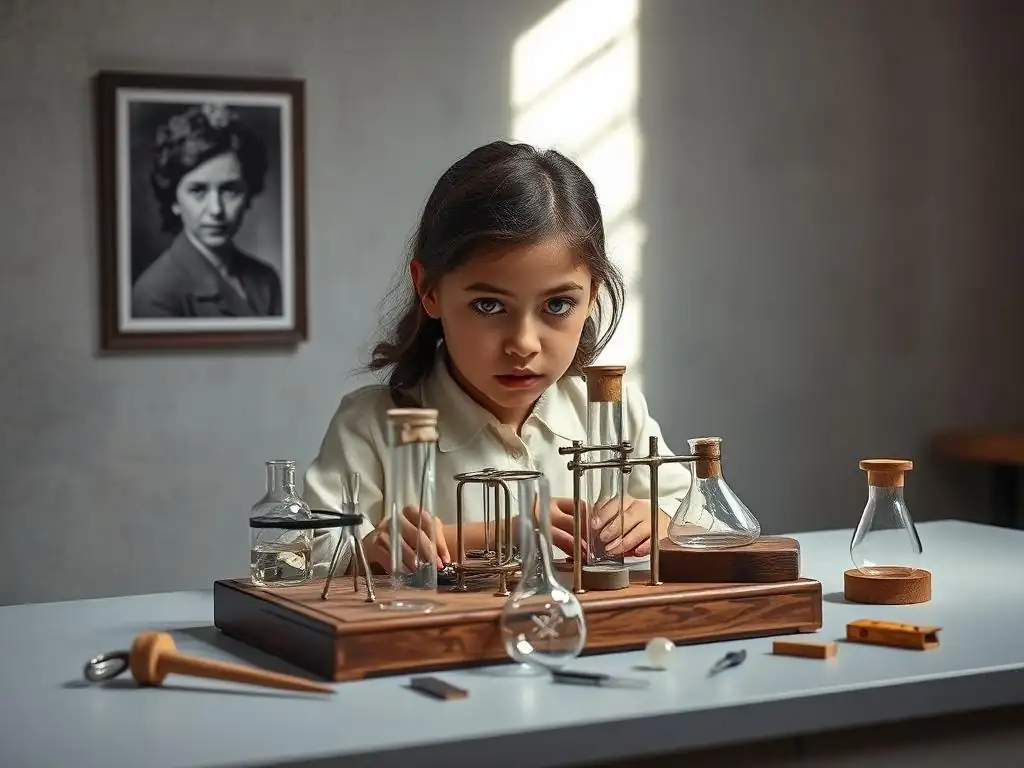
Chemistry-Themed Apparel: T-shirts and Accessories Celebrating Women in Science
Beyond traditional kits, chemistry-themed apparel offers a subtle yet powerful way for young girls to express their passion for science. These items, ranging from t-shirts to hoodies and socks, can feature designs like intricate chemical formulas, playful periodic table elements, or empowering quotes from famous scientists. Wearing such apparel normalizes an interest in STEM fields for girls, demonstrating that science is not just for the lab but can be integrated into everyday life and personal style.
This type of gift serves as a constant, visible affirmation of a girl's identity as a budding scientist. It can be a conversation starter, allowing her to share her interests and potentially inspire peers. More importantly, it contributes to a positive self-image, reinforcing the idea that she belongs in scientific spaces and that her intellectual curiosity is something to be celebrated and proudly displayed.
"Future Chemist" T-shirts: Empowering Messages for Young Girls
T-shirts emblazoned with phrases like "Future Chemist," "Science is My Superpower," or "Girls in STEM" carry a direct and empowering message. For young girls, seeing such declarations on their clothing can be incredibly affirming, helping them to internalize the idea that a career in chemistry or other scientific fields is not only possible but also a path they can actively pursue. These shirts act as personal billboards of ambition and potential.
The visual representation of these messages helps to dismantle gender stereotypes surrounding scientific professions. When a girl wears a "Future Chemist" shirt, she is not only expressing her interest but also subtly challenging outdated notions about who belongs in science. This visual reinforcement can boost her confidence, provide a sense of belonging, and inspire her to continue exploring her scientific interests, making them powerful chemistry gifts girls role models in wearable form.
Jewelry Inspired by Chemical Structures: A Stylish Way to Show a Love for Chemistry
For older girls and teens, jewelry inspired by chemical structures offers a sophisticated and stylish way to showcase a love for chemistry. This can include necklaces featuring the molecular structures of serotonin (the "feel-good" molecule), caffeine, or dopamine. Other designs might incorporate abstract representations of atomic orbitals, geometric patterns from crystallography, or even minimalist renderings of laboratory equipment like beakers or flasks.
These unique accessories blend fashion with scientific interest, demonstrating that intellect and curiosity can be elegantly expressed. They serve as subtle, yet meaningful, reminders of the beauty and relevance of chemical principles in everyday life and the human body. Such gifts can encourage discussions about the science behind the design, fostering a deeper appreciation for chemistry in a way that resonates with personal style and makes it a more integrated part of their identity.
Books about Women in Chemistry: Biographies and Inspiring Stories
Books offer an unparalleled depth of insight into the lives and work of pioneering women in chemistry, providing rich narratives that go beyond simple facts. Biographies and collections of inspiring stories allow young readers to immerse themselves in the historical context, understand the challenges these women faced, and celebrate their triumphs. These narratives foster empathy, resilience, and a broader understanding of the scientific process as a human endeavor, complete with setbacks and breakthroughs.
Reading about these role models can ignite a profound sense of possibility and purpose. It shows young girls that scientific innovation often requires persistence, creativity, and a willingness to challenge existing norms. These books provide a crucial intellectual connection to the legacy of women in science, making complex scientific concepts more accessible through engaging storytelling and demonstrating the diverse paths to scientific discovery.
"Women in Science: 50 Fearless Pioneers Who Changed the World"
Rachel Ignotofsky's "Women in Science: 50 Fearless Pioneers Who Changed the World" is an excellent example of a book that celebrates female contributions across various STEM fields, including chemistry. Designed with vibrant illustrations and concise, engaging biographies, it introduces readers to a diverse array of women, from well-known figures like Marie Curie to lesser-known but equally impactful scientists like Katherine Johnson (mathematician) and Alice Ball (chemist).
This book's accessible format makes it suitable for a wide age range, from middle-grade readers to young adults. It provides a broad spectrum of chemistry gifts girls role models, showcasing the myriad ways women have contributed to scientific progress despite societal barriers. By highlighting their resilience, ingenuity, and passion, the book serves as a powerful source of inspiration, encouraging girls to envision themselves as future innovators and problem-solvers.
"Lab Girl" by Hope Jahren: A Memoir for Older Teens and Young Adults
For older teens and young adults with a burgeoning interest in science, "Lab Girl" by Hope Jahren offers a compelling and deeply personal memoir. Jahren, an acclaimed geochemist and geobiologist, chronicles her life-long passion for plants, trees, and the scientific process itself. The book delves into the realities of academic research, the challenges of setting up a lab, and the profound satisfaction of scientific discovery, all intertwined with her unique perspective as a woman in a male-dominated field.
"Lab Girl" is particularly valuable for its honest portrayal of the dedication, grit, and often messy reality of a scientific career. It explores themes of mentorship, perseverance through setbacks, and the intense intellectual and emotional connection scientists form with their work. This memoir provides a realistic yet profoundly inspiring look at life in the lab, offering a nuanced and relatable chemistry gifts girls role models perspective for those considering a path in scientific research.
Chemistry Subscription Boxes: A Gift That Keeps on Giving
Chemistry subscription boxes represent a dynamic and continuous gift that keeps on giving throughout the year. Rather than a single kit, these services deliver new, curated experiments and activities directly to a child's door on a monthly or quarterly basis. This regular influx of fresh content ensures sustained engagement and provides a consistent opportunity for hands-on scientific exploration, preventing interest from waning after a single set is completed.
The ongoing nature of subscription boxes fosters a deeper, cumulative learning experience. Each box typically builds on previous concepts or introduces new ones, allowing children to progressively develop their skills and knowledge in chemistry. This continuous exposure to diverse experiments and scientific principles encourages children to think like scientists, fostering an enduring love for learning and discovery that extends beyond individual projects.
Monthly Experiments and Activities: MEL Chemistry Subscription Box
MEL Chemistry is a prominent example of a high-quality chemistry subscription box designed for children aged 10-14, though younger children can participate with adult supervision. Each month, subscribers receive a new set of experiments, complete with all necessary chemicals, equipment, and detailed instructions. The kits often focus on specific chemical topics, such as polymers, electrochemistry, or crystal growth, ensuring a comprehensive learning experience.
What sets MEL Chemistry apart is its commitment to safety and educational rigor. The experiments are designed to be safe for home use, and many kits include an accompanying augmented reality (AR) app that allows children to visualize molecules and reactions in 3D, enhancing their understanding. The variety of experiments, from creating synthetic snow to observing chemical reactions that change color or produce gas, ensures that learning is always exciting and directly applicable to real-world chemistry.
Developing Skills and Knowledge Over Time: Hands-on Learning Delivered to Your Door
The consistent delivery of chemistry subscription boxes plays a crucial role in developing both practical skills and theoretical knowledge over time. Each month, children are introduced to new experimental techniques, from measuring and mixing to observing and documenting, refining their laboratory skills with every project. This regular practice builds confidence and competence in handling scientific apparatus and following procedures.
Furthermore, the curated curriculum of these boxes ensures a gradual progression in understanding chemical concepts. By revisiting core ideas in different contexts and introducing new principles systematically, children build a robust foundation in chemistry. This sustained engagement fosters independent learning and encourages a deeper, long-term exploration of scientific principles, making the subscription box a powerful tool for nurturing a lasting passion for the subject and inspiring the next generation of chemistry gifts girls role models.
Selecting the Perfect Chemistry Gift: Considerations for Age and Interest
Age-Appropriate Chemistry: Ensuring Safety and Engagement
When selecting chemistry gifts for girls, ensuring age-appropriateness is paramount for both safety and sustained engagement. Kits designed for younger children, typically aged 5-7, often focus on basic physical changes and safe household reactions, such as making slime with non-toxic ingredients or creating simple erupting volcanoes with baking soda and vinegar. These sets prioritize gross motor skills and visual observation, with minimal complex instructions.
For children aged 8-12, kits can introduce more complex chemical reactions and scientific concepts, often involving slightly more specialized (but still safe) chemicals and equipment like litmus paper for pH testing or crystal growing solutions. Teenagers and young adults, on the other hand, might benefit from advanced kits that delve into organic chemistry, electrochemistry, or even molecular biology, requiring more precise measurements and a deeper understanding of theoretical principles. Always check the manufacturer's recommended age range and consider the child's developmental stage and ability to follow instructions independently or with supervision.
Matching Gifts to Specific Interests: From Molecular Biology to Material Science
To maximize a gift's impact, it's beneficial to tailor it to the girl's specific scientific interests. While chemistry is a broad field, it intersects with many other disciplines. For a girl fascinated by living organisms, a DNA model kit or a biochemistry-focused experiment might be more captivating than a general chemistry set. If she enjoys building and creating, a material science kit focusing on polymers, plastics, or even the chemistry of art supplies could be an excellent fit.
Consider whether she's drawn to the physical aspects of reactions, the biological implications of molecules, or the environmental applications of chemistry. Does she love cooking (chemistry of food)? Does she enjoy puzzles and problem-solving (analytical chemistry)? By identifying these nuances, you can select a gift that resonates deeply with her existing curiosities, fostering a more profound and personalized connection to the world of chemistry and its diverse applications.
Reading Reviews and Checking Safety Standards: Making Informed Decisions
Before purchasing any chemistry gift, especially those containing chemicals or specialized equipment, it is crucial to conduct thorough research. Reading reviews from other parents, educators, and science enthusiasts can provide valuable insights into a product's educational effectiveness, durability, and overall user experience. Look for comments on clarity of instructions, quality of materials, and how well the kit holds a child's interest over time.
Equally important is verifying the safety standards and certifications of the product. In the United States, look for compliance with ASTM F963 (Standard Consumer Safety Specification for Toy Safety), and in Europe, ensure it carries the CE marking. Confirm that all chemicals are clearly labeled, non-toxic for the intended age group, and accompanied by proper handling instructions. Prioritizing safety ensures that the learning experience is not only engaging but also entirely secure, allowing young girls to explore chemistry with confidence.
Investing in the Future of Women in Science: Supporting STEM Education
The Importance of Role Models: Inspiring Confidence and Ambition
The presence of strong female role models is undeniably one of the most powerful catalysts for inspiring confidence and ambition in young girls considering STEM careers. When girls see women who have achieved remarkable success in chemistry, physics, engineering, or biology, it dismantles pervasive stereotypes and provides tangible proof that these fields are open to them. Figures like Marie Curie, Rosalind Franklin, Dorothy Hodgkin, and Alice Ball demonstrate that intelligence, perseverance, and curiosity know no gender boundaries.
These chemistry gifts girls role models serve as beacons, showing young girls what is possible and helping them to envision their own future contributions to science. They instill a belief in their own capabilities, encouraging them to pursue challenging subjects, ask bold questions, and persist through difficulties. This inspiration is not just about choosing a career; it's about fostering a mindset of empowerment and limitless potential.
Encouraging Curiosity and Exploration: Fostering a Love of Learning
At its heart, science is driven by curiosity and the desire to explore the unknown. The chemistry gifts discussed – from hands-on sets to engaging books and subscription boxes – are designed to ignite and sustain this innate curiosity in young girls. By providing opportunities for experimentation, observation, and discovery, these gifts transform learning from a passive activity into an active, exciting adventure.
Fostering a love of learning through such interactive tools is paramount. It teaches girls that mistakes are part of the discovery process, that persistence yields results, and that understanding the world around them is an endlessly rewarding endeavor. This foundational love for exploration and inquiry extends beyond chemistry, cultivating critical thinking skills and a lifelong passion for knowledge that will benefit them in any path they choose.
By purchasing these Chemistry Gifts for Girls: You're making a difference!
Every thoughtfully chosen chemistry gift inspired by pioneering women scientists is more than just a toy or a book; it's an investment in a girl's potential and a powerful statement about the future of STEM. By providing these resources, you are directly contributing to the growth of her scientific literacy, her confidence, and her understanding that she, too, can make significant contributions to the world.
These gifts are pathways to discovery, tools for empowerment, and tangible connections to a legacy of brilliant women who paved the way. They help to diversify the scientific landscape, ensuring that the next generation of innovators includes a strong, vibrant contingent of female chemists. By choosing to highlight chemistry gifts girls role models, you are actively making a difference in inspiring the scientists, engineers, and problem-solvers of tomorrow.
Frequently Asked Questions
What kind of chemistry gifts are suitable for girls interested in science, especially those inspired by women role models?
Gifts could include chemistry sets, microscopes, or books about female chemists. Consider items that encourage hands-on experimentation and learning about scientific history.
How can chemistry gifts help inspire girls to pursue careers in STEM fields?
Chemistry gifts can spark curiosity and interest in science at a young age. They demonstrate that science is accessible and engaging, fostering a lifelong love of learning.
Why is it important to highlight women role models in science, particularly in chemistry?
Highlighting women like Marie Curie or Rosalind Franklin shows girls that they can succeed in STEM. It combats the gender gap and provides positive examples to emulate.
Where can I find resources to learn more about influential women in chemistry history?
Websites like WomenInScienceHistory.com offer biographies and information about pioneering women. Look for books and documentaries that showcase their achievements and struggles.
How does linking chemistry gifts to female role models empower future innovators?
Connecting gifts to role models creates a stronger connection to science for girls. It shows that they are part of a larger legacy and encourages them to pursue their potential.
Final Reflection: Igniting Curiosity, Shaping Futures
The journey through chemistry gifts for girls, inspired by remarkable women, culminates in a powerful realization: empowerment begins with opportunity. By providing young girls with engaging tools and inspiring role models, we actively dismantle the barriers that have historically limited their participation in STEM fields. This isn't just about selling toys; it's about fostering a generation of confident, innovative problem-solvers.
This exploration has deeply impacted my perspective on the importance of representation and accessible learning. Seeing the potential in every child, regardless of gender, to contribute to scientific advancement is profoundly moving. You cannot be what you cannot see.
This quote underscores the critical need for visible female role models in chemistry, paving the way for future generations to believe in their own scientific capabilities.
Now, I invite you to reflect on the impact you can have. Consider how you can nurture the curiosity of the young girls in your life, not just with gifts, but with encouragement, mentorship, and unwavering belief in their potential. Let us collectively champion their scientific aspirations and empower them to become the groundbreaking innovators of tomorrow.
Ignite Her Curiosity: Discover the Perfect Chemistry Gift!
Thank you for exploring the world of inspiring chemistry gifts for girls! We hope this article sparked some exciting ideas and showed you how to encourage the next generation of female scientists. Ready to take action?
Here are a few things you can do right now:
- Dive into hands-on learning: Choose one of the recommended chemistry sets and start a fun science project with a young girl in your life.
- Spread the inspiration: Share this article with friends and family who are looking for meaningful gifts.
- Explore the Legacy: Search "WomenInScienceHistory.com" for remarkable stories of women who shaped the world of Chemistry!
What innovative chemistry project will you explore first?