
The "Wise Women": Unpacking Stereotypes and Realities of Pre18th Century Female Healers

Welcome to WomenInScienceHistory.com!
Delve into the untold stories of women who shaped the scientific landscape. This month, we're exploring the fascinating, often misunderstood world of female healers in the 18th century. Were they truly "wise women," or victims of societal prejudice? Join us as we unpack the stereotypes and uncover the realities of their contributions to biology and medicine, establishing a deeper understanding of their vital roles in pre-modern healthcare. Prepare to challenge your perceptions and discover the hidden history of these pioneering figures!
- Unveiling the Healers: Examining the Roles of Pre-18th Century Women in Medicine
- Introduction: Re-evaluating the Historical Contributions of Women in Healthcare
- The Myth of the "Witch": Separating Fact from Fiction
- Realities of Pre-18th Century Female Healthcare Providers
- Female Healthcare Providers in Varied Social Environments
- Analyzing Historical Evidence: Documents and Oral Histories
- Gender Bias and the Suppression of Female Medical Practitioners
- Case Studies: Examples of Significant Pre-18th Century Female Medical Practitioners
- The Enduring Legacy of Pre-18th Century Female Healers
- Conclusion: Acknowledging the Vital Contributions of Women in Early Medicine
-
Frequently Asked Questions
- How does WomenInScienceHistory.com contribute to understanding "Female healers 18th century"?
- What kind of information can I find about pre-18th century female healers on WomenInScienceHistory.com?
- Why is it important to understand the "Wise Women" stereotype when studying 18th-century female healers?
- What kind of "groundbreaking work" did pre-18th century female healers engage in that is discussed on WomenInScienceHistory.com?
- How does WomenInScienceHistory.com address the "male-dominated arenas" that impacted female healers?
- Final Reflection: Reclaiming the Legacy of Female Healers
- Unearth Your Inner Wise Woman!
Unveiling the Healers: Examining the Roles of Pre-18th Century Women in Medicine
Introduction: Re-evaluating the Historical Contributions of Women in Healthcare
The Significance of Understanding Women's Roles in Pre-18th Century Medicine
For centuries, the narrative of medical history has predominantly focused on male figures, institutional advancements, and formal scientific breakthroughs. However, a comprehensive understanding of healthcare before the 18th century necessitates a deep dive into the pervasive and often unacknowledged contributions of women. These female healers were not merely adjuncts to formal medicine; they were the primary healthcare providers for the vast majority of the population, particularly in rural areas and within households, offering practical solutions for everyday ailments and life-threatening conditions alike.
Recognizing the roles of these women is crucial for challenging the traditional, male-centric view of medical progress. It illuminates how communities managed health, childbirth, and disease long before the advent of modern hospitals and licensed physicians. Their contributions shed light on the intricate social fabric of pre-18th century societies, where health was often a domestic and communal responsibility, largely overseen by knowledgeable female healers.
Deconstructing Common Misconceptions Surrounding Female Healers
A pervasive misconception casts female healers of this era primarily as "witches" or practitioners of unscientific, superstitious methods. This stereotype, fueled by historical persecutions and later misinterpretations, often obscures the empirical knowledge and practical skills these women possessed. While some practices might seem unscientific by modern standards, many were based on centuries of observation, experimentation, and inherited wisdom, forming a robust system of traditional medicine.
It is essential to distinguish between genuine healing practices and the malicious accusations that demonized independent female knowledge. Many female healers were respected community figures, relied upon for their expertise in herbalism, midwifery, and general care. Deconstructing these myths allows for a more accurate and respectful portrayal of their vital contributions to public health and welfare before the 18th century.
The Myth of the "Witch": Separating Fact from Fiction
The Association of Female Knowledge with Superstition and Witchcraft
From the late 15th through the 17th centuries, Europe experienced intense periods of witch hunts, during which thousands of individuals, predominantly women, were accused, tortured, and executed. Often, these accusations targeted women who possessed traditional knowledge, particularly those engaged in healing practices, herbalism, or midwifery. The independent nature of female healers and their perceived power over life and death (especially in childbirth) made them vulnerable scapegoats during times of social upheaval, religious fervor, and emerging medical professionalization.
Texts like the Malleus Maleficarum (1487), a notorious guide for witch hunters, explicitly linked female sexuality, knowledge, and healing abilities with demonic influence. This intellectual and theological justification for persecution served to systematically undermine the authority and legitimacy of female healers, transforming their trusted community roles into dangerous, heretical activities. The fear and suspicion cultivated by these narratives had a chilling effect on the open practice of traditional medicine by women.
The Impact of Misinformation on the Historical Perception of Female Healers
The narrative of the "witch" profoundly distorted the historical record of female healers, effectively erasing their legitimate medical contributions from mainstream accounts for centuries. By labeling their knowledge as superstitious or diabolical, male-dominated institutions and historians often dismissed their practices as irrelevant or harmful. This misrepresentation created a biased view of early medical history, where women's roles were either ignored or demonized.
The long-term impact of this misinformation is still felt today, contributing to a persistent undervaluation of women's historical contributions to science and medicine. It obscures the fact that countless lives were saved and suffering alleviated by these competent practitioners. Unpacking these historical biases is crucial for gaining a more complete and accurate understanding of how healthcare evolved, and the fundamental role female healers played in that evolution, particularly before the 18th century.
Realities of Pre-18th Century Female Healthcare Providers
Botanical Expertise and Traditional Healing Practices
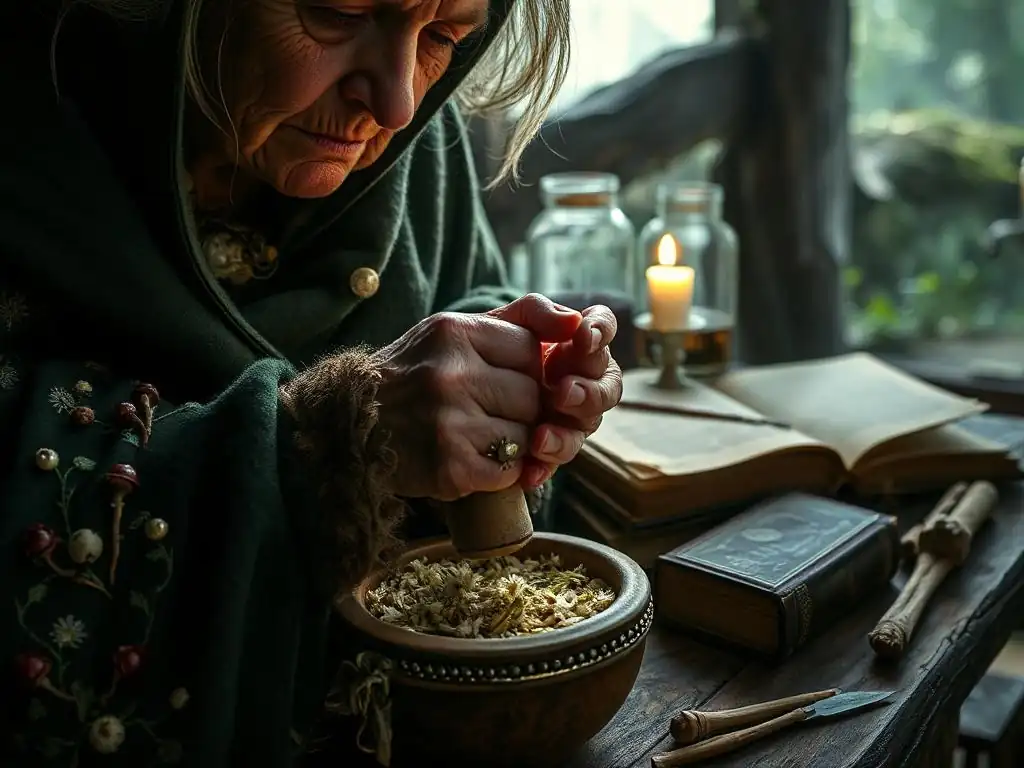
One of the most significant contributions of female healers before the 18th century was their profound botanical knowledge. Passed down through generations, often orally or through practical apprenticeship, this expertise allowed them to identify, gather, and prepare a vast array of medicinal plants. They understood the properties of herbs like willow bark (a natural source of salicylic acid, the precursor to aspirin, used for pain and fever), foxglove (containing digitalis, used for heart conditions), and various calming or antiseptic herbs like chamomile and lavender.
This botanical wisdom was the foundation for countless remedies, from poultices for wounds and skin ailments to teas for digestive issues and tonics for general vitality. These treatments were often the only accessible and affordable healthcare options for the vast majority of the population. The practical application of this knowledge demonstrates a sophisticated, empirical approach to health, grounded in observation and successful outcomes, making these female healers indispensable to their communities.
The Essential Role of Women in Midwifery and Childbirth
In pre-18th century societies, childbirth was almost exclusively overseen by women, making midwives arguably the most universally recognized female healers. Midwives possessed invaluable hands-on experience and intimate knowledge of the birthing process, accumulated over decades of assisting countless deliveries. They provided not only assistance during labor but also crucial prenatal and postnatal care, advised on fertility, and looked after the health of newborns. Their role extended beyond the physical, often offering emotional support and spiritual guidance to expectant mothers.
Midwives were deeply integrated into their communities, often serving as trusted figures for entire villages or neighborhoods. Their expertise was vital in an era with high maternal and infant mortality rates, where their practical skills were often the difference between life and death. While their tools were limited, their knowledge of anatomy, labor progression, and the management of common complications was paramount, solidifying their status as central figures among female healers.
Diverse Healing Skills Beyond Herbalism
Beyond their extensive botanical knowledge and central role in midwifery, female healers before the 18th century possessed a wide array of other practical medical skills. They were often adept at setting simple bone fractures, treating various types of wounds with antiseptics derived from plants, and performing minor surgical procedures such as lancing boils or removing splinters. Their understanding of basic hygiene, rudimentary sanitation, and nutrition within the household also contributed significantly to community health.
These women were often the first and only point of medical contact for families, providing palliative care for the chronically ill and comforting the dying. Their holistic approach, combining physical treatment with emotional and spiritual support, made them comprehensive healthcare providers. The diverse skillset of these female healers underscores their adaptability and the crucial, multifaceted nature of their contributions to health and well-being across all social strata.
Village Healers: Providing Accessible Care in Rural Areas
In the vast rural landscapes of pre-18th century Europe, formal medical practitioners were scarce, and even if available, often too expensive for the common populace. It was here that village female healers thrived, serving as the accessible cornerstone of community healthcare. These women, often known as "wise women" or "cunning folk," were typically self-taught or trained through informal apprenticeships, inheriting knowledge passed down through generations. They attended to everything from common colds and fevers to injuries and chronic ailments, often accepting payment in kind rather than coin, making their services universally available.
Their deep integration into community life meant they understood local conditions, family histories, and the specific needs of their neighbors. They were not just medical practitioners but also counselors, confidantes, and respected elders. Their continuous presence and practical remedies ensured that even the most remote communities had access to vital healthcare, highlighting the indispensable role of these female healers in maintaining public health at a grassroots level.
Women in Religious Orders: Integrating Spirituality and Healing
Within the structured environments of convents and monasteries, women in religious orders played a significant, albeit often overlooked, role in healthcare. These institutions frequently functioned as hospices, infirmaries, and centers of learning, providing care for the sick, the poor, and travelers. Nuns, often literate and with access to ancient medical texts, cultivated extensive medicinal gardens and prepared remedies for both internal and external use. Their work was often intertwined with spiritual care, reflecting a holistic approach to healing that encompassed body and soul.
Notable figures like Hildegard of Bingen (1098-1179), a Benedictine abbess, exemplified this integration. Her extensive writings, particularly Physica and Causae et Curae, detailed hundreds of plants, animals, and minerals with medicinal properties, along with their applications. The structured environment of religious orders allowed these female healers to systematically study, document, and apply medical knowledge, contributing significantly to the preservation and development of medical practices during the medieval period.
Aristocratic Women: Medical Knowledge and Practice Within Elite Society
While often portrayed as passive recipients of medical care from male physicians, aristocratic women in pre-18th century society also played active roles as female healers within their own elite households. They managed extensive household apothecaries, overseeing the preparation of complex remedies and often personally administering care to their family members, servants, and even tenants. These women had access to rare and exotic ingredients, as well as the leisure and resources to compile detailed medical recipe books.
These "receipt books" are invaluable historical documents, demonstrating a sophisticated understanding of pharmacology, diet, and various treatments. For example, Lady Anne Clifford (1589-1676) meticulously recorded medical remedies in her household accounts. Their practices often combined traditional knowledge with more formal medical theories, showcasing a nuanced engagement with healthcare that extended beyond mere patronage. These aristocratic female healers ensured the well-being of large households, often acting as the primary medical authority within their estates.
Analyzing Historical Evidence: Documents and Oral Histories
Preserved Texts: Recipes, Medical Treatises, and Personal Narratives
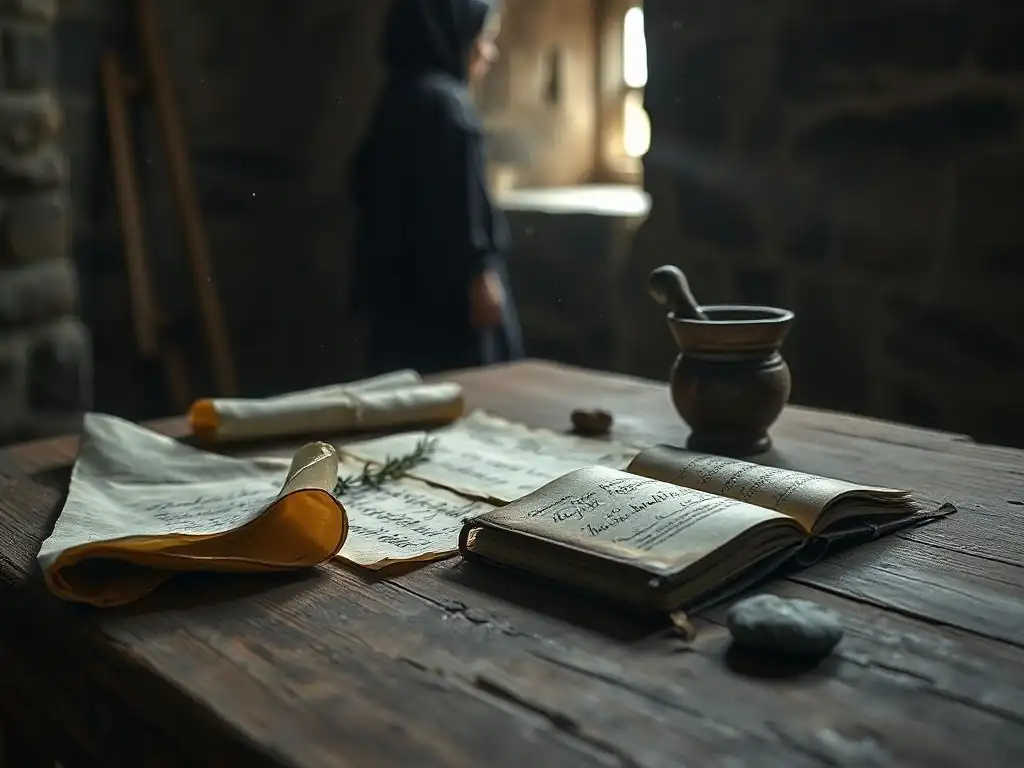
The written legacy of female healers before the 18th century, though often less formally published than male medical works, provides invaluable insights into their practices. These include personal "receipt books" or household medical recipe collections, often compiled by aristocratic women, detailing remedies for various ailments from fevers to childbirth complications. Herbals and midwifery manuals, sometimes anonymous or attributed to collectives, also shed light on their botanical knowledge and practical skills. While not always adhering to formal medical terminology, these texts demonstrate empirical observation and a systematic approach to healing.
Beyond these practical guides, personal letters, diaries, and even legal documents (such as wills or court records related to accusations of witchcraft) can offer glimpses into the daily lives and medical activities of female healers. For instance, the detailed accounts of Agnes Sampson, accused during the Scottish witch trials in the late 16th century, describe her healing practices. While often fragmented, these preserved texts collectively illustrate the breadth of knowledge and the diverse applications of medicine by women in this era.
Oral Traditions: Maintaining the Memory of Female Healers
In societies with widespread illiteracy, particularly in rural areas, oral traditions were the primary means of transmitting medical knowledge among female healers. This included songs, stories, proverbs, and practical demonstrations passed down from mother to daughter, or from experienced elder to apprentice. This communal sharing of knowledge ensured that vital information about medicinal plants, birthing techniques, and general healthcare practices endured for generations, even without formal written records.
While the ephemeral nature of oral history makes it challenging to reconstruct precisely, its significance in understanding the lived experiences of female healers cannot be overstated. It reflects the community's trust in these practitioners and the ingrained nature of their expertise. Anthropological studies and folklore collections, even from later periods, often contain echoes of these ancient oral traditions, providing clues to the practices of female healers who left no written trace, highlighting their silent yet profound influence on healthcare well into the 18th century.
Gender Bias and the Suppression of Female Medical Practitioners
The Ascendancy of Male-Dominated Medical Institutions
From the late medieval period through the 17th and 18th centuries, a significant shift occurred in the landscape of healthcare: the gradual professionalization of medicine. Universities across Europe began to establish formal medical faculties, and medical guilds emerged, granting licenses and regulating practice. These institutions were almost exclusively male, effectively excluding women from formal medical education and legitimate practice. The emerging medical elite, often educated in Latin and steeped in ancient Greek and Roman texts, sought to elevate their status and authority, often at the expense of traditional female healers.
This professionalization created a hierarchy where academic, male-dominated medicine was deemed superior to the empirical, often female-led, community-based practices. As a result, women who continued to practice healing without formal training were increasingly marginalized, their knowledge dismissed as unscientific or even dangerous. This systemic exclusion laid the groundwork for the decline of the prominent role of female healers in public perception and official records.
The marginalization of female healers was not merely a passive consequence of professionalization; it was often an active and systematic undermining of their authority. Legal restrictions were increasingly imposed, limiting or outright prohibiting women from practicing medicine, especially midwifery. Accusations of charlatanism, quackery, and, most devastatingly, witchcraft were used to discredit and persecute women who dared to continue their healing work outside the burgeoning male-dominated medical establishment.
This suppression had profound economic and social consequences for women, often forcing them to practice underground or in highly stigmatized roles. The narrative shifted from viewing female healers as essential community figures to seeing them as threats to public order or the new medical orthodoxy. This deliberate dismantling of female medical authority significantly impacted the trajectory of healthcare, diminishing the visible contributions of female healers for generations and setting a precedent that would last well into the 18th century and beyond.
Case Studies: Examples of Significant Pre-18th Century Female Medical Practitioners
Hildegard of Bingen: A Benedictine Abbess and Polymath
Hildegard of Bingen (1098-1179) stands as an extraordinary example of a pre-18th century female healer whose influence extended far beyond her monastic walls. A Benedictine abbess, visionary, composer, philosopher, and botanist, Hildegard produced two significant medical and natural history texts: Physica (Natural History) and Causae et Curae (Causes and Cures). These works detail a holistic approach to health, integrating herbal remedies, dietary advice, and even spiritual healing, all grounded in a deep understanding of natural elements and their effects on the human body.
Her writings document hundreds of plants, stones, and animals with medicinal properties, along with practical applications for various ailments. Hildegard's systematic classification and detailed descriptions were remarkably advanced for her time, demonstrating empirical observation rather than mere adherence to ancient texts. Her profound insights into the interconnectedness of body, mind, and environment made her a unique and highly influential figure among female healers, whose legacy continues to be studied today.
Trotula of Salerno: A Physician and Medical Writer
The figure of Trotula of Salerno, active in the 11th or 12th century, represents another pivotal example of an influential female healer associated with the renowned Schola Medica Salernitana, often considered the first medical school in Europe. Although historical debate exists regarding whether "Trotula" refers to a single woman or a collection of texts written by various Salernitan female healers, the works attributed to her are undeniably significant. The most famous, Diseases of Women ( De curis mulierum), is a groundbreaking treatise on gynecology, obstetrics, and women's health.
This text covers a wide range of topics, including menstruation, contraception, childbirth complications, and postpartum care. It provides practical advice, surgical interventions, and herbal remedies, reflecting an advanced understanding of female anatomy and physiology for the period. The "Trotula" texts were widely circulated and translated, influencing medical practice across Europe for centuries, solidifying the importance of female medical knowledge and demonstrating that female healers were capable of producing sophisticated and influential medical literature.
The Enduring Legacy of Pre-18th Century Female Healers
The Continuing Influence on Traditional Medicine and Practices
The knowledge and practices cultivated by female healers before the 18th century did not simply vanish with the rise of formal medicine; they continued to exert a profound influence on traditional and alternative healing modalities. Many herbal remedies and folk practices still in use today have direct roots in the centuries-old wisdom passed down by these women. For example, the use of specific plants for pain relief, digestive issues, or wound healing often mirrors the traditional applications documented by early female healers.
This enduring legacy highlights the importance of empirical observation and the value of holistic approaches to health, which often characterized their methods. While modern medicine emphasizes scientific validation, the foundational work of these early practitioners underscores the long history of human interaction with the natural world for therapeutic purposes. Their practical insights continue to inform and inspire various forms of complementary medicine, demonstrating the persistent relevance of the contributions made by female healers.
Inspiring Future Generations in Healthcare and Science
Recognizing the historical contributions of female healers is not just about correcting the historical record; it is also about inspiring future generations. Their stories of perseverance, ingenuity, and vital service in the face of societal barriers offer powerful role models for women pursuing careers in healthcare, science, and research today. By highlighting how these women innovated, cared for their communities, and contributed to medical knowledge despite immense challenges, we encourage a more inclusive and diverse understanding of scientific history.
Their narratives demonstrate that scientific curiosity, observational skill, and a dedication to healing are not confined to formal institutions or specific genders. The legacy of these female healers reminds us that invaluable contributions to human well-being have always emerged from diverse sources, often from those who were marginalized or overlooked. Their resilience and impact serve as a powerful testament to the enduring spirit of women in science, well into the 18th century and beyond.
Conclusion: Acknowledging the Vital Contributions of Women in Early Medicine
Promoting a More Accurate Understanding of Female Healers Before the 18th Century
The historical narrative has often overlooked or misrepresented the profound and diverse contributions of female healers in pre-18th century societies. From village wise women and midwives to aristocratic household managers and nuns, these women were the backbone of healthcare for centuries. They possessed extensive botanical knowledge, practical medical skills, and provided essential care in a holistic manner, often serving as the primary medical resource for their communities. It is crucial to move beyond the stereotypes of "witches" and acknowledge their empirical knowledge, resilience, and vital role in public health.
By recognizing the true scope of their contributions, we gain a more nuanced and accurate understanding of medical history. Their stories challenge traditional, male-dominated narratives and highlight the significant agency women exercised in shaping health practices and societal well-being. Acknowledging these female healers ensures their rightful place in the annals of medical progress, offering a fuller picture of how humanity managed disease and cared for its members before the 18th century.
Resources for Further Research on Women's Contributions to Science and Medicine
While this article provides an overview, the rich history of female healers before the 18th century is vast and warrants further exploration. Researchers and enthusiasts are encouraged to delve into primary sources such as historical recipe books, midwifery manuals, and court records, which often contain invaluable insights into their daily practices and challenges. Academic texts and scholarly articles from historians of medicine, gender studies, and social history offer deeper analyses of their roles and the societal contexts in which they operated.
Specific areas for continued study include regional variations in healing traditions, the intersection of class and race with healing practices, and the detailed socio-political factors that led to the suppression of female healers as formal medicine emerged. Exploring these resources will further illuminate the enduring legacy of these pioneering women and their foundational impact on healthcare and science, extending their influence even into the 18th century and beyond.
Frequently Asked Questions
How does WomenInScienceHistory.com contribute to understanding "Female healers 18th century"?
The site provides context by exploring the pre-18th century origins of female healers, helping to understand the historical backdrop against which 18th-century practices evolved. It sheds light on the challenges and stereotypes they faced.
What kind of information can I find about pre-18th century female healers on WomenInScienceHistory.com?
You'll find biographies, discussions of their practices, and analyses of the social and cultural contexts that shaped their roles. The site aims to highlight their groundbreaking work and the challenges they faced.
Why is it important to understand the "Wise Women" stereotype when studying 18th-century female healers?
Understanding the stereotype helps us differentiate between popular perceptions and the actual skills and knowledge of female healers. It allows for a more nuanced and accurate historical understanding.
What kind of "groundbreaking work" did pre-18th century female healers engage in that is discussed on WomenInScienceHistory.com?
The site explores their contributions to herbal medicine, midwifery, and folk remedies, often based on empirical observation and passed down through generations. They were vital providers of healthcare within their communities.
How does WomenInScienceHistory.com address the "male-dominated arenas" that impacted female healers?
The site examines the social and institutional barriers that limited women's access to formal scientific training and recognition. It highlights the prejudices and obstacles they had to overcome to practice their skills.
Final Reflection: Reclaiming the Legacy of Female Healers
The journey through the lives and practices of pre-18th century female healers reveals a truth often obscured by historical narratives: their contributions were not merely anecdotal, but foundational to the very fabric of healthcare. Understanding their roles challenges the pervasive stereotypes that have diminished their significance and allows us to appreciate the depth of their knowledge and the resilience of their spirit.
This exploration into the past underscores the enduring power of women's wisdom and its impact on our understanding of healing. It reminds us that knowledge, particularly that passed down through generations of women, is a vital resource that deserves recognition and preservation. Throughout history, women have been healers, midwives, herbalists, and caretakers. Their knowledge, often dismissed or suppressed, holds invaluable insights into the interconnectedness of health and well-being.
This legacy continues to inspire a renewed appreciation for holistic approaches to health and the importance of empowering women in healthcare.
As we close this chapter on the "Wise Women," let us carry forward their spirit of innovation, compassion, and unwavering dedication to healing. Consider how their resourcefulness and deep understanding of the natural world can inform our own approaches to health and wellness. Let us strive to create a future where the contributions of all healers, regardless of gender or background, are celebrated and valued, ensuring that their wisdom continues to guide us towards a healthier and more equitable world.
Unearth Your Inner Wise Woman!
Thank you for delving into the fascinating world of pre-18th century female healers. We hope you've gained a new appreciation for their skills, resilience, and contributions to medicine. Ready to channel their spirit and wisdom into your own life?
- Research a local historical figure who practiced healing in your region. Visit your local library or historical society to uncover their story!
- Share this article with friends and family to help dispel outdated stereotypes about women in science.
- Start your own herb garden! Even a small collection can connect you to the natural world and the ancient knowledge of herbal remedies.
What fascinating local stories of female healers have you uncovered? Share them in the comments below!