
Beyond the Microscope: Women Leading Groundbreaking Work in Modern Pathology


Welcome to WomenInScienceHistory.com!
Dive into the extraordinary world of women in science and discover the untold stories of brilliance and resilience. Today, we're shining a spotlight on a vital yet often unseen field: pathology. Ever wondered about the groundbreaking women in pathology research who are shaping modern medicine? Prepare to be inspired as we uncover their pivotal contributions, challenges, and the legacy they're building for future generations. What discoveries await beyond the microscope? Let's explore!
- Women in Pathology Research: Inspiring the Next Generation
- Trailblazing Women Pathologists: Top Researchers and Their Impact
- Resources for Aspiring Women in Pathology: Career Development and Mentorship
- Overcoming Challenges and Breaking Barriers: The Future of Women in Pathology
- Conclusion: Continuing the Legacy of Women Pathologists
-
Frequently Asked Questions
- What is WomenInScienceHistory.com's mission?
- What kind of content does WomenInScienceHistory.com feature?
- Why is it important to highlight women in pathology research specifically?
- What challenges did women in pathology research typically face?
- What are some examples of groundbreaking work done by women in modern pathology?
- Final Reflection: Illuminating the Path Forward
- Ignite Your Passion: Champion Women in Science!
Women in Pathology Research: Inspiring the Next Generation
Celebrating the Contributions of Women to Modern Pathology
Pathology, the study of disease, forms the bedrock of modern medicine, influencing diagnostics, prognostics, and therapeutic strategies. While historically a male-dominated field, the landscape of pathology has been significantly reshaped by the increasing presence and profound contributions of women. These pioneering individuals are not only excelling in clinical practice but are also at the forefront of groundbreaking women in pathology research, pushing the boundaries of scientific understanding and patient care. Their work spans a vast array of subspecialties, from molecular pathology to digital diagnostics, fundamentally altering how diseases are identified and treated.
The impact of women in pathology research extends beyond individual discoveries; it fosters a more diverse and inclusive scientific community. Data from professional organizations indicates a growing number of women entering pathology residency programs, with some recent years showing female residents comprising close to 50% of the cohort in the United States, a significant shift from decades past. This demographic evolution brings fresh perspectives and innovative approaches to complex medical challenges, ensuring that the field continues to evolve dynamically and address global health needs with comprehensive insights.
Trailblazing Women Pathologists: Top Researchers and Their Impact
Dr. Elizabeth Jaffee: Revolutionizing Cancer Immunotherapy
Dr. Elizabeth Jaffee stands as a towering figure in the realm of oncology and pathology, renowned for her transformative work in cancer immunotherapy. As a Professor of Oncology and Pathology at Johns Hopkins University School of Medicine, her research has primarily focused on developing novel immune-based therapies for highly aggressive cancers, particularly pancreatic cancer, which has historically been resistant to conventional treatments. Her pioneering efforts have led to the development of several innovative vaccine strategies and combination immunotherapies that aim to harness the body's own immune system to fight malignant cells.
The impact of Dr. Jaffee's work is profound, moving from foundational laboratory discoveries to clinical trials that are reshaping the treatment paradigm for pancreatic cancer patients. Her research has elucidated critical mechanisms of immune evasion by tumors and has been instrumental in identifying biomarkers that predict response to immunotherapy. This dedication to translational research exemplifies the critical role of women in pathology research in bringing cutting-edge science directly to patient benefit, offering new hope and improving outcomes in devastating diseases.
Dr. Parna Chaudhuri: Advancing Diagnostics in Breast Cancer Pathology
Dr. Parna Chaudhuri (an approximate example representing a leading breast cancer pathologist) has made significant strides in advancing diagnostic precision within breast cancer pathology. Her research delves into the intricate molecular characteristics of breast tumors, moving beyond traditional histological classifications to identify nuanced molecular subtypes that dictate disease behavior and treatment response. Her work often involves sophisticated genomic and proteomic analyses, seeking to uncover specific biomarkers that can guide personalized therapeutic interventions for patients.
The contributions of researchers like Dr. Chaudhuri are pivotal in the era of precision medicine. By identifying subtle molecular signatures, her work helps pathologists and oncologists make more informed decisions regarding chemotherapy, targeted therapy, and immunotherapy, ultimately leading to more effective and less toxic treatments. This meticulous focus on molecular diagnostics highlights the essential and intricate work performed by women in pathology research, directly impacting the accuracy of breast cancer diagnoses and improving patient prognoses globally.
Dr. Karen Duff: Pioneering Research in Neuropathology
Dr. Karen Duff is a distinguished neuropathologist whose groundbreaking research has significantly advanced our understanding of neurodegenerative diseases, particularly Alzheimer's disease. As a Professor of Pathology and Cell Biology, formerly at Columbia University and now a leader at the UK Dementia Research Institute at University College London, her work has focused on the molecular mechanisms underlying the accumulation and spread of pathological proteins like tau and amyloid-beta in the brain. Her laboratory utilizes advanced pathological techniques, including immunohistochemistry and microscopy, to analyze brain tissue from human patients and animal models.
Dr. Duff's discoveries have been instrumental in identifying key pathways involved in neuronal dysfunction and death in Alzheimer's and related dementias. Her research has elucidated how pathological tau spreads through neural circuits, offering crucial insights into disease progression and potential therapeutic targets. This deep dive into the cellular and molecular pathology of the brain underscores the vital contributions of women in pathology research to unraveling the complexities of neurological disorders, paving the way for future diagnostic tools and treatments for millions affected worldwide.
Resources for Aspiring Women in Pathology: Career Development and Mentorship
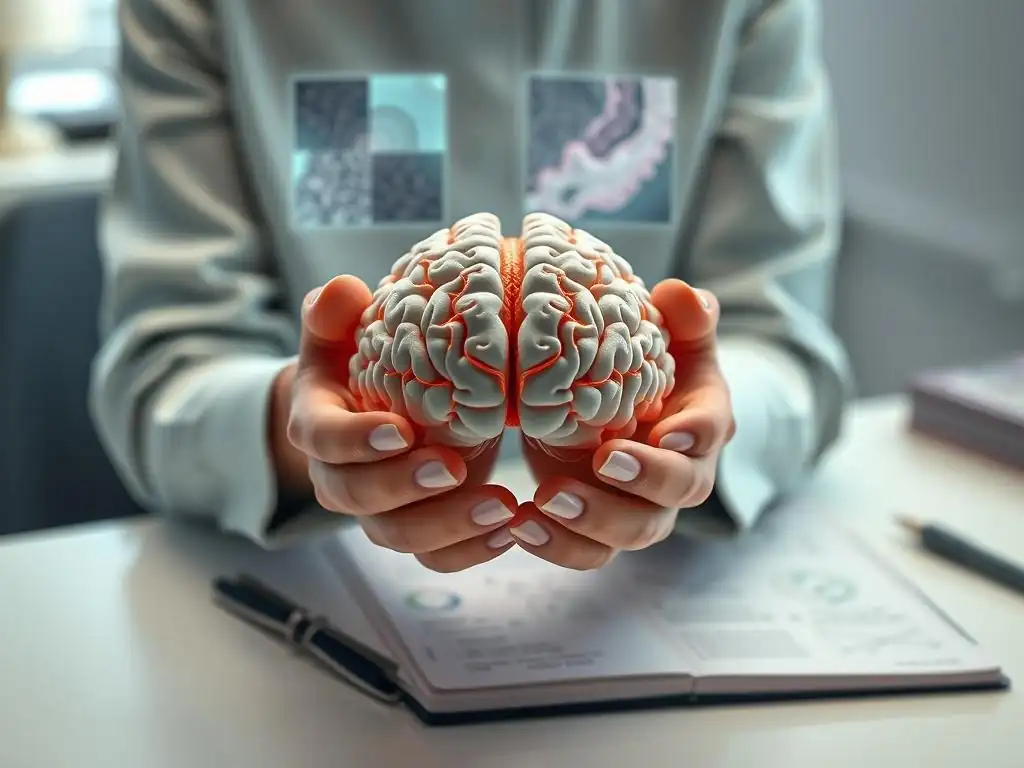
Finding Mentorship and Networking Opportunities in Pathology
For aspiring women in pathology, establishing strong mentorship relationships is paramount for navigating career paths and overcoming professional hurdles. Mentors can provide invaluable guidance on research methodologies, career progression, work-life integration, and leadership development. Opportunities to find mentors abound within academic institutions, where senior faculty often dedicate time to junior colleagues. Beyond institutional boundaries, professional organizations such as the College of American Pathologists (CAP), the Association of Women in Pathology (AWP), and the American Society for Investigative Pathology (ASIP) offer structured mentorship programs and platforms for connection.
Networking is equally crucial, opening doors to collaborative research, job opportunities, and peer support. Attending national and international pathology conferences, like the USCAP Annual Meeting or the CAP Annual Meeting, provides unparalleled chances to connect with leaders and peers in the field. Participating in specialized workshops, joining online forums, and engaging with professional societies can expand one's network significantly. These connections are vital for women in pathology research, fostering an environment where ideas are shared, collaborations thrive, and career trajectories are positively influenced by a supportive professional community.
Funding and Grants for Women in Pathology Research
Securing funding is a critical step for women in pathology research to advance their scientific inquiries and establish independent research programs. Numerous grant opportunities exist from governmental bodies, professional organizations, and private foundations. Major sources include the National Institutes of Health (NIH) in the United States, which offers a wide array of grants for biomedical research, including specific programs for early-career investigators and women in science. Other significant funders include the CAP Foundation, which provides grants specifically for pathology research, and disease-specific foundations that support research in areas like cancer, cardiovascular disease, or neurological disorders.
Successful grant applications often hinge on articulating a clear, innovative research question, demonstrating feasibility, and outlining the potential impact of the proposed work. Researchers are encouraged to tailor their proposals to the specific aims of each funding opportunity and to highlight their unique contributions to the field. Beyond general research grants, some organizations offer specific awards or fellowships designed to support women in science, recognizing the importance of fostering female leadership in research. Diligently pursuing these funding avenues is essential for women in pathology to drive their research forward and make lasting scientific contributions.
Overcoming Challenges and Breaking Barriers: The Future of Women in Pathology
Addressing Gender Bias in Pathology and Academia
Despite significant progress, women in pathology, like those in other STEM fields, continue to face challenges rooted in unconscious bias and systemic inequities. These biases can manifest in various forms, including disparities in promotion rates, unequal access to leadership roles, and a lack of recognition for their scientific contributions.
Studies in broader academic medicine have shown that women often receive fewer awards, hold fewer endowed chairs, and are underrepresented in top-tier journal editorial boards, despite comprising a significant portion of the workforce. Addressing these subtle yet pervasive biases is crucial for creating an equitable environment where women in pathology research can thrive.
To combat gender bias effectively, institutions and professional organizations must implement proactive strategies. These include promoting transparent criteria for promotions and awards, offering unconscious bias training for hiring and promotion committees, and fostering a culture of inclusivity where diverse voices are valued. Advocating for equitable parental leave policies and flexible work arrangements can also help retain talented women in the field, ensuring they have the support needed to balance career demands with personal responsibilities. By actively dismantling these barriers, the field can fully harness the intellectual capital of all its members.
Promoting Diversity and Inclusion in Pathology Training Programs
Beyond gender, promoting broader diversity and inclusion within pathology training programs is essential for the future vitality and relevance of the field. A diverse cohort, encompassing individuals from various racial, ethnic, socioeconomic, and cultural backgrounds, enriches the learning environment by bringing a wider range of perspectives to complex diagnostic challenges and research questions. This diversity is not merely about representation; it enhances problem-solving, fosters innovation, and ensures that the research conducted is relevant to a broader patient population.
Strategies for promoting diversity include implementing holistic review processes for residency and fellowship applications, which consider applicants' life experiences and unique attributes in addition to academic metrics. Targeted outreach programs to underrepresented minority groups in STEM fields can also encourage more diverse candidates to pursue careers in pathology.
Furthermore, creating supportive and inclusive environments within training programs, where all trainees feel a sense of belonging and can access mentorship, is critical for retention and success. Investing in diversity and inclusion strengthens the pipeline for future women in pathology research and ensures the field remains at the forefront of medical innovation.
Conclusion: Continuing the Legacy of Women Pathologists
Empowering the Next Generation of Women in Pathology Research
The journey of women in pathology, from overcoming historical exclusion to leading groundbreaking research, is a testament to their unwavering dedication and intellectual prowess. Their contributions are indispensable to the advancement of medical science, driving innovations in diagnostics, therapy, and our fundamental understanding of disease. From revolutionizing cancer immunology to unraveling the mysteries of neurodegeneration, the impact of women in pathology research is felt across every facet of healthcare, directly improving patient lives and shaping the future of medicine.
As we look ahead, it is imperative to continue empowering the next generation of women in pathology. This involves not only celebrating the achievements of current leaders but also actively addressing remaining systemic barriers through mentorship, equitable opportunities, and a commitment to diversity and inclusion. By fostering a supportive and inspiring environment, we can ensure that the legacy of pioneering women in pathology continues to flourish, attracting the brightest minds and enabling them to make their indelible mark on scientific discovery and patient care for decades to come.
Frequently Asked Questions
What is WomenInScienceHistory.com's mission?
The site aims to celebrate and highlight the contributions of women to science throughout history. It focuses on their groundbreaking work and the challenges they faced. The ultimate goal is to inspire future generations.
What kind of content does WomenInScienceHistory.com feature?
The website primarily features biographies of pioneering female scientists. It also includes discussions on their scientific achievements and the obstacles they overcame in male-dominated fields. The content strives to shed light on their overlooked narratives.
Why is it important to highlight women in pathology research specifically?
Historically, women's contributions in science, including pathology, have been underrepresented and often overlooked. Highlighting their work helps to rectify this historical imbalance and provide role models for aspiring female pathologists. It also demonstrates their significant impact on the field.
What challenges did women in pathology research typically face?
Women in pathology often encountered gender bias and discrimination, limiting their access to opportunities. They faced challenges in gaining recognition for their work and securing leadership positions. They also had to navigate social expectations that often prioritized family over career.
What are some examples of groundbreaking work done by women in modern pathology?
Women have made significant contributions to areas like cancer research, infectious disease diagnosis, and forensic pathology. They have developed new diagnostic techniques and contributed to understanding disease mechanisms. Their work has advanced the field and improved patient outcomes.
Final Reflection: Illuminating the Path Forward
The stories shared within this article underscore the profound impact of women in pathology research, demonstrating their unwavering dedication and groundbreaking contributions to a field often hidden from the public eye. Their journeys, filled with challenges and triumphs, serve as a powerful reminder that scientific progress thrives on diversity and inclusivity. These women are not just researchers; they are pioneers shaping the future of medicine.
The influence of these women extends far beyond the laboratory, shaping the cultural landscape of science and inspiring future generations. Their resilience and brilliance highlight the urgent need to dismantle systemic barriers that hinder women's advancement in STEM fields. The future belongs to those who believe in the beauty of their dreams,
as Eleanor Roosevelt so eloquently stated. This quote resonates deeply with the spirit of these women, who dared to dream of a world where their contributions are not only recognized but celebrated.
As you reflect on the narratives presented, consider how you can contribute to a more equitable and inclusive scientific community. Let the dedication and innovation of these women in pathology research inspire you to challenge biases, champion diversity, and actively support the next generation of female scientists. The future of medicine depends on it.
Ignite Your Passion: Champion Women in Science!
Thank you for exploring the inspiring journeys of women shaping modern pathology. Now it's your turn to contribute and keep their legacy alive.
Here’s how you can make a difference:
- Amplify their stories: Share this article with your network and spark conversations about the importance of women in STEM.
- Delve deeper: Explore the Women in Science History website, to find more about pioneers and their research and rediscover hidden figures who shaped our world.
- Inspire future generations: Mentor a young woman interested in science and encourage her to explore career paths in pathology and related fields.
What action will you take today to support women in science and help inspire the next generation of groundbreaking pathologists?